


Nissan sold 247,068 vehicles in the United States during the first quarter of 2026. That is 20,017 fewer than the same period last year, a 7.5% decline. The company’s press release calls itself “the fastest-growing mainstream brand in the U.S.”
Both things can technically be true, but only one tells you what’s actually happening inside this company.
The trick is in the split between total sales and retail sales. Nissan says retail deliveries climbed 9.6% even as overall volume fell. That gap means one thing: fleet sales got slashed.
Nissan has been trying to wean itself off rental-car dumps for years, and the Q1 numbers suggest the diet is real. Selling fewer cars to Hertz while selling more to actual humans is genuinely healthier for the brand long-term. But calling yourself the fastest-growing anything while moving 20,000 fewer units takes a certain audacity.
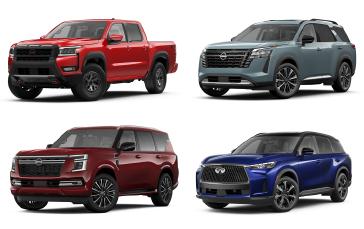
Dig into the model-level data and the picture fractures further. Nissan’s truck and SUV portfolio carried almost all the weight. Frontier sales surged 47.9%, Pathfinder jumped 45.2%, and Rogue climbed 13% to 70,174 units.
The car side, though, is in freefall. Sentra dropped 34.5%. Altima cratered 35.9%. Versa lost nearly half its volume, down 46.6%.
The 370Z fell 58.3%. Total car sales plummeted 37.5%, from 111,672 units to 69,812. That is not a soft patch. That is a category in collapse.
Then there are the models that barely have a pulse. The Ariya, Nissan’s flagship electric crossover, sold 56 units in three months. Not 56,000. Fifty-six.
A year ago it moved 4,148. That 98.6% decline speaks to the tariff-driven chaos around imported EVs and Nissan’s inability to position Ariya against a swelling domestic field. The Titan pickup sold 10 units, effectively dead. The GT-R moved two.
Infiniti tells a similar split story. The QX60 roared ahead with a 64% gain, but the QX50 fell 85.3% and the QX55 dropped 89.9%. The Q50 sedan sold exactly one car. The luxury brand is now a single-model operation waiting for the QX65 to arrive this summer.
North American-built vehicles accounted for 213,832 of Nissan’s total, a subtle but important detail as tariff pressures reshape sourcing decisions across the industry. Import volume dropped 41.8%. Nissan is clearly steering buyers toward domestically produced models while imported product withers.
The strategic pivot is unmistakable. Nissan is shrinking to grow. It is abandoning low-margin sedan volume that once padded the scoreboard, pulling back from fleet channels, and leaning hard into the trucks and SUVs where the money actually lives.
Senior vice president Tiago Castro called it “disciplined strategy.” Others might call it managed decline with better margins.
Six consecutive months of retail growth is nothing to dismiss. Market share gains in a contracting industry are real. But the sheer number of models posting double-digit declines, or approaching extinction, reveals a company still deep in triage mode, not triumph.
Nissan entered 2026 under existential pressure after the collapsed Honda merger talks and a brutal restructuring that included factory closures and thousands of job cuts globally. These Q1 results suggest the patient is stabilizing, not thriving. The SUV lineup is doing the heavy lifting. Everything else is either shrinking, dying, or already gone.
Calling that the fastest growth in the mainstream market is technically defensible. It is also the kind of spin that assumes nobody will read past the headline. The numbers, all of them, tell a more complicated and far more interesting story.


Share this Story