
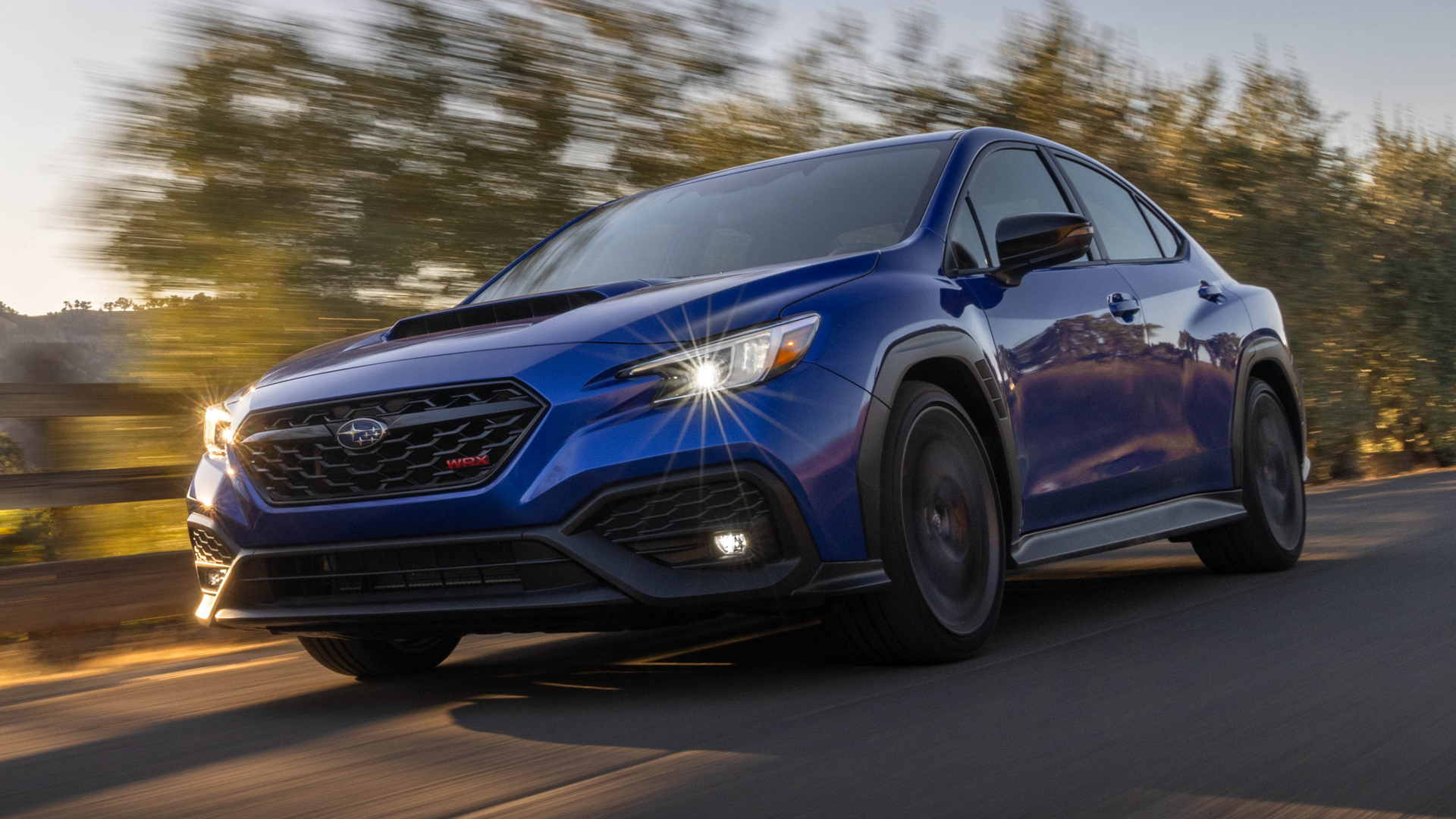


Subaru will stop taking orders for the WRX S4 in Japan on May 18, pulling the plug on its home-market performance sedan because the car can’t clear upcoming noise and emissions regulations. The STI Sport trim dies with it. For a nameplate that helped define Subaru’s identity on rally stages and backroads worldwide, this is a gut punch — even if it might be temporary.
The announcement, posted quietly on Subaru’s Japanese consumer website, is blunt. “We will cease accepting new orders as of May 18, 2026, due to the end of production,” reads the translated statement. “The WRX S4 STI Sport grade will be discontinued with the current model.”
Japan’s tightening regulatory noose is the culprit. Creative Trend, a Japanese automotive outlet, reported that the WRX’s 2.4-liter turbocharged flat-four simply cannot meet the country’s forthcoming noise and emissions standards. No amount of software recalibration or exhaust trickery is going to save it. The engine, in its current form, is done in Japan.
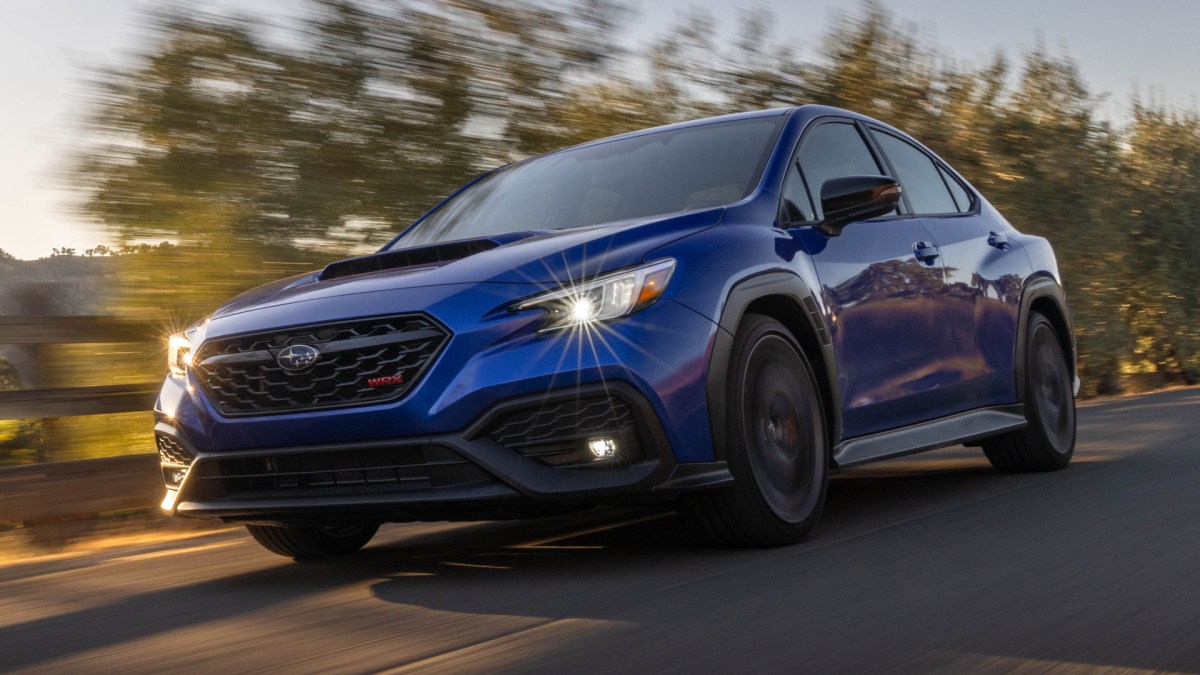
The S4 is the only WRX variant sold domestically. It comes exclusively with a CVT and stacks up roughly against the GT trim Americans can buy. Outside of the limited-run STI Sport# — 600 units revealed at Tokyo Auto Salon last year — there’s nothing left on the Japanese WRX menu after May.
Those 600 special editions will still be built and delivered, but they represent a farewell lap, not a future.
So what about the United States? Road & Track asked Subaru directly. A spokesperson offered the most corporate non-answer possible: no news to share.
The U.S. faces no equivalent noise or emissions restrictions that would force the WRX off American dealer lots. The manual-transmission models, the tS, and the GT all remain on sale here — for now.
There’s a thin thread of optimism buried in the Japanese reports. Some forward-looking intel suggests WRX orders in Japan could resume next year, possibly even with a manual transmission option. That would be a first for the Japanese-market WRX in this generation, but details are vague and Subaru has confirmed nothing.
The factory where the WRX is built isn’t going idle. Subaru’s new Trailseeker EV is already rolling off the same production line, a reality that says everything about where the company’s priorities sit. The WRX has to make room for the future whether its fans like it or not.
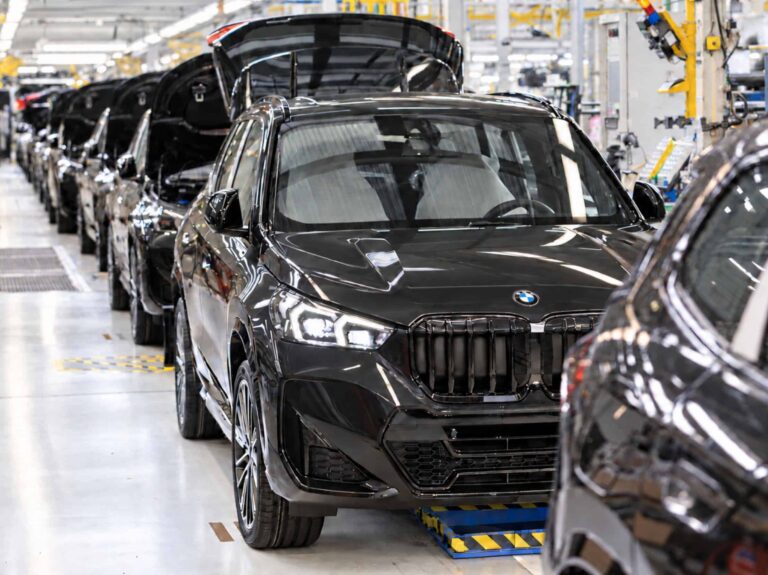
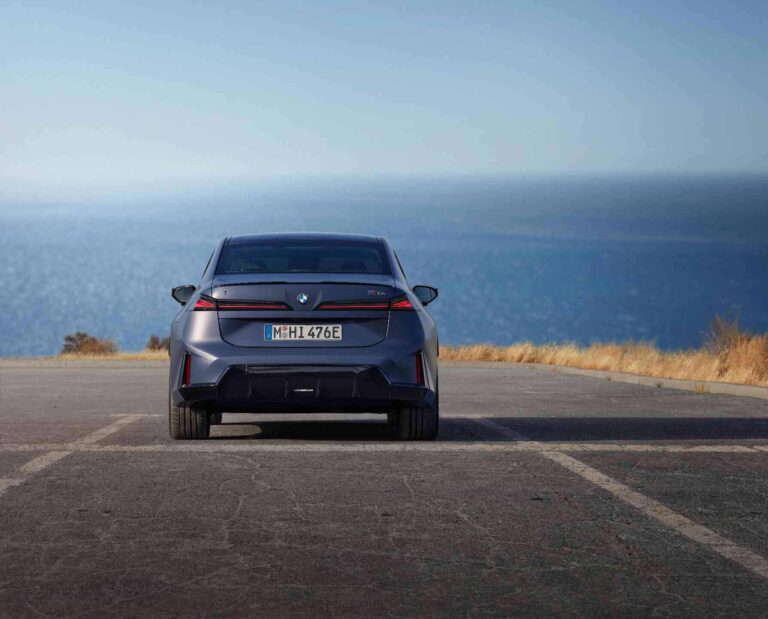
This follows a broader pattern across the industry. Lamborghini’s CEO just confirmed that his company’s first EV has slipped past 2030, with the Lanzador concept now becoming a plug-in hybrid instead. BMW is killing the i4 to make way for the new i3 sedan. The ground is shifting under every performance car, and the WRX is no exception.
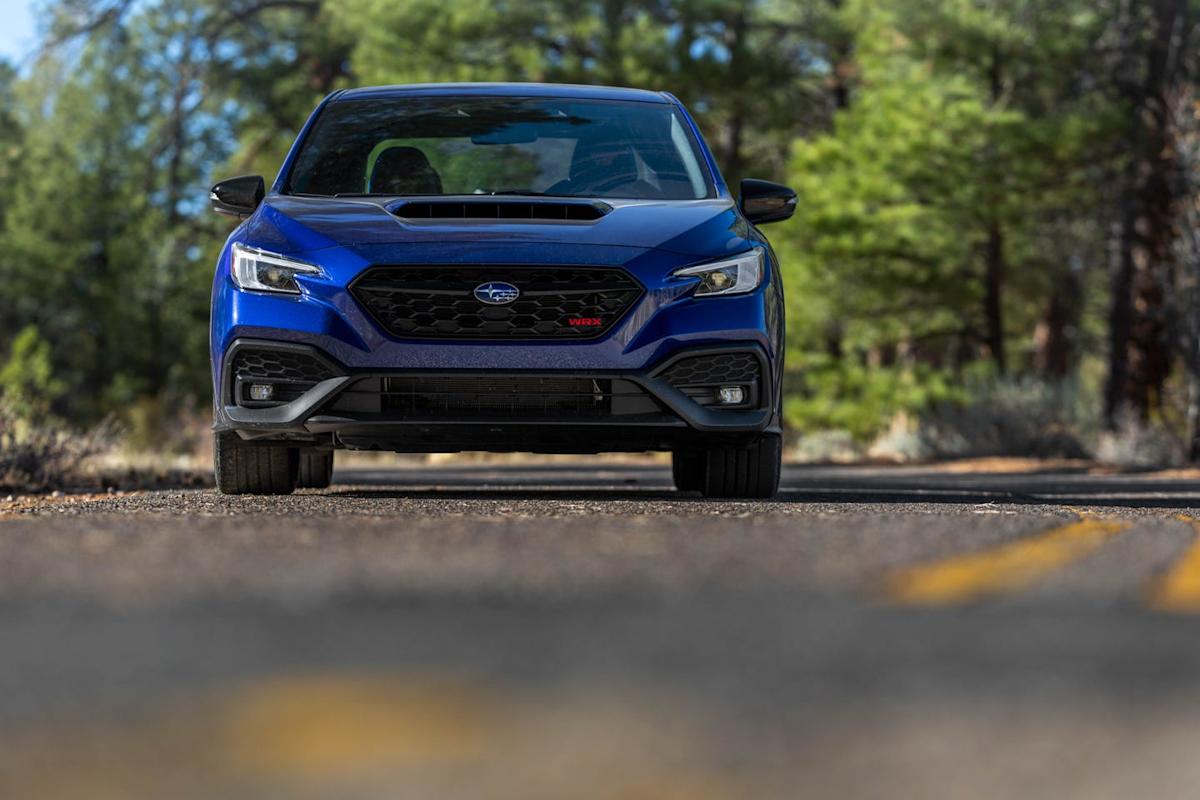
Subaru built its cult following on turbocharged boxer engines, symmetrical all-wheel drive, and the kind of accessible performance that didn’t require a trust fund. The WRX was never the fastest or the prettiest, but it was honest. It rewarded drivers who cared about grip and mechanical connection over lap times and Instagram clout.
Losing it in Japan — even temporarily — strips something essential from Subaru’s home-market identity. The WRX was born there. It earned its legend on Japanese mountain roads and World Rally Championship stages before it ever became an American tuner icon.
The nameplate isn’t dead. Not yet. But it’s on life support in its own country, and the silence from Subaru about its American future is the kind of quiet that keeps enthusiasts up at night.
Regulations don’t negotiate, and a 2.4-liter turbo boxer that can’t pass muster in Tokyo today may face similar walls elsewhere tomorrow. The WRX’s next chapter — if there is one — will look nothing like the last.
Share this Story