



Abdul Azizi paid $281,940 for a 2022 Porsche 911 GT3 with 34 miles on the odometer. He thought he was buying a new car. According to a lawsuit filed in Florida’s Seminole County Circuit Court, what he actually got was a vehicle that had been disassembled and reassembled by apprentice technicians — then quietly shuffled into the retail pipeline.
The dealer, Porsche Warrington in Pennsylvania, allegedly told Azizi the car had been used for “display and marketing purposes” and to “familiarize dealership personnel with the features of the new model.” That phrasing does a lot of heavy lifting. The lawsuit claims the GT3 was originally allocated to the Porsche Technology Apprenticeship Program, where trainees learned their craft by working on it.
How many times the car’s guts were pulled apart and bolted back together is anyone’s guess.
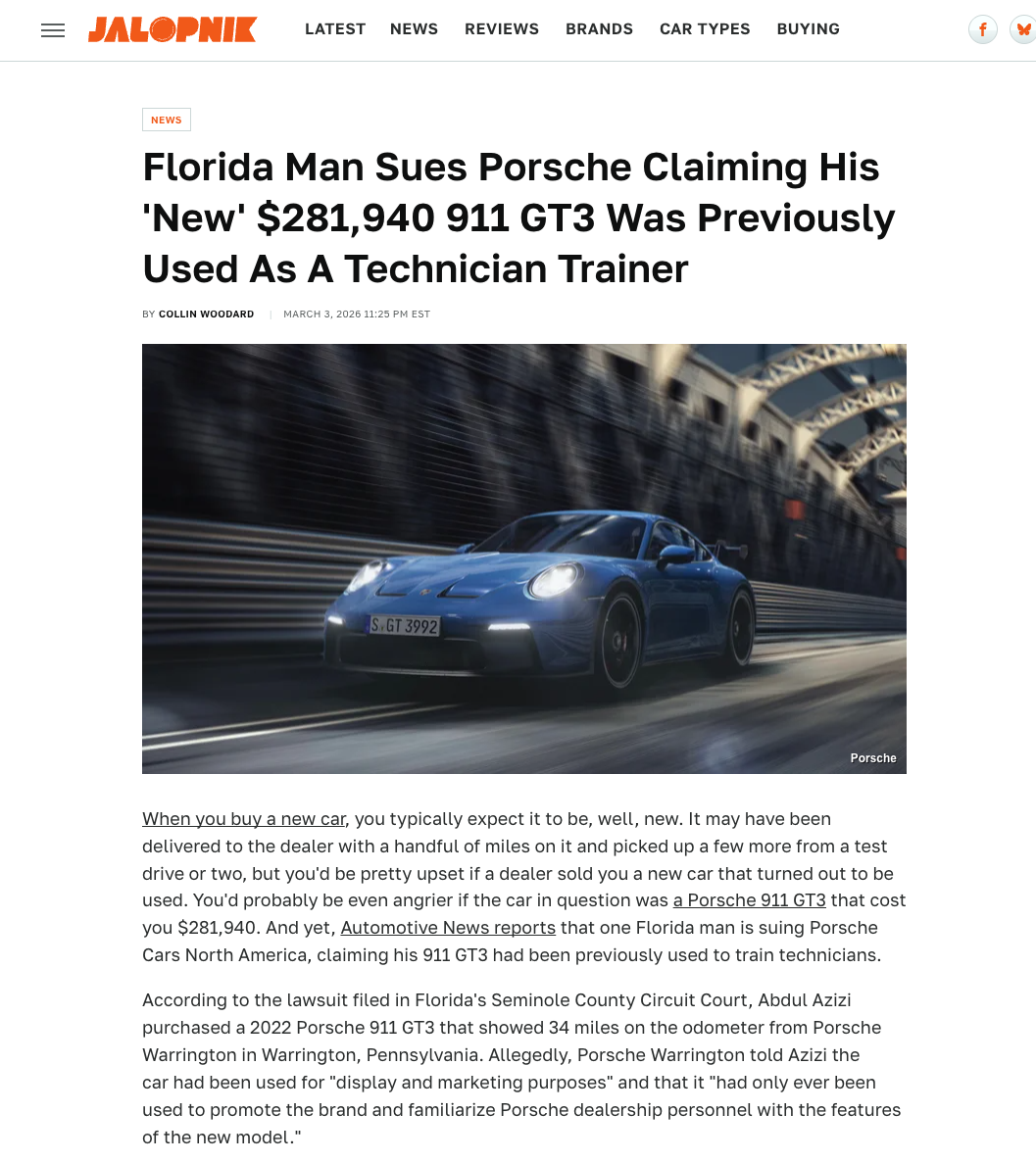
The cover story might have held if the car hadn’t started falling apart. Azizi says the GT3 developed serious electrical problems. When he brought it to a Porsche-certified technician, the diagnosis came back ugly: the work inside was consistent with a training vehicle.
A second opinion at a different Porsche service center confirmed the suspicion — portions of the undercarriage had been removed and reinstalled incorrectly. The car has been out of service for the better part of a year. Azizi hasn’t driven it since early 2025.
He pursued a Lemon Law claim and won, but is appealing the arbitrator’s award because it excluded finance charges and sales tax. The broader lawsuit targets both Porsche Cars North America and the dealership, alleging they conspired to conceal the vehicle’s history and sell a training mule as a factory-fresh sports car.
The most damning detail isn’t buried in a technician’s report. It was sitting in the glovebox. Azizi’s lawyer, Jacob Abrams, told Automotive News that the dealer claimed the car didn’t come with a window sticker.
When Azizi got home, he found it — stamped across the front in unmistakable terms: “PCNA CAR NOT FOR SALE.”
That sticker is the kind of evidence that makes defense attorneys lose sleep. It suggests someone at the dealership knew exactly what this car was and decided to sell it anyway. Then they actively tried to keep the buyer from seeing the one document that would have given the game away.
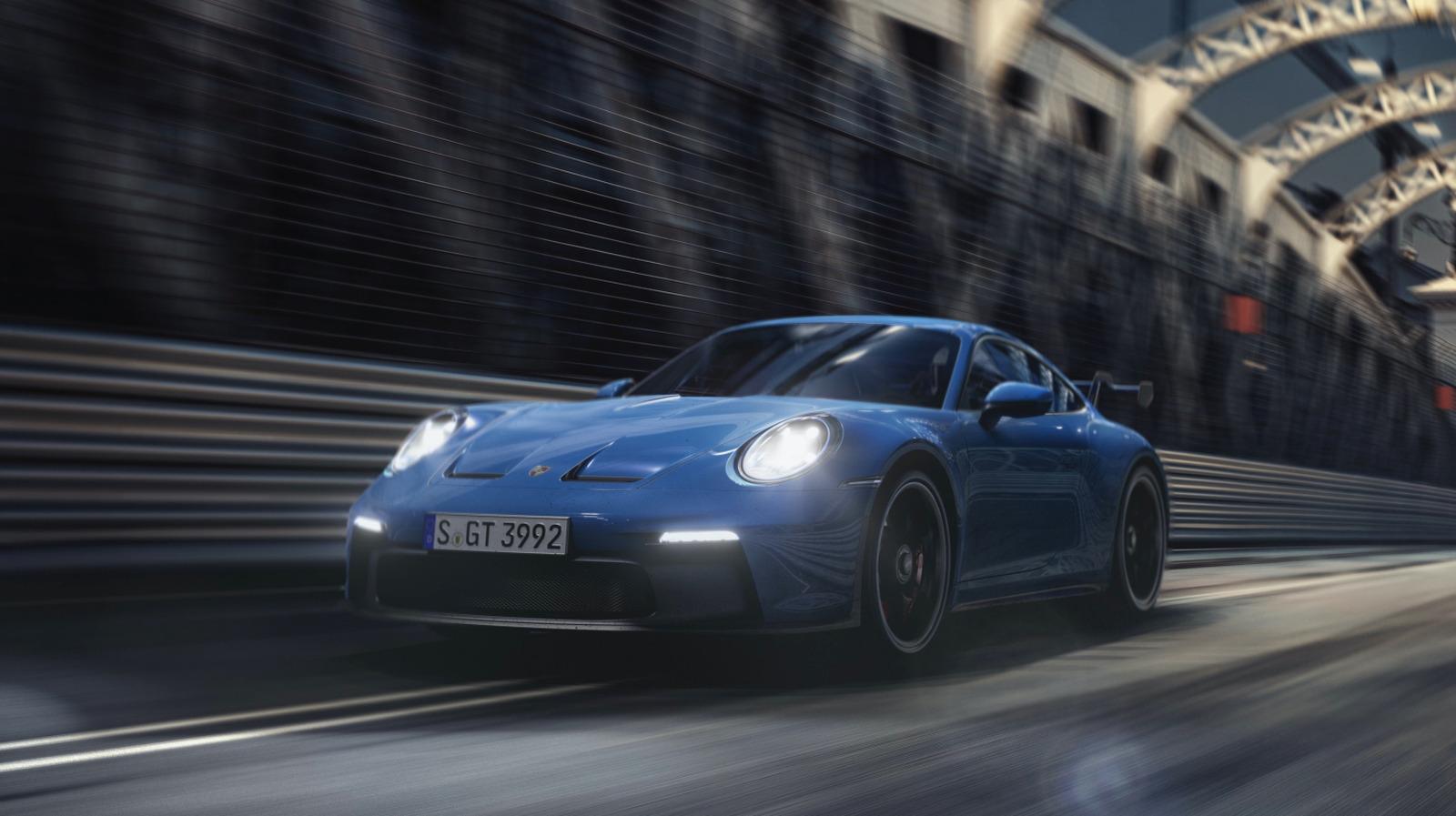
“Porsche improperly allocated a vehicle that it used to train service technicians for sale to consumers and conspired with its co-defendant dealership to conceal the vehicle’s prior use,” Abrams said in a statement. Porsche has not publicly responded to the allegations.
The 911 GT3 is not some volume car that sits on lots gathering dust. It’s a 502-horsepower, naturally aspirated flat-six screamer with a 4.0-liter engine that revs to 9,000 rpm. Buyers wait months, sometimes years, and pay sticker or above.
The allocation process itself is a gatekeeping ritual that Porsche uses to reward loyal customers. That a training car allegedly slipped through that process and landed in a paying customer’s garage — at full retail — raises questions about how many other internal-use vehicles have found their way onto showroom floors.
The GT3 community on Rennlist is already buzzing. Some posters are skeptical of the claim. Others see a clear-cut case. One commenter joked that at least Azizi didn’t pay a markup.
Nobody’s laughing at that window sticker, though. Six words on a piece of paper may end up costing Porsche and its dealer far more than $281,940.
Share this Story