
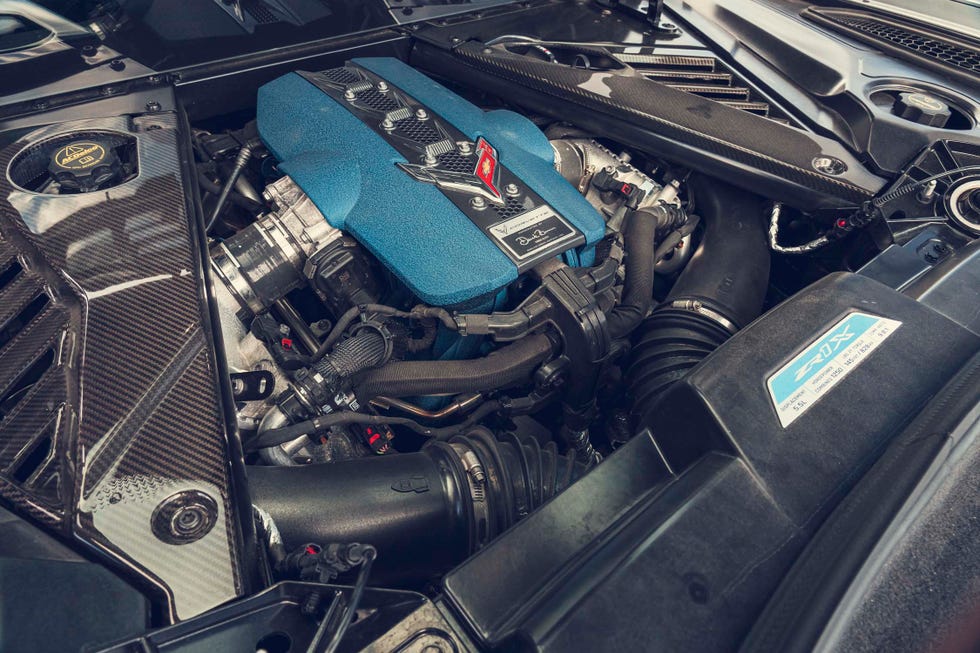


General Motors has never been known for restraint, and the 2026 Chevrolet Corvette ZR1X is the most emphatic proof yet. It combines the ZR1’s 1,064-horsepower twin-turbocharged 5.5-liter flat-plane V-8 with an upgraded front electric motor producing 186 horsepower on its own. The result is a 1,250-horsepower, all-wheel-drive machine that weighs 4,139 pounds and starts at $212,195.
The numbers are genuinely difficult to process. Chevy’s own dragstrip figures show 1.68 seconds to 60 mph and a quarter-mile in 8.675 seconds, achieved on a prepped surface with sticky traction compound. On regular asphalt, Chevy claims the ZR1X still cracks 60 mph in under two seconds and runs a sub-nine-second quarter mile.
Independent testing tells a slightly different story, though “slightly” is doing a lot of heavy lifting. Both Car and Driver and MotorTrend recorded 2.1 seconds to 60 mph and a 9.2-to-9.24-second quarter mile at around 153-155 mph. Extraordinary numbers that still fell short of Chevrolet’s unprepped street-surface estimates.
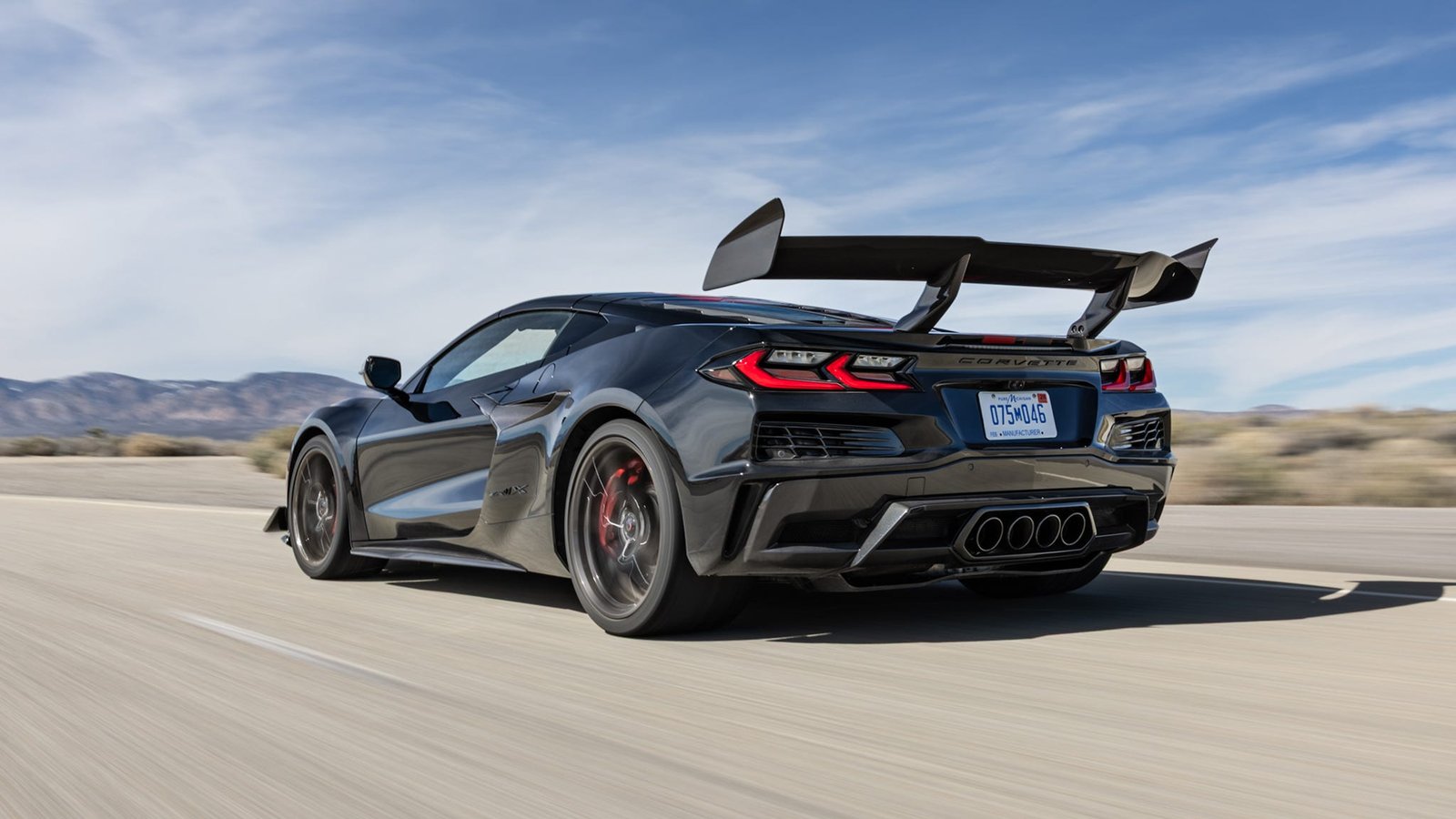
The likely culprits? Test cars wore the optional Carbon Fiber Aero package, ZTK Track Performance package, and Michelin Pilot Sport Cup 2 R tires rather than the base Pilot Sport 4S rubber Chevy used for its reference runs. As seen previously with the Ford Mustang Shelby GT500, track-focused tires don’t always outperform street tires in straight-line launches. The aggressive aero kit’s extra drag almost certainly costs time in the quarter-mile as well.
Despite missing Chevy’s targets, the results remain historic. MotorTrend declared it the quickest gas-powered car in the publication’s 77-year testing history, dethroning the $589,949 Lamborghini Temerario. Car and Driver places it within a tenth of the Bugatti Chiron Super Sport and Lucid Air Sapphire in the quarter mile. Remarkable company for a car that runs on pump gas, has a functional trunk, and offers a Stealth mode for quiet neighborhood departures on electric power alone.
The ZR1X’s predictive all-wheel-drive system deserves real credit for making 1,250 horsepower manageable. Unlike the E-Ray’s reactive setup, this system models and anticipates what the driver intends to do before they do it — a necessary evolution given how quickly the LT7 engine can overwhelm anything purely reactive. Car and Driver reports the car feels familiar within 48 hours of driving despite its staggering output.
Braking and handling proved equally impressive. New Alcon calipers — 10-piston up front, six-piston at the rear — clamp 16.5-inch carbon-ceramic rotors, the largest ever fitted to a Corvette. Car and Driver recorded a 70-to-0 stop in 139 feet and 1.15 g on the skidpad, essentially matching the lighter ZR1’s results despite carrying an additional 308 pounds.
Not every result is a record, though. MotorTrend notes the 98-foot 60-to-0 stop, while solid, falls well short of the previous-generation ZR1’s 88-foot benchmark. Skidpad grip of 1.14-1.15 g is excellent but not class-leading.
Then there’s the NHRA complication. Even in a configuration working against launch performance, the ZR1X still exceeded the 150 mph quarter-mile trap speed limit for street-legal vehicles. The NHRA’s measured response — that they’d be “open to an opportunity to learn of its safety advancements” — suggests even motorsport’s governing bodies weren’t fully prepared for what Chevrolet built.
At $255,960 as tested, the ZR1X lines up against machinery costing twice as much. It rides smoothly, runs on pump gas, carries a factory warranty, and can run errands between record-breaking passes. The gap between what it’s engineered to do and what the law permits on public roads may be its only real limitation — and Chevrolet doesn’t appear remotely concerned about that.

Share this Story