
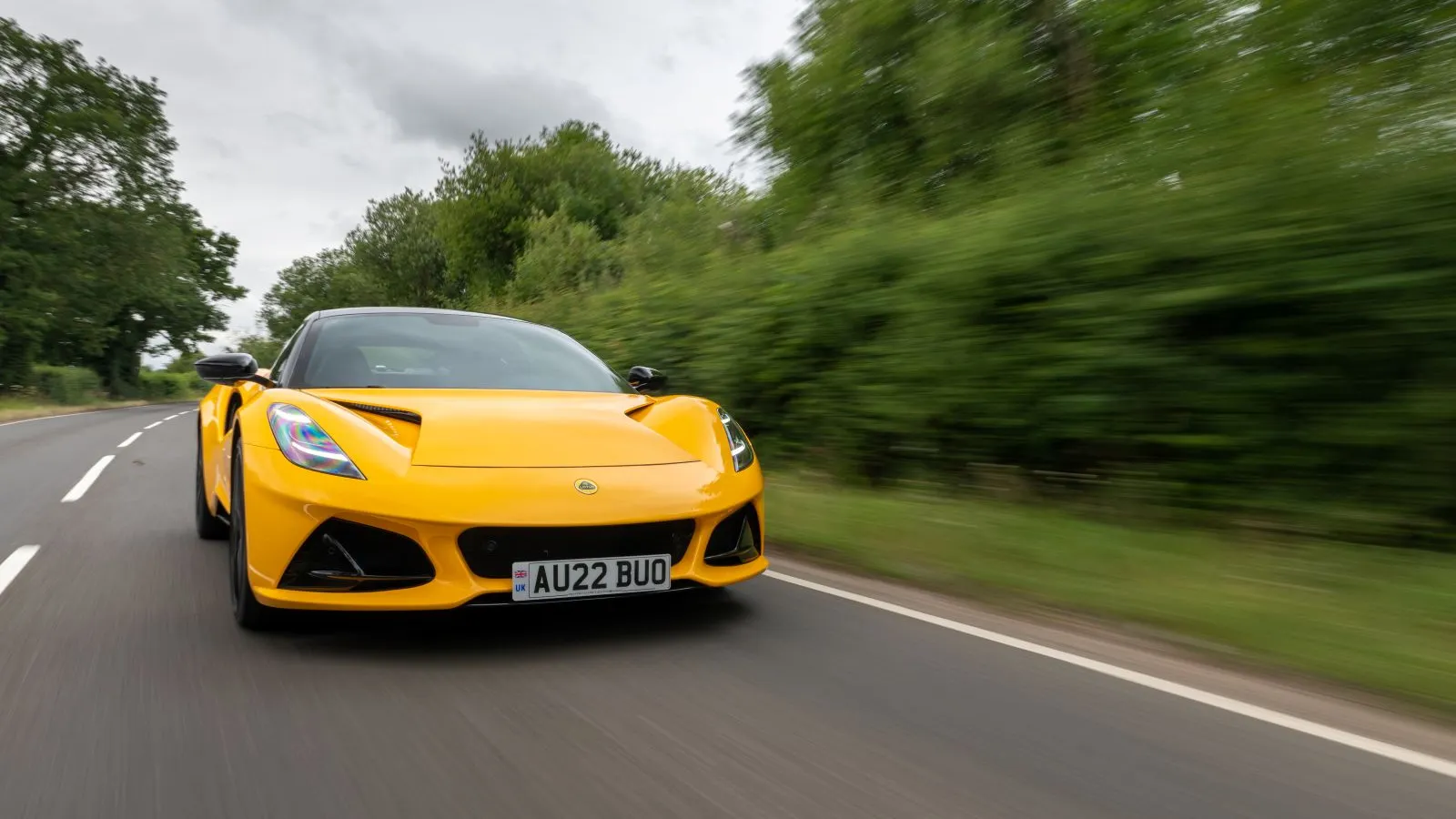


Lotus Technology’s chief financial officer just told the world something the brand’s Chinese parent company probably didn’t envision when it bought the storied British marque: the path back to profitability runs through American driveways, powered by internal combustion engines.
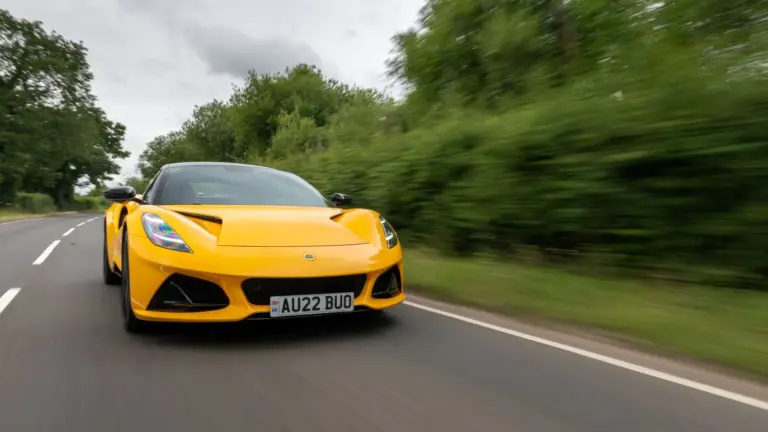
CFO Daxue Wang laid it out plainly in a recent interview with WardsAuto. The Emira, Lotus’s mid-engine sports car with a gasoline heart, is its hottest product in the United States. And the next big play isn’t a battery-electric successor — it’s the Type 135, a 1,000-horsepower V-8 plug-in hybrid expected to hit global markets in 2028.
That’s a fascinating pivot for a company owned by Geely, which has poured billions into electrification across its portfolio.
Wang draws a sharp internal line between what he calls Lotus’s “sports cars” and its “lifestyle cars.” The Eletre SUV and Emeya sedan, both fully electric, fall into the lifestyle bucket, with China as their primary market. The combustion-powered machines, the ones that carry Lotus’s soul and its racing DNA, belong to the U.S.
The language alone tells you where Lotus sees its real equity. Sports cars for America. Lifestyle cars for China. Europe gets the newly launched Eletre X PHEV and a vague promise of strategic importance.
Wang was careful to frame this growth story within strict financial guardrails. “We are not pursuing volume for its own sake,” he said. “We are kind of committed to growth that protects both our pricing power and also our brand.” Gross margins have climbed to 10 percent, and the company’s Focus 2030 plan demands they reach 20 percent.
Those are ambitious numbers for a niche manufacturer that cut its year-over-year losses by 63 percent in the first half of 2026. Lotus is still bleeding money. It’s just bleeding less of it.
The margin obsession makes strategic sense. Lotus will never compete on volume with Porsche, let alone with mass-market EV makers flooding China. Its only viable play is to stay small, stay premium, and extract maximum profit per unit.
The Emira 420 Sport, launched in June, fits that template. So does a million-dollar-plus hypercar.
Wang also reaffirmed the company’s commitment to its historic Hethel factory in Norfolk, England. That facility has built Lotus cars since 1966. Wang said it would see continued upgrades in manufacturing capability and workforce development under the “One Lotus” restructuring that merged the brand’s production and electrified mobility divisions in August.
Keeping Hethel alive matters for brand credibility. A Lotus built in Norfolk carries provenance that a Lotus built anywhere else simply cannot match. That matters especially when you’re asking American buyers to spend six or seven figures on a car defined by lightness and handling purity.
The tension at the core of this strategy is unmistakable. Lotus needs electrification to satisfy regulators and its Chinese ownership. But it needs gasoline, or at least hybrid powertrains, to satisfy the customers who actually pay premium prices for the badge.
Wang is threading that needle by keeping both product lines alive while directing each toward its natural market.
Whether Geely’s patience lasts until 2028, when the Type 135 is supposed to arrive and the margin targets are supposed to materialize, remains the open question. Lotus has announced turnaround plans before. The difference this time is that its CFO is publicly betting on America’s undiminished appetite for fast, loud, combustion-powered machines.

Share this Story