


BMW sold 148,664 fully electric vehicles in the first half of 2026, down 14.6% from the same period a year earlier. That gives EVs a 17.7% share of total deliveries across BMW, MINI, and Rolls-Royce. The company says it still plans to hit 50% by 2030.
That’s not ambition. That’s arithmetic denial.
The trajectory tells a different story than the target. BMW’s EV share climbed steadily from 4.1% in 2021 to 17.9% in 2025, a respectable ramp. Then it stalled.
In the first six months of this year, the share actually ticked down, and absolute volumes dropped. Nearly tripling that share in four years would require a pace of adoption BMW has never demonstrated, in a global market that just got harder.
China is the elephant in the showroom. BMW’s position in the world’s largest EV market has been eroding as domestic competitors like BYD, NIO, and Xiaomi eat into luxury segments with cheaper, tech-laden alternatives. Any path to 50% EV share runs straight through China, and right now that road is full of potholes.
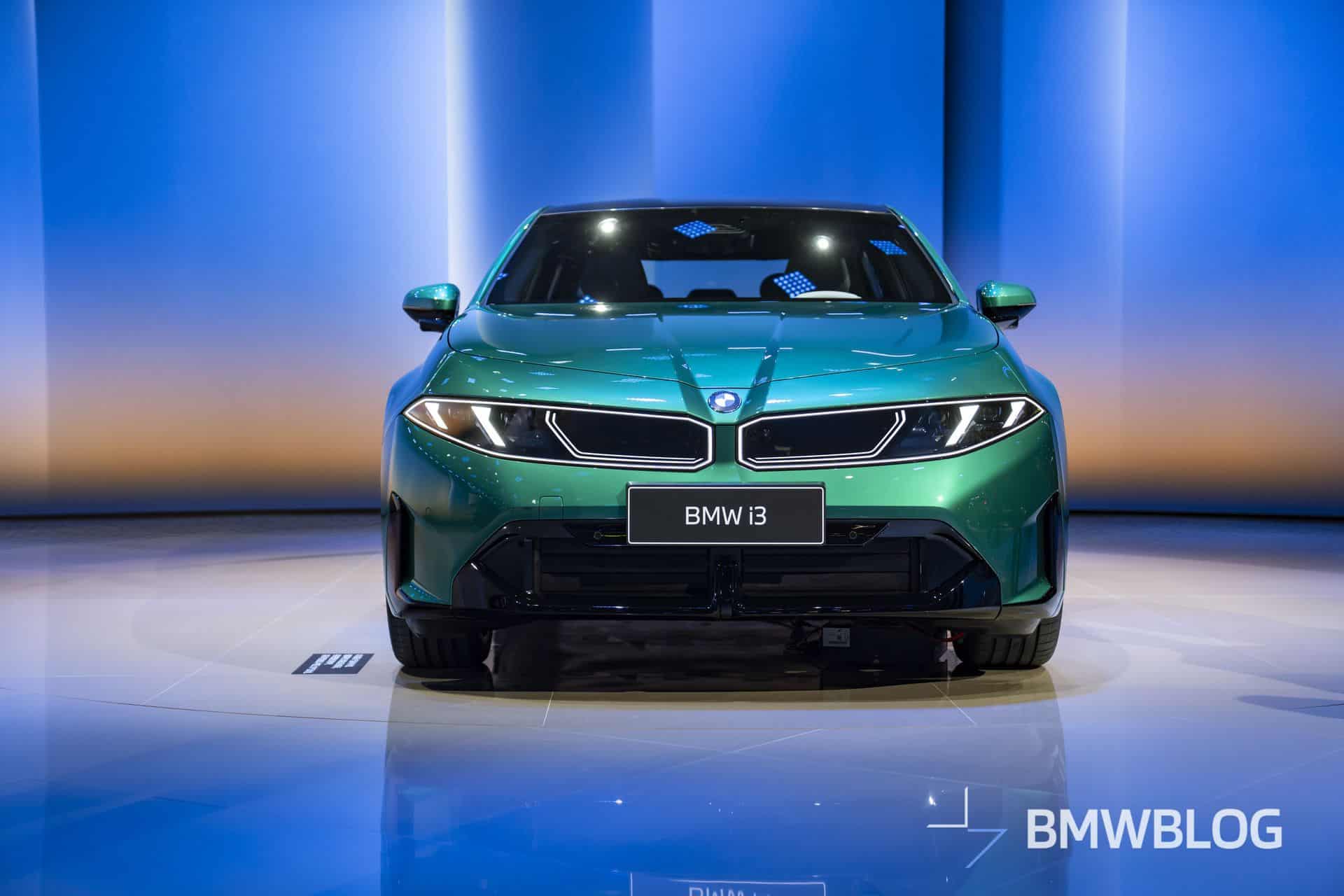
The Neue Klasse lineup is supposed to be the cavalry. The early numbers are encouraging. The new iX3 crossover has racked up nearly 100,000 orders in less than a year of European sales, and BMW’s Debrecen factory in Hungary has already built 50,000 units.
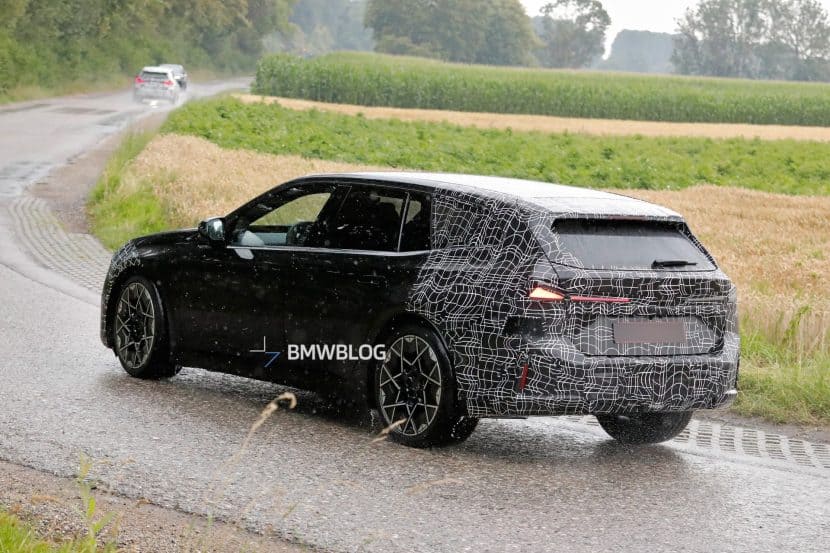
The i3 sedan launched ahead of schedule with a First Edition that generated strong preorder interest. A first-ever iX5 has arrived, and the i3 Touring wagon is set for 2027.
But look at the full pipeline and the math gets tricky. The iX4, i4 Convertible, i7 facelift, and upcoming iX7 are low-volume plays, niche models for niche buyers at premium prices. They pad the portfolio without moving the sales needle.
The models that could actually shift the balance are still years away. The next-generation iX1 is due in 2027. The long-rumored i1 hatchback and i2 Gran Coupe, which would become BMW’s cheapest EVs outside the MINI Cooper, reportedly won’t arrive until around 2028.
That leaves barely two years for those entry-level models to ramp production, build demand, and contribute meaningfully to a 50% target.
BMW has always hedged its powertrain bets more aggressively than most German competitors. The company still sells three-cylinder gas engines, plug-in hybrid V8s, and is developing a hydrogen-powered X5 for 2028. That flexibility has served it well commercially, letting dealers match whatever a customer walks in wanting.
But it also means BMW’s internal combustion pipeline is healthy and profitable. That makes the pivot to 50% EV share less a natural evolution and more a forced march.
Emissions regulations in Europe and China will keep pushing automakers toward electrification regardless of consumer demand. BMW doesn’t have the luxury of walking back the target without inviting regulatory scrutiny and investor skepticism. So the number stays at 50%, even as the first-half results suggest something closer to 25% might be realistic by decade’s end.
The company has the products in the pipeline. It has a factory in Hungary cranking out Neue Klasse vehicles at an impressive clip. What it doesn’t have is time or a cooperative market.
Four years to nearly triple EV share would be aggressive even in a boom. In a market where EV demand is softening in key regions, it borders on fantasy.
BMW will keep saying 50%. The question is whether anyone inside Munich actually believes it anymore.
Share this Story