


Two fifteen-year-olds thought a driverless car would be the perfect cover for a joyride through San Mateo, California. No adult driver to object. No one to snitch. They were wrong on both counts.
The pair allegedly climbed into a Waymo robotaxi on Monday afternoon, cracked open some alcohol, leaned out the windows, and started firing Orbeez water bead guns — with realistic-looking barrels — at people and cars along the street. The ride itself turned them in.
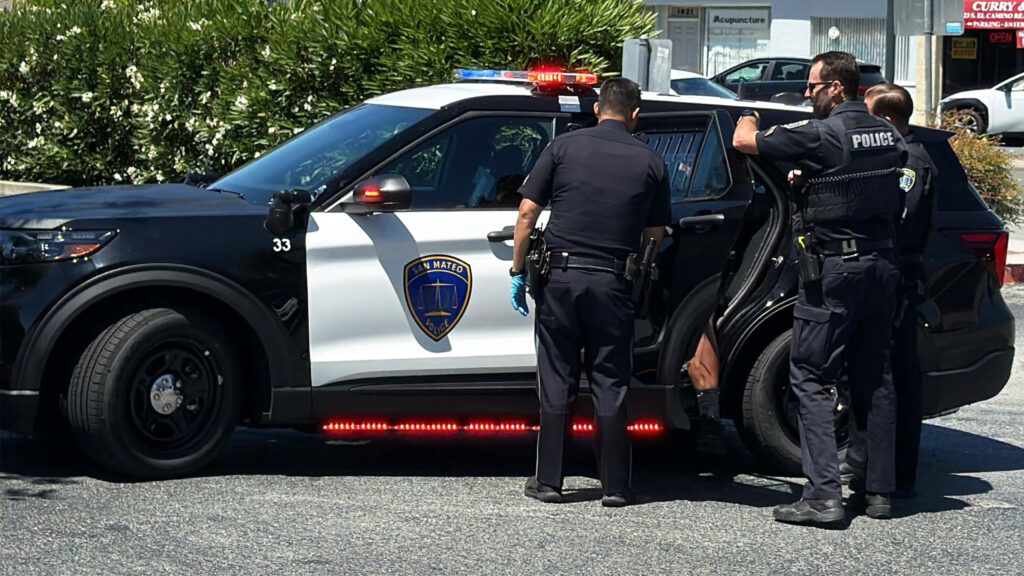
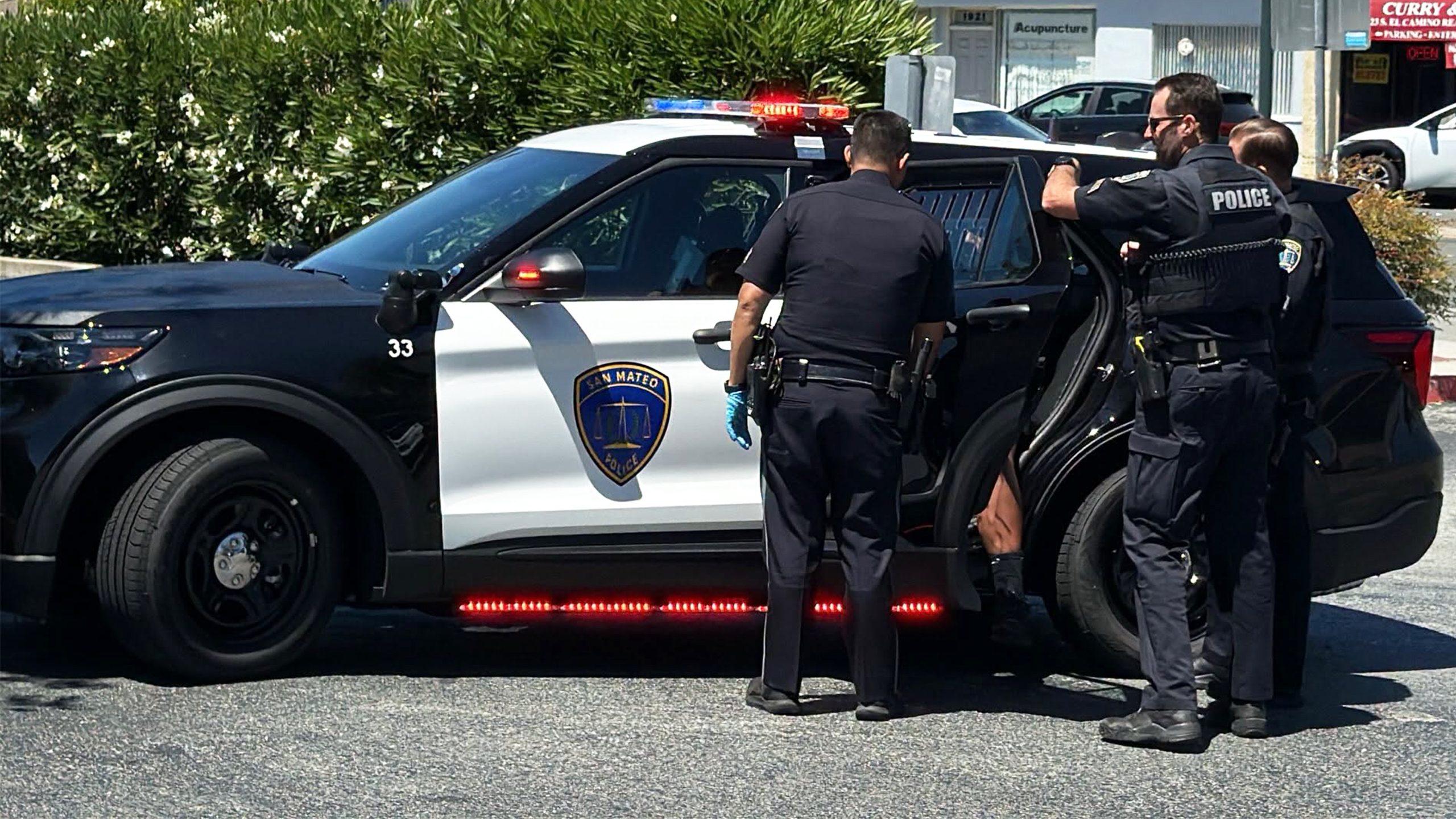
Waymo pulled the vehicle into a parking lot and contacted police. Officers from the San Mateo Police Department arrived with guns drawn, approaching a car with no driver and two teenagers inside. The scene looked like something out of a near-future cop show nobody greenlit yet.
It remains unclear exactly how Waymo flagged the situation. The company’s vehicles carry internal cameras and microphones that can be activated in emergencies or to “promote safety and security,” according to its support page. Whether the system’s own sensors detected the commotion, a remote operator spotted it on camera, or a bystander called it in, Waymo hasn’t said.
The result was the same: the car became the arresting officer’s best friend.
San Mateo police didn’t waste the PR opportunity. “Parents do you know where your teens are? Waymo does!” they wrote on Facebook, mixing dad-joke energy with a genuine public safety warning. They pointed out that realistic-looking toy guns can terrify bystanders and that firing projectiles from a moving vehicle — even polymer beads — can cause real harm.
The department did concede one backhanded compliment to the duo’s judgment: at least they weren’t behind the wheel. “The Waymo might have been the smartest idea yet, because driving impaired would’ve made this so much worse,” police wrote. Whether the teens face formal charges remains unclear.
The incident is the latest in a growing catalog of humans treating robotaxis as consequence-free zones. Earlier this year, an unidentified man in San Francisco used a Waymo as a getaway car after allegedly stealing expensive activewear from a yoga studio. That time, the system worked in the suspect’s favor — Waymo had already deleted all ride footage by the time police came asking, and the thief walked free.
This time, though, the surveillance apparatus worked exactly as law enforcement would want it to. Waymo didn’t just record the ride. It stopped the ride, parked the car, and handed over the passengers.
That duality is worth sitting with. A platform that deletes footage before cops can request it in one case, then effectively detains riders in another, raises questions about consistency and corporate discretion. Who decides when a robotaxi becomes a rolling holding cell?
Waymo says it doesn’t use facial recognition or biometrics. But cameras, microphones, GPS tracking, and the ability to lock doors and reroute a vehicle add up to something that doesn’t need a face scan to be powerful.
For now, two teenagers in San Mateo have learned a lesson every generation eventually absorbs in its own way: the walls have ears. In 2025, so does the car — especially when nobody’s driving it.



Share this Story