
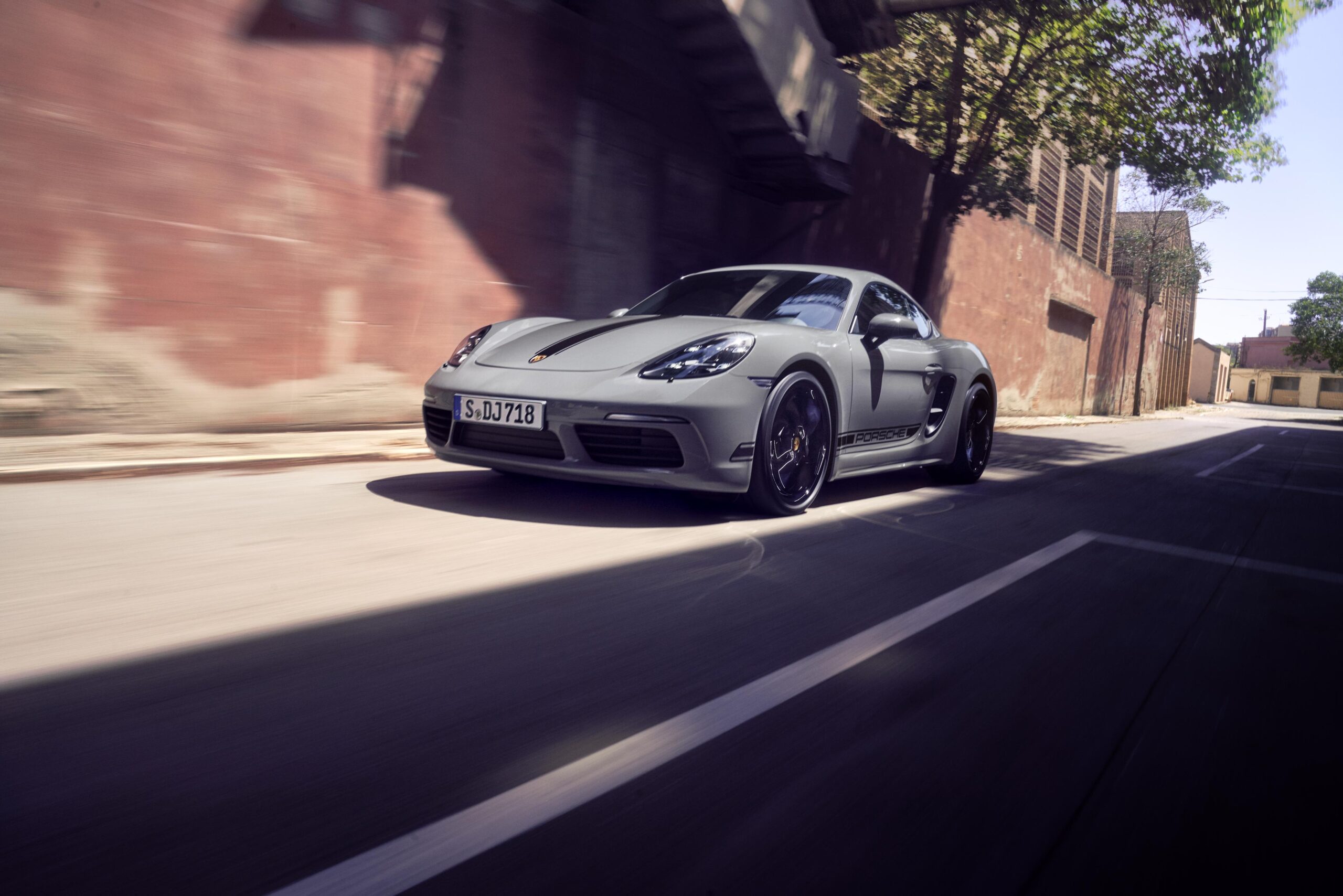


More than twenty vehicles won’t survive into the 2026 model year, and the casualties tell you everything about where the American car market is headed — and what it’s leaving behind.
Chevrolet is about to sell zero sedans in the United States. The Malibu, a nameplate that stretches back to 1964, dies after 2025. Outside the two-seat Corvette, Chevy’s entire lineup is now trucks, SUVs, and vans.
Let that sit for a moment.
Acura joins the retreat. The TLX, successor to the once-beloved TL, gets axed, leaving Acura without a proper luxury sedan for the first time in the brand’s history. The Integra liftback hangs on, but the showroom is otherwise wall-to-wall SUVs.
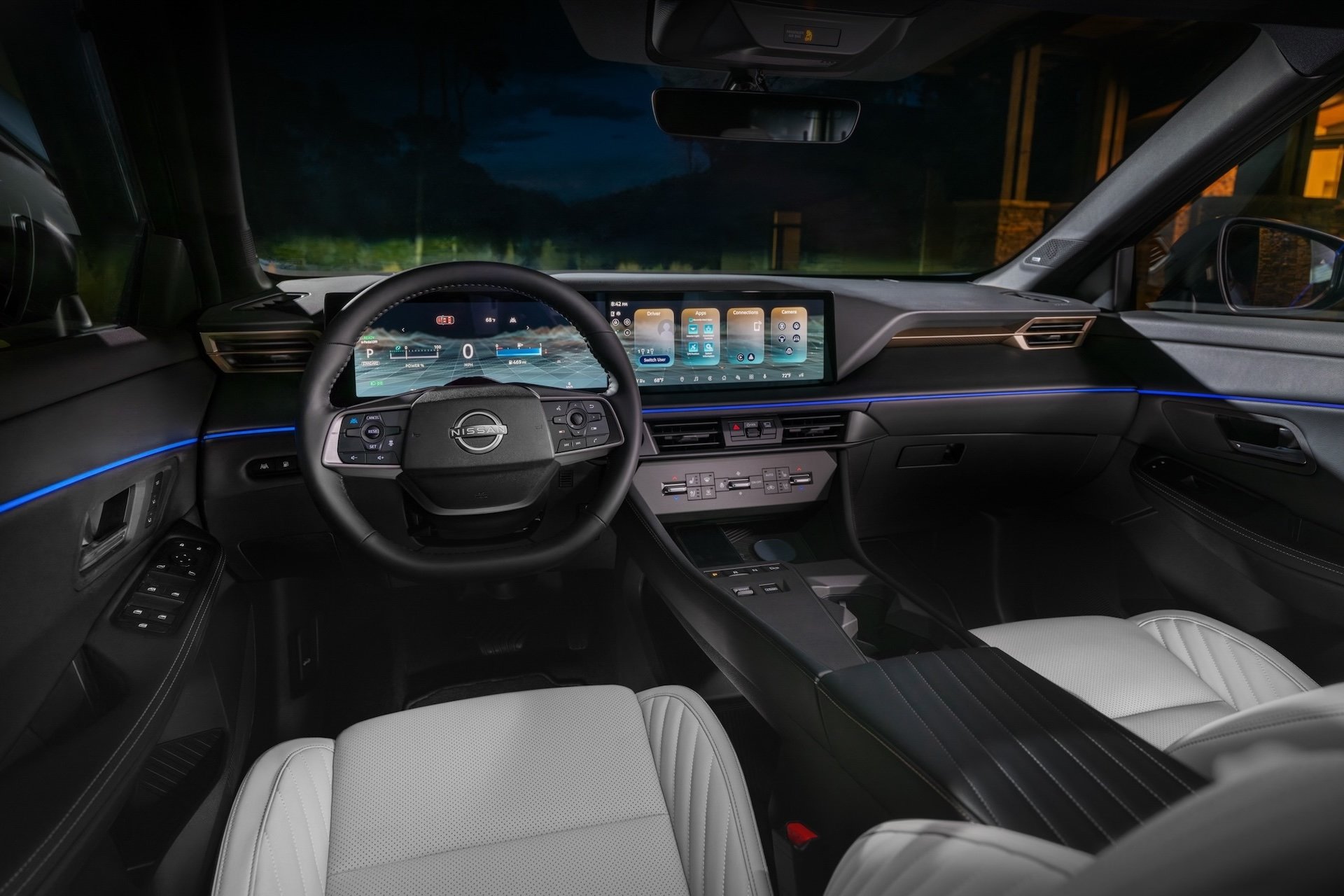
Nissan kills the Versa, the last subcompact sedan you could buy new in America, at $18,585. Budget buyers just lost their final option in a segment that barely existed anymore. The brand also shelves the Ariya EV and the first-gen Kicks, thinning its lineup at both ends.
The Audi A4, a pillar of the luxury sedan market since the mid-1990s, vanishes — replaced by the A5 liftback in a naming scheme Audi itself has already started walking back. The A4 Allroad wagon dies with it, because of course it does. Audi also shutters the Belgium factory building the Q8 e-tron, killing both the SUV and Sportback variants with no replacement announced.
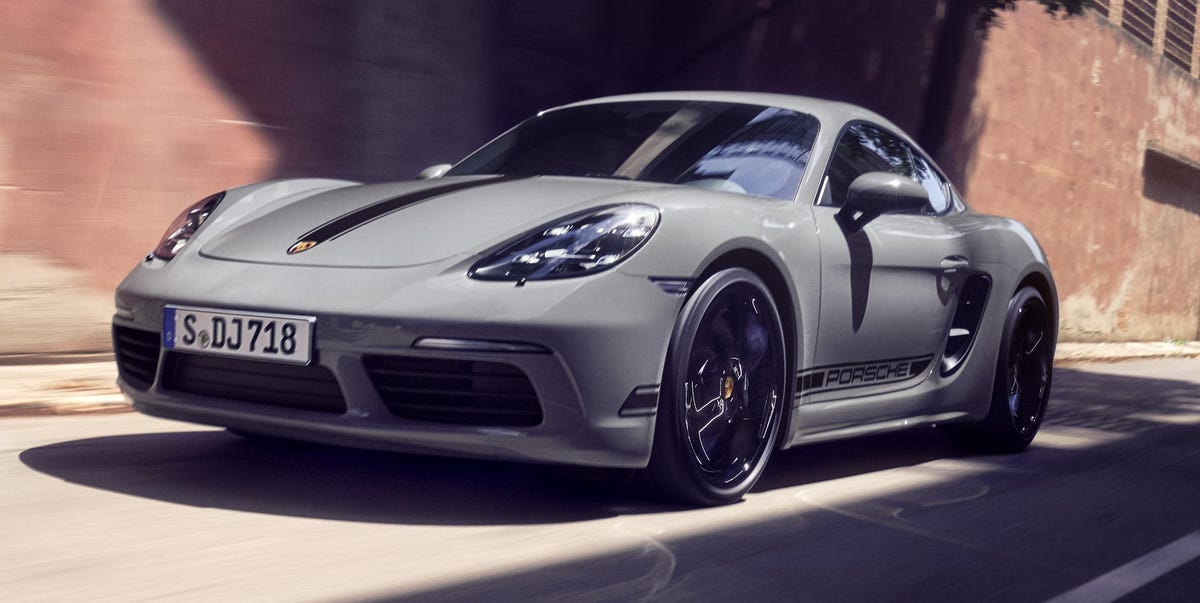
Cadillac loses two crossovers in one swing. The XT4 is done after seven years, its Kansas City assembly line handed over to the reborn 2027 Chevrolet Bolt. The three-row XT6 lasted only six model years. Their electric successors, the Optiq and Vistiq, cost significantly more, which tells you who GM thinks the Cadillac customer is now.
The Dodge Hornet might be the most ignominious exit on the list. Initially paused because of tariff pressure, Stellantis decided not to bother bringing it back at all. It arrived in 2023 and it’s already gone. Not every product deserves a long life, but this one barely got a pulse.
Kia pulls the Telluride — a current 10Best winner — off the market for 2026 while it prepares a second-generation model for 2027. It’s a gap year, not a funeral, but the absence of one of the best three-row SUVs on sale will be felt.
The Kia Soul, meanwhile, gets no such reprieve. Once a quirky, youth-targeted box on wheels, it spent its final years as a geriatric-friendly appliance powered by a wheezy 147-hp four-cylinder. The hamsters have left the building.
Lexus drops the RC coupe after selling fewer than 2,000 units in 2024. The RC F and its 472-hp V-8 go with it. BMW axes the X4.
Infiniti loses both the QX50 and QX55, leaving a crater in a lineup that can’t afford one. Jeep consolidates the Wagoneer into the Grand Wagoneer name, which is less a death than an overdue correction to a confusing two-nameplate strategy. The Jeep Wagoneer S electric SUV officially “skips” 2026 with promises of a 2027 return — a line that has preceded more than one quiet burial in the EV space.
The Polestar 2, staggering under a 100 percent tariff on Chinese-built EVs, finally drops. The Karma Revero dies for the second time. Even the survivors on this list feel like they’re running out of road.
Count them up and the pattern is unmistakable. Sedans are being erased. Affordable cars are being erased. Quirky choices are being erased.
What remains is a market of crossovers, trucks, and electric vehicles priced well above the metal they replace. The 2026 model year isn’t just trimming fat. It’s reshaping the American showroom into something narrower, taller, and more expensive than ever.
Share this Story