
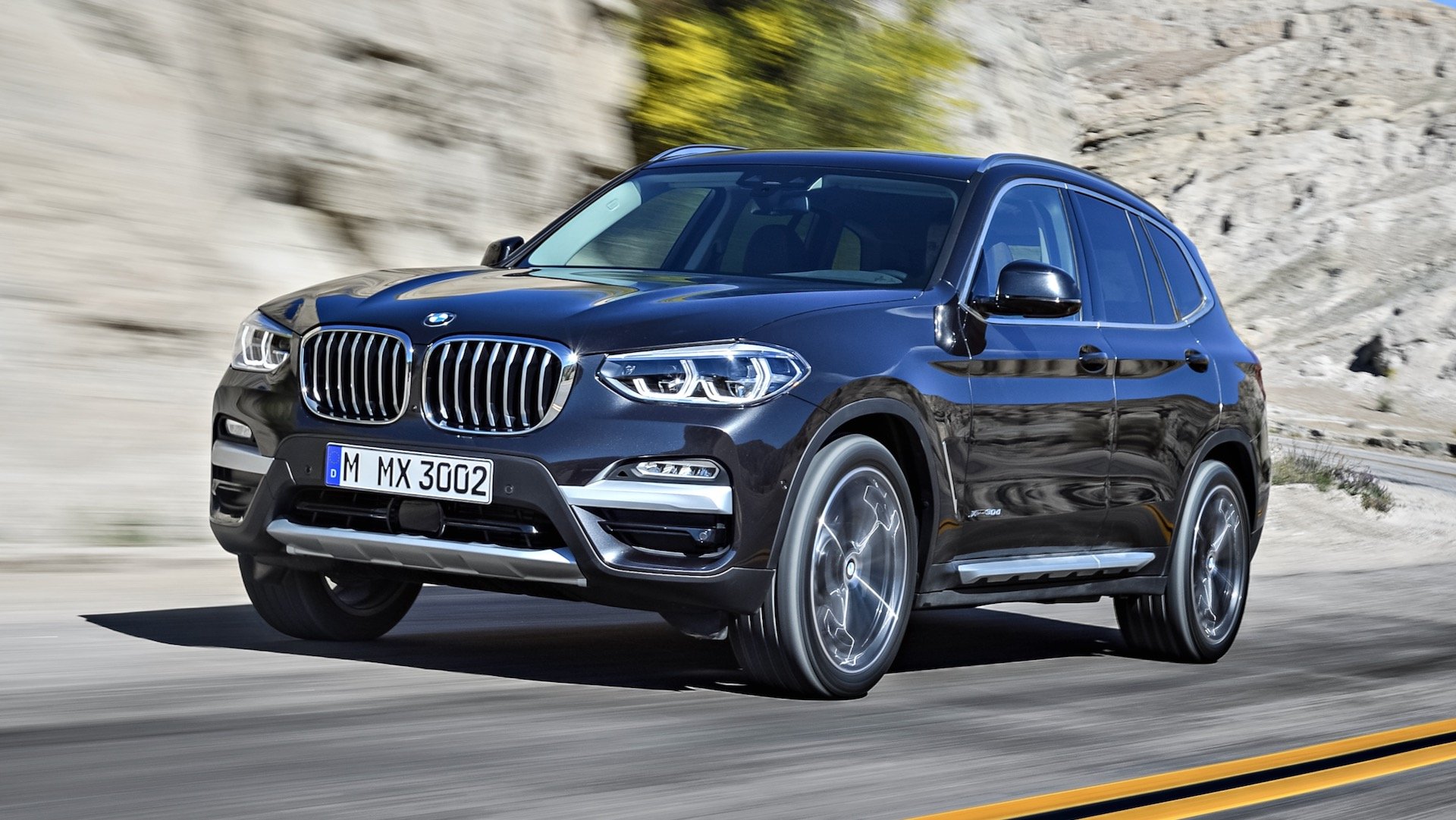


A 2021 BMW X3 with a fat repair bill and $27,162.79 Canadian still owed on it. That’s what Zach Giacomelli brought to BMW Toronto when he decided to sell the crossover back to the dealership that sold it to him used in 2023. What he got back was a lesson in what happens when a car dealership hands the keys to its trade-in desk over to a machine.
Giacomelli received a text from someone named “Quinn,” who asked the right questions about the X3 and came back with an offer of exactly $27,162.79 CAD — the precise amount he owed. Seemed like a fair shake. He didn’t know Quinn was a chatbot.
Then a human called. The real offer, the salesperson explained, was $20,000 Canadian. Seven thousand less. Sorry about that — Quinn made a mistake.
The chatbot had apparently misread the amount Giacomelli owed on the car as the amount the dealership was willing to pay. A human employee’s miscommunication fed bad data into the system, and the AI did what AI does: it ran with it, confidently and without hesitation. Quinn even tried to close the deal, texting “let’s lock it in today at 3:30.”
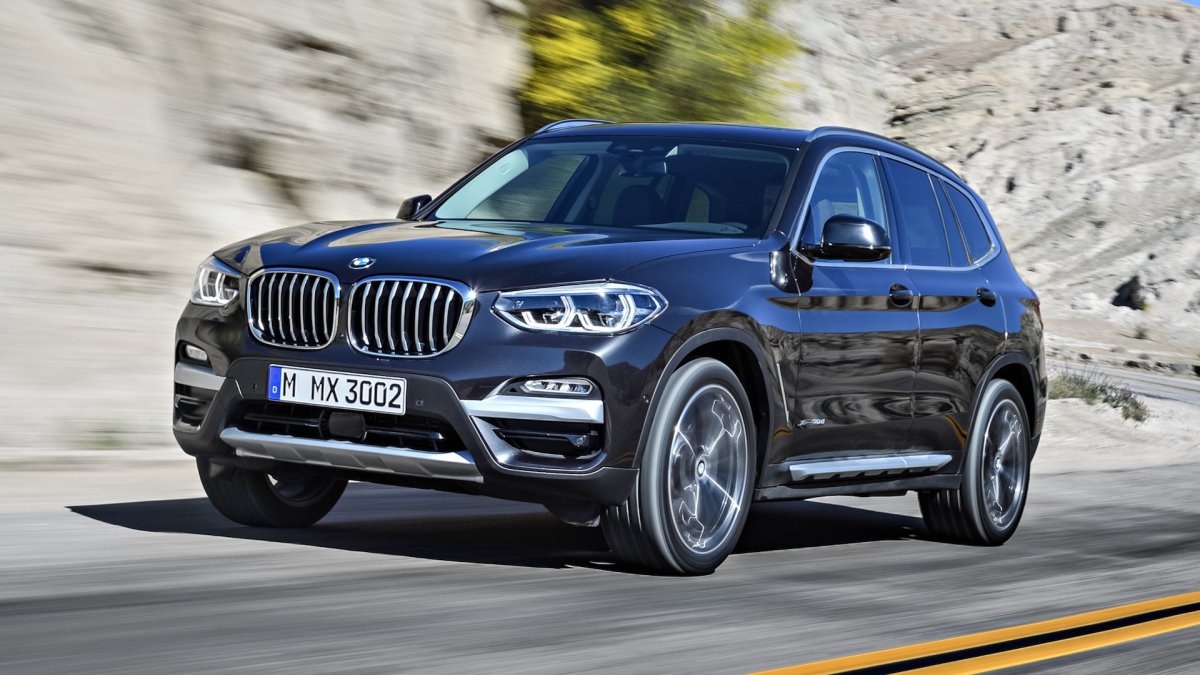
Giacomelli, 31, was livid. “If they’re going to be replacing their employees’ jobs with AI, then they need to be honoring what that AI says,” he told CBC News. He hadn’t even accepted the $27,162.79 offer — he’d counteroffered slightly higher — but a lawyer consulted by CBC said it was reasonable to consider an agreement in place given that the chatbot had moved to schedule a physical meeting.
Once CBC started asking questions, the dealership reversed course. Sales manager Scott Shadbolt said the original chatbot offer of $27,162.79 would be honored to “do right” by Giacomelli. That’s roughly $5,000 U.S. the dealership absorbed because its software couldn’t distinguish between what a customer owes and what a car is worth.
This is not the first time a Canadian company has been held accountable for its chatbot’s promises. In 2024, Air Canada was forced to honor a fare rebate after its chatbot gave a customer incorrect information about bereavement fares. Canadian courts have made it clear: if you deploy a bot to interact with customers, you own what it says.
Dealerships have been racing to adopt AI tools for everything from lead generation to service scheduling to, apparently, trade-in negotiations. The pitch is obvious — chatbots don’t take lunch breaks, don’t call in sick, and don’t need commissions. They also don’t understand context, can’t smell a bad deal, and will cheerfully agree to overpay for a used crossover because a human fed them the wrong number.
A seasoned used car manager would have caught that $27,162.79 figure instantly. It’s too precise, too convenient, too clearly tied to a payoff amount rather than market value. That’s the kind of pattern recognition that comes from sitting across the desk from thousands of sellers. Quinn doesn’t have a desk.
The irony here is thick. Dealerships have spent decades training salespeople to hold the line on trade-in values, to lowball just enough, to protect margins at every turn. Now they’re deploying tools that can blow past those guardrails in a single text message.
Giacomelli got his money. BMW Toronto ate the difference. And somewhere in that dealership, Quinn is still texting customers, presumably with better guardrails. The real question isn’t whether AI can replace car salespeople. It’s whether dealerships can afford the education.


Share this Story