



General Motors is now making sodium-ion batteries for data centers and solar farms. Not for cars. For the electrical grid.
The company that wrote down $6 billion in EV investments just two years ago is pivoting hard into stationary energy storage, declaring itself something more than an automaker.
The sodium-ion chemistry is the tell. It lacks the energy density to power a vehicle, but it works efficiently across wide temperature ranges and uses cheap, abundant materials. GM sees a massive market in grid-scale storage, backing up data centers, buffering renewable energy installations, smoothing out the increasingly fragile American power grid.
Production is already underway with an outside supplier. GM expects to manufacture its own cells by 2028.
This sits alongside an expanding portfolio of battery chemistries coming out of GM’s Warren, Michigan lab. NMC powers current EVs. LMR arrives later this year. LFP will go into cheaper models.
Now sodium-ion handles everything that doesn’t have wheels. GM wants to be the company that picks the right chemistry for every application rather than forcing one solution across the board.
Sterling Anderson, GM’s Chief Product Officer, frames the company’s vehicles as “the most useful, most complex robot most of us will ever own.” He’s talking about onboard compute and bidirectional energy flow, not just autonomy. Every new GM EV currently on sale can push power back to the grid.
GM Energy’s vehicle-to-home hardware just went grid-enabled through a firmware update. By 2030, GM and PG&E project some 53,000 EVs feeding electricity back into Northern California’s notoriously unreliable grid. Fifty-three thousand cars acting as distributed power plants — that’s a utility play dressed in sheet metal.
The ambition is real. So is the baggage. GM gutted its own EV momentum with that $6 billion write-down and has nothing credible to offer in the hybrid segment while Toyota and Hyundai drown dealers in electrified options.
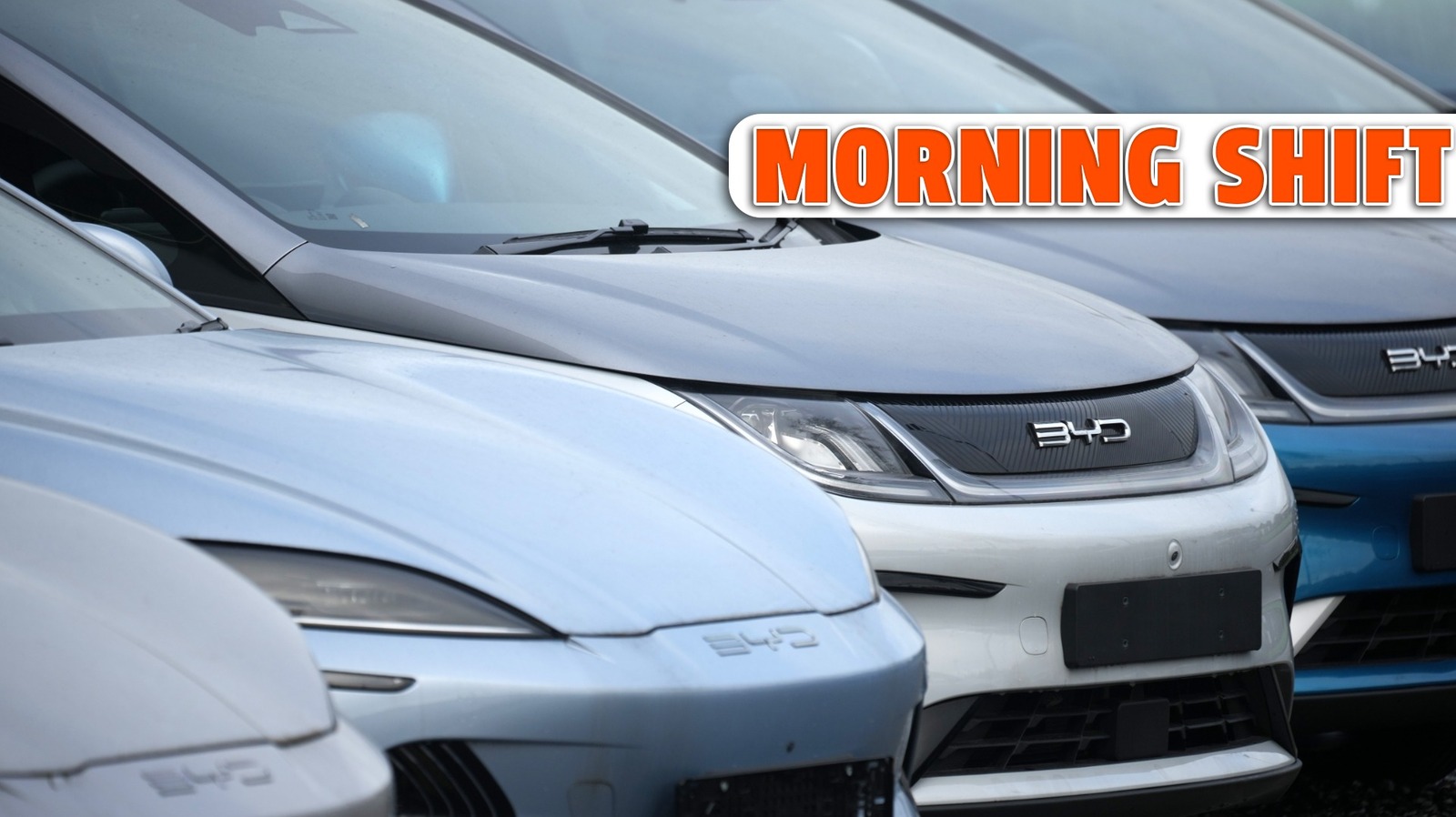
Chinese automakers are accelerating on EVs, charging infrastructure, and battery technology at a pace that makes Detroit look sedated. GM got caught looking the wrong direction once already this decade.
Now it wants to leapfrog past the current fight entirely. If energy storage becomes as important as the vehicle itself — and every trend line in AI infrastructure, renewable adoption, and grid instability says it will — then GM is positioning itself where the money flows next. Partnerships with companies like Redwood Materials for battery recycling and supply chain integration give the strategy some industrial backbone.
But pivoting to an “energy company” identity requires execution GM hasn’t consistently demonstrated in the electric era. The Ultium rollout was rocky. Software quality lagged. Dealer networks struggled with EV education.
Saying you’re an energy company and actually delivering grid-scale sodium-ion storage at competitive pricing are two very different things.
The Chinese already build sodium-ion batteries. CATL has been shipping them since 2023. GM isn’t first here — it’s trying not to be last.
What separates this from the usual corporate reinvention theater is specificity. GM named the chemistry, the timeline, the partners, and the application. It flew journalists to San Francisco to meet the energy team, not the car designers.
That’s a company spending real political capital inside its own walls to redirect attention away from vehicles and toward kilowatt-hours.
General Motors is placing a second bet while its first one — electric vehicles — still hasn’t fully paid off. Whether that’s visionary or reckless depends entirely on whether the company can build batteries as well as it builds Silverados.


Share this Story