
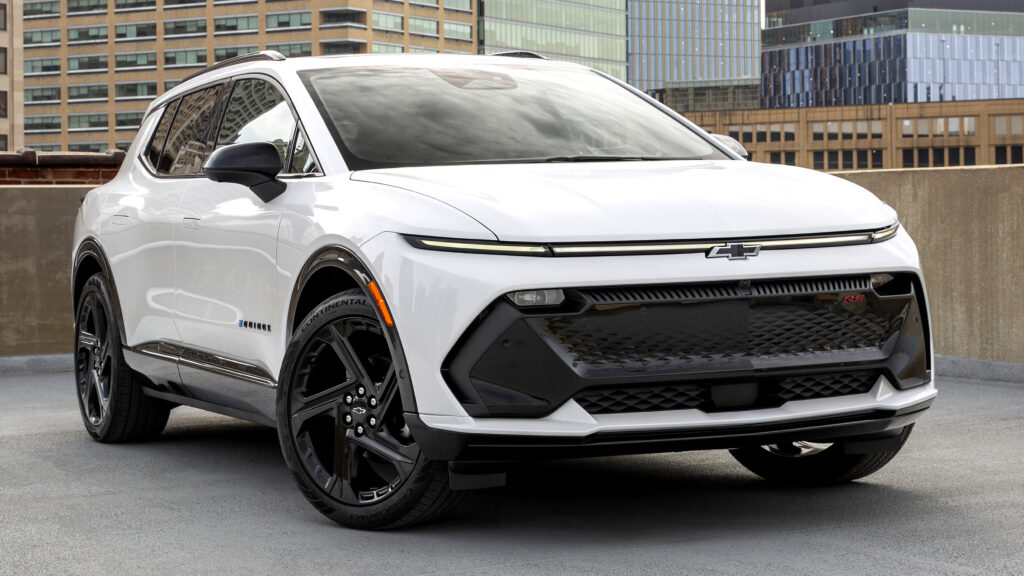


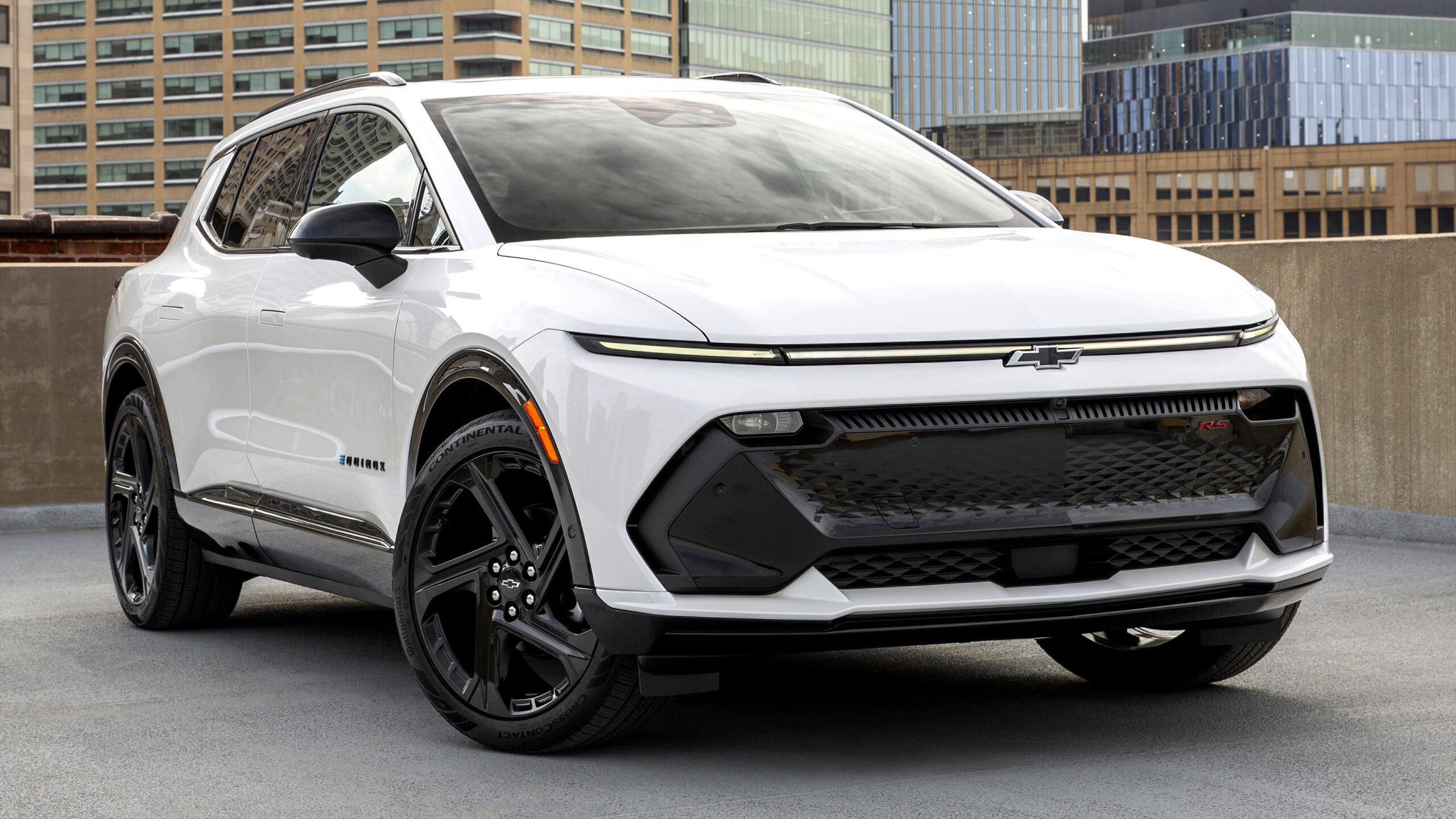
Natalina Recine’s Chevrolet Equinox EV stopped dead at 100 km/h on a Quebec highway. That was just one entry in a 16-month catalog of failures that started three days after she drove the car off the lot in December 2024.
The battery wouldn’t charge. Sensors malfunctioned. The car was involved in a collision Recine attributes to those same sensors failing to detect another vehicle. Then came a month-long wait for parts, two unresolved claims filed with GM, a dead internet connection, broken wipers, and a phantom error message insisting the charge port door was open when it wasn’t.
Quebec passed Canada’s first lemon law at the end of 2023, a piece of consumer protection legislation that was supposed to give buyers like Recine a real path to relief. On paper, it looked like progress. In practice, it’s looking more like a decorative shield.
The law defines a lemon clearly enough: a defect unresolved after three repair attempts, or 12 attempts at fixing unrelated problems, or 30 cumulative days in the shop, excluding time spent waiting for backordered parts. Recine’s Equinox EV qualified under the unrelated-issues threshold. Qualifying, however, is where the easy part ends.
George Iny, president of the Automobile Protection Association, put it bluntly. Automakers and dealers show up to court with legal teams. Owners show up alone.
“The customer really is on their own,” Iny told CTV News. He estimates that pursuing a lemon law claim through the courts costs consumers between $15,000 and $50,000, depending on the lawyer and how hard the manufacturer fights back. That’s a staggering number for someone who just wants a working car.
It also negates the law for anyone who can’t bankroll a legal fight worth roughly the value of the defective vehicle itself. Recine wanted out of the deal early. She was told canceling the sale would mean forfeiting her EV rebate.
So she stayed trapped in a loop of dealership visits and unanswered complaints until she did the one thing that actually moved the needle. She went to the media.
GM offered to buy the car back for $51,000. Recine used the money to purchase a Cadillac Lyriq. She’s convinced the buyback only happened because cameras got involved.
“They only decided to wake up once they understood that I was serious,” she said. The timing of this story is hard to ignore. A 2024 Consumer Reports survey found that electric vehicles have 42 percent more problems on average than their gas-powered counterparts, based on reliability data spanning three model years.
As EV adoption accelerates across Canada, the pool of potential lemon law claimants is growing, and the legislation meant to protect them is already showing cracks. Quebec deserves credit for going first. No other Canadian province has anything comparable.
But a consumer protection law that requires five figures in legal fees to enforce isn’t really consumer protection. It’s a suggestion with paperwork.
The law’s thresholds, three years, 60,000 kilometers, specific repair-count triggers, are reasonable on their face. The problem isn’t the criteria. It’s the enforcement mechanism, which deposits individual buyers into a courtroom arena where the other side has deeper pockets and no particular incentive to settle quickly.
Recine got her resolution because a news crew showed up, not because the system worked. For every owner who knows how to make noise, there are dozens who quietly absorb the loss, trade in the car at a hit, and move on. That’s the gap Quebec’s law was supposed to close, and sixteen months into one woman’s ordeal, it’s clear the gap is still wide open.




Share this Story