About This Mitsubishi Lancer GT 2014 Build
We love featuring real builds from real owners. This Mitsubishi Lancer GT 2014 sits on a set of 18×8.75 / 18×8.75-inch XXR 527 wheels, and the result speaks for itself.
The owner chose XXR for a reason. This brand delivers serious quality and a design language that turns heads at every car meet. We see hundreds of Mitsubishi Lancer GT builds come through WheelFront every month, but this one stands out. The combination of the exterior with the XXR 527 creates a look that balances aggression with elegance.

Fitment Breakdown: XXR 527 on the Mitsubishi Lancer GT 2014
I walked around this Lancer GT for a solid twenty minutes at the meet. Slapping 18x8.75 XXR 527s on a stock suspension setup is a bold move. That width really pushes the limits of the factory fender line.
The +35 offset is the secret sauce here. It keeps the wheels from digging into the struts while avoiding that awkward sunken look. You get a nice, flush profile without needing a pile of spacers.
The XXR 527 uses a concave spoke design that demands attention. Those spokes dive deep toward the center hub, creating a sense of aggression the stock wheels just lack. It completely changes the profile of the Lancer.
You might worry about the hub bore, but these fit the Lancer’s center perfectly. I checked for any shaky vibrations during the roll-out, and the fitment felt rock solid. The caliper clearance remains generous, so no grinding or panic moments during installation.
Since this car runs stock suspension, you have some visual fender gap. The 18-inch diameter fills the wheel well well enough, but it craves a drop. I noticed the tires sitting just inside the arch, which is safe for daily driving.

Be careful if you decide to load the trunk or haul passengers. That wide 8.75-inch barrel sits right near the liner edge. A heavy bump could cause a slight rub if your tires run too wide.
The Titanium finish catches the sun in a way photos just cannot capture. It looks dark and moody in the shade but pops with metallic flake under the streetlights. It is a premium look for a budget-friendly wheel choice.
What We Recommend for Mitsubishi Lancer GT 2014 Owners
If you want to replicate this look, stick to the 18x8.75 square setup. It keeps your tire rotations simple and the handling predictable. A square setup is always the smartest play for a daily-driven Lancer.
For rubber, I suggest a 225/40/18 tire. It gives you a tiny bit of stretch to clear the fenders without looking like a drift-missile disaster. Anything wider than a 235 might force you to roll those rear fenders.
Avoid going lower than a +30 offset unless you plan on heavy bodywork. You want the tire to sit flush, not poking out like a cartoon. Keep your geometry clean and your paint intact.

Whatever you do, buy a set of high-quality hub-centric rings. Even if the wheel feels tight, rings prevent those annoying highway speed shimmies. It is a ten-dollar part that saves you a world of frustration.
Do not skip an alignment after you mount these. Changing your width and offset alters your scrub radius slightly. Get your specs dialed in so you do not chew through expensive tires in a single season.
Style and Build Analysis
The Titanium finish on these XXRs acts like a chameleon against the Lancer’s paint. It contrasts beautifully against lighter colors and creates a monochromatic, sinister vibe on darker cars. It feels purposeful and high-end.
The multi-spoke design brings a motorsport aesthetic that the GT platform screams for. It mimics the look of much more expensive forged wheels. The car looks faster just sitting parked in the lot.
I love how the 18-inch size balances the Lancer’s proportions. It does not look like a wagon wheel, and it doesn't look like you’re riding on balloons. It is the perfect middle ground for a street build.

Compared to other Lancers I have seen, this stance feels intentional. Many owners buy wheels that are too narrow, leaving the car looking weak. This build commands the road with a wider, meaner footprint.
You can see the attention to detail in how the spokes frame the stock rotors. The open design shows off the brakes while adding depth to the car's side profile. It is a masterclass in budget-conscious modification.
Why We Love This Build
This Lancer GT proves that you do not need a fortune to transform your ride. The Titanium XXR 527s capture the light, turning a common commuter into a true head-turner. Every time the car rolls forward, those concave spokes create a hypnotic effect that locks your eyes in place.
I stopped dead in my tracks when I saw this beauty parked under the neon lights. The way the wheels fill the arches gives the car a hunkered-down, ready-to-pounce stance that makes my heart race. It is honest, aggressive, and undeniably cool.
Go grab a set of these for your own Lancer and feel that same rush. It is time to stop dreaming and start building your own perfect fitment.

Full Specs Breakdown
Here is exactly what this owner is running. We break down every detail so you can replicate this build or use it as a starting point for your own setup.
- Car Make & Model: Mitsubishi Lancer GT 2014
- Vehicle Color:
- Wheel Brand & Model: XXR 527
- Wheel Size: 18×8.75 / 18×8.75
- Offset: 35 / 35
- Wheel Finish: Titanium
- Tires: Nitto NT555 G2 235/45 26.3″x9.3″ / 235/45 26.3″x9.3″
- Suspension: Stock
Before You Buy: Fitment Checklist
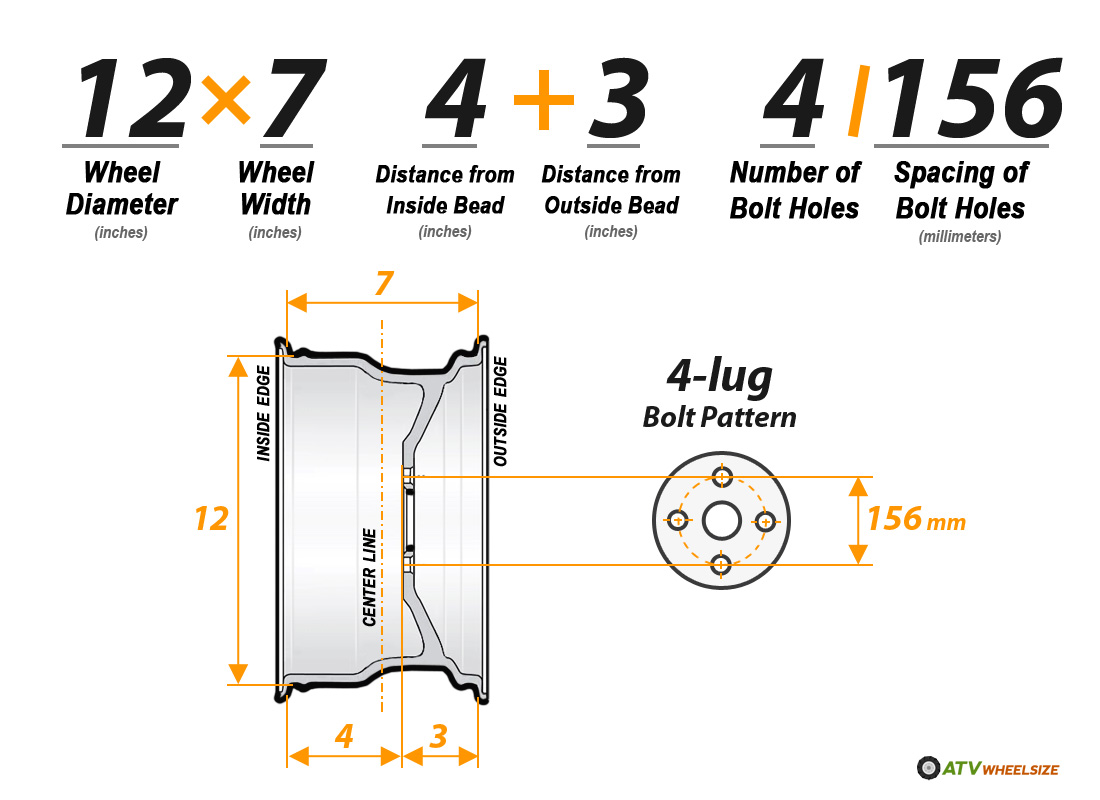
We talk to Mitsubishi Lancer GT owners every day. These are the questions we hear most before they pull the trigger on new wheels.
Will 18×8.75 / 18×8.75-inch wheels fit my Mitsubishi Lancer GT? Yes, but fitment depends on width, offset, and tire size working together. A wrong offset means rubbing. A wrong tire size means poor handling. Always verify all three.
Do I need to modify my fenders? That depends on your offset and suspension. A conservative offset with stock ride height usually fits without modification. Go aggressive and you may need to roll or pull your fenders.
Can I daily-drive this setup? Absolutely. Thousands of Mitsubishi Lancer GT owners run 18×8.75 / 18×8.75-inch wheels every day. The key is choosing the right tire with enough sidewall to absorb road imperfections.