About This Mercedes-Benz CLS C257 Build
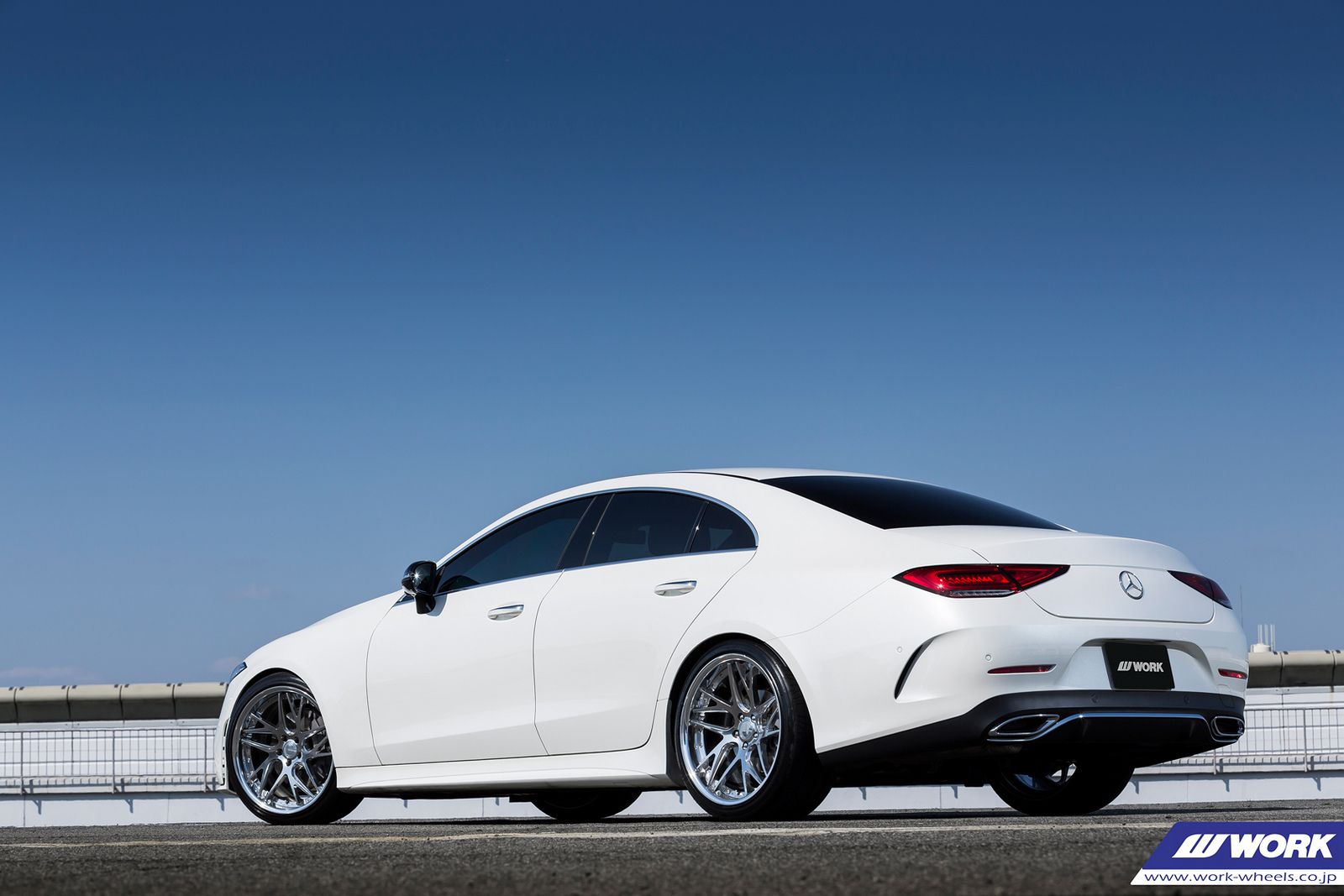
We love featuring real builds from real owners. This White Mercedes-Benz CLS C257 sits on a set of 20×9.5 and 20×10.5-inch Work Gnosis CVX wheels, and the result speaks for itself.
The owner chose Work for a reason. This brand delivers serious quality and a design language that turns heads at every car meet. We see hundreds of Mercedes-Benz CLS builds come through WheelFront every month, but this one stands out. The combination of the White exterior with the Work Gnosis CVX creates a look that balances aggression with elegance.
Fitment Breakdown: Work Gnosis CVX on the Mercedes-Benz CLS C257
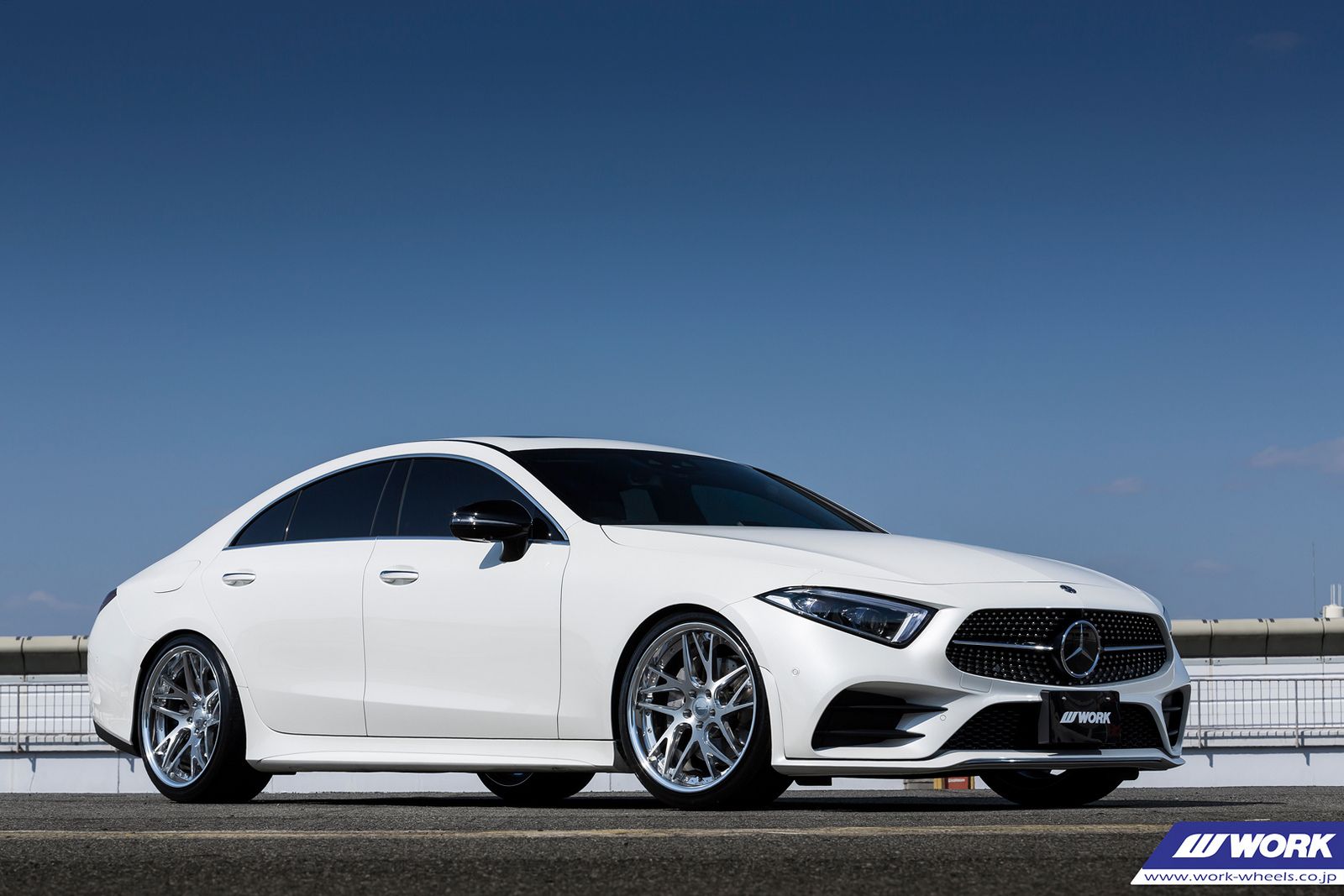
I walked around this CLS for twenty minutes just to soak in the stance. Running a 20x9.5 up front and a 20x10.5 out back gives this Benz the aggressive footprint it deserves. The offsets of +27mm and +29mm push these wheels perfectly flush with the factory fenders. You get that wide, planted look without looking like a track-day disaster.
Clearing those massive Mercedes brakes is always a headache on the C257 platform. Luckily, the Gnosis CVX design provides enough barrel clearance to keep the calipers happy. We checked the hub bore alignment and everything sits dead-on for a vibration-free ride. You do not want hub rings if you can avoid them.
The fender gaps look tight thanks to the air suspension settings this owner dialed in. We noticed the rear tires tuck just slightly when the car airs out completely. If you run this static, you need to watch your camber specs or you will chew up those rear quarters. The geometry here is aggressive, but it stays within the lines of sanity.
Look at the barrel depth on that rear wheel. The 10.5-inch width allows for a deep, stepped lip that pulls your eyes straight to the rear axle. It gives the car a muscular, rear-wheel-drive aesthetic that the stock wheels just cannot touch. The spoke geometry extends right to the edge, making the 20-inch diameter feel even larger.
You need to be careful with your tire selection on this specific offset. If you go too meaty with the sidewall, you will experience rubbing on the inner fender liners. We recommend a slight stretch to keep the shoulder of the tire tucked inside the metal. This ensures you can drive hard without tearing up your paint.
We tested the turning radius on full lock, and it remains clear of the front liners. The +27mm offset keeps the scrub radius manageable and preserves the steering feel. Everything about this fitment signals precision engineering rather than just slapping parts on. It is a masterclass in how to build a modern executive sedan.
What We Recommend for Mercedes-Benz CLS C257 Owners
Do not try to force a square setup on this car. The C257 platform needs that staggered width to maintain traction and handle the torque. Stick to the 9.5 and 10.5 width ratio if you want the best possible handling characteristics. Anything wider than that just creates unnecessary headache for your fenders.
When you pick your offsets, remember that the CLS has wider arches than a standard C-Class. Use the +27 to +30 range to keep the wheels flush without requiring massive fender mods. If you go lower than +25, you are asking for trouble with the suspension geometry. We have seen too many owners ruin their fenders trying to chase that extra millimeter.
Choose your tire compound wisely to match the weight of this chassis. A high-performance summer tire with a squared-off shoulder looks best, but it leaves you less room for error. If you plan on driving on rough roads, consider a slightly narrower tire to give the rim a bit of protection. We always prefer a mild stretch to keep the profile sleek and clean.
Avoid cheap spacers at all costs on a premium build like this. If you need to dial in the fitment, do it right by ordering the correct offset from the factory. Spacers introduce potential for wheel wobble and uneven wear that you just do not want on a Benz. Get the sizing correct at the point of purchase and save yourself the stress.
Finally, always account for your drop before you order your wheels. If you are on bags, you can tuck more, but you need to check your clearance when the car sits at drive height. If you are on lowering springs, stick to the conservative side of our recommended offsets. Get it right the first time and your car will thank you for years.
Style and Build Analysis
That Buff finish, or PP2 in Work terms, looks absolutely killer against the crisp white paint. It has this brushed, metallic luster that catches the light differently from every angle. It does not blind you like chrome, but it grabs your attention way more than a boring silver finish. The contrast creates a sophisticated, high-end vibe that perfectly suits the CLS.
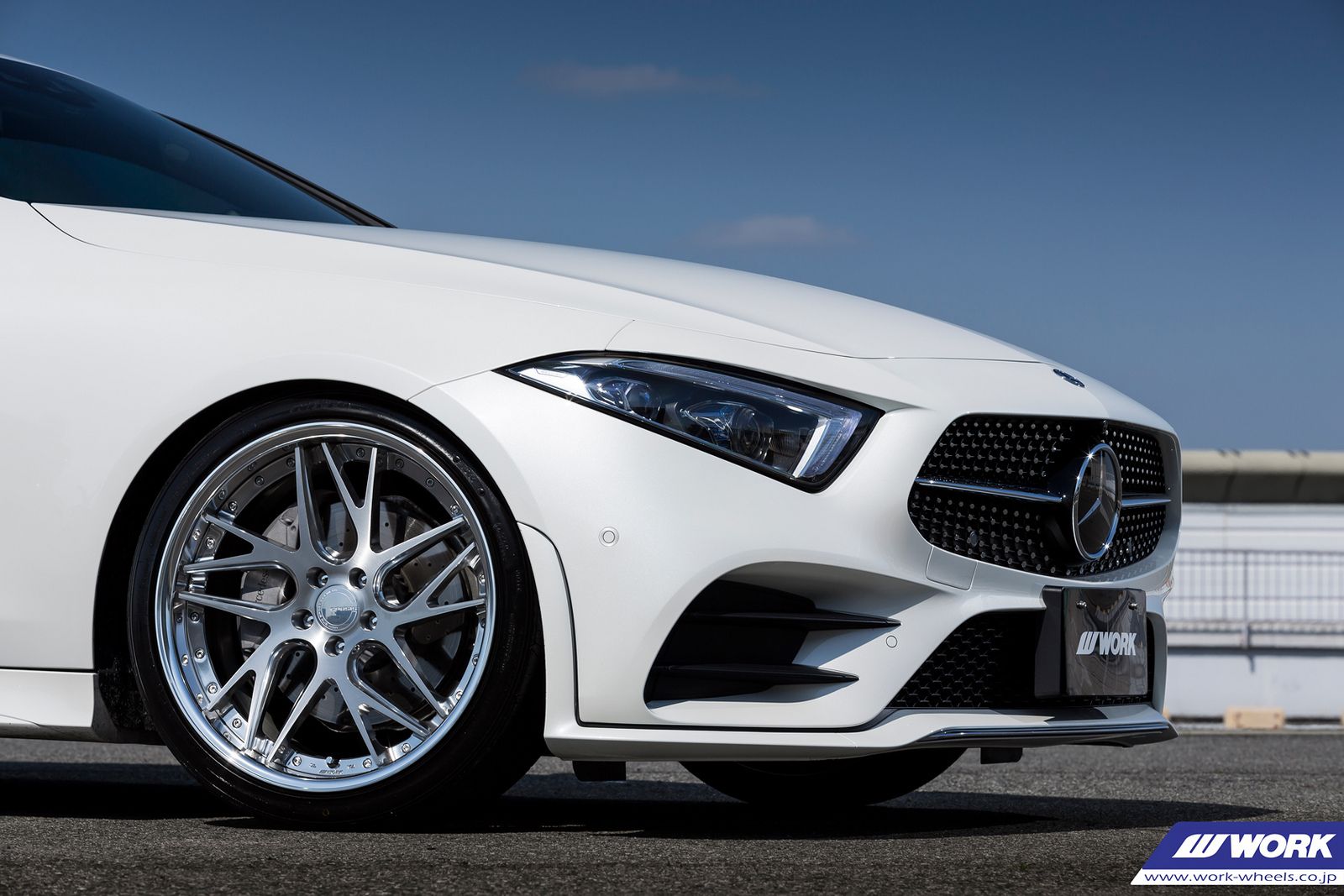
The CVX spoke design carries a classic elegance that fits the Mercedes language. Mercedes-Benz designs are fluid and curvy, so the multi-spoke Gnosis design provides a nice technical counterpoint. It looks like something the factory should have offered as a high-tier performance option. The proportions are spot on for the long, swooping lines of the C257.
I see a lot of builds that just throw on oversized wheels that look like cartwheels. This car manages to keep the rolling mass feeling grounded and deliberate. The wheels fill the arches just enough to communicate that the car means business without trying too hard. It strikes that perfect balance between luxury cruiser and street-fighting sedan.
The visual weight of the car is distributed perfectly across the four corners. When the light hits the buffed aluminum, it draws the eye straight to the center of the car. It makes the white body look wider, flatter, and more aggressive than it does in stock trim. You cannot fake that kind of presence, no matter how much you spend.
Other builds we feature often go for black or gunmetal wheels, which just disappear into the shadows. Using this lighter, metallic finish makes the design details of the Gnosis wheels pop. It shows you put effort into selecting a finish that works with the car, not just against it. It is a cohesive, intentional look that separates this build from the crowd.
Why We Love This Build
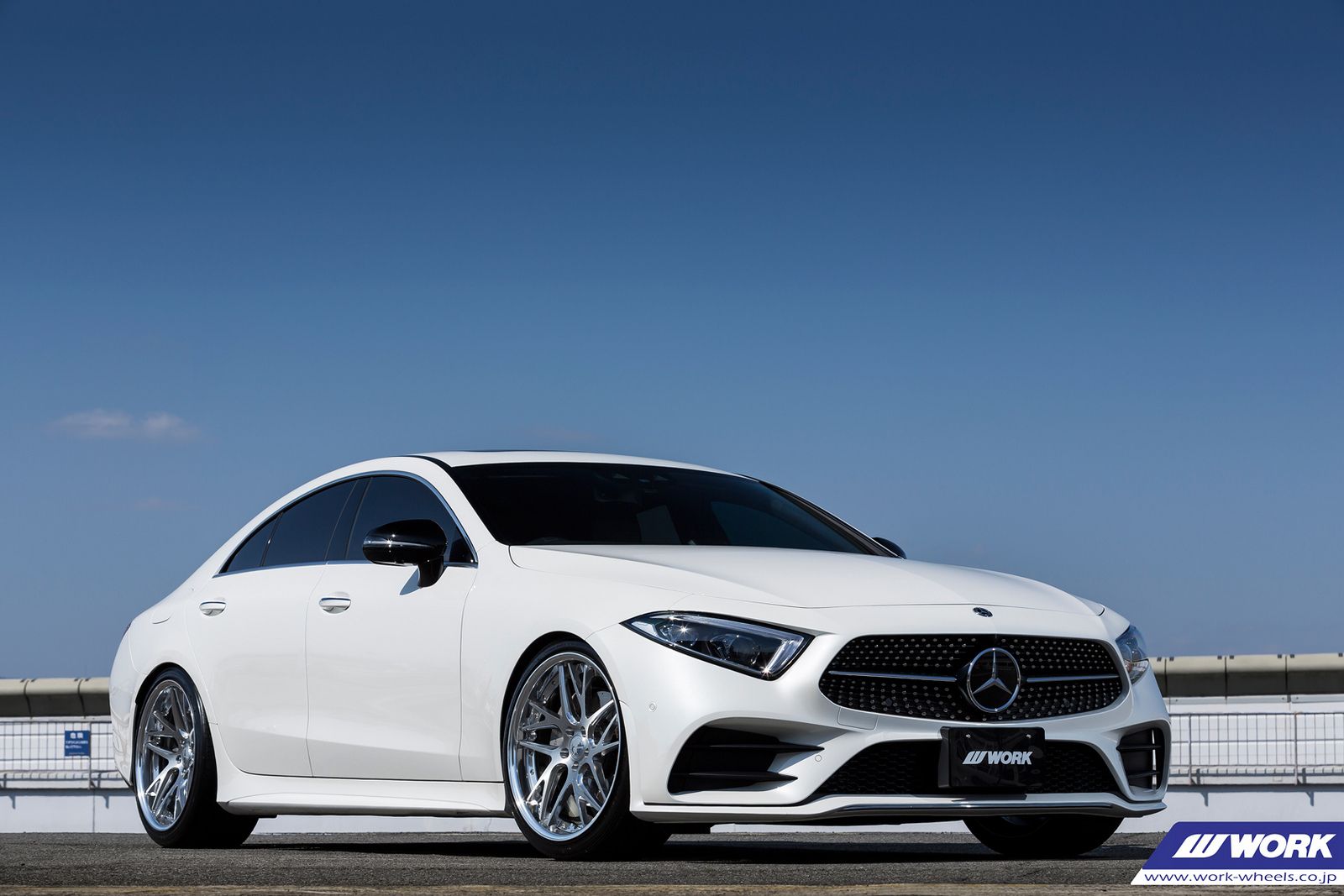
This CLS proves that you do not need over-the-top body kits to own the road. The simplicity of the white paint combined with the industrial, metallic glow of the Buff finish wheels is pure perfection. Every time the car rolls forward, the spokes catch the sunlight and create this hypnotic, shifting texture that defines the whole build.
We see thousands of cars, but this one stops us because it feels finished and complete. It respects the original luxury DNA of the Mercedes while adding just enough edge to make it stand out. You feel the quality of the Work wheels when you look at how the light plays on the centers.
This is exactly how a German sedan should look when it hits the streets. It is classy, aggressive, and undeniably fast, even when it is standing still. Stop dreaming about your fitment and get your specs dialed in just like this.
Full Specs Breakdown
Here is exactly what this owner is running. We break down every detail so you can replicate this build or use it as a starting point for your own setup.
- Car Make & Model: Mercedes-Benz CLS C257
- Vehicle Color: White
- Wheel Brand & Model: Work Gnosis CVX
- Wheel Size: 20×9.5 and 20×10.5
- Offset: +27mm and +29mm
- Wheel Finish: Buff finish (PP2)
Additional Build Info:
A Disk (front) and W disk (rear)
Before You Buy: Fitment Checklist
We talk to Mercedes-Benz CLS owners every day. These are the questions we hear most before they pull the trigger on new wheels.
Will 20×9.5 and 20×10.5-inch wheels fit my Mercedes-Benz CLS? Yes, but fitment depends on width, offset, and tire size working together. A wrong offset means rubbing. A wrong tire size means poor handling. Always verify all three.
Do I need to modify my fenders? That depends on your offset and suspension. A conservative offset with stock ride height usually fits without modification. Go aggressive and you may need to roll or pull your fenders.
Can I daily-drive this setup? Absolutely. Thousands of Mercedes-Benz CLS owners run 20×9.5 and 20×10.5-inch wheels every day. The key is choosing the right tire with enough sidewall to absorb road imperfections.