About This Honda Civic DX 1997 Build
We love featuring real builds from real owners. This Honda Civic DX 1997 sits on a set of 15×7 / 15×7-inch Enkei RPF1 wheels, and the result speaks for itself.
The owner chose Enkei for a reason. This brand delivers serious quality and a design language that turns heads at every car meet. We see hundreds of Honda Civic DX builds come through WheelFront every month, but this one stands out. The combination of the exterior with the Enkei RPF1 creates a look that balances aggression with elegance.

Fitment Breakdown: Enkei RPF1 on the Honda Civic DX 1997
I walked around this EK Civic for twenty minutes straight. The 15x7 Enkei RPF1 setup is the gold standard for a reason. It fits this chassis like a glove.
The +38 offset pulls the wheels perfectly flush with those skinny factory fenders. You get just enough poke to look aggressive without needing a hammer for the arches. It is the definition of functional form.
Those RPF1s clear the tiny DX calipers with miles to spare. You will never worry about spoke interference here. The design breathes well and keeps the brake temps down during a canyon run.
The hub bore on these wheels matches the Honda pattern perfectly. We avoid annoying vibration issues that plague cheap knock-offs. Bolt them on and forget about them.
That barrel lip depth remains shallow due to the +38 offset. It keeps the unsprung weight incredibly low though. The car turns into corners with telepathic precision.
Since this car sits on coilovers, the geometry holds tight. We avoid major rubbing even on big highway dips. You might need to watch the inner fender liners if you slam it lower than this.
These wheels look bigger than 15 inches because of the thin spoke design. They stretch to the outer edge of the rim. It is a visual trick that makes the car look way more expensive.
What We Recommend for Honda Civic DX 1997 Owners
Stick to the 15x7 size for a daily driver or track toy. It keeps the rotational mass low for that weak DX engine. You want to keep the car light.
The +35 to +40 offset range is your absolute sweet spot. Anything lower than +30 will force you to pull your fenders. That is a headache you do not need.
Do not even think about a staggered setup on this front-wheel-drive platform. Square is the only way to go for handling. It lets you rotate your tires to keep the tread fresh.
Avoid massive tire stretch if you value your rims. A 205/50/15 tire gives you a meaty look and protects the chrome finish. It fills the wheel well gap much better than a stretched 195.
Common mistakes usually involve buying heavy replica wheels. Don't do it. Stick with Enkei because their flow-forming process keeps the wheel strong and light.
Style and Build Analysis
The chrome finish on these RPF1s is a bold choice for a 90s econobox. It pops hard against the factory paint. It transforms a humble DX into a polished street machine.
Chrome usually looks tacky, but not on this classic Japanese design. The bright finish draws your eyes directly to the wheels. It makes the entire car look much more premium.
The stance sits low and purposeful on those coilovers. You see how the tire shoulder lines up with the fender edge. It is exactly what every EK owner dreams of achieving.
The RPF1 spokes look like they are constantly moving even at a standstill. That iconic race-inspired geometry never gets old. It honors the heritage of the Civic platform perfectly.
We see thousands of Civics, but this one stands out. Most people choose boring matte black. This chrome setup shows confidence and a clear vision for the build.
Why We Love This Build
This Civic hits different when the sun catches that chrome. The wheels reflect the asphalt and create a liquid motion effect on the street. It turns a boring commute into a high-end showcase.
Everything about this car feels deliberate and tight. The 15x7 wheels fill the arches with zero wasted space. It makes the car look fast even when parked at a local meet.
We love this build because it keeps the soul of the 90s alive. It proves that simple mods always win. Go grab a set and start your own transformation today.

Full Specs Breakdown
Here is exactly what this owner is running. We break down every detail so you can replicate this build or use it as a starting point for your own setup.
- Car Make & Model: Honda Civic DX 1997
- Vehicle Color:
- Wheel Brand & Model: Enkei RPF1
- Wheel Size: 15×7 / 15×7
- Offset: 38 / 38
- Wheel Finish: Chrome
- Tires: Kumho Solus TA31 185/55 23″x7.3″ / 185/55 23″x7.3″
- Suspension: Coilovers
Before You Buy: Fitment Checklist
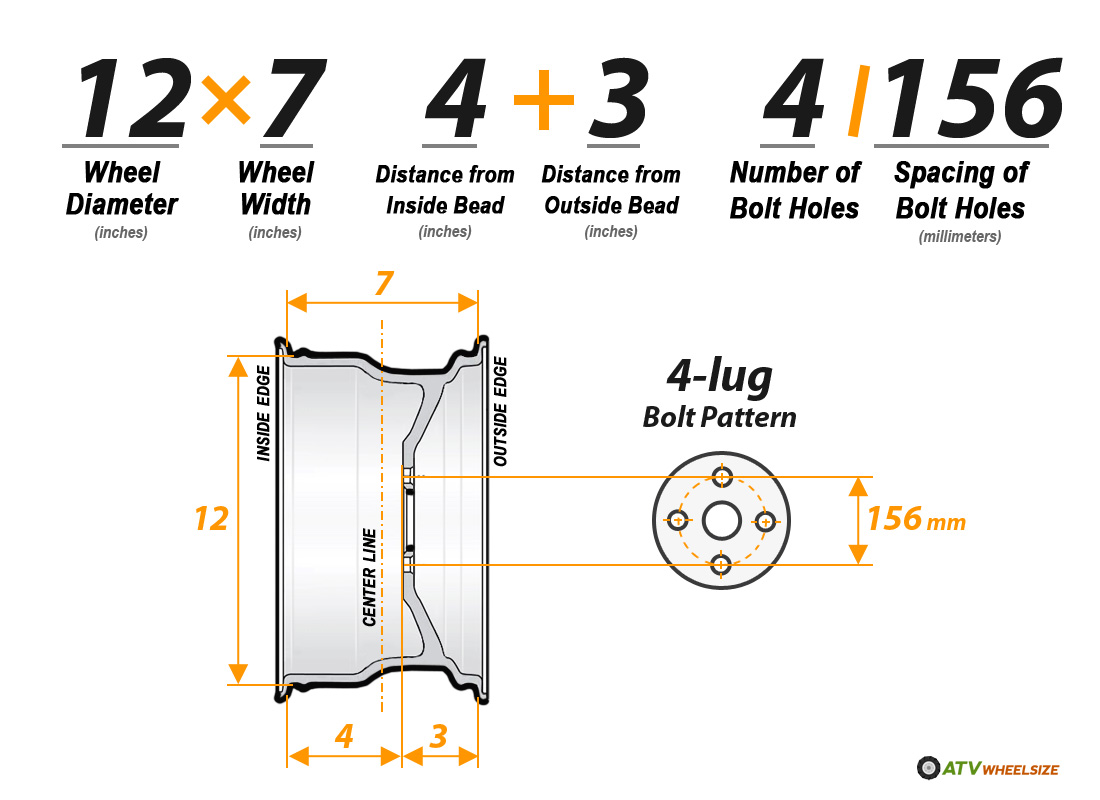
We talk to Honda Civic DX owners every day. These are the questions we hear most before they pull the trigger on new wheels.
Will 15×7 / 15×7-inch wheels fit my Honda Civic DX? Yes, but fitment depends on width, offset, and tire size working together. A wrong offset means rubbing. A wrong tire size means poor handling. Always verify all three.
Do I need to modify my fenders? That depends on your offset and suspension. A conservative offset with stock ride height usually fits without modification. Go aggressive and you may need to roll or pull your fenders.
Can I daily-drive this setup? Absolutely. Thousands of Honda Civic DX owners run 15×7 / 15×7-inch wheels every day. The key is choosing the right tire with enough sidewall to absorb road imperfections.