About This Chevrolet Corvette C8 Stingray Build
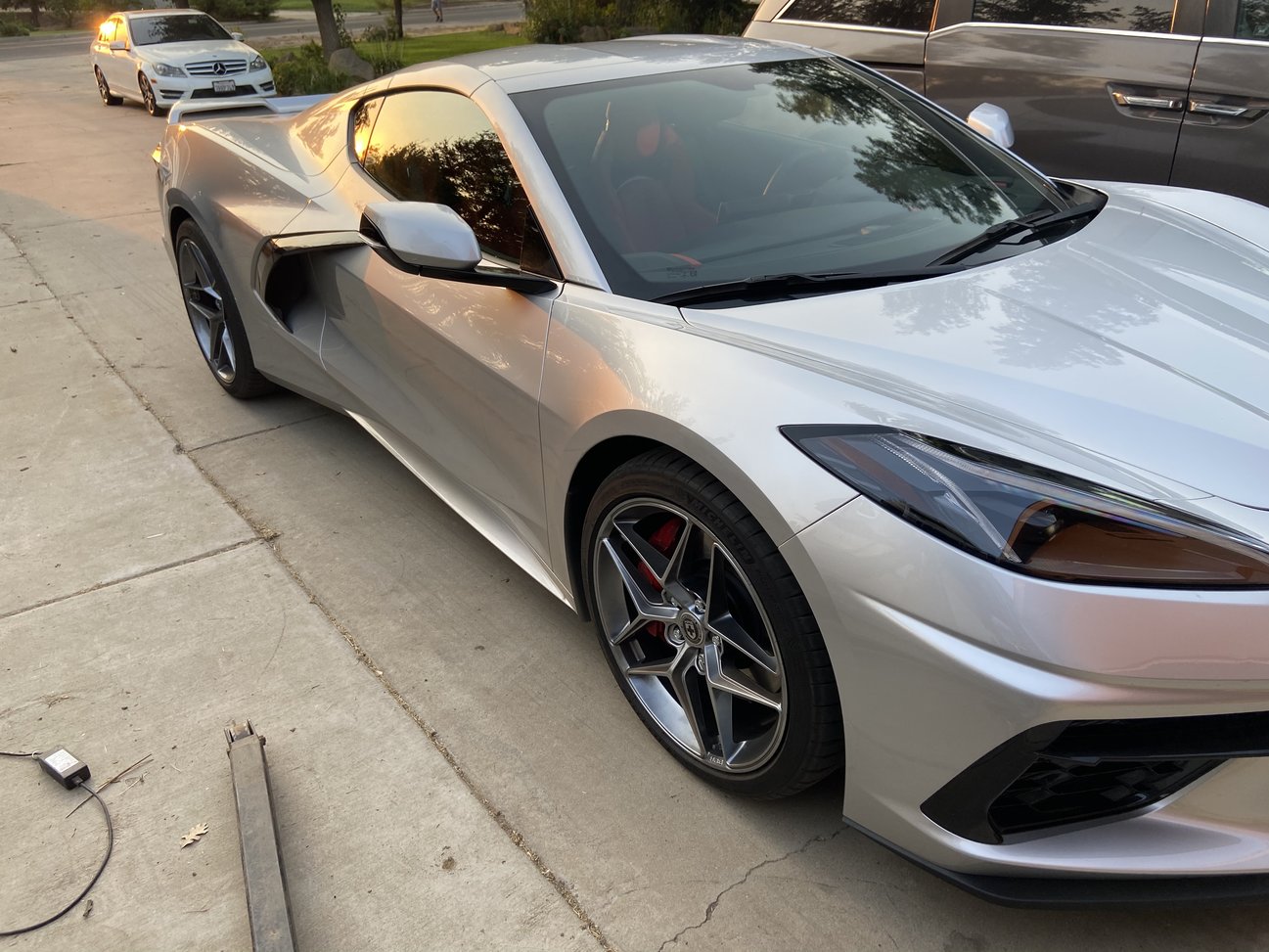
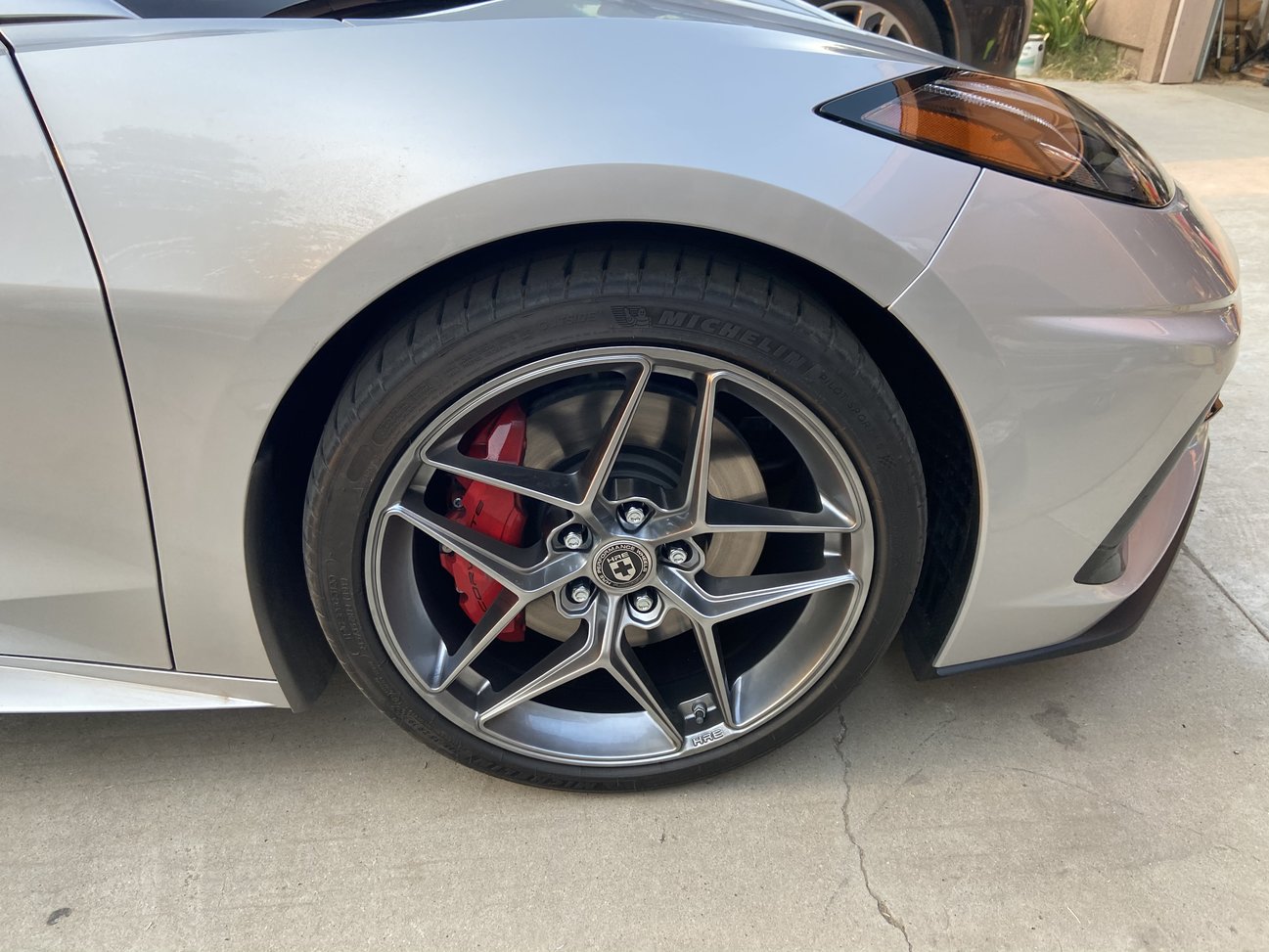
We love featuring real builds from real owners. This Silver Chevrolet Corvette C8 Stingray sits on a set of 19×9 and 20×11.5-inch HRE FF11 wheels, and the result speaks for itself.
The owner chose HRE for a reason. This brand delivers serious quality and a design language that turns heads at every car meet. We see hundreds of Chevrolet Corvette builds come through WheelFront every month, but this one stands out. The combination of the Silver exterior with the HRE FF11 creates a look that balances aggression with elegance.

Fitment Breakdown: HRE FF11 on the Chevrolet Corvette C8 Stingray
I walked around this C8 at the last meet and the HRE FF11 fitment absolutely blew me away. We see a lot of setups, but the 19x9 front and 20x11.5 rear configuration nails the factory geometry perfectly. It fills the arches without looking like a monster truck.
Those +45 front and +52 rear offsets push the wheels right to the edge of the fender. You get that flush look we all crave without needing any sketchy spacers. The stance is aggressive and intentional.
Clearance is a massive deal with the C8 calipers, but these flow-formed HREs clear them easily. You have plenty of breathing room behind those spokes. I checked the barrels and they hug the rotors just tight enough to look purposeful.
The hub bore sits perfectly on the Corvette hubs with no vibrations at high speeds. That is the beauty of choosing a high-end brand like HRE. You get precision engineering every single time.
I looked closely at the fender gap and the clearance is tight but safe. If you drop this thing on lowering collars, you might see a tiny bit of rub on full lock. Keep an eye on your inner liners if you go lower than stock.
The spoke design on the FF11 really draws your eye outward toward the lip. It creates an optical illusion that makes the wheel look even wider than the 11.5-inch rear spec. It is a masterclass in visual proportion.
This car sits on factory suspension, which keeps the geometry honest. The fitment works with the stock alignment settings perfectly. You do not need to butcher your suspension to make these wheels shine.
What We Recommend for Chevrolet Corvette C8 Stingray Owners
If you want a setup that actually performs, stick to the 19/20 staggered combo. Mixing wheel sizes is mandatory for the C8 computer systems and traction control. Deviate from these ratios and you will trigger every warning light on your dash.
For offsets, keep your numbers close to the +45 and +52 mark. Going any lower pushes the wheels past the fender, which ruins the paint with road debris. We have tested this range and it hits the sweet spot every time.
Do not even think about a square setup on this platform. The C8 needs that massive rear contact patch to put the power down. A square setup will turn your mid-engine beast into a drift car you cannot control.
When you pick tires, go for a sticky compound that fills out the sidewall. You want a meaty look, not a stretched tire that exposes your expensive rims to curb rash. A 325-width rear tire is the absolute gold standard here.
Avoid cheap spacers at all costs. If you buy the right offset initially, you never have to worry about broken studs or wobble. Do it once and do it right with a high-quality wheel.
Style and Build Analysis
The Liquid Metal finish against the Silver paint is a study in monochromatic perfection. It is not too flashy, yet it catches the sun in a way that makes the car look liquid. You can see every detail of the wheel design even in the shade.
The HRE FF11 has a split-spoke design that echoes the tech-heavy look of the C8. It looks like it belongs on a race track, not just a parking lot. It turns the stock Stingray into something that looks like an exotic supercar.
I love how the silver-on-silver theme cleans up the visual profile of the car. It lets the lines of the Corvette bodywork do the talking. The wheels act like jewelry instead of a distraction.
This car holds its own against any build we have featured lately. It manages to look refined while screaming for attention. The proportions are balanced, clean, and incredibly intentional.
The road presence is undeniable when this thing rolls down the strip. It has a heavy, planted feeling that just screams performance. You can tell the owner knows exactly what they are doing with their aesthetic choices.
Why We Love This Build
Seeing this silver C8 cruise by with those Liquid Metal HREs is a total experience. The way the light dances off the spokes as the wheels rotate is hypnotic. It turns the car into a rolling piece of art that demands a double take.
The fitment is so flush it looks like it came straight from the factory floor. Everything is tight, clean, and perfectly executed. It makes me want to go out and buy a set for my own garage immediately.
We see a lot of builds, but this one captures the spirit of the Corvette perfectly. It is fast, sharp, and undeniably cool. You need this setup to truly unlock the potential of your C8.
Full Specs Breakdown
Here is exactly what this owner is running. We break down every detail so you can replicate this build or use it as a starting point for your own setup.
- Car Make & Model: Chevrolet Corvette C8 Stingray
- Vehicle Color: Silver
- Wheel Brand & Model: HRE FF11
- Wheel Size: 19×9 and 20×11.5
- Offset: +45 and +52
- Wheel Finish: Liquid Metal
Before You Buy: Fitment Checklist
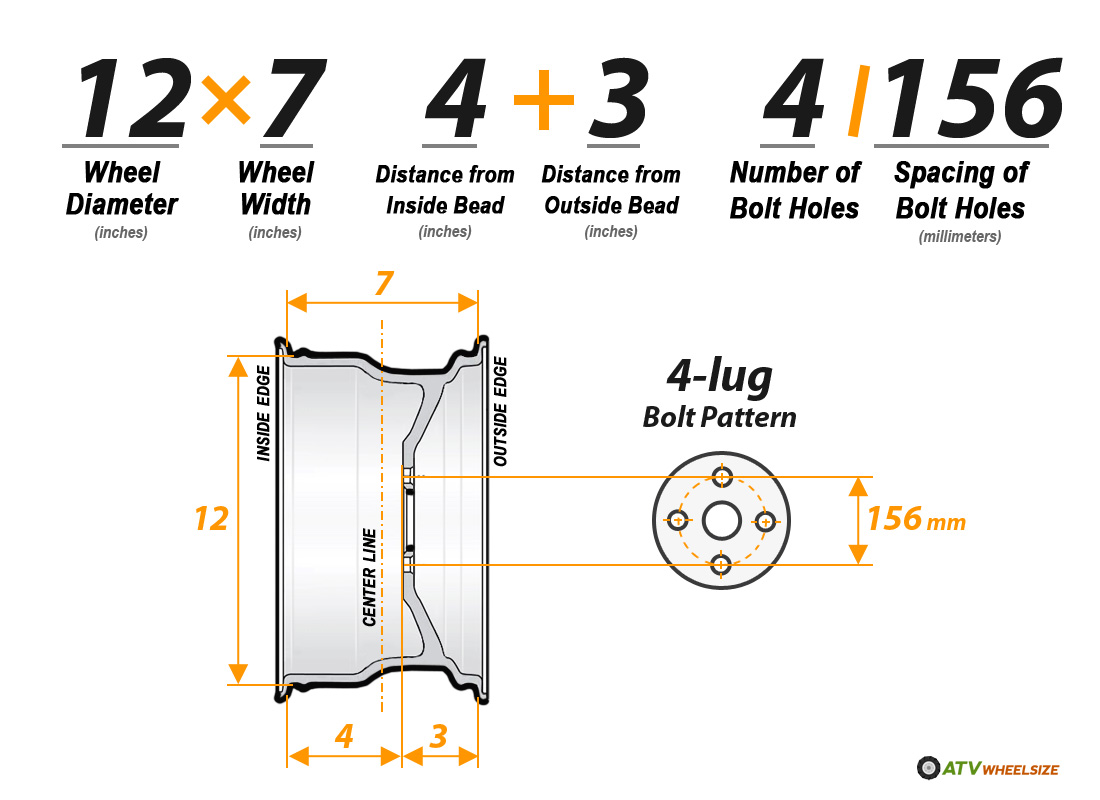
We talk to Chevrolet Corvette owners every day. These are the questions we hear most before they pull the trigger on new wheels.
Will 19×9 and 20×11.5-inch wheels fit my Chevrolet Corvette? Yes, but fitment depends on width, offset, and tire size working together. A wrong offset means rubbing. A wrong tire size means poor handling. Always verify all three.
Do I need to modify my fenders? That depends on your offset and suspension. A conservative offset with stock ride height usually fits without modification. Go aggressive and you may need to roll or pull your fenders.
Can I daily-drive this setup? Absolutely. Thousands of Chevrolet Corvette owners run 19×9 and 20×11.5-inch wheels every day. The key is choosing the right tire with enough sidewall to absorb road imperfections.