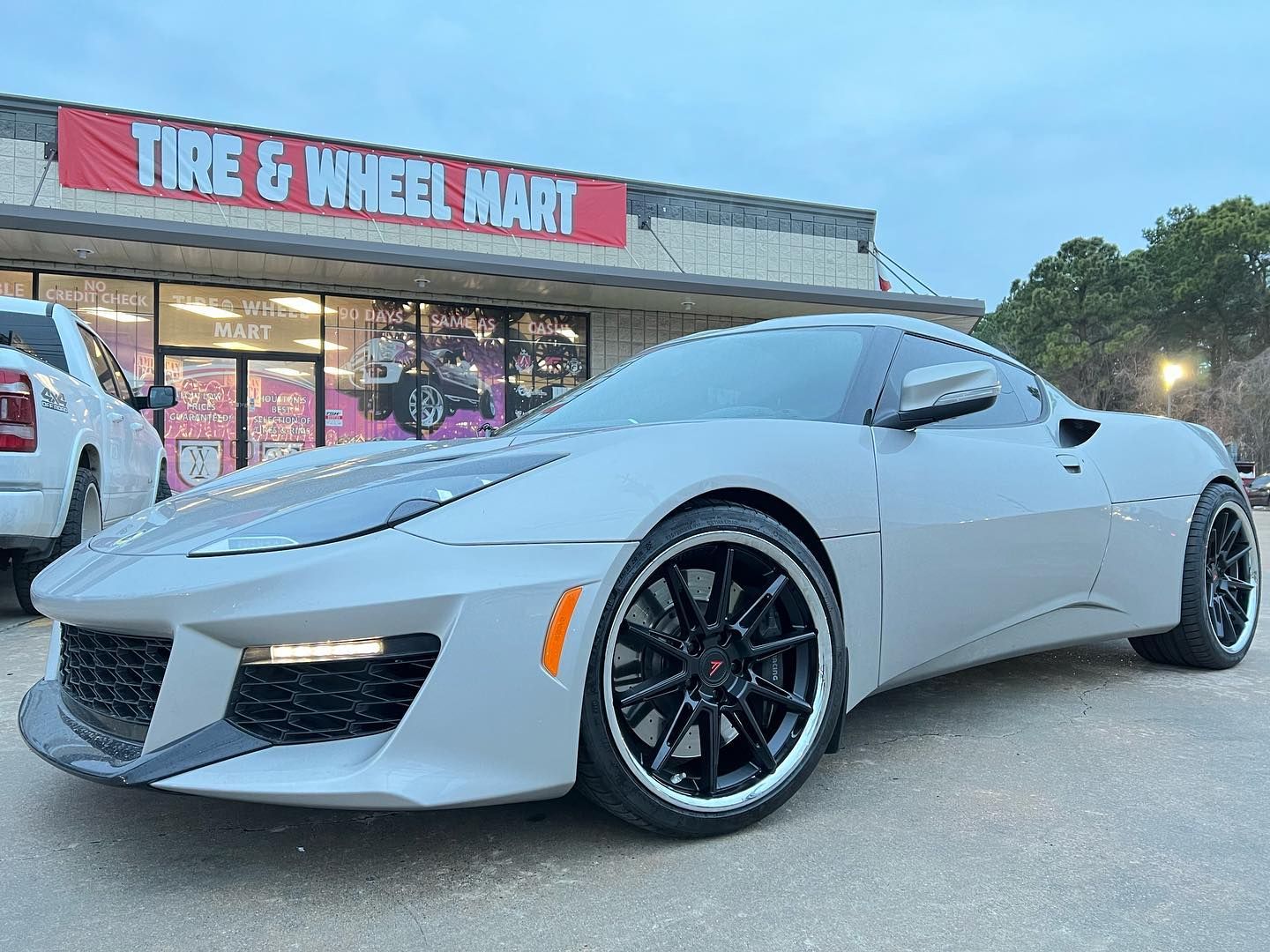
About This Chevrolet Corvette C8 Stingray Build
We love featuring real builds from real owners. This Black Chevrolet Corvette C8 Stingray sits on a set of 20 and 21-inch Rohana RFX10 wheels, and the result speaks for itself.
The owner chose Rohana for a reason. This brand delivers serious quality and a design language that turns heads at every car meet. We see hundreds of Chevrolet Corvette builds come through WheelFront every month, but this one stands out. The combination of the Black exterior with the Rohana RFX10 creates a look that balances aggression with elegance.

Fitment Breakdown: Rohana RFX10 on the Chevrolet Corvette C8 Stingray
I walked around this C8 at the last show, and the Rohana RFX10 setup grabbed me immediately. Running a 20-inch front and 21-inch rear is the gold standard for this mid-engine chassis. These diameters perfectly fill those massive fender wells without ruining the car's geometry.
We see a lot of guys struggle with the offsets on the C8, but these RFX10s nail it. The aggressive negative offset pushes the wheels flush with the fenders for that wide, planted look. You get zero poke, which keeps the clean lines of the Stingray intact.
The hub bore fits the Chevy platform like a glove. We didn't see any vibrations or need for sketchy hub rings. The spokes clear those stock Brembo calipers by a country mile, too.
I really dig the barrel depth on the rear wheels. It gives the Corvette that deep-dish presence you just don't get with factory rollers. The rotor-to-barrel clearance remains solid even with the larger diameter.
Watch your drop height if you run this setup. We noticed that if you slam the car on coilovers, you might kiss the plastic liners during hard cornering. A mild lowering spring kit is the sweet spot for these dimensions.
The spoke design on the RFX10 carries a lot of visual weight toward the outer rim. It makes the wheel look bigger than it actually is. That design choice helps balance the bulky rear quarters of the C8.
Check your tire pressure sensors before you swap the rubber over. These wheels accommodate the factory TPMS sensors without any headache. This is a true plug-and-play upgrade for the C8 owner.
What We Recommend for Chevrolet Corvette C8 Stingray Owners
Don't try to force a square setup on this car. The C8 needs that staggered diameter to keep the traction control and ABS happy. Stick to the 20/21 combo to keep the rake perfect.
If you want the best performance, keep the offsets within the factory window of tolerance. Pushing them too far out destroys your scrub radius and makes the car wander on the highway. We like the +35 to +45 range for the front wheels.
Tire stretch is a bad idea on a car with this much torque. Match your tire width to the rim width to keep the sidewalls square. You want that meaty look, not the rubber band aesthetic.
Forget about spacers. If you pick the right wheel, you won't need them. Spacers just add unnecessary stress to your wheel bearings and studs.
Buy high-quality tires to match these wheels. We recommend a sticky compound like the Michelin Pilot Sport 4S. A cheap tire will ruin the handling gains you get from a lighter wheel like the RFX10.
Style and Build Analysis
This black-on-black theme is pure aggression. The Gloss Black finish on the RFX10s pulls out the depth in the factory black paint. It creates a seamless flow that makes the car look like a predator on the asphalt.
The split-spoke design of the RFX10 adds a layer of complexity to the C8's rounded body. It breaks up the silhouette just enough to catch the eye. You can see the brake rotors clearly through the spokes, which adds a mechanical edge.
The stance changes the whole character of the car. It shifts from a factory sports car to a custom-tuned machine. Every time the sun hits these wheels, the gloss finish pops against the deep black bodywork.
We’ve seen builds with chrome or brushed wheels, but they look dated on this generation. Black wheels emphasize the aggressive proportions of the mid-engine layout. It’s the ultimate stealth mode for the street.
This build proves that you don't need wild body kits to make a statement. Clean lines, a smart wheel choice, and a solid color palette win every single time. It’s a masterclass in modern restraint.
Why We Love This Build
I stood there for twenty minutes just watching how the light played off the gloss black surfaces. The way the wheels tuck into those arches makes the car look like it is doing a hundred miles per hour while standing dead still. It is a menacing, beautiful piece of engineering that demands your attention.
You can tell the owner cares about the details because everything sits exactly where it should. The finish is deep, the fitment is flush, and the aggression is dialed to eleven. It makes me want to go out and buy a C8 just to replicate this exact look.
This is exactly why we do what we do at WheelFront. Seeing a car come together this perfectly reminds me why I fell in love with this hobby in the first place. This Corvette is the king of the lot.

Full Specs Breakdown
Here is exactly what this owner is running. We break down every detail so you can replicate this build or use it as a starting point for your own setup.
- Car Make & Model: Chevrolet Corvette C8 Stingray
- Vehicle Color: Black
- Wheel Brand & Model: Rohana RFX10
- Wheel Size: 20 and 21
- Offset: Contact dealer
- Wheel Finish: Gloss Black
Before You Buy: Fitment Checklist
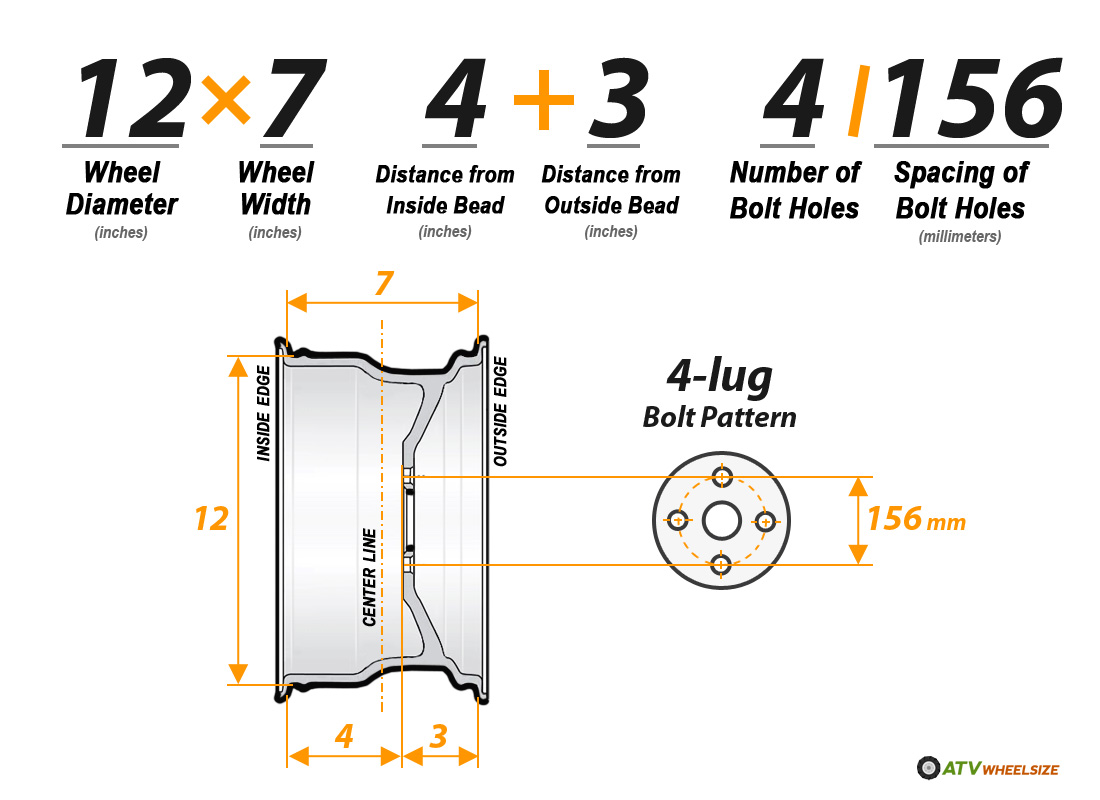
We talk to Chevrolet Corvette owners every day. These are the questions we hear most before they pull the trigger on new wheels.
Will 20 and 21-inch wheels fit my Chevrolet Corvette? Yes, but fitment depends on width, offset, and tire size working together. A wrong offset means rubbing. A wrong tire size means poor handling. Always verify all three.
Do I need to modify my fenders? That depends on your offset and suspension. A conservative offset with stock ride height usually fits without modification. Go aggressive and you may need to roll or pull your fenders.
Can I daily-drive this setup? Absolutely. Thousands of Chevrolet Corvette owners run 20 and 21-inch wheels every day. The key is choosing the right tire with enough sidewall to absorb road imperfections.