About This Porsche 911 Turbo 997 Build
We love featuring real builds from real owners. This Black Porsche 911 Turbo 997 sits on a set of 20×9 and 20×12-inch HRE P43SC wheels, and the result speaks for itself.
The owner chose HRE for a reason. This brand delivers serious quality and a design language that turns heads at every car meet. We see hundreds of Porsche 911 Turbo builds come through WheelFront every month, but this one stands out. The combination of the Black exterior with the HRE P43SC creates a look that balances aggression with elegance.
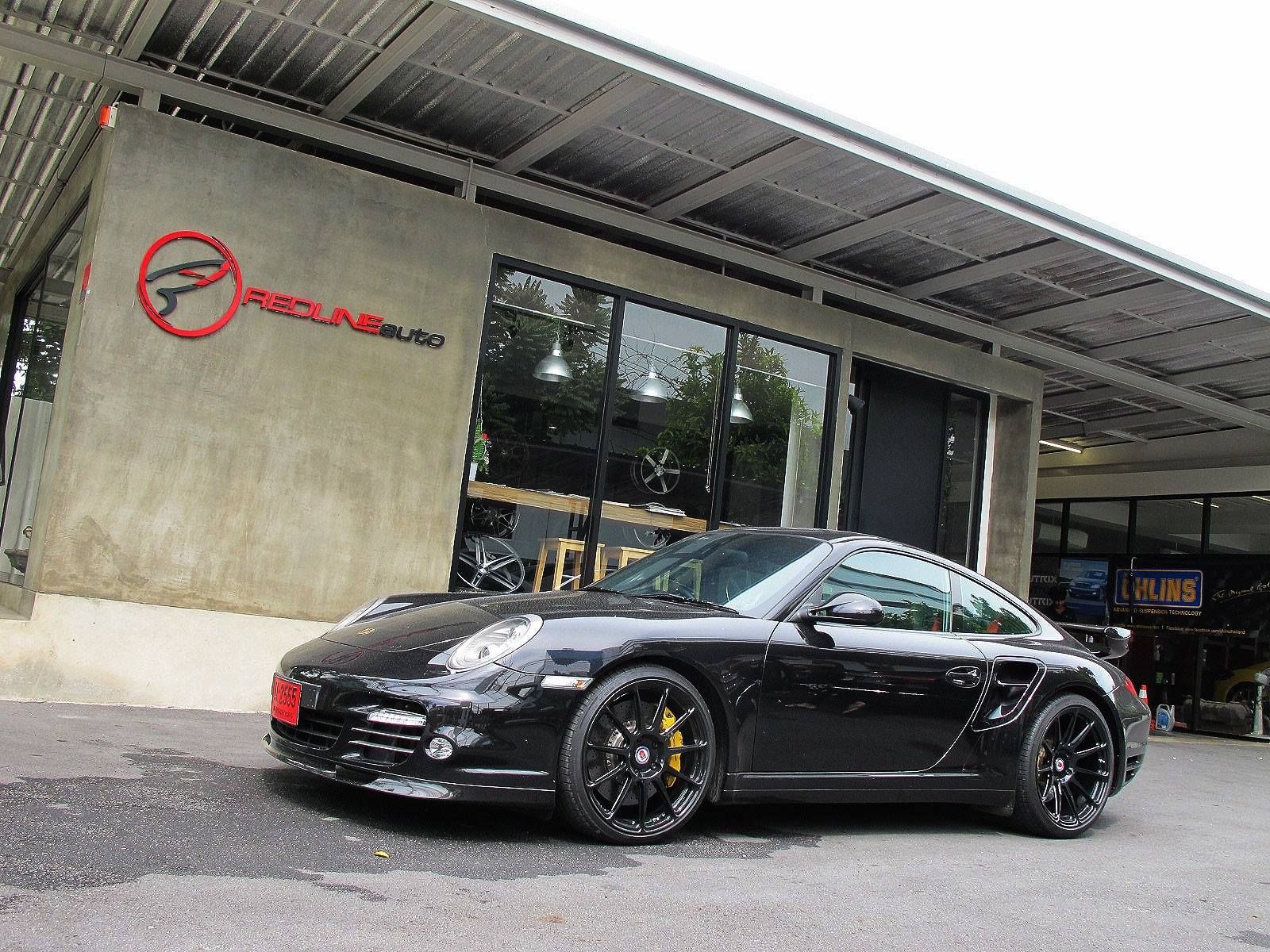
Fitment Breakdown: HRE P43SC on the Porsche 911 Turbo 997
I walked around this 997 Turbo for twenty minutes just to admire the stance. We are looking at a 20x9 front and a massive 20x12 rear setup. These HRE P43SC wheels define perfect fitment on the 997 platform.
The 997 Turbo chassis demands wide rubber to put that power down. The 12-inch rear width fills the wide-body arches with absolute precision. We see zero poke and zero tuck, just a perfect flush line with the fender edge.
HRE nailed the offsets to clear those massive factory steel calipers. You need enough clearance for the rotor hats and the caliper bodies without pushing the wheel too far out. This set clears the hardware by mere millimeters.
The hub bore on these wheels matches the Porsche 71.6mm specification exactly. We hate hub rings, and this direct-fit engineering keeps the steering vibration-free at high speeds. It feels planted and solid on the highway.
The spoke design on the P43SC creates a distinct depth that standard wheels lack. The concave profile is subtle but aggressive enough to catch your eye. It gives the car a purposeful, track-ready aesthetic.
I inspected the inner barrel clearance near the suspension struts. Even with a lowered coilover setup, these barrels do not touch the inner control arms. You get all the width you want without sacrificing steering geometry.
Watch out for rubbing on the fender liners during full lock or hard cornering. If you drop the car too low, you might need to trim the plastic clips inside the front arches. A little patience during the initial test fit saves your paint from disaster.
What We Recommend for Porsche 911 Turbo 997 Owners
Stick to a 20-inch diameter if you want the best balance of looks and performance. While 19s offer more tire sidewall, the 20-inch P43SC fills the wheel wells much better. It modernizes the look of the 997 instantly.
For the front, keep your width between 8.5 and 9 inches. Anything wider invites tramlining on uneven roads. You want to maintain that sharp Porsche steering feel that we all love.
The rear offset is the secret sauce for the 997 Turbo. We suggest aiming for an offset that pushes the wheel out to the fender but leaves room for suspension travel. Do not guess the numbers; measure your current clearance before ordering.
Avoid running excessive tire stretch on this build. This car is a monster, and it needs a square tire shoulder to grip the asphalt. We recommend a wide, sticky performance tire like the Michelin Pilot Sport 4S.
Check your alignment settings after you install the wheels. Lowering the car changes your camber, which can lead to uneven tire wear. Set your alignment to factory spec or a slightly aggressive street track setup.
Style and Build Analysis
The murdered-out look on this black 997 is timeless. Putting the HRE P43SC wheels on a black car creates a monochromatic stealth vibe. The metallic sheen of the wheels cuts through the darkness of the body paint.
The multi-spoke design feels very much like an evolution of the classic Porsche wheel language. It keeps the heritage alive while pushing the aesthetic into the modern era. It avoids looking like a gaudy aftermarket mess.
Proportions are everything when you modify a 911. The 20x12 rear setup gives the car a hunkered-down, predatory appearance. It looks like it wants to hunt down supercars on the autobahn.
Compared to other builds we feature, this one relies on clean lines rather than loud colors. It respects the original shape of the Turbo while adding just enough aggression. It is a masterclass in tasteful modification.
The light plays off these wheels in a way that highlights the spoke curvature. Every time the car moves, the shadows shift across the concave faces. It is a dynamic visual experience that static photos struggle to capture.
Why We Love This Build
This Porsche is pure, unadulterated street aggression. The black paint absorbs the light, while the silver HRE wheels pop with industrial precision against the dark arches. When it pulls away, the sheer width of those rear tires screams performance.
We see a lot of cars, but this one sticks in our minds. It looks fast even when parked, sitting low and tight over the pavement. It reminds us why we fell in love with the 997 Turbo in the first place.
Builds like this one set the standard for what a modified 911 should look like. It balances HRE engineering with a clean, understated aesthetic that never gets old. This is exactly how a 997 Turbo should look when you do it right.
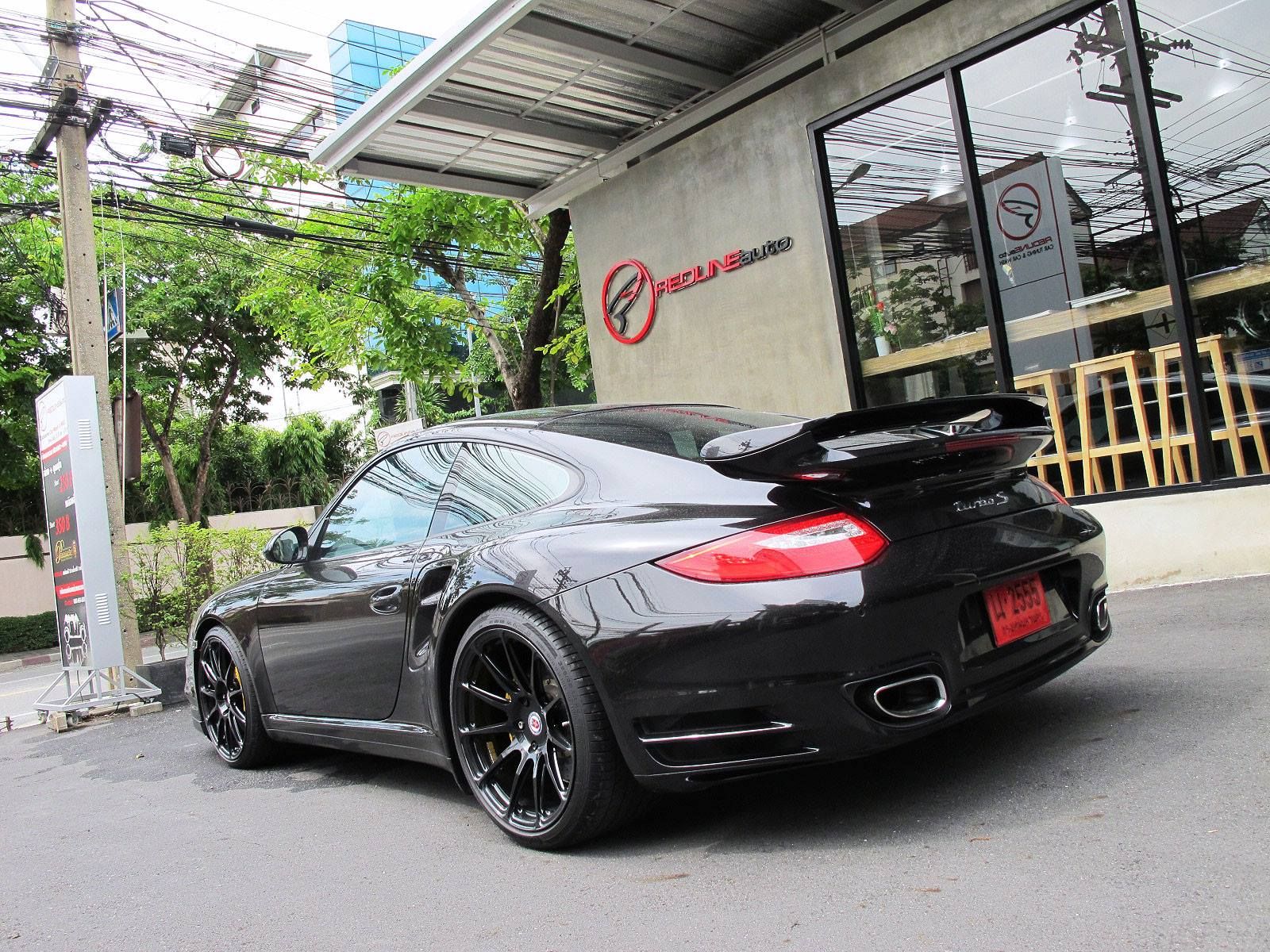
Full Specs Breakdown
Here is exactly what this owner is running. We break down every detail so you can replicate this build or use it as a starting point for your own setup.
- Car Make & Model: Porsche 911 Turbo 997
- Vehicle Color: Black
- Wheel Brand & Model: HRE P43SC
- Wheel Size: 20×9 and 20×12
- Offset: Contact dealer
Before You Buy: Fitment Checklist
We talk to Porsche 911 Turbo owners every day. These are the questions we hear most before they pull the trigger on new wheels.
Will 20×9 and 20×12-inch wheels fit my Porsche 911 Turbo? Yes, but fitment depends on width, offset, and tire size working together. A wrong offset means rubbing. A wrong tire size means poor handling. Always verify all three.
Do I need to modify my fenders? That depends on your offset and suspension. A conservative offset with stock ride height usually fits without modification. Go aggressive and you may need to roll or pull your fenders.
Can I daily-drive this setup? Absolutely. Thousands of Porsche 911 Turbo owners run 20×9 and 20×12-inch wheels every day. The key is choosing the right tire with enough sidewall to absorb road imperfections.