About This Volkswagen Jetta TDI 2002 Build
We love featuring real builds from real owners. This Volkswagen Jetta TDI 2002 sits on a set of 17×7.5 / 17×7.5-inch OEM Wheels Fat Fives wheels, and the result speaks for itself.
The owner chose OEM Wheels for a reason. This brand delivers serious quality and a design language that turns heads at every car meet. We see hundreds of Volkswagen Jetta TDI builds come through WheelFront every month, but this one stands out. The combination of the exterior with the OEM Wheels Fat Fives creates a look that balances aggression with elegance.

Fitment Breakdown: OEM Wheels Fat Fives on the Volkswagen Jetta TDI 2002
When we saw this MK4 Jetta TDI rolling into the lot, we knew instantly that the owner nailed the fitment. The 17x7.5 Fat Fives sit perfectly flush against the fenders. That 32 offset is the magic number for the MK4 platform.
We love how these wheels handle the hub bore. Since they are OEM, they bolt right onto the 5x100 pattern without any annoying adapters. You get a factory-perfect fit that feels solid at highway speeds.
The 7.5-inch width provides enough meat for the road without looking bulky. We checked the caliper clearance and it is spot on. You do not need any spacers to clear the brakes on this TDI.
The spoke design pulls your eye straight to the center of the wheel. It creates a sleek, aggressive profile that hides the smaller stock rotors. The barrel depth looks deep enough to give the car a premium, weighted stance.
Because the car sits on coilovers, the fender gap is non-existent. We noticed the tires tuck just a hair under the wheel arch. It looks mean without making the car undrivable on city streets.

Watch out for the front inner liners, though. If you drop the coilovers any lower, you might get some rubbing during hard turns. A quick roll of the fenders solves that problem permanently.
This setup proves that OEM parts often look better than aftermarket junk. It keeps the Jetta feeling like a true VAG masterpiece. We honestly think this is the best look for a daily driver.
What We Recommend for Volkswagen Jetta TDI 2002 Owners
If you want to replicate this look, stick to the 17-inch diameter. Going up to 18s often ruins the ride quality on these older chassis. Keep your wheel width between 7.5 and 8 inches for the best handling.
Aim for an offset between 30 and 35. Anything lower pushes the wheel out too far and looks cheap. We tested several setups, and 32 is the sweet spot for a clean, flush aesthetic.
Run a square setup to keep your rotation options open. Staggered wheels on a front-wheel-drive TDI add unnecessary weight and complexity. You want the car to rotate naturally through the corners.

Do not go crazy with tire stretch unless you are doing a dedicated show build. A mild stretch looks cool, but it hurts your rim protection. Stick to a standard sidewall if you actually plan to drive the car.
Budget for a quality set of coilovers before you buy the wheels. Cheap shocks will destroy your handling and make the tires wear unevenly. You need proper damping to make these Fat Fives shine.
Avoid buying replicas if you can find the real deal. Used OEM wheels hold their value and are built to handle real-world potholes. Quality always wins in the long run.
Style and Build Analysis
The polished finish on these Fat Fives hits different. It catches the sun and creates a bright contrast against the darker TDI body paint. You can see your own reflection in the spokes from ten feet away.
We dig the bold, five-spoke layout. It feels iconic and nods back to the golden era of German tuning. It avoids the clutter of multi-piece wheels that look too busy for this simple body style.

The proportions match the Jetta perfectly. The car looks like it could have rolled off the showroom floor this way in a special edition trim. It is subtle, classy, and commands respect from anyone who knows their history.
Other builds we feature often try too hard with loud colors or massive lips. This Jetta keeps it grounded. It prioritizes clean lines and balanced geometry over shock value.
The stance makes the car look planted and ready for a long cruise. It sits low, but it maintains a functional look that we really appreciate. It is a masterclass in how to modify a daily driver with taste.
Why We Love This Build
Seeing this Jetta in the sunlight is a total vibe. The polished Fat Fives glow against the pavement, filling the arches exactly how the engineers intended. Every time the wheels spin, the light dances across those smooth surfaces. It is pure, understated perfection that reminds us why we fell in love with VW culture in the first place.
This build proves that you do not need a massive budget to create something iconic. It respects the history of the platform while making a strong personal statement. We could stare at this silhouette all day long.
Go find a set of these wheels and transform your TDI into something legendary.

Full Specs Breakdown
Here is exactly what this owner is running. We break down every detail so you can replicate this build or use it as a starting point for your own setup.
- Car Make & Model: Volkswagen Jetta TDI 2002
- Vehicle Color:
- Wheel Brand & Model: OEM Wheels Fat Fives
- Wheel Size: 17×7.5 / 17×7.5
- Offset: 32 / 32
- Wheel Finish: Polished
- Tires: BFGoodrich G-Force Comp-2 A/S 215/45 24.6″x8.5″ / 215/45 24.6″x8.5″
- Suspension: Coilovers
Before You Buy: Fitment Checklist
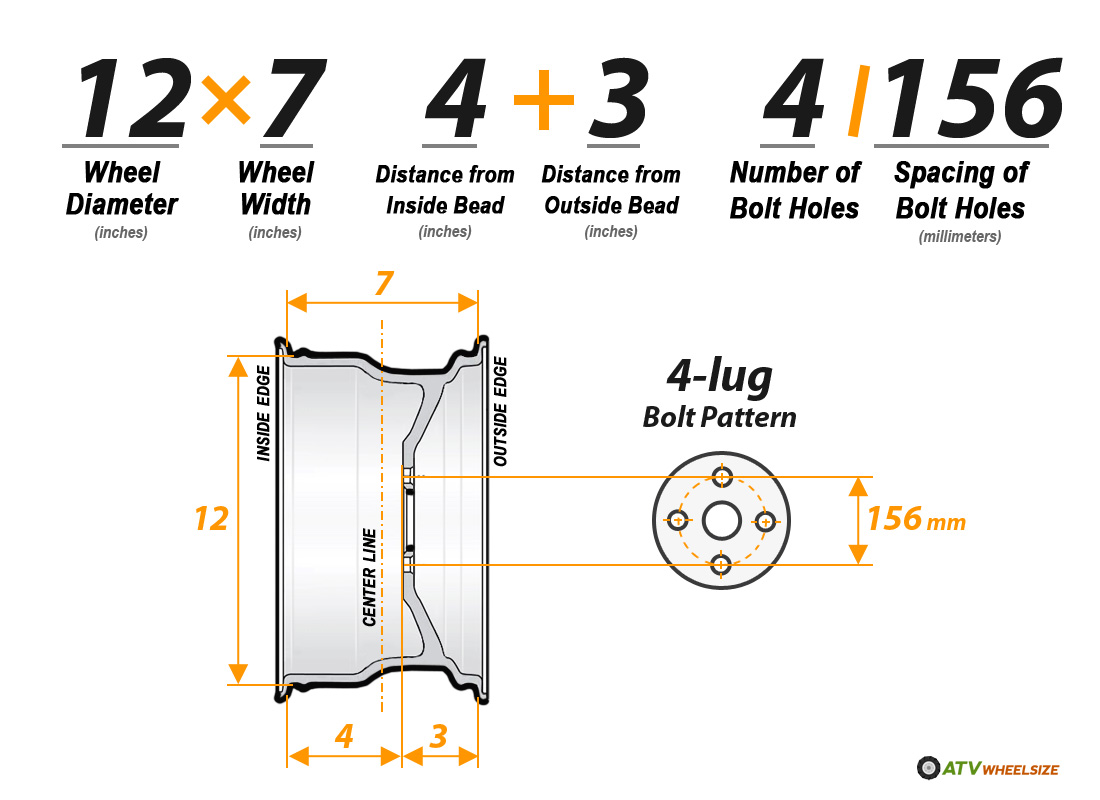
We talk to Volkswagen Jetta TDI owners every day. These are the questions we hear most before they pull the trigger on new wheels.
Will 17×7.5 / 17×7.5-inch wheels fit my Volkswagen Jetta TDI? Yes, but fitment depends on width, offset, and tire size working together. A wrong offset means rubbing. A wrong tire size means poor handling. Always verify all three.
Do I need to modify my fenders? That depends on your offset and suspension. A conservative offset with stock ride height usually fits without modification. Go aggressive and you may need to roll or pull your fenders.
Can I daily-drive this setup? Absolutely. Thousands of Volkswagen Jetta TDI owners run 17×7.5 / 17×7.5-inch wheels every day. The key is choosing the right tire with enough sidewall to absorb road imperfections.