About This Volkswagen Golf R 7 Build
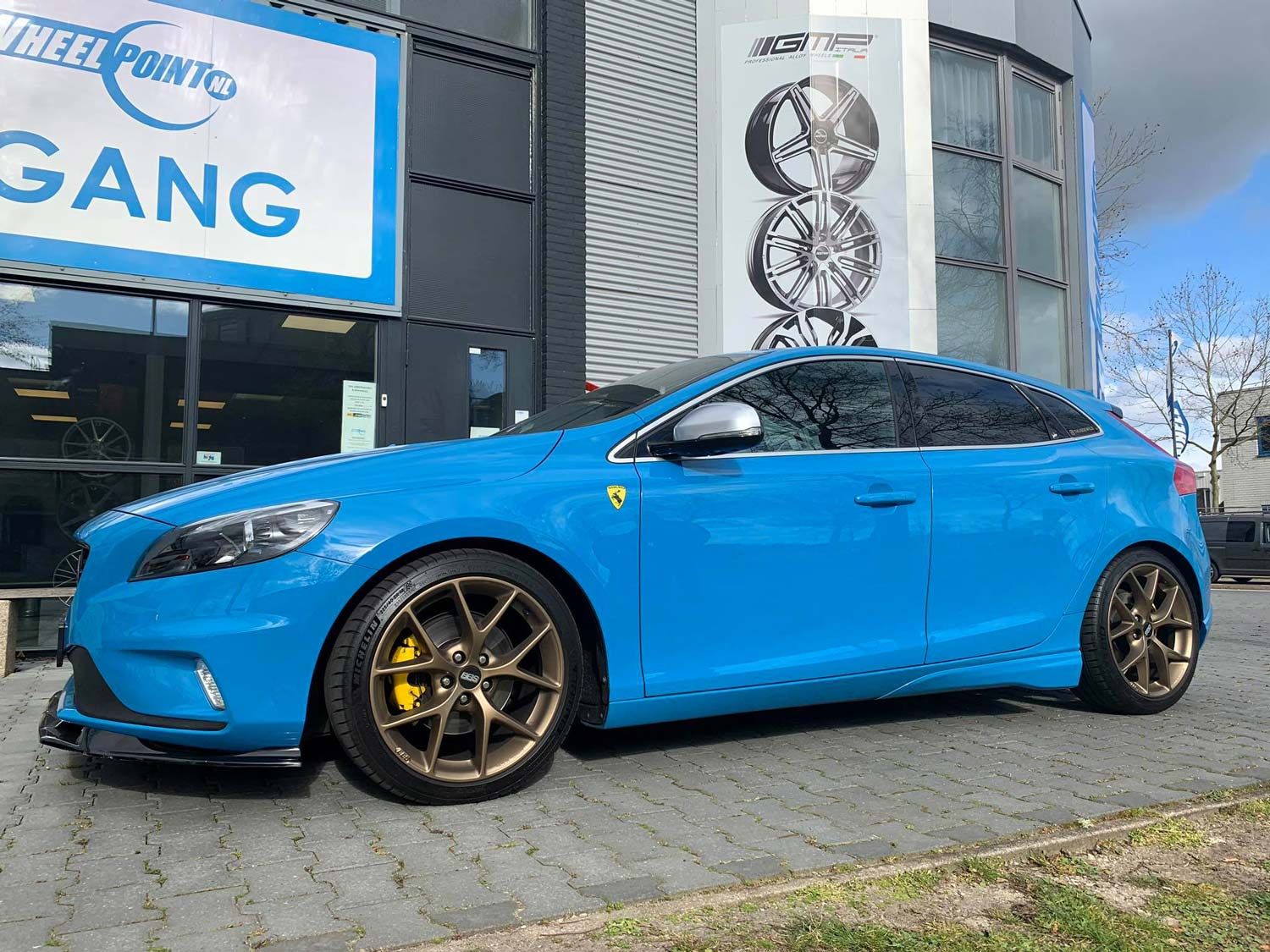
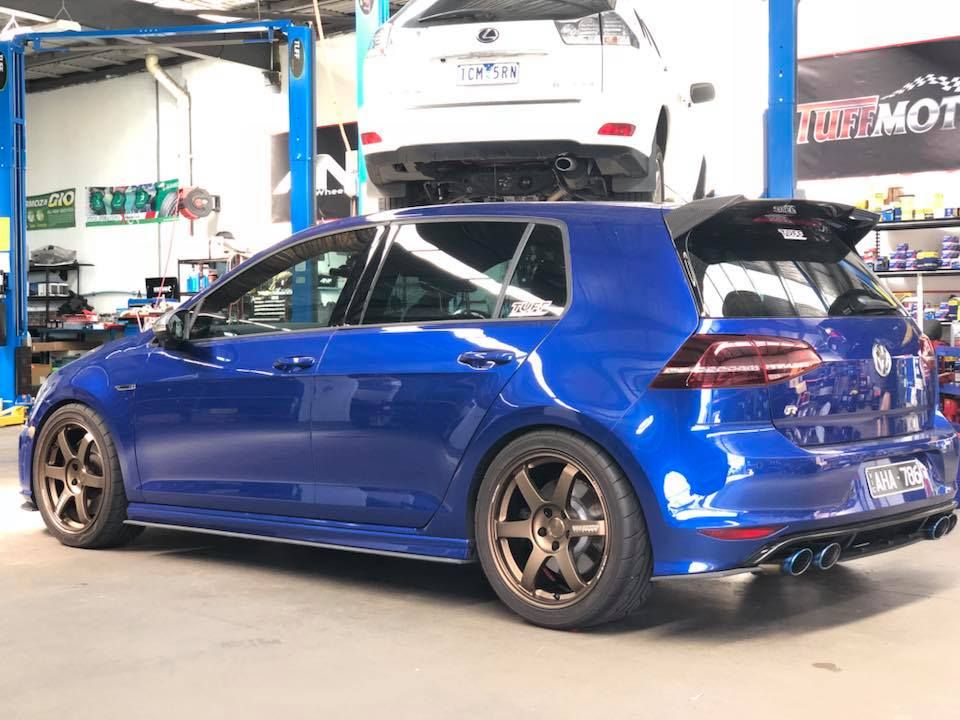
We love featuring real builds from real owners. This Blue Volkswagen Golf R 7 sits on a set of 18×8.5-inch Rays Volk TE37 wheels, and the result speaks for itself.
The owner chose Rays for a reason. This brand delivers serious quality and a design language that turns heads at every car meet. We see hundreds of Volkswagen Golf R builds come through WheelFront every month, but this one stands out. The combination of the Blue exterior with the Rays Volk TE37 creates a look that balances aggression with elegance.

Fitment Breakdown: Rays Volk TE37 on the Volkswagen Golf R 7
I walked around this Golf R at the shop and the stance immediately caught my eye. The 18x8.5 Rays Volk TE37 setup sits perfectly flush against those stock fenders. It strikes that rare balance of track-ready aggression and daily-driver comfort.
We see a lot of guys struggle with the MK7 platform because the front calipers are massive. These TE37s clear the factory R brakes without needing any spacers. The spoke design provides plenty of room for those performance stoppers to breathe.
The 18-inch diameter keeps the sidewall tall enough to soak up road imperfections. We chose an offset that pushes the wheel out just enough to kill the factory tuck. It looks purposeful without looking like a rolling disaster waiting to happen.
Hub bore alignment feels rock solid on this build. We always recommend using the correct hub-centric rings to prevent those annoying steering wheel vibrations. This setup feels planted and tight at highway speeds.
The barrel lip depth on the 18x8.5 profile adds a nice touch of depth to the wheel face. It avoids that flat, cheap look you get with lesser cast wheels. You can tell these are forged the second you see the light hit the spokes.
Suspension height dictates everything on a Golf R. This owner dropped the car just enough to close the fender gap without ruining the geometry. You will rub the plastic liners if you go too low or run tires that are way too wide.
Keep an eye on the front fender liners under full compression. We noticed that if you push the offset too aggressive, you will chew up the mounting tabs. This specific build plays it safe while looking mean.
What We Recommend for Volkswagen Golf R 7 Owners
Do not go wider than 9 inches unless you plan on doing some serious fender work. An 8.5-inch width is the absolute sweet spot for the MQB chassis. It keeps the steering feel sharp and avoids tramlining on uneven roads.
Stick to a square setup if you actually care about handling. Staggered wheels on an AWD Golf R will destroy your Haldex system and ruin your tire rotation schedule. We always recommend running the same size at all four corners.
Offset matters more than you think. Aim for a 42mm to 45mm offset to keep the scrub radius close to factory specs. Anything lower than 40mm puts unnecessary stress on your wheel bearings.
Tire choice makes or breaks this fitment. We suggest a 235/40/18 tire to get that slight stretch look without being dangerous. A 245/40/18 is possible, but you will definitely need to watch your alignment settings.
Avoid cheap spacers at all costs. If you need a small nudge to clear a bigger brake kit, buy high-quality hub-centric spacers from a reputable brand. Never compromise your lug nut thread engagement for the sake of a few millimeters of poke.
Style and Build Analysis
The bronze finish against the deep blue paint creates a legendary color combo. It reminds me of the old rally cars from the nineties. The metallic flake in the blue paint really pops when the bronze wheels catch the sunlight.
TE37s look good on literally everything, but they feel right at home on a Golf R. The six-spoke design is timeless and clean. It avoids the clutter of modern multi-spoke wheels that take ten minutes to wash.
The proportions here look balanced and intentional. Many builders go too big on the wheels, which makes the car look like a wagon wheel buggy. This 18-inch choice keeps the car looking athletic and nimble.
Road presence is all about the details. The contrast between the dark blue body and the bronze finish screams performance enthusiast. You can spot this car from a mile away in a crowded parking lot.
We feature a lot of builds, but this one feels cohesive. Nothing looks forced or over-the-top. It respects the heritage of the Golf R while adding a unique flair that sets it apart from the stock crowd.
Why We Love This Build
When the sun hits the metallic blue paint, the bronze TE37s just glow. The wheels fill the arches exactly how Volkswagen should have done from the factory. It transforms a grocery-getter into a piece of street art.
This car commands respect because the owner didn't cut corners. Everything serves a purpose, from the tire sidewall to the wheel offset. It feels like a machine built for the driver, not for the Instagram likes.
Every time I see this Golf R, I want to go back to my own garage and swap my wheels. It is the perfect blueprint for anyone building an MK7. Just buy the good wheels and drive the hell out of it.

Full Specs Breakdown
Here is exactly what this owner is running. We break down every detail so you can replicate this build or use it as a starting point for your own setup.
- Car Make & Model: Volkswagen Golf R 7
- Vehicle Color: Blue
- Wheel Brand & Model: Rays Volk TE37
- Wheel Size: 18×8.5
- Offset: Contact dealer
- Wheel Finish: Bronze
Before You Buy: Fitment Checklist
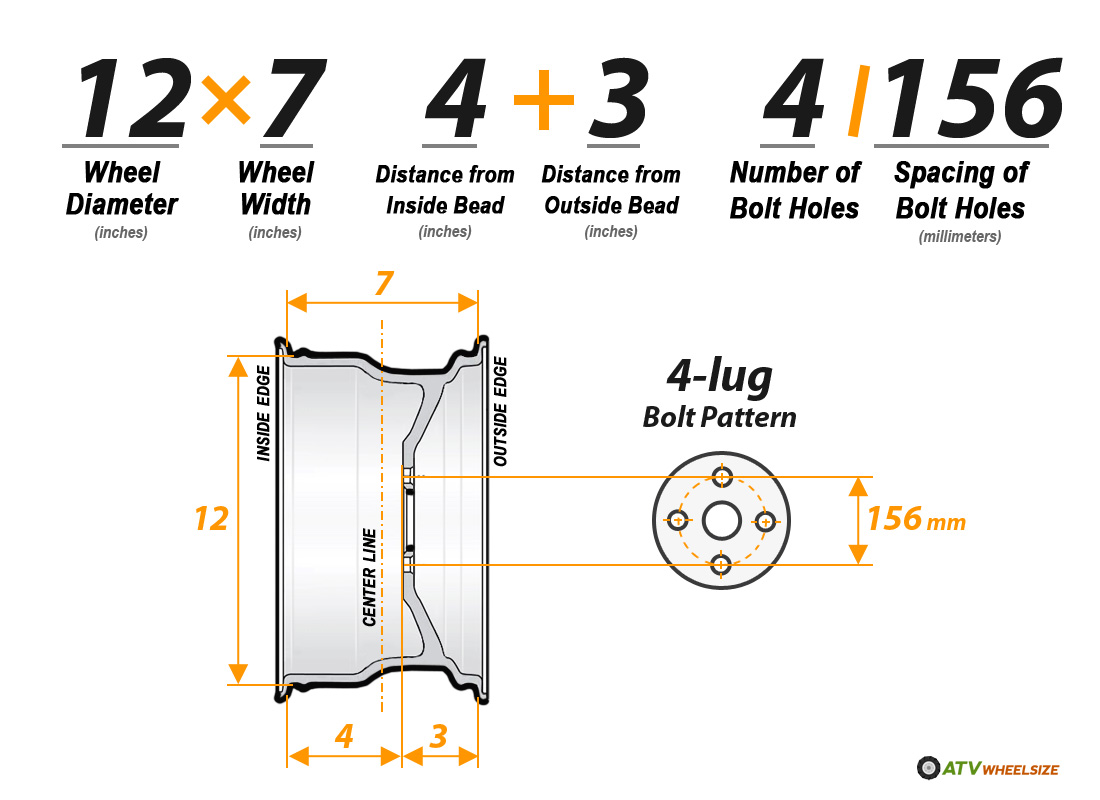
We talk to Volkswagen Golf R owners every day. These are the questions we hear most before they pull the trigger on new wheels.
Will 18×8.5-inch wheels fit my Volkswagen Golf R? Yes, but fitment depends on width, offset, and tire size working together. A wrong offset means rubbing. A wrong tire size means poor handling. Always verify all three.
Do I need to modify my fenders? That depends on your offset and suspension. A conservative offset with stock ride height usually fits without modification. Go aggressive and you may need to roll or pull your fenders.
Can I daily-drive this setup? Absolutely. Thousands of Volkswagen Golf R owners run 18×8.5-inch wheels every day. The key is choosing the right tire with enough sidewall to absorb road imperfections.