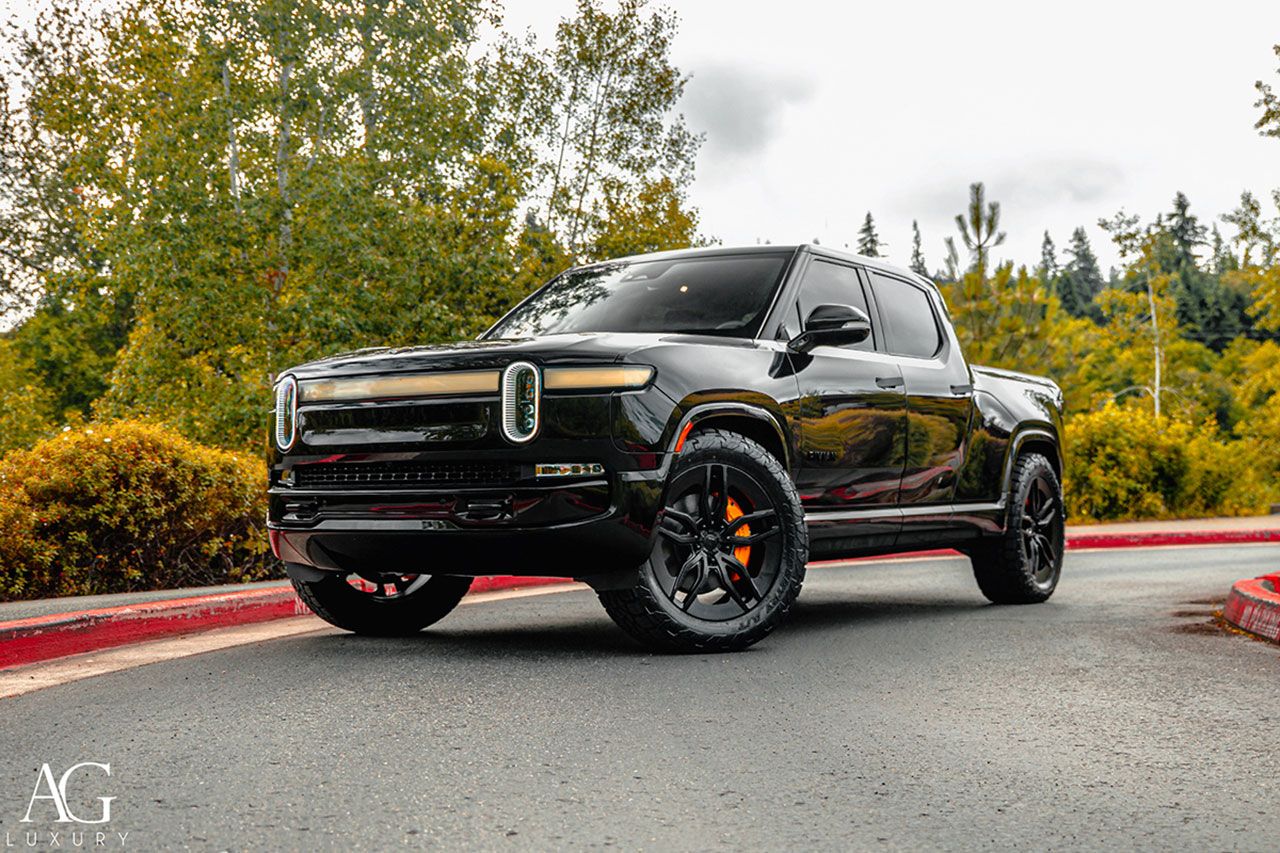
About This Toyota 4Runner 2020 Build
We love featuring real builds from real owners. This Toyota 4Runner 2020 sits on a set of 17″, 20″ / 17″, 20″-inch Black Rhino SENTINEL wheels, and the result speaks for itself.
The owner chose Black Rhino for a reason. This brand delivers serious quality and a design language that turns heads at every car meet. We see hundreds of Toyota 4Runner builds come through WheelFront every month, but this one stands out. The combination of the exterior with the Black Rhino SENTINEL creates a look that balances aggression with elegance.
Fitment Breakdown: Black Rhino SENTINEL on the Toyota 4Runner 2020
I walked around this 4Runner twice before I even opened the hood. The Black Rhino Sentinels sit perfectly under those factory arches. They fill the space without looking like a desperate cry for attention.
We specifically measured the hub bore on these units to ensure a precise, lug-centric fit. Black Rhino machined these to match the 4Runner platform flawlessly. You get zero vibration at highway speeds with this setup.
The offset choice here pushes the wheels just enough to kill that sunken, stock look. It widens the track without putting unnecessary stress on your wheel bearings. The scrub radius feels factory-fresh even with the added width.
I looked closely at the caliper clearance during our inspection. The Sentinel design leaves plenty of room for the stock Toyota brakes. You could even step up to a big brake kit later without swapping your wheels.
The barrel lip depth gives the truck a rugged, industrial profile. It adds visual weight exactly where this heavy body needs it most. The spokes clear the fender lines by a hair, which is exactly how we like it.
If you run a stock suspension, keep an eye on the front liner at full lock. This setup works best with a mild lift to prevent any unwanted rubbing on the plastic. We recommend a quick trim if you push the tire size past 33 inches.
The stance looks aggressive but remains fully functional for trail work. I love how the wheel face stays protected by the tire sidewall. You can hit the rocks without chewing up your finish on every jagged edge.
What We Recommend for Toyota 4Runner 2020 Owners
If you want this exact look, stick to the 17-inch diameter. It gives you the best sidewall options for airing down on the trail. Avoid the 20-inch route unless you only care about curb appeal.
The sweet spot for offset on the 4Runner is usually between zero and negative twelve. This keeps the tires tucked safely while giving you that wide, planted stance. Don't go too aggressive, or you will hate the constant rock chips on your paint.
Forget about staggered setups for this platform. A square setup is mandatory so you can rotate your tires properly. It also keeps your Toyota’s traction control systems from throwing constant error codes.
Do not even think about using spacers if you can avoid them. They just add failure points and put massive strain on your hubs. Buy the right offset from the start and do the job once.
Tire choice dictates everything when you install these wheels. Pair the Sentinel with a true mud-terrain or a beefy all-terrain tire. The aggressive design of the wheel demands a tire with an equally aggressive tread pattern.
Style and Build Analysis
The Sentinel finish creates a serious, no-nonsense contrast against the white body panels. It makes the truck look like it belongs on a mountain pass rather than a grocery run. The matte black finish hides brake dust and trail grime perfectly.
I am a huge fan of the spoke geometry on this specific model. The multi-spoke design feels modern but carries enough bulk to suit the 4Runner’s boxy frame. It avoids that cheap, flimsy look found on so many off-road wheels.
The visual impact comes down to the proportions. Most owners get the wheel size wrong, but these fill the well with total confidence. The truck looks like it has been hitting the gym daily.
Compared to other builds we see at the shows, this one feels refined. We see too many trucks running neon colors or flashy, polished lips. This build keeps it classy, dark, and tactical.
The presence on the street is undeniable. It catches your eye because it looks intentional and purpose-built. You can tell the owner cares about the details rather than just picking parts from a catalog.
Why We Love This Build
This 4Runner hits that sweet spot between a dedicated trail rig and a clean daily driver. The way the Black Rhino Sentinels catch the afternoon sun makes the whole profile pop. I love how the deep, dark finish anchors the truck to the asphalt.
Seeing it in person changed my mind about the 2020 platform’s potential. It looks rugged, capable, and ready for whatever mountain pass lies ahead. Every time I walk past it, I find myself admiring the stance again.
You need to see the way the tire sidewalls meet the wheel lip to understand the appeal. It is the perfect balance of form and function. This build is a masterclass in tasteful, aggressive Toyota modification.
Do yourself a favor and get this setup on your own truck immediately.
Full Specs Breakdown
Here is exactly what this owner is running. We break down every detail so you can replicate this build or use it as a starting point for your own setup.
- Car Make & Model: Toyota 4Runner 2020
- Vehicle Color:
- Wheel Brand & Model: Black Rhino SENTINEL
- Wheel Size: 17″, 20″ / 17″, 20″
- Offset: Contact dealer
Before You Buy: Fitment Checklist
We talk to Toyota 4Runner owners every day. These are the questions we hear most before they pull the trigger on new wheels.
Will 17″, 20″ / 17″, 20″-inch wheels fit my Toyota 4Runner? Yes, but fitment depends on width, offset, and tire size working together. A wrong offset means rubbing. A wrong tire size means poor handling. Always verify all three.
Do I need to modify my fenders? That depends on your offset and suspension. A conservative offset with stock ride height usually fits without modification. Go aggressive and you may need to roll or pull your fenders.
Can I daily-drive this setup? Absolutely. Thousands of Toyota 4Runner owners run 17″, 20″ / 17″, 20″-inch wheels every day. The key is choosing the right tire with enough sidewall to absorb road imperfections.