About This Subaru Forester 2004 Build
We love featuring real builds from real owners. This Subaru Forester 2004 sits on a set of 18×8.5 / 18×8.5-inch ESR SR08 wheels, and the result speaks for itself.
The owner chose ESR for a reason. This brand delivers serious quality and a design language that turns heads at every car meet. We see hundreds of Subaru Forester builds come through WheelFront every month, but this one stands out. The combination of the exterior with the ESR SR08 creates a look that balances aggression with elegance.

Fitment Breakdown: ESR SR08 on the Subaru Forester 2004
I walked up to this 2004 Forester and immediately noticed the aggressive stance. That 18x8.5 setup is a serious jump from the stock wheels. The 30 offset pushes the face out right to the edge of the fender.
We see a lot of guys struggle with the SG chassis fitment, but these ESR SR08s clear the calipers easily. That 30 offset provides enough clearance to avoid hitting the struts on the inside. You won't need spacers to clear the brakes here.
The wheel face on the SR08 has a nice concave profile that catches your eye. Because of the 8.5-inch width, the barrel lip depth gives the car a much meaner look than a flat-face wheel ever could. It fills the wheel well with pure intent.
Hub bore is crucial on these Subarus. Since the ESRs use a larger bore, you must run hub-centric rings to prevent those high-speed steering wheel vibrations. Never skip that step if you want a smooth ride.
The coilovers make this fitment work by tucking the tires just enough. Without that drop, these wheels would poke way too far past the body lines. You need the stiffness to keep the tires from chewing up your fender liners.
Watch out for the rear quarter panels on the SG Forester. If you hit a hard bump with passengers in the back, you might hear a slight rub. We suggest rolling those rear fenders flat to stay safe.

I checked the inner clearance near the trailing arms and it sits tight. This is a perfect example of maxing out the platform without needing a widebody kit. Everything fits exactly how it should.
What We Recommend for Subaru Forester 2004 Owners
If you want this look, stick to an 18-inch diameter. Going up to 19s kills your ride quality and makes the tires look like rubber bands. The 18x8.5 size is the sweet spot for handling and aesthetics.
For the offset, stay between 30 and 35. Anything higher than 35 pulls the wheel too far into the well and looks weak. Anything lower than 30 creates too much poke and ruins your paint with road debris.
Avoid staggered setups on these all-wheel-drive machines. You must run a square setup with matching tire diameters to save your center differential. Keep all four wheels the same to avoid expensive mechanical failures.
For tires, a 235/40/18 is our go-to choice for this width. It provides a tiny bit of protection for the rim edge and keeps the speedometer accurate. It also gives you that clean, flush look without crazy tire stretch.
Do not forget to get an alignment after you bolt these on. Dialing in a bit of negative camber helps tuck the top of the tire under the fender. It makes the car handle way better in the corners, too.

Style and Build Analysis
The white finish on these ESR SR08s pops against the paint. It creates a high-contrast look that screams rally heritage. It reminds me of the classic gold and white setups we used to see on the old school GC8s.
The split-spoke design of the SR08 feels modern and sharp. It breaks up the boxy, utilitarian lines of the 2004 Forester perfectly. It turns a grocery getter into something that looks like it belongs on a track.
Proportions here are spot on. Because the wheels fill the arches so well, the car looks planted and ready to attack. There is no awkward gap left between the tire and the metal.
I have seen hundreds of Foresters, but this one has a specific road presence. It sits low and wide, demanding attention without being obnoxious. It strikes a balance between clean street style and aggressive tuner culture.
Compared to other builds, this one stays true to the spirit of the car. It does not try to be a track monster with giant wings, just a clean daily with a killer wheel choice. It is simple, effective, and damn cool.
Why We Love This Build
This Forester looks like it is ready to tear up a mountain pass at dawn. The white paint on the ESRs catches the light perfectly, turning every rotation into a bright flash. It makes the whole car feel lighter and more agile than any stock Forester I have ever driven.
We love this build because it does not overdo it. The stance is aggressive enough to look custom, yet the car remains totally functional for the street. It hits that perfect middle ground between style and usability.
Seeing this car roll down the street makes us want to go grab a wrench and start a new project. It serves as a reminder that a solid set of wheels and a good drop can completely transform a car. Just buy the wheels and get to work.

Full Specs Breakdown
Here is exactly what this owner is running. We break down every detail so you can replicate this build or use it as a starting point for your own setup.
- Car Make & Model: Subaru Forester 2004
- Vehicle Color:
- Wheel Brand & Model: ESR SR08
- Wheel Size: 18×8.5 / 18×8.5
- Offset: 30 / 30
- Wheel Finish: White
- Tires: Nitto Neo Gen 235/40 25.4″x9.3″ / 235/40 25.4″x9.3″
- Suspension: Coilovers
Before You Buy: Fitment Checklist
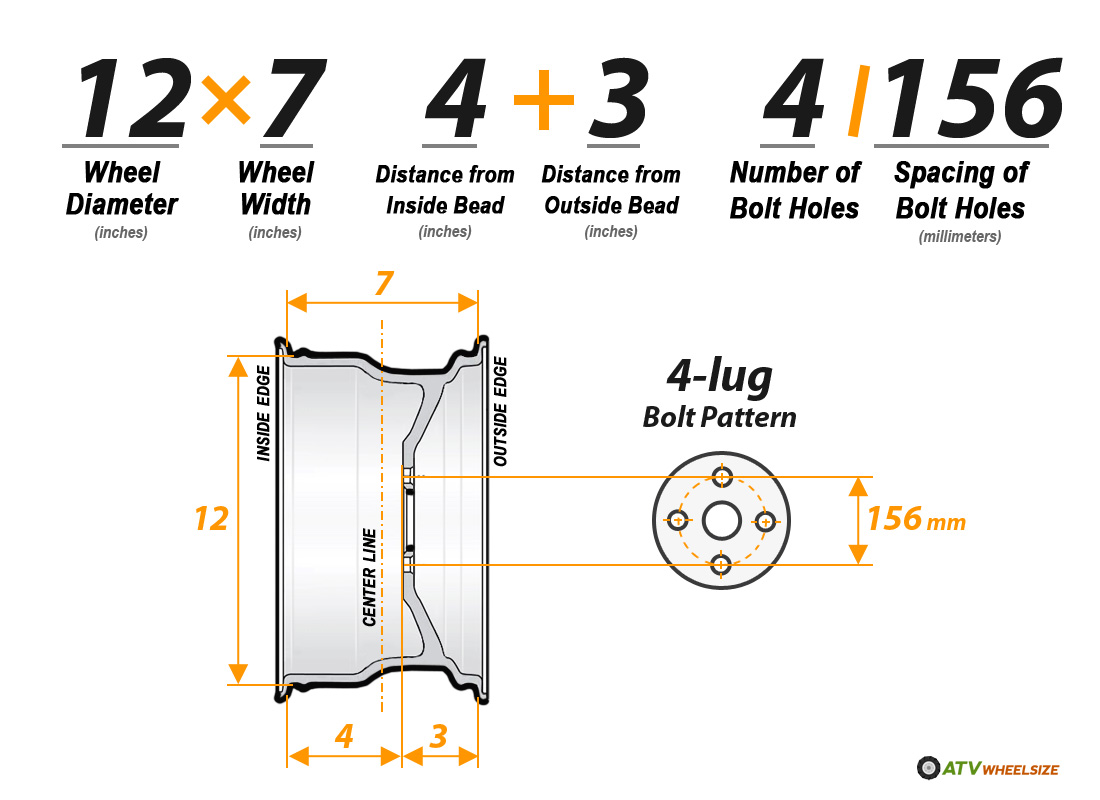
We talk to Subaru Forester owners every day. These are the questions we hear most before they pull the trigger on new wheels.
Will 18×8.5 / 18×8.5-inch wheels fit my Subaru Forester? Yes, but fitment depends on width, offset, and tire size working together. A wrong offset means rubbing. A wrong tire size means poor handling. Always verify all three.
Do I need to modify my fenders? That depends on your offset and suspension. A conservative offset with stock ride height usually fits without modification. Go aggressive and you may need to roll or pull your fenders.
Can I daily-drive this setup? Absolutely. Thousands of Subaru Forester owners run 18×8.5 / 18×8.5-inch wheels every day. The key is choosing the right tire with enough sidewall to absorb road imperfections.