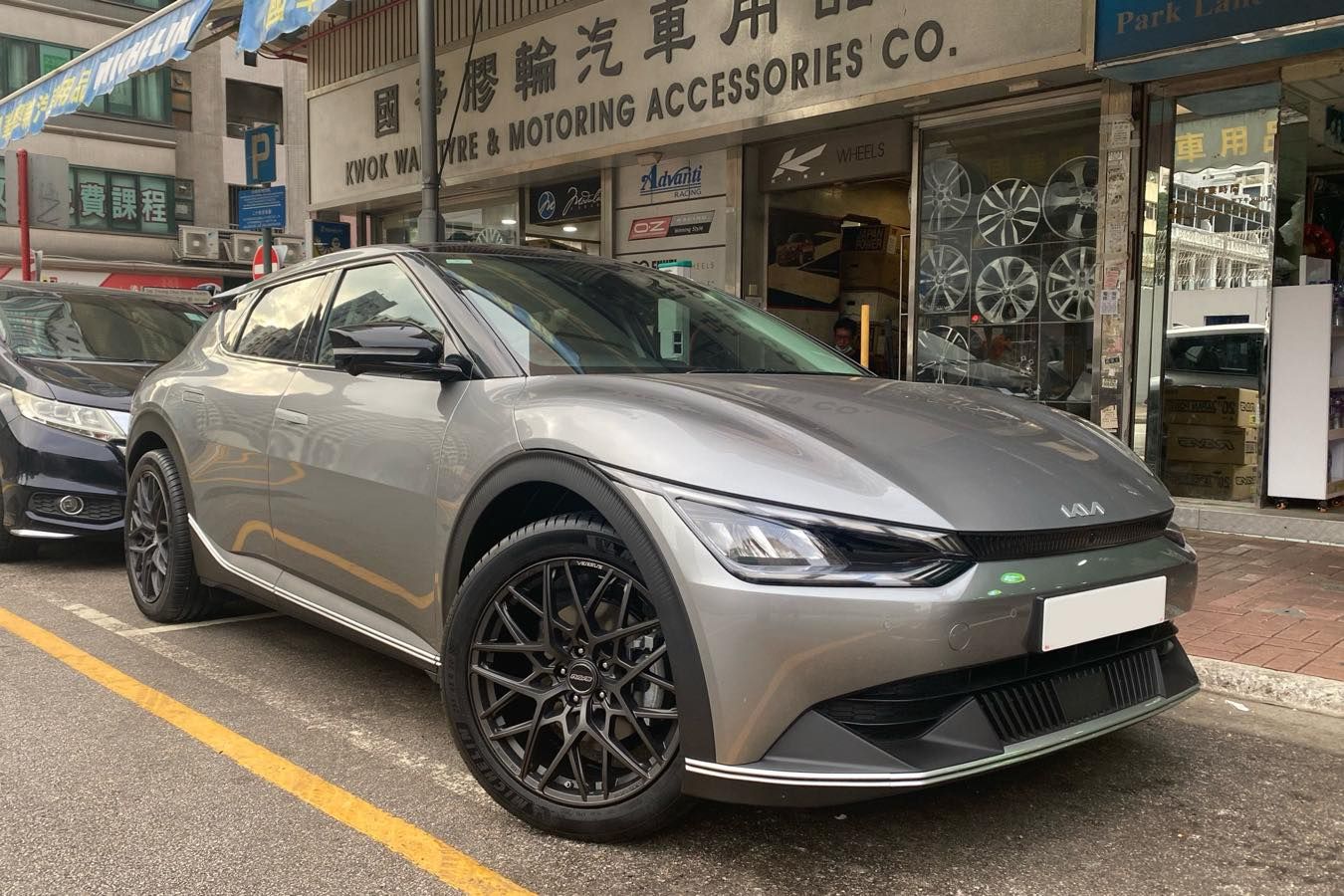
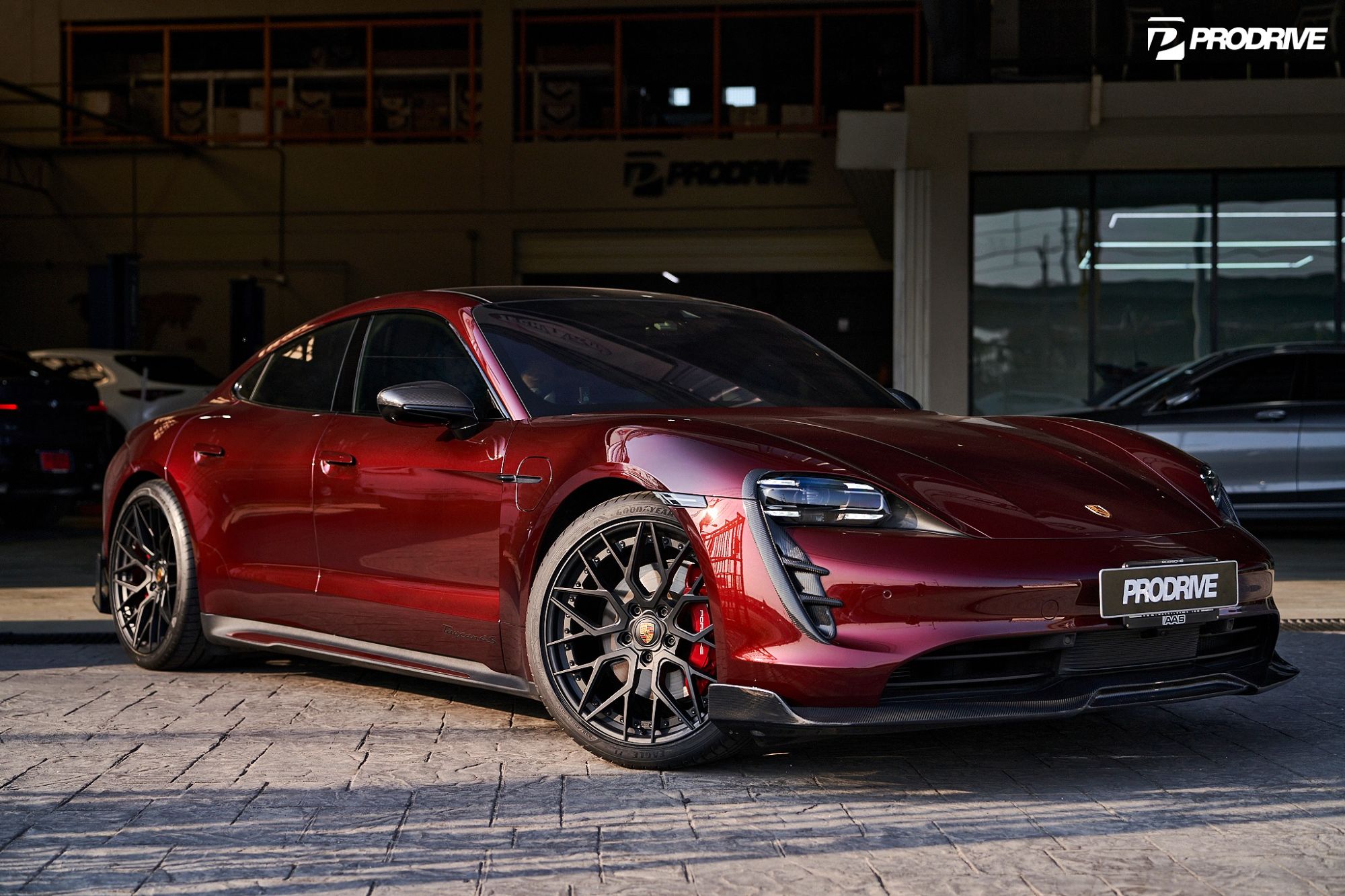
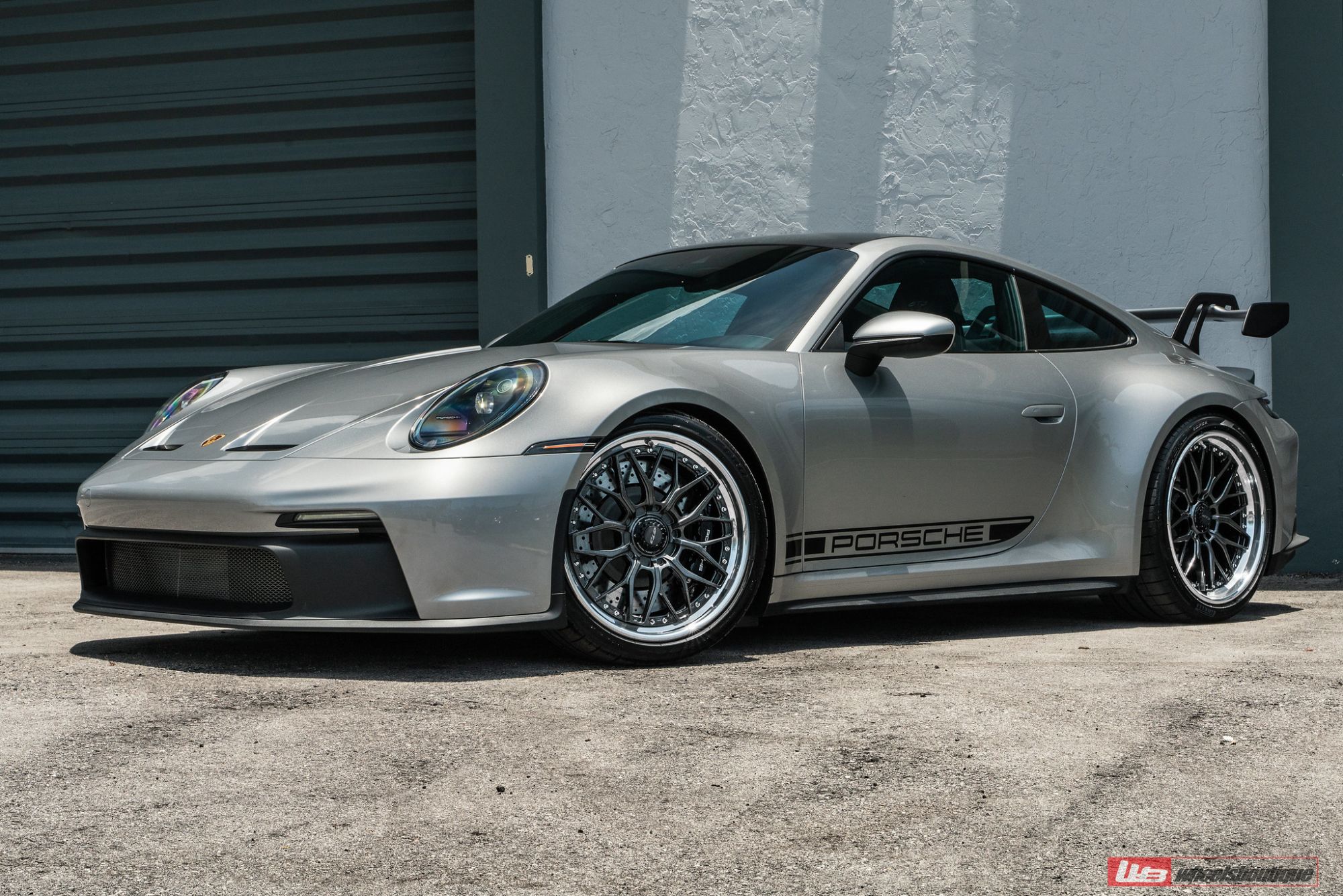
About This Nissan Sentra S 2017 Build
We love featuring real builds from real owners. This Nissan Sentra S 2017 sits on a set of 16×7.5 / 16×7.5-inch KMC KM716 wheels, and the result speaks for itself.
The owner chose KMC for a reason. This brand delivers serious quality and a design language that turns heads at every car meet. We see hundreds of Nissan Sentra S builds come through WheelFront every month, but this one stands out. The combination of the exterior with the KMC KM716 creates a look that balances aggression with elegance.

Fitment Breakdown: KMC KM716 on the Nissan Sentra S 2017
I walked around this Sentra S for twenty minutes at the meet, and I keep coming back to the KM716 setup. We ran the 16x7.5 sizing here, which is a massive upgrade over the factory steelies. The 38 offset brings these wheels right out to the edge of the fenders.
The flush look gives the Sentra a wider track without resorting to cheap spacers. We checked the caliper clearance closely, and you have plenty of room to spare. The KMC design clears the stock Nissan front brakes easily.
The hub bore fits the Sentra center perfectly. We hate using hub-centric rings when we can avoid them, and this setup keeps things tight. You get a solid vibration-free experience on the highway.
Because the car sits on stock suspension, you have a decent amount of fender gap left. The 16-inch diameter keeps the sidewall tall enough to handle potholes without blowing a tire. We see no rubbing on the inner liners during hard turns.
The barrel lip on the KM716 has just enough depth to catch your eye. It adds a premium feel to an otherwise economy sedan platform. The spoke design extends all the way to the rim edge, making the wheel look larger than it actually is.
We did look for potential rub points at full lock. The setup clears the plastic fender liners with room to spare. You are safe even if you carry a full load of passengers.
Going up to an 8-inch width might push your luck with the stock fenders. Sticking to the 7.5 width keeps the fitment clean and functional. This is exactly how a daily driver should sit.
What We Recommend for Nissan Sentra S 2017 Owners
If you want to replicate this, stick to the 16 or 17-inch range. Anything larger creates a rubber-band tire look that ruins the ride quality. We prefer the 16s because they balance aesthetics with actual performance.
For the offset, stay between 35 and 40. Pushing lower than 35 will poke the tire past the fender and look goofy. We love the 38 offset because it hits that sweet spot of flush alignment.
Forget about a staggered setup on this front-wheel-drive platform. We always recommend a square 7.5 width for better tire rotation and predictable handling. You want your car to rotate through corners, not fight you.
Don't fall for the trap of massive tire stretch. Running a 205 or 215 series tire will keep the sidewall square and protect your wheels. It looks aggressive and keeps the rim safe from curb rash.
If you plan to lower the car later, plan your offset carefully. A 38 offset gives you a small buffer if you decide to install coilovers. You might need a slight fender roll if you drop the car more than two inches.
Style and Build Analysis
The Bronze finish on the KM716 is the real game-changer here. It provides a sharp contrast against the factory paint that silver or black wheels simply cannot match. It gives the Sentra an elevated, custom street presence.
The multi-spoke geometry of the KMC wheel feels mechanical and purposeful. It breaks up the soft, rounded lines of the stock Sentra bodywork. The wheels add a layer of aggression that the car lacks from the factory.
We see a lot of builds that go overboard with gaudy colors or huge diameters. This build succeeds because of its restraint and balance. It respects the original design while pushing it into a new category of style.
The proportions feel right because the wheel fills the wheel well without looking stuffed. It has a factory-plus aesthetic that looks like it could have come from a special edition trim level. That is the highest compliment we can give a build.
When the sun hits the bronze finish, the wheels really pop against the asphalt. It transforms the car from a grocery-getter into a legitimate project vehicle. This is how you build a Sentra the right way.
Why We Love This Build
I stopped in my tracks when I saw this Sentra parked in the morning light. The bronze KM716s catch the sun perfectly and anchor the car to the ground. It creates a cohesive look that makes the stock body panels look intentional and sharp.
There is something honest about a clean, functional build that doesn't scream for attention. This car proves you don't need a massive budget to create a unique machine. It looks ready for the road and begs to be driven hard.
We love the balance, the fitment, and the bold choice of finish. If you want to transform your daily ride, this is the blueprint you follow. Stop dreaming and go get your own set.
Full Specs Breakdown
Here is exactly what this owner is running. We break down every detail so you can replicate this build or use it as a starting point for your own setup.
- Car Make & Model: Nissan Sentra S 2017
- Vehicle Color:
- Wheel Brand & Model: KMC KM716
- Wheel Size: 16×7.5 / 16×7.5
- Offset: 38 / 38
- Wheel Finish: Bronze
- Tires: Bridgestone Turanza EL400-02 205/55 24.9″x8.1″ / 205/55 24.9″x8.1″
- Suspension: Stock
Before You Buy: Fitment Checklist
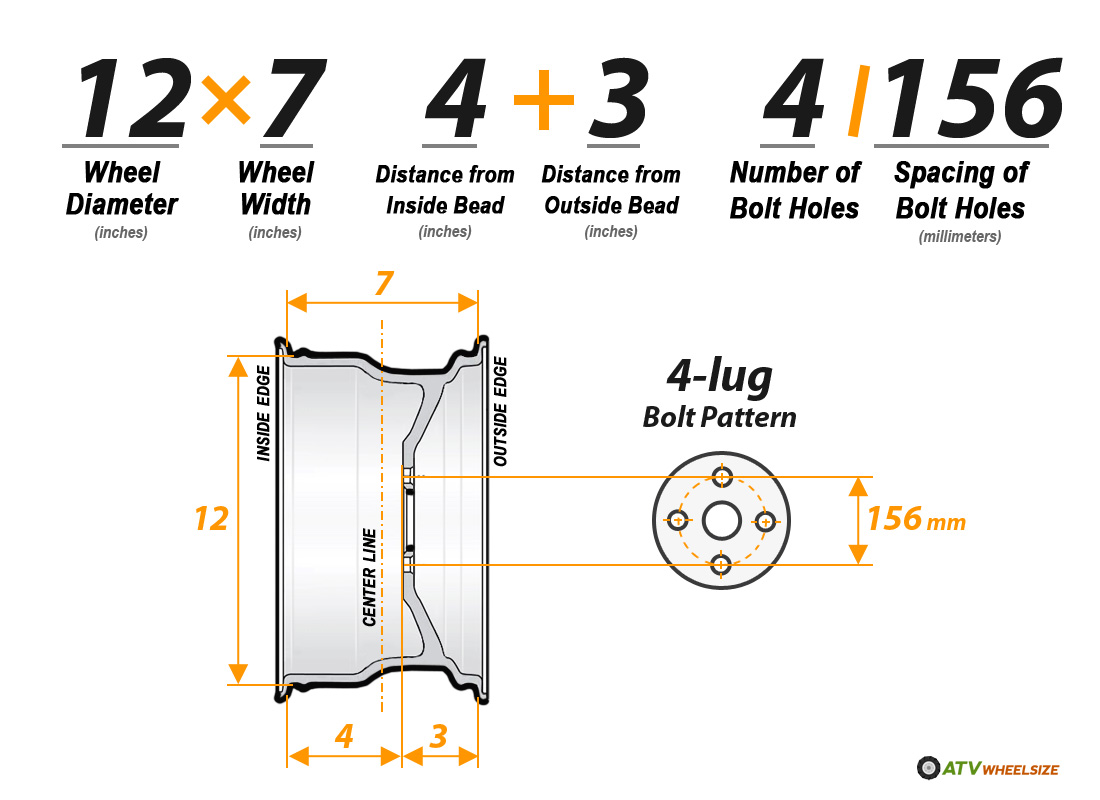
We talk to Nissan Sentra S owners every day. These are the questions we hear most before they pull the trigger on new wheels.
Will 16×7.5 / 16×7.5-inch wheels fit my Nissan Sentra S? Yes, but fitment depends on width, offset, and tire size working together. A wrong offset means rubbing. A wrong tire size means poor handling. Always verify all three.
Do I need to modify my fenders? That depends on your offset and suspension. A conservative offset with stock ride height usually fits without modification. Go aggressive and you may need to roll or pull your fenders.
Can I daily-drive this setup? Absolutely. Thousands of Nissan Sentra S owners run 16×7.5 / 16×7.5-inch wheels every day. The key is choosing the right tire with enough sidewall to absorb road imperfections.