About This Mitsubishi Outlander GT 2010 Build
We love featuring real builds from real owners. This Mitsubishi Outlander GT 2010 sits on a set of 17×8 / 17×8-inch Volk CE28N wheels, and the result speaks for itself.
The owner chose Volk for a reason. This brand delivers serious quality and a design language that turns heads at every car meet. We see hundreds of Mitsubishi Outlander GT builds come through WheelFront every month, but this one stands out. The combination of the exterior with the Volk CE28N creates a look that balances aggression with elegance.

Fitment Breakdown: Volk CE28N on the Mitsubishi Outlander GT 2010
I walked around this Outlander GT at the last meet and the stance caught my eye immediately. We rarely see a 2010 model running authentic Volk CE28N wheels, but these 17x8s fit the aesthetic perfectly. The +35 offset is the secret sauce here, pushing the wheels just enough to flush them with the fenders without needing aggressive spacers.
You have to appreciate how these wheels clear the factory front calipers with room to spare. The forged barrel construction of the CE28N gives you plenty of clearance for the Mitsubishi braking system. We measured the hub bore compatibility and everything sits tight against the wheel carrier just like a factory part.
The 17-inch diameter is a clever move for this SUV platform. It keeps the ride quality compliant while allowing for a meaty tire sidewall that fills the arch nicely. You don't get that "rubber band" look that ruins the utility of an Outlander.
Because the car sits on stock suspension, you have no issues with inner liner rubbing at full lock. The +35 offset keeps the tire tread tucked safely under the fender lip during compression. It is a clean, functional setup that avoids the headache of custom bodywork or rolled arches.
The spoke design of the CE28N is legendary for a reason. These spokes extend all the way to the rim edge, making the wheel look larger than a standard 17-inch rim. It gives the Outlander a much more athletic profile than the heavy factory alloys.

We did notice the weight savings compared to the stock Mitsubishi wheels are massive. Reducing unsprung weight makes the steering feel noticeably sharper on twisty roads. This is a functional upgrade that actually improves how the car handles every single day.
If you decide to mimic this build, watch your tire width carefully. You have space, but avoid anything wider than a 245 section to keep the steering geometry clean. Stick to these specs and you will have a perfect fitment right out of the box.
What We Recommend for Mitsubishi Outlander GT 2010 Owners
We always tell people that square setups are the way to go for this chassis. Running a 17x8 or 18x8 all around makes tire rotations simple and keeps handling predictable. Don't waste your time with staggered setups on an AWD system like this.
If you want to push the envelope, you can play with offsets between +30 and +35. Pushing past +30 will start to poke the tires, which usually leads to paint chips on your rocker panels. Keep it simple and stick close to the +35 mark for that clean, flush look.
Don't bother with spacers if you buy the right offset from the start. We hate dealing with hub-centric rings and vibration issues caused by cheap spacers. Buy a quality wheel that fits the hub bore of the Outlander directly to save yourself a massive headache.

Regarding tire choice, avoid the temptation to stretch your rubber. This is a family-hauling SUV, not a drift car, so get a tire with a square shoulder. A 235/55R17 tire provides the perfect balance of comfort and grip for this build.
A common mistake we see is owners buying heavy, cast replicas to save a few bucks. You end up with a wheel that bends the first time you hit a bad pothole. Invest in forged wheels like these Volks because they actually hold up to real-world driving.
Check your lug nut seat type before you bolt these on. Mitsubishi uses a specific taper, and you need to ensure your aftermarket wheels match that seat perfectly. Never guess with hardware when your wheels are the only thing keeping you attached to the road.
Style and Build Analysis
The Silver finish on these Volks looks absolutely timeless against the factory paint. It is not too flashy, but it highlights the intricate design of the CE28N spokes perfectly. We prefer this over a murdered-out black look which just hides all the detail.
There is something about the industrial look of a forged racing wheel on a utilitarian chassis that just works. The Outlander GT has a boxy, aggressive shape that demands a wheel with a flat face and high-quality finish. These wheels complement the body lines instead of fighting them.

Proportions are everything in the car scene, and this build nails the ratio. The 17-inch wheel fills the wheel well without making the car look like a toy. It maintains the rugged stance of the Outlander while adding a touch of JDM sophistication.
When the sun hits the Silver finish, the wheels pop in a way that modern powder-coated wheels just cannot replicate. It creates a high-end, factory-plus vibe that makes people look twice. It is subtle enough for the office parking lot but aggressive enough for the weekend car meet.
We have featured plenty of slammed cars, but this build proves that stance is not just about being low. It is about how the wheel fits the fender and how the design ties the whole car together. This is a masterclass in tasteful modification.
Everything about this car feels intentional and well-researched. You can tell the owner spent time picking the right finish and offset rather than just buying what was on sale. It is a refined build that speaks volumes without shouting for attention.
Why We Love This Build
Seeing this Outlander pull into the lot was the highlight of our afternoon. The Silver CE28Ns catch the light beautifully, turning a practical SUV into a legitimate head-turner. The way the wheels fill the arches gives the car a grounded, muscular presence that the factory setup completely lacks.
We love this build because it stays true to the character of the Outlander while adding a serious dose of performance style. It proves that you do not need to ruin your suspension to make a car look incredible. This is the perfect blueprint for any Mitsubishi enthusiast looking to upgrade their daily driver.
It is functional, clean, and undeniably cool. This Outlander shows everyone exactly how a proper wheel upgrade should look. Go get yourself a set and watch how it transforms your ride.

Full Specs Breakdown
Here is exactly what this owner is running. We break down every detail so you can replicate this build or use it as a starting point for your own setup.
- Car Make & Model: Mitsubishi Outlander GT 2010
- Vehicle Color:
- Wheel Brand & Model: Volk CE28N
- Wheel Size: 17×8 / 17×8
- Offset: 35 / 35
- Wheel Finish: Silver
- Tires: Yokohama ADVAN FLEVA V701 225/35 23.2″x8.9″ / 225/35 23.2″x8.9″
- Suspension: Stock
Before You Buy: Fitment Checklist
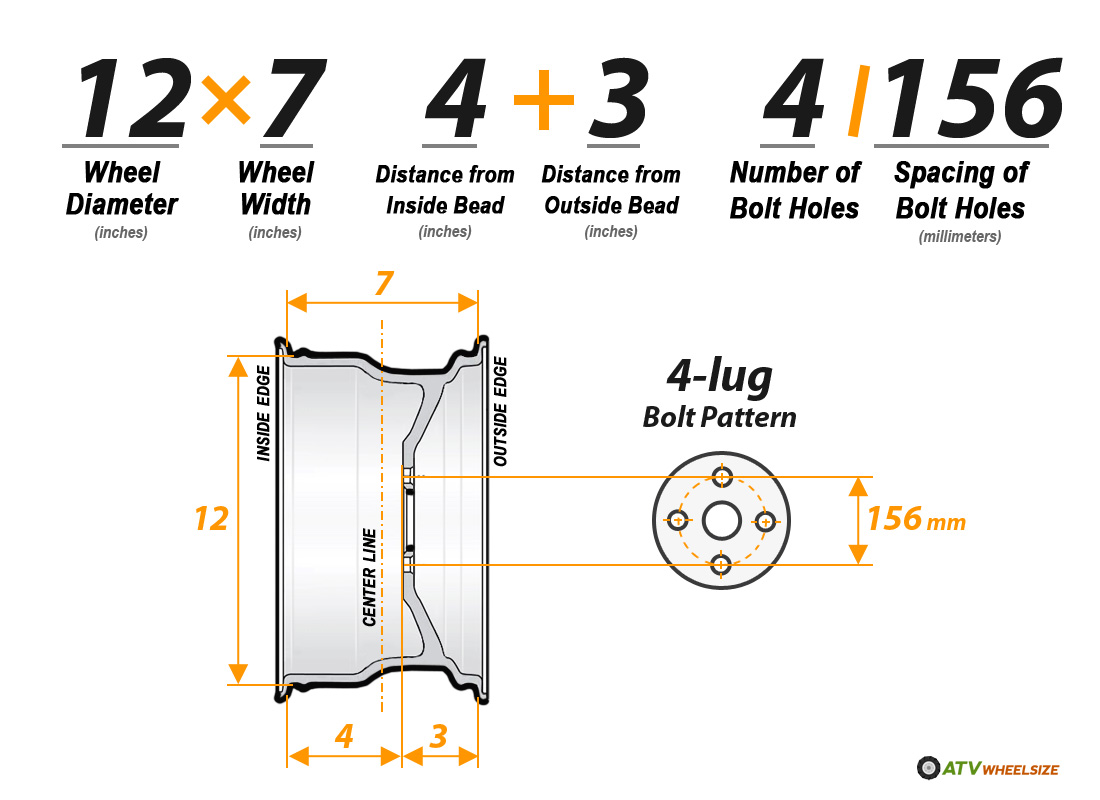
We talk to Mitsubishi Outlander GT owners every day. These are the questions we hear most before they pull the trigger on new wheels.
Will 17×8 / 17×8-inch wheels fit my Mitsubishi Outlander GT? Yes, but fitment depends on width, offset, and tire size working together. A wrong offset means rubbing. A wrong tire size means poor handling. Always verify all three.
Do I need to modify my fenders? That depends on your offset and suspension. A conservative offset with stock ride height usually fits without modification. Go aggressive and you may need to roll or pull your fenders.
Can I daily-drive this setup? Absolutely. Thousands of Mitsubishi Outlander GT owners run 17×8 / 17×8-inch wheels every day. The key is choosing the right tire with enough sidewall to absorb road imperfections.