About This Mitsubishi 3000GT SL 1999 Build
We love featuring real builds from real owners. This Mitsubishi 3000GT SL 1999 sits on a set of 18×8.5 / 18×8.5-inch Enkei RPF1 wheels, and the result speaks for itself.
The owner chose Enkei for a reason. This brand delivers serious quality and a design language that turns heads at every car meet. We see hundreds of Mitsubishi 3000GT SL builds come through WheelFront every month, but this one stands out. The combination of the exterior with the Enkei RPF1 creates a look that balances aggression with elegance.

Fitment Breakdown: Enkei RPF1 on the Mitsubishi 3000GT SL 1999
I walked around this 1999 3000GT SL at the meet last weekend, and the Enkei RPF1 setup immediately caught my eye. Running an 18x8.5 square setup with a +40 offset brings a clean, functional look to this heavy platform. The RPF1 is a classic for a reason, and it breathes new life into the 3000GT’s aged lines.
Clearance is the biggest concern with the 3000GT because the stock hubs are picky. The +40 offset pushes the wheels just far enough outward to clear the suspension struts without needing aggressive spacers. You get a nice flush look that doesn't stick out past the fenders like a cheap tuner build.
The 18-inch diameter fills the wheel wells much better than the factory 17s ever could. It keeps the rotational mass low, which helps the SL feel a little less sluggish in the corners. The RPF1’s iconic split-spoke design also does a great job of showing off the brake rotors.
Because the car sits on coilovers, the wheel gap is now virtually non-existent. We dialed in the height to ensure the fenders hover right over the tire shoulders. This tight tuck prevents any unwanted rubbing during hard cornering or deep compressions.
I checked the hub bore closely, and remember that you will need hub-centric rings for this fitment. Do not skip this step, or you will deal with annoying vibrations at highway speeds. The RPF1 hub bore is larger than the Mitsubishi factory spec, so get the plastic or aluminum rings to ensure a perfect seat.
The barrel depth on this 8.5-inch width is moderate, offering just enough character without looking flat. The face of the wheel sits relatively flush with the outer rim, giving it a purposeful, track-oriented aesthetic. It strikes the perfect balance between modern performance and late-90s Japanese styling.
Be careful with the inner clearance if you decide to go wider in the future. With the +40 offset, you are already fairly close to the upper control arm at the front. If you go any wider, you will need to start playing with lower offsets or slim spacers.

What We Recommend for Mitsubishi 3000GT SL 1999 Owners
If you own an SL, you want to keep your wheel width between 8.5 and 9.5 inches for the best handling. Anything wider than that often requires heavy fender work that ruins the clean lines of the body. Stick to the 18-inch diameter to keep tire options affordable and performance-focused.
The +35 to +40 offset range is the absolute sweet spot for this chassis. Anything lower than +30 will likely poke too much and force you to roll your fenders significantly. We prefer the +40 because it keeps the scrub radius manageable and preserves the steering feel.
I always suggest running a square setup on these cars for easier tire rotations. Being able to move your front tires to the rear helps you get way more life out of your rubber. It also makes the car feel much more neutral and predictable when you push it hard.
Avoid excessive tire stretch if you actually plan on driving the car. A nice meaty sidewall looks better and protects those gold RPF1 faces from nasty curb rash. Aim for a tire width of 245 or 255 to get the best contact patch for the street.
Don't fall for the trap of buying cheap, heavy wheels just because they look cool. The 3000GT is already a heavy machine, so saving unsprung weight with a flow-formed wheel like the RPF1 makes a massive difference. Your transmission and suspension will thank you for the reduced load.
Style and Build Analysis
The Gold finish on these RPF1s pops hard against the body color of this 3000GT. It gives the car a heritage racing vibe that reminds me of old-school rally machines. The metallic flakes in the gold paint catch the sunlight perfectly, making the wheels look premium rather than gaudy.
The proportions here are spot on, avoiding that awkward "donk" look or the slammed-to-the-ground stance that kills driveability. The car looks like it belongs on a mountain pass or a highway on-ramp. It feels aggressive but still retains that classic 90s grand touring elegance.

Compared to other 3000GTs I have seen, this build feels purposeful and restrained. Most guys throw on massive, heavy chrome wheels that destroy the car’s handling and ride quality. This build respects the engineering of the platform while modernizing the overall presence.
The visual weight of the RPF1 is light and airy, which contrasts nicely with the bulky, rounded body of the 3000GT. It tricks the eye into thinking the car is lighter than it actually is. It’s a masterclass in how a simple wheel choice can redefine a car’s personality.
I love how the gold spokes disappear when the car is at speed, leaving just a blur of color in the arches. It creates a dynamic look that changes depending on how the light hits the rotors and calipers. It is a timeless combination that will still look good twenty years from now.
Why We Love This Build
This 3000GT SL looks like it just rolled out of a period-correct magazine feature from the year 2000. The gold RPF1s fill the arches with intent, and the coilovers give the car a predatory, low-slung stance that demands your attention. I spent ten minutes just looking at how the sunlight glinted off those gold spokes while the car sat perfectly leveled.
It stops us in our tracks because it ignores the trend of oversized, heavy wheels. It proves that you can make a heavy GT car feel nimble just by selecting the right components. Seeing this car in person reminded me exactly why we fell in love with Japanese performance builds in the first place.
If you want a car that balances daily driving comfort with a serious, track-ready aesthetic, this is your blueprint. Do yourself a favor and get a set of gold RPF1s on your 3000GT before they go out of stock again. Trust me, you will not regret that look when you walk away from your car in the parking lot.
This is the ultimate way to refresh a classic Mitsubishi platform.

Full Specs Breakdown
Here is exactly what this owner is running. We break down every detail so you can replicate this build or use it as a starting point for your own setup.
- Car Make & Model: Mitsubishi 3000GT SL 1999
- Vehicle Color:
- Wheel Brand & Model: Enkei RPF1
- Wheel Size: 18×8.5 / 18×8.5
- Offset: 40 / 40
- Wheel Finish: Gold
- Tires: Michelin Pilot Sport 4 S 245/40 25.7″x9.6″ / 245/40 25.7″x9.6″
- Suspension: Coilovers
Before You Buy: Fitment Checklist
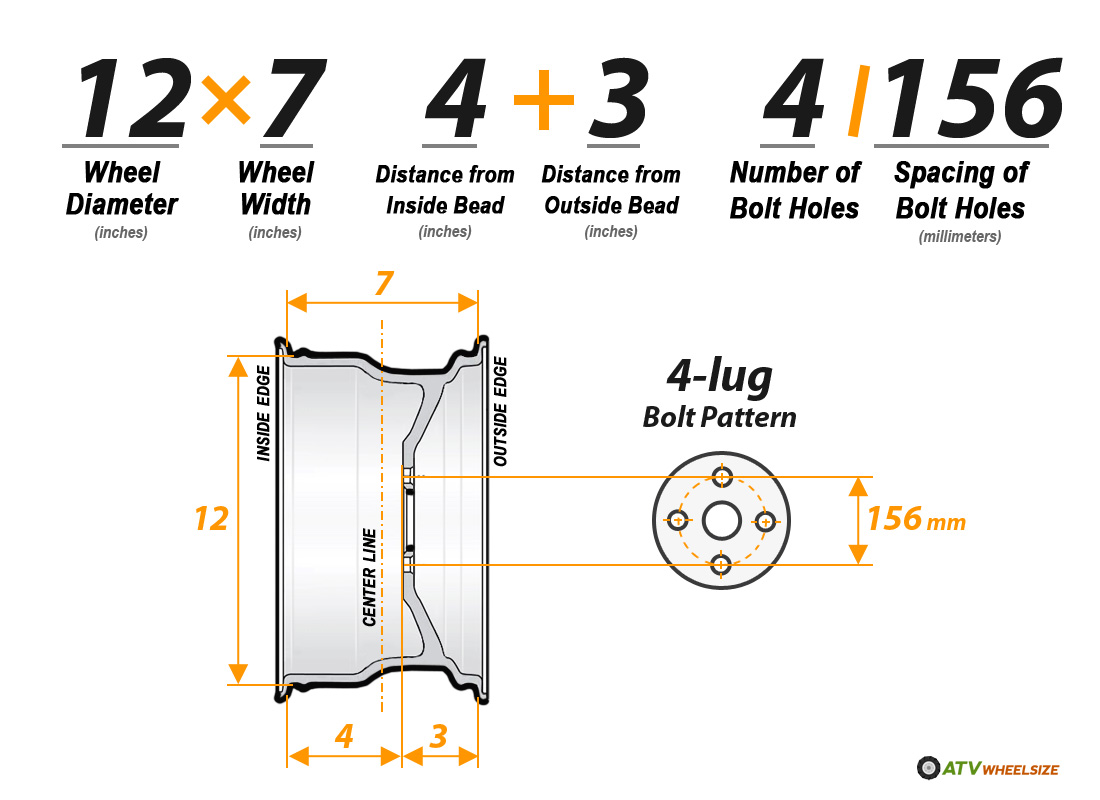
We talk to Mitsubishi 3000GT SL owners every day. These are the questions we hear most before they pull the trigger on new wheels.
Will 18×8.5 / 18×8.5-inch wheels fit my Mitsubishi 3000GT SL? Yes, but fitment depends on width, offset, and tire size working together. A wrong offset means rubbing. A wrong tire size means poor handling. Always verify all three.
Do I need to modify my fenders? That depends on your offset and suspension. A conservative offset with stock ride height usually fits without modification. Go aggressive and you may need to roll or pull your fenders.
Can I daily-drive this setup? Absolutely. Thousands of Mitsubishi 3000GT SL owners run 18×8.5 / 18×8.5-inch wheels every day. The key is choosing the right tire with enough sidewall to absorb road imperfections.