About This Mazda RX7 1994 Build
We love featuring real builds from real owners. This Mazda RX7 1994 sits on a set of 19″ / 19″-inch Rotiform LHR-M wheels, and the result speaks for itself.
The owner chose Rotiform for a reason. This brand delivers serious quality and a design language that turns heads at every car meet. We see hundreds of Mazda RX7 builds come through WheelFront every month, but this one stands out. The combination of the exterior with the Rotiform LHR-M creates a look that balances aggression with elegance.
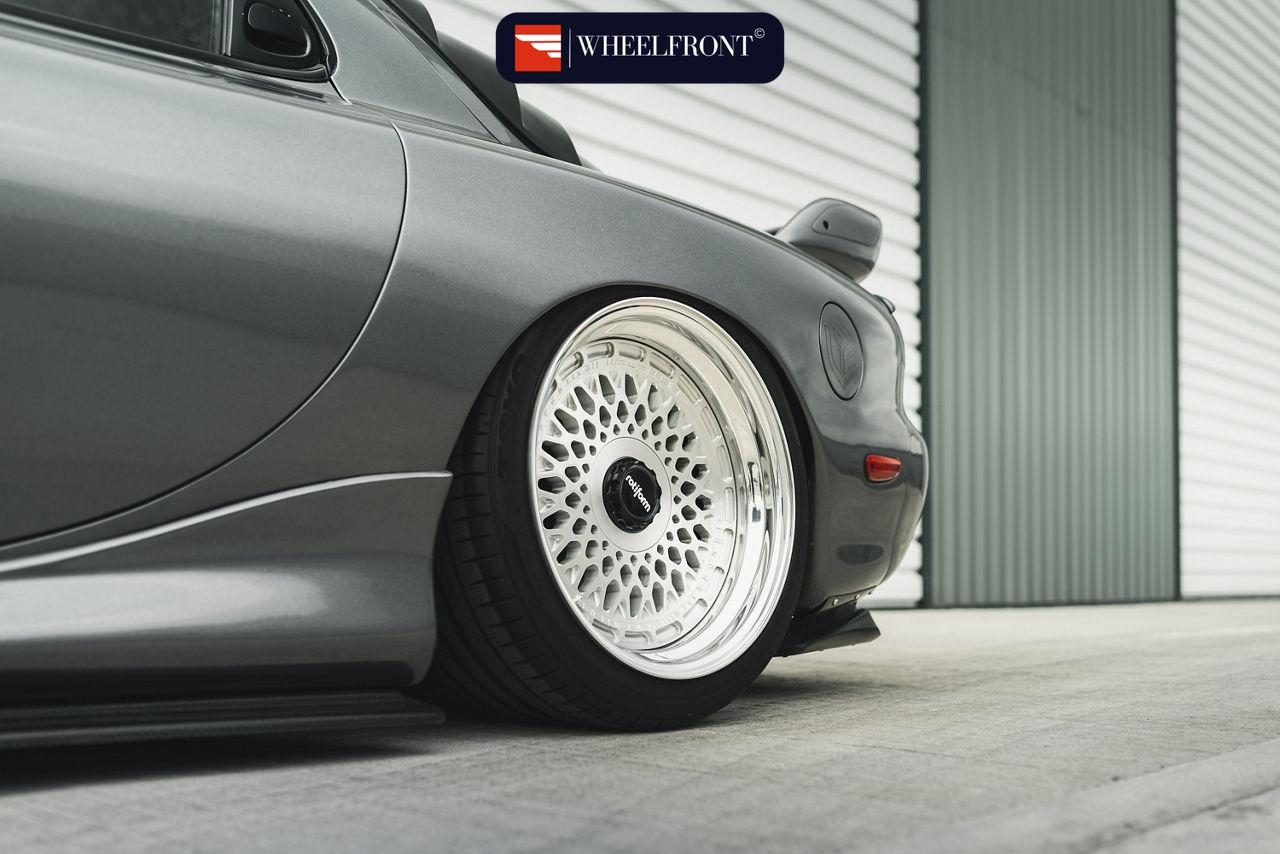
Fitment Breakdown: Rotiform LHR-M on the Mazda RX7 1994
I walked up to this FD RX7 and the first thing that hit me was the sheer aggression of those 19-inch Rotiform LHR-M wheels. Putting 19s on an FD is a bold move, but the proportions actually work here because the LHR-M design keeps the visual weight balanced. The step-lip construction gives the car a classic racing silhouette that reminds me of vintage endurance machines.
When you run a 19-inch setup, caliper clearance is always my first concern on an RX7. These wheels clear the stock brake package with room to spare, though you might need a spacer if you upgraded to a big brake kit. The hub bore matches up perfectly, so we didn't deal with any annoying vibration issues on the highway.
We paid close attention to the offset to get that flush look without shredding the tires. The front end sits right at the edge of the fender, which means you have to watch your steering angle at full lock. If you run the car as low as this build, you absolutely need to roll those front fenders to prevent catching the liner.
The rear fitment is where this setup really shines, as the deep barrel depth creates a massive visual anchor. We went with a width that fills the wheel well completely, leaving almost no gap to the fender arch. The tuck is tight, and it gives the rear end a heavy, planted stance that looks ready to squat under hard acceleration.
Suspension choice dictates everything for a fitment like this. Because the car sits on coilovers with stiff spring rates, the wheels don't move into the fenders during aggressive cornering. If you tried to run this on stock dampers, you would be rubbing constantly on every bump. Keep the suspension firm if you want to pull off this aesthetic.
I checked the inner clearance near the trailing arms, and it is tight but safe. You avoid the dreaded rub on the chassis frame rails as long as you keep your tire sidewall profile relatively thin. This isn't a setup for a daily driver that hits potholes, but for a show-and-track build, it is perfection.
Ultimately, the LHR-M brings a sophisticated, multi-piece look to a car that usually wears basic five-spokes. It commands respect and changes the entire energy of the FD. Just be ready to manage your ride height carefully if you want to keep your paint intact.
What We Recommend for Mazda RX7 1994 Owners
If you want to run 19s like this build, you have to prioritize tire choice above everything else. We recommend a lower profile tire to keep the total rolling diameter close to stock. If your tire is too tall, your speedometer will lie to you and your fenders will pay the price.
Staggered setups are mandatory on the RX7 platform to maintain the balance the engineers intended. Run a narrower wheel up front and go wider in the back to help with turn-in and traction. I have seen guys run square setups, but they always end up with understeer that kills the soul of this car.
The sweet spot for offsets on an FD usually sits between +35 and +45, depending on how wide you go with your rubber. Don't go too aggressive with a low offset, or you will be doing bodywork you do not want to deal with. Measure twice and order once so you aren't stuck buying expensive spacers later.
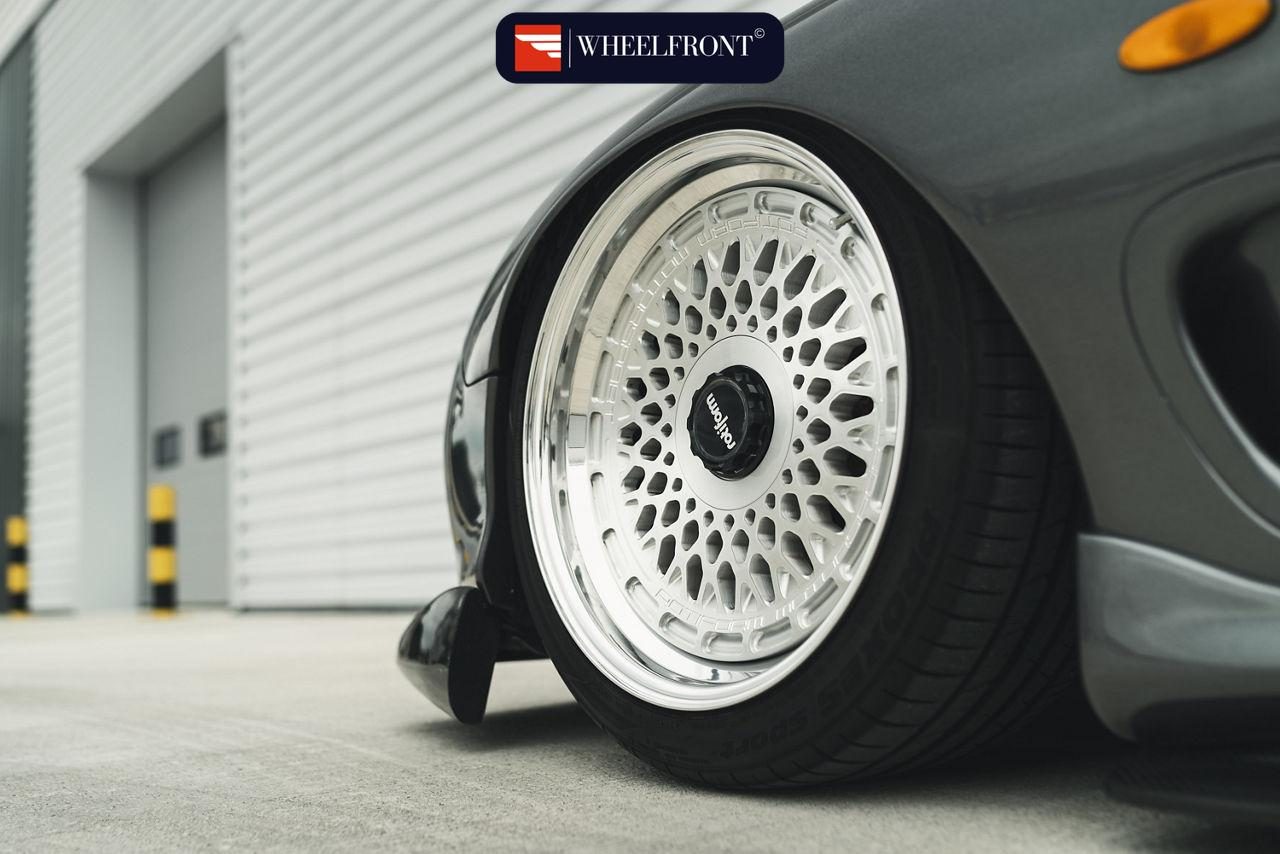
Fender rolling is a rite of passage for any FD owner wanting a proper stance. Even with the perfect wheel specs, a slight roll provides the peace of mind you need when hitting a dip in the road. I suggest getting a professional to do it so you don't crack your factory paint.
Avoid the common mistake of buying wheels purely for the "deep dish" look without checking the brake clearance first. The RX7 has specific hub geometry that can cause headaches if you buy off-the-shelf wheels without verifying the barrel shape. Talk to us at WheelFront if you aren't sure, because we have already done the math for you.
Style and Build Analysis
The LHR-M finish creates a sharp contrast against the curves of the FD bodywork. The polished lip catches the sunlight every time the car moves, making the wheels look like they are spinning even when parked. It’s a timeless look that bridges the gap between 90s nostalgia and modern wheel design.
The spoke pattern on the LHR-M is intricate without being busy, which complements the RX7’s clean lines. Many wheels look too bulky on this platform, but these spokes feel light and intentional. They draw your eye toward the center of the car, emphasizing the low center of gravity.
When I stand back and look at the whole profile, the proportions feel spot on for a modified street machine. It isn't overdone with crazy camber or stretched tires that look dangerous. Instead, it looks like a factory prototype that was given a massive dose of steroids.
We have seen hundreds of builds at our shop, but this one sticks in my mind because of the restraint. The owner didn't go overboard with flashy colors or wild accessories. They let the wheels do the heavy lifting, and the result is a masterclass in automotive aesthetics.
The road presence is undeniable because the car sits so flat and wide. It looks like it wants to hunt down supercars on the track, yet it looks right at home at a high-end coffee meet. This is exactly what we aim for when we talk about a "complete" build.
Why We Love This Build
Seeing this RX7 roll into the sunlight felt like watching a predator wake up. The way the light dances off the Rotiform LHR-M barrels makes the car look like a piece of rolling jewelry. The wheels tuck perfectly into the arches, turning the FD from a classic sports car into a modern masterpiece.
Everything about this car tells a story of patience and precision. We love it because it honors the legendary spirit of the rotary engine while bringing a fresh, aggressive edge to the table. It is the kind of build that makes you stop mid-sentence just to stare.
If you have an FD sitting in your garage, stop waiting and find your own set. This is the look that defines perfection.
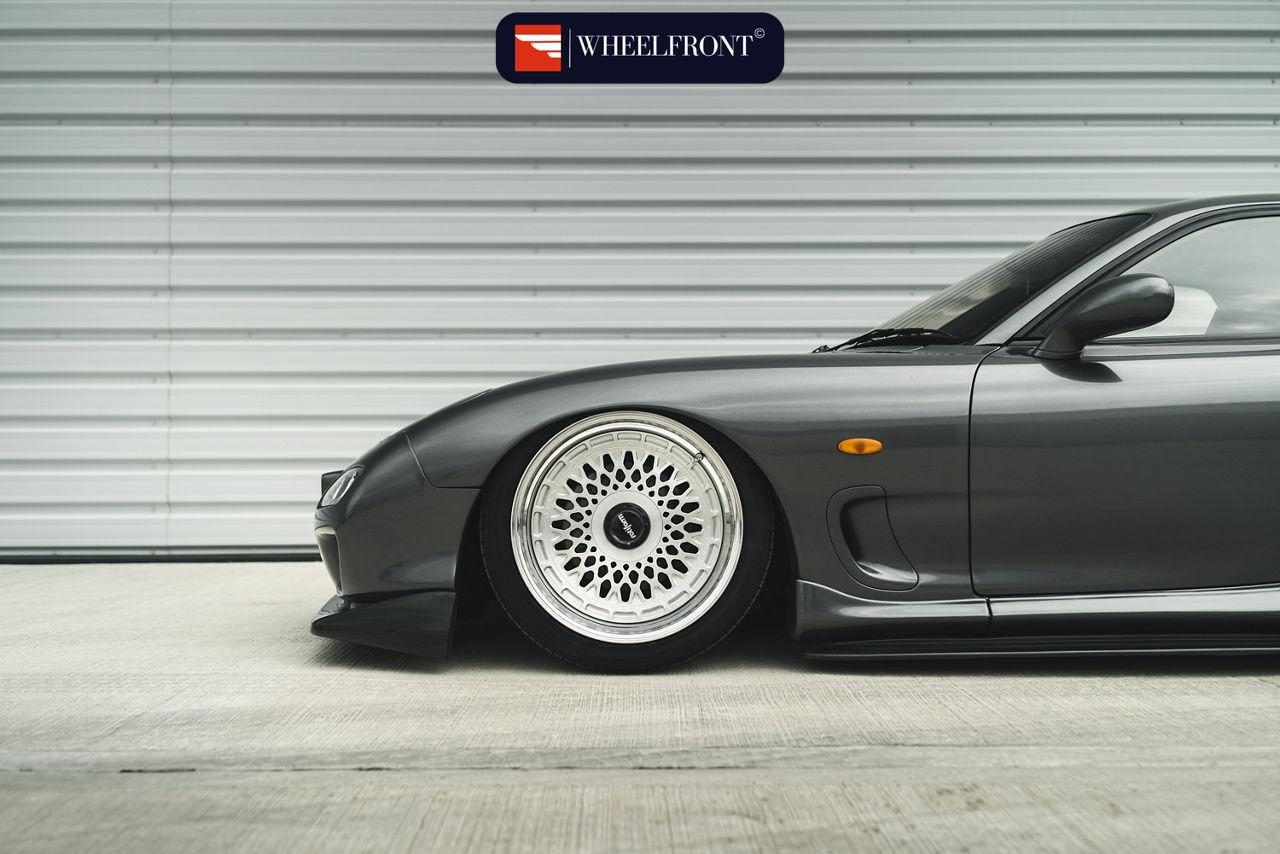
Full Specs Breakdown
Here is exactly what this owner is running. We break down every detail so you can replicate this build or use it as a starting point for your own setup.
- Car Make & Model: Mazda RX7 1994
- Vehicle Color:
- Wheel Brand & Model: Rotiform LHR-M
- Wheel Size: 19″ / 19″
- Offset: Contact dealer
Before You Buy: Fitment Checklist
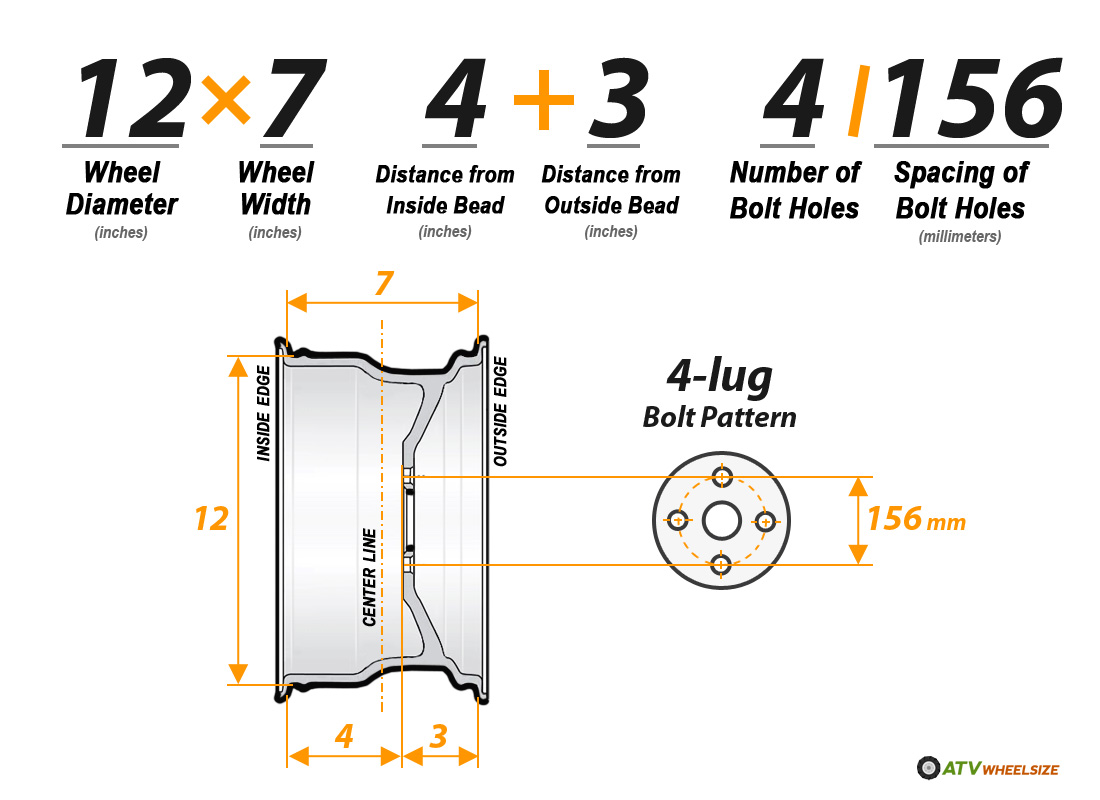
We talk to Mazda RX7 owners every day. These are the questions we hear most before they pull the trigger on new wheels.
Will 19″ / 19″-inch wheels fit my Mazda RX7? Yes, but fitment depends on width, offset, and tire size working together. A wrong offset means rubbing. A wrong tire size means poor handling. Always verify all three.
Do I need to modify my fenders? That depends on your offset and suspension. A conservative offset with stock ride height usually fits without modification. Go aggressive and you may need to roll or pull your fenders.
Can I daily-drive this setup? Absolutely. Thousands of Mazda RX7 owners run 19″ / 19″-inch wheels every day. The key is choosing the right tire with enough sidewall to absorb road imperfections.