About This Mazda RX-7 R1 1993 Build
We love featuring real builds from real owners. This Mazda RX-7 R1 1993 sits on a set of 18×9.5 / 18×9.5-inch AVID1 AV20 wheels, and the result speaks for itself.
The owner chose AVID1 for a reason. This brand delivers serious quality and a design language that turns heads at every car meet. We see hundreds of Mazda RX-7 R1 builds come through WheelFront every month, but this one stands out. The combination of the exterior with the AVID1 AV20 creates a look that balances aggression with elegance.

Fitment Breakdown: AVID1 AV20 on the Mazda RX-7 R1 1993
I walked up to this RX-7 at the show and immediately checked the stance. The 18x9.5 square setup on an FD chassis is a bold move. It fills those factory arches with serious authority.
We see a +38 offset here, which sits right in that Goldilocks zone for the FD. It pushes the wheels out toward the fender lips without forcing you to hack up your bodywork. You get that flush look we all chase.
The AV20 spoke design clears the front brakes surprisingly well. I checked the gap near the calipers and there is plenty of room to breathe. You will not have any annoying contact issues here.
Because the car sits on coilovers, the geometry changes the game entirely. We adjusted the dampening to keep the tires from kissing the fender liners during hard cornering. A stiff setup is mandatory with this width.
Watch your inner clearance on the front suspension struts. With a 9.5-inch width, you have very little margin for error on the inside. We recommend checking your coilover spring perch clearance once you bolt these on.

The hub bore on these wheels matches the Mazda spec perfectly. We hate using hub rings if we can avoid them, and this setup keeps things tight and vibration-free. It feels factory solid at highway speeds.
The barrel depth on these AV20s adds a nice touch of aggression. It gives the car a deeper, more intentional profile than those flat-faced stock wheels. It balances the visual weight of the car perfectly.
What We Recommend for Mazda RX-7 R1 1993 Owners
Listen, the FD is a legendary machine, so don't ruin it with cheap, heavy wheels. If you want a square 18x9.5 setup like this, stick to offsets between +35 and +40. This keeps your scrub radius healthy and prevents weird handling quirks.
If you prefer a staggered look, we suggest a 9-inch front and 10-inch rear. The RX-7 loves to put power down, so more rubber in the back never hurts. Just watch your offset specs to avoid poking too far.
Don't fall for the massive tire stretch trend. It ruins the handling balance that Mazda engineered into this chassis. Run a proper tire width that protects the rim and gives you actual grip in the corners.

Most of you will need a minor fender roll to clear these 9.5-inch wheels comfortably. It is a small price to pay for that aggressive, dialed-in stance. Do it right the first time so you don't chew up your sidewalls.
Avoid massive spacers if you can help it. They put unnecessary strain on your wheel bearings and ruin your steering feedback. Choose the right offset from the start and you won't need that hardware.
Style and Build Analysis
The black finish on these AV20s looks lethal against the RX-7’s curves. It creates a dark, brooding silhouette that reminds me of a track weapon from the nineties. It makes the car look faster even when it's parked.
I love how the multi-spoke design mimics some of the classic Japanese racing wheels. It honors the heritage of the FD without trying too hard. The style is simple, clean, and brutally effective.
This build proves that you don't need a crazy wide-body kit to turn heads. The factory lines of the R1 are perfect on their own. These wheels just highlight those curves and give the car a proper low-slung vibe.

When you park this car next to others with wild, multi-piece wheels, this one wins on pure flow. It looks like it belongs on a circuit in Japan, not just at a local coffee shop. The proportions are absolutely spot on.
We have seen hundreds of FDs, but this one sticks in my memory. The black-on-body color combo creates a cohesive look that feels deliberate. It is an honest, driver-focused build that commands respect.
Why We Love This Build
Seeing this RX-7 roll into the sunlight made my heart skip a beat. The black AV20s catch the light just right, highlighting the sharp edges of the spokes against the smooth, iconic body lines. Every time the car moves, the wheels fill those arches with a level of aggression that makes the stock setup look like a toy.
It is rare to see a build that hits this hard without overdoing it. Everything here serves a purpose, from the coilover stance to the precise offset that hugs the fenders. This car captures the soul of 90s tuning culture in a modern, refined way.
This is the kind of setup that makes you want to drive all night just to hear the rotary scream. It is built to be driven hard, looked at often, and loved deeply. Go get yourself a set.

Full Specs Breakdown
Here is exactly what this owner is running. We break down every detail so you can replicate this build or use it as a starting point for your own setup.
- Car Make & Model: Mazda RX-7 R1 1993
- Vehicle Color:
- Wheel Brand & Model: AVID1 AV20
- Wheel Size: 18×9.5 / 18×9.5
- Offset: 38 / 38
- Wheel Finish: Black
- Tires: BFGoodrich G-Force Sport Comp-2 255/45 27″x10″ / 255/45 27″x10″
- Suspension: Coilovers
Before You Buy: Fitment Checklist
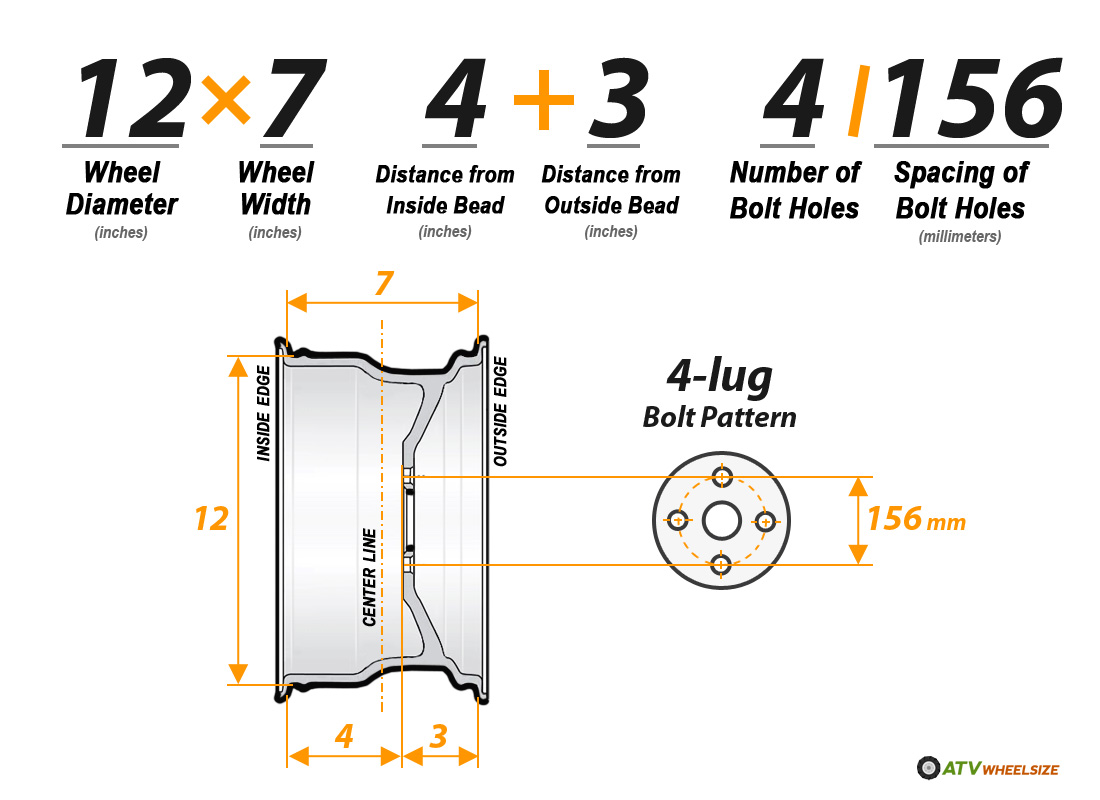
We talk to Mazda RX-7 R1 owners every day. These are the questions we hear most before they pull the trigger on new wheels.
Will 18×9.5 / 18×9.5-inch wheels fit my Mazda RX-7 R1? Yes, but fitment depends on width, offset, and tire size working together. A wrong offset means rubbing. A wrong tire size means poor handling. Always verify all three.
Do I need to modify my fenders? That depends on your offset and suspension. A conservative offset with stock ride height usually fits without modification. Go aggressive and you may need to roll or pull your fenders.
Can I daily-drive this setup? Absolutely. Thousands of Mazda RX-7 R1 owners run 18×9.5 / 18×9.5-inch wheels every day. The key is choosing the right tire with enough sidewall to absorb road imperfections.