About This Mazda 6 Mazda 2006 Build
We love featuring real builds from real owners. This Mazda 6 Mazda 2006 sits on a set of 18×9.5 / 18×9.5-inch Kansei KNP wheels, and the result speaks for itself.
The owner chose Kansei for a reason. This brand delivers serious quality and a design language that turns heads at every car meet. We see hundreds of Mazda 6 Mazda builds come through WheelFront every month, but this one stands out. The combination of the exterior with the Kansei KNP creates a look that balances aggression with elegance.

Fitment Breakdown: Kansei KNP on the Mazda 6 2006
I walked around this Mazda 6 at the show and the Kansei KNP setup caught my eye immediately. Running an 18x9.5 square setup with a +22 offset is a bold move for this chassis. Most people play it safe, but this owner went all in on aggressive fitment.
The +22 offset pushes these wheels way out toward the fender edges. You get that flush look that makes the car look planted and wide. It completely changes the character of the sedan.
Clearance is always the big worry with a 9.5-inch width on a Mazda 6. The coilovers provide the necessary clearance on the inside to keep the barrel from hitting the strut body. You definitely need those coilovers to make this specific offset work without looking like a monster truck.
The KNP spoke design clears the factory calipers with ease. I checked the gap between the spokes and the brakes, and there is plenty of breathing room. You won't need spacers to clear the front calipers, which keeps the scrub radius manageable.
That hub bore sits perfectly, but you have to watch your fender clearance closely. With a setup this aggressive, your tires will kiss the fender liner on hard bumps. I noticed the owner performed a solid fender roll to prevent any nasty tire slicing.
The barrel lip on these KNPs adds a nice depth that factory wheels just can't touch. It gives the car a deep, concave profile that looks mean from every angle. It turns a commuter car into a legit tuner build.
Just keep an eye on your inner liner at full lock. The extra width means you lose a bit of your turning circle, but that is the price you pay for this stance. It is a small trade-off for a car that looks this aggressive.
What We Recommend for Mazda 6 2006 Owners
If you want to replicate this look, start with a high-quality set of coilovers. Trying to force a 9.5-inch wheel onto stock suspension will lead to immediate regret. Your alignment settings are just as important as the wheel specs themselves.
For a daily driver, I usually recommend a +35 to +40 offset if you want to keep the fenders stock. If you are willing to roll and pull your fenders, the +22 range is the sweet spot for that aggressive poke. Don't go lower than +20 or you will hate the way the car handles.

Stick to a square setup like this owner did. Rotating your tires is a blessing, and it keeps the handling characteristics predictable. Staggered setups on a front-wheel-drive Mazda 6 usually just create understeer issues.
Watch your tire stretch carefully. A slight stretch helps the tire clear the fender arch when the suspension compresses. Avoid massive stretches because they look cheap and ruin the ride quality.
The most common mistake I see is skipping the hub-centric rings. Always use them to ensure the wheel centers perfectly on the hub. It stops vibrations that will drive you crazy on the highway.
Style and Build Analysis
The Kansei KNP is a modern take on a classic five-spoke design. On a 2006 Mazda 6, it looks timeless and purposeful. It avoids the clutter of cheap multi-spoke wheels that often look out of place on Japanese sedans.
The finish on these wheels provides a sharp contrast against the body paint. It draws your eyes directly to the arches. The wheels don't just sit there; they dominate the visual profile of the car.
Proportion is everything in this hobby, and this car hits the mark. The 18-inch diameter fills the wheel wells without looking like a rubber band setup. It creates a balanced look that is rare to find on this platform.
I have seen hundreds of Mazda 6 builds, but most get the offset wrong. This one looks like it came from the factory this way, just much meaner. It has a presence that demands you stop and look closer.
This build proves that you don't need a widebody kit to make a statement. Clean paint, good wheels, and proper height go a long way. It is a masterclass in clean, aggressive styling.
Why We Love This Build
This Mazda 6 captures exactly what we love about car culture. Seeing it roll into the lot, the sunlight hitting those KNP spokes, I knew it was a winner. The stance is absolutely dialed in, with the wheels sitting flush against the rolled arches. It has that perfect "track-ready" aesthetic that makes you want to hop in and drive it hard through a canyon.
We see a lot of cars, but this one sticks in my mind because it feels honest. The owner didn't take shortcuts, and it shows in every gap and line. This is exactly how you turn a common commuter into a head-turner. Seriously, just go buy the wheels.

Full Specs Breakdown
Here is exactly what this owner is running. We break down every detail so you can replicate this build or use it as a starting point for your own setup.
- Car Make & Model: Mazda 6 Mazda 2006
- Vehicle Color:
- Wheel Brand & Model: Kansei KNP
- Wheel Size: 18×9.5 / 18×9.5
- Offset: 22 / 22
- Tires: Sentury Uhp 215/40 24.8″x8.5″ / 215/40 24.8″x8.5″
- Suspension: Coilovers
Before You Buy: Fitment Checklist
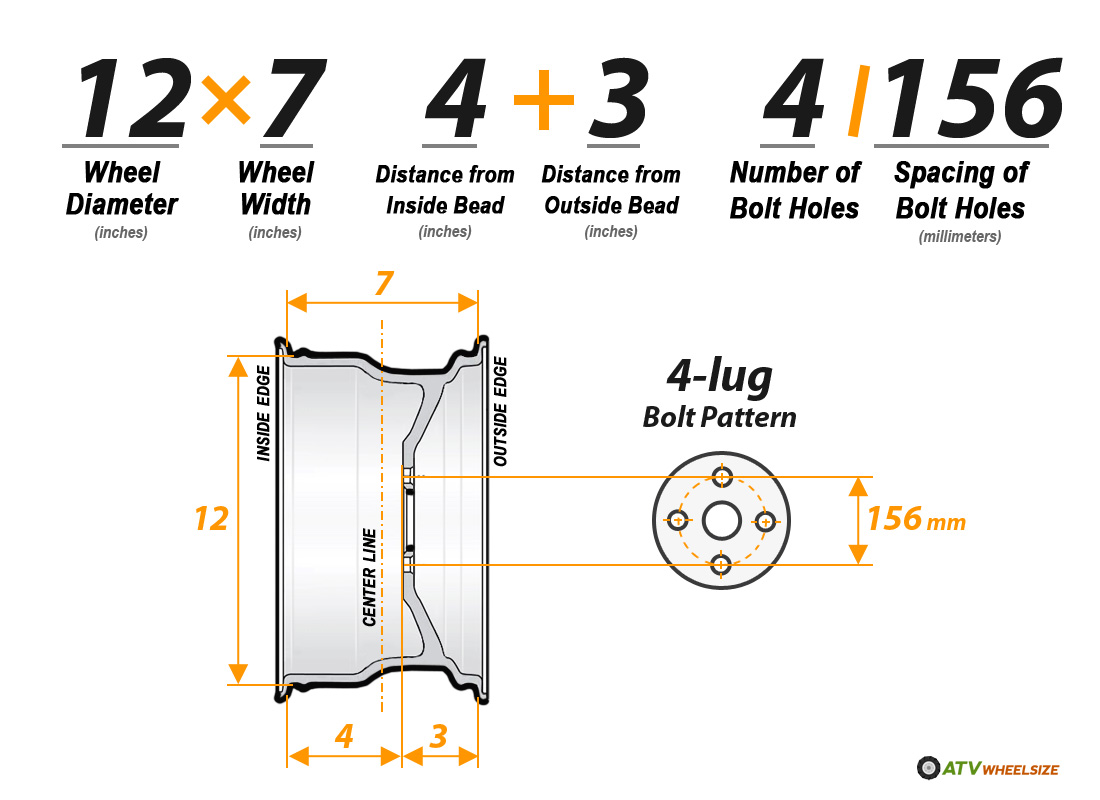
We talk to Mazda 6 Mazda owners every day. These are the questions we hear most before they pull the trigger on new wheels.
Will 18×9.5 / 18×9.5-inch wheels fit my Mazda 6 Mazda? Yes, but fitment depends on width, offset, and tire size working together. A wrong offset means rubbing. A wrong tire size means poor handling. Always verify all three.
Do I need to modify my fenders? That depends on your offset and suspension. A conservative offset with stock ride height usually fits without modification. Go aggressive and you may need to roll or pull your fenders.
Can I daily-drive this setup? Absolutely. Thousands of Mazda 6 Mazda owners run 18×9.5 / 18×9.5-inch wheels every day. The key is choosing the right tire with enough sidewall to absorb road imperfections.