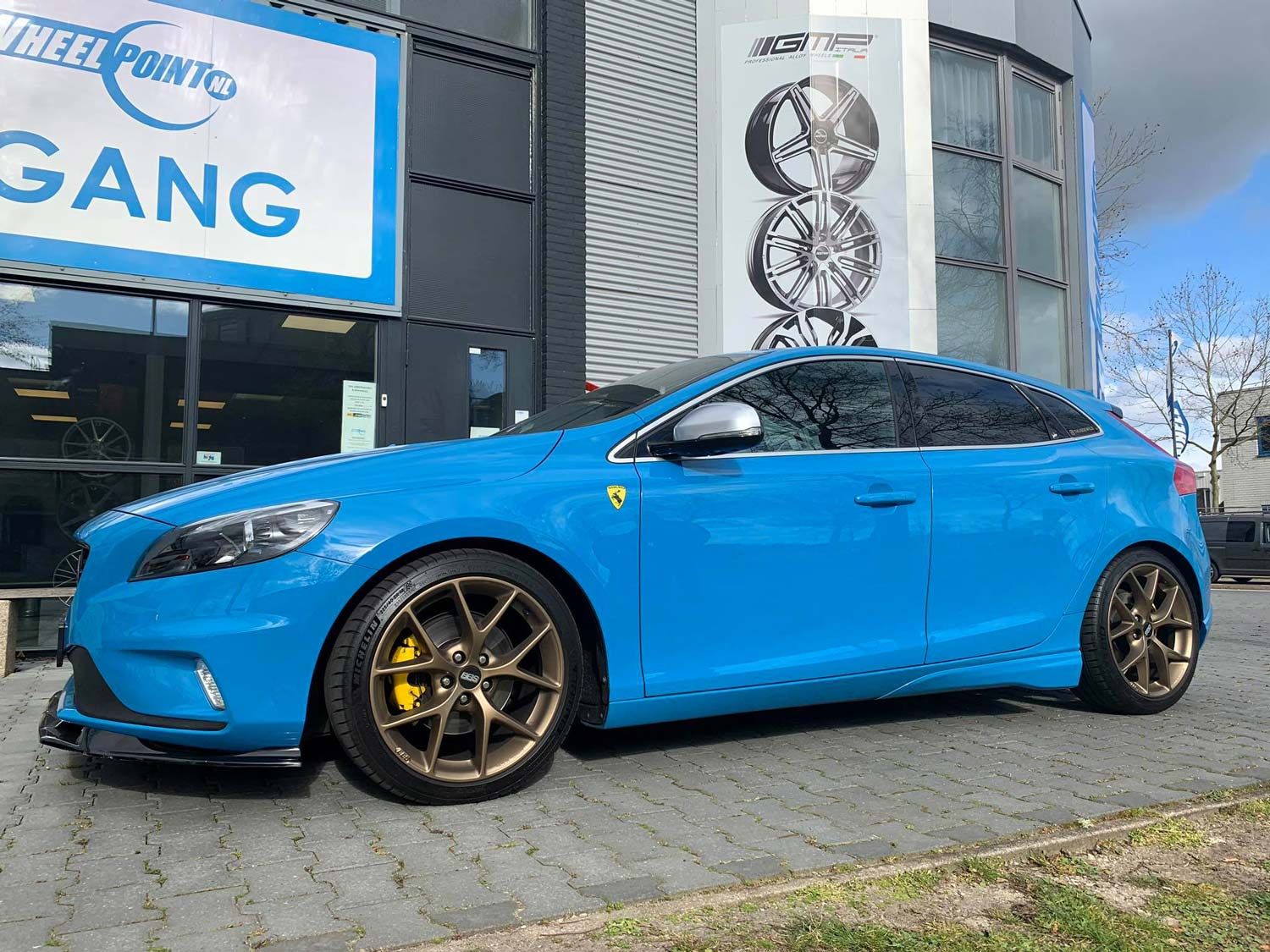
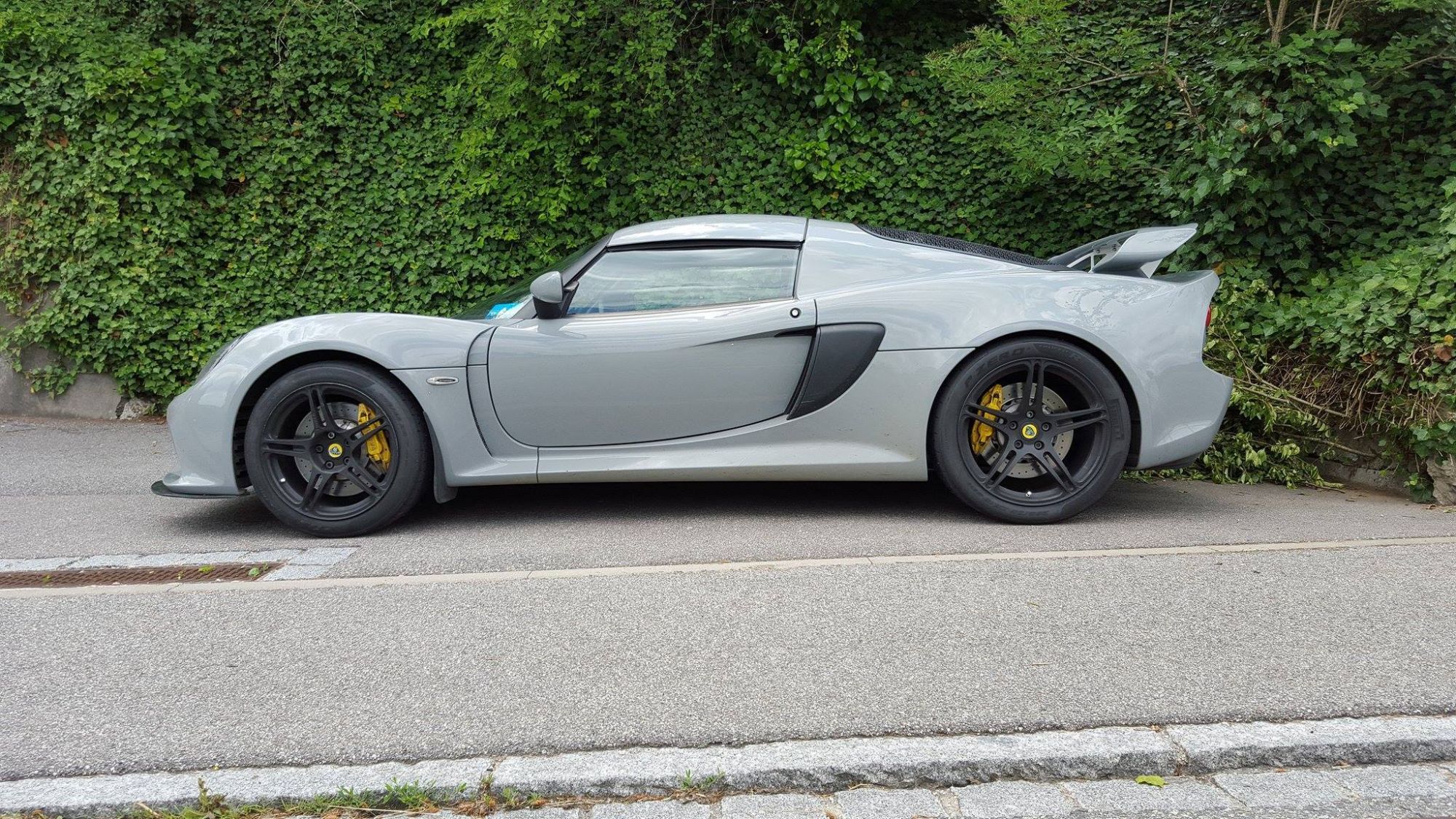
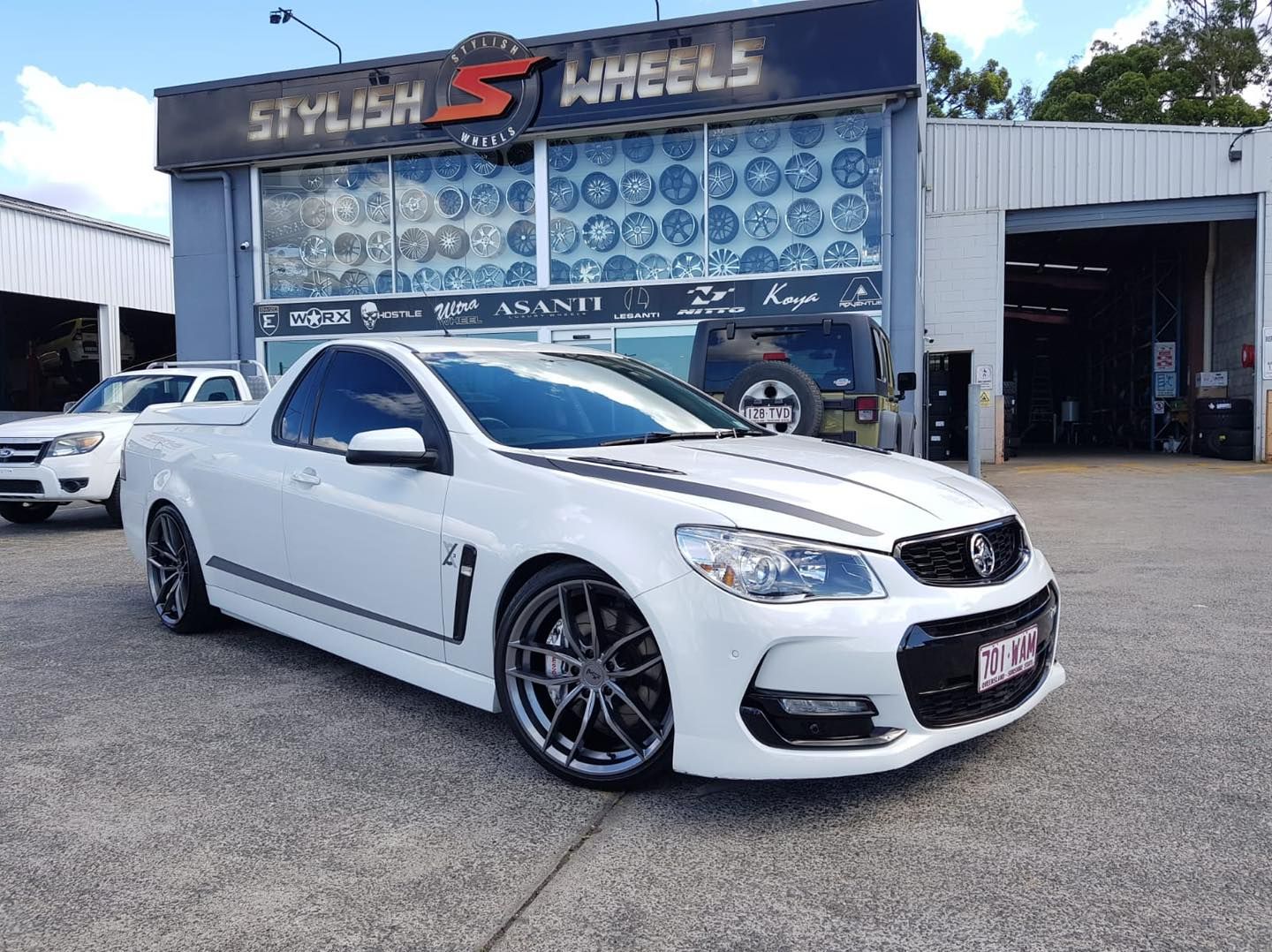
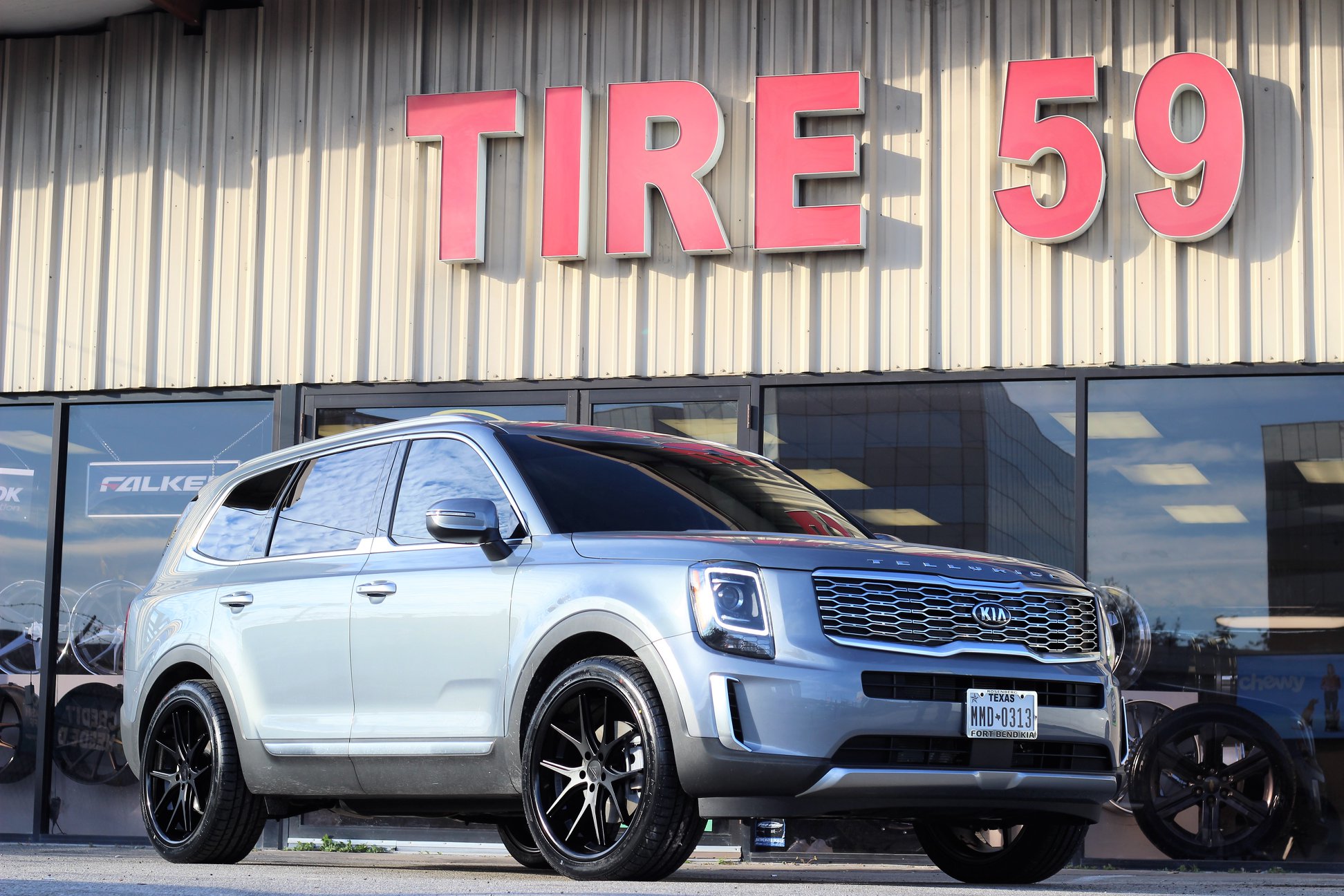
About This Mazda 3 GT 2005 Build
We love featuring real builds from real owners. This Mazda 3 GT 2005 sits on a set of 18×8.5 / 18×8.5-inch HRE P40 wheels, and the result speaks for itself.
The owner chose HRE for a reason. This brand delivers serious quality and a design language that turns heads at every car meet. We see hundreds of Mazda 3 GT builds come through WheelFront every month, but this one stands out. The combination of the exterior with the HRE P40 creates a look that balances aggression with elegance.

Fitment Breakdown: HRE P40 on the Mazda 3 GT 2005
When I first walked around this 2005 Mazda 3 GT, the HRE P40s immediately caught my eye. The 18x8.5 setup is a serious step up from the factory rollers. It changes the entire silhouette of this chassis.
We see a lot of aggressive builds, but these 40 offsets sit perfectly flush on this platform. The wheels sit right at the fender line without looking like a cartoon. It strikes that rare, functional balance.
The P40 design provides massive caliper clearance for the stock brakes. You won't struggle with fitment issues behind the spokes here. The hub bore matches up clean, so you avoid those annoying vibration headaches.
Since this car runs air suspension, the fitment changes the second the owner hits the switch. When parked, the fenders tuck the tires just enough to look mean. It’s a precision game at this width.
You have to watch the inner clearance on the front struts when aired out. We noticed the inner barrel sits close to the suspension components. A few millimeters make all the difference in the world.

The barrel lip depth on the P40 is subtle but adds real character. It doesn't scream for attention like a deep-dish wheel, but the quality is undeniable. The spokes carry the weight of the car visually.
Rubbing is the enemy of a clean build like this one. You need to watch the fender liners, especially if you drive low on the streets. Proper alignment keeps those tires from eating your paint.
What We Recommend for Mazda 3 GT 2005 Owners
If you want to replicate this look, stick to the 18-inch diameter. Anything larger ruins the ride quality on the Mazda 3 platform. Keep your width between 8 and 8.5 inches to stay safe.
Aim for an offset between 38 and 42 for that perfect flush fitment. Go lower than 35 and you will deal with constant fender rubbing. We have seen too many guys butcher their fenders with bad offsets.
Always run a square setup on these front-wheel-drive cars. Staggered wheels on a Mazda 3 just hurt the handling and rotation. Keep the rubber consistent so you can actually rotate your tires.

Tire choice is just as important as the wheel spec itself. Don't overdo the stretch; it looks dated and handles poorly. A slight stretch looks clean, but stay within the tire manufacturer's specs.
Do not be afraid to roll your fenders if you want to go lower. It is a simple job that saves your tires from premature death. A little bit of prep work prevents a lot of heartache.
Avoid cheap spacers if you can possibly help it. Buy the right offset from the start and skip the hardware store junk. Your wheel bearings will thank you for the effort later.
Style and Build Analysis
The silver finish on these P40s is timeless. It pops against the Mazda body without being too flashy or gaudy. It looks like a factory performance option that Mazda forgot to offer.
The HRE design uses clean, crisp lines that suit the early 2000s Japanese styling. It avoids the clutter of cheap, aftermarket multi-spoke wheels. These wheels look fast even when the car sits still.

Proportions are everything in the car scene, and this build nails it. The 18-inch wheels fill the wheel wells perfectly without looking like wagon wheels. The stance is deliberate, calculated, and sharp.
We have featured plenty of cars, but this one feels cohesive. Many builds look like a collection of parts thrown together. This Mazda feels like a singular, unified vision from the owner.
The way the light hits the silver finish is just brilliant. It highlights the intricate spoke design without obscuring the brake rotors. It is a masterclass in selecting the right wheel for the right car.
This car commands respect at any meet because of its simplicity. It does not need wild body kits or fake aero to stand out. Quality parts speak for themselves every single time.
Why We Love This Build
Seeing this Mazda 3 GT sitting on the ground with these HRE P40s is a total vibe. The silver finish glows under the shop lights, highlighting the aggressive stance of the air setup. It turns a standard commuter car into a proper head-turner that makes us stop dead in our tracks.
We love this build because it proves you do not need an exotic car to make a statement. The precision of the fitment and the classic choice of wheels elevate the entire platform to something special. It captures that perfect moment where engineering meets pure, unadulterated style.
If you want to own the road, this is the blueprint you follow. Go get yourself a set.

Full Specs Breakdown
Here is exactly what this owner is running. We break down every detail so you can replicate this build or use it as a starting point for your own setup.
- Car Make & Model: Mazda 3 GT 2005
- Vehicle Color:
- Wheel Brand & Model: HRE P40
- Wheel Size: 18×8.5 / 18×8.5
- Offset: 40 / 40
- Wheel Finish: Silver
- Tires: Sailun Atrezzo Zsr 215/40 24.8″x8.5″ / 215/40 24.8″x8.5″
- Suspension: Air Suspension
Before You Buy: Fitment Checklist
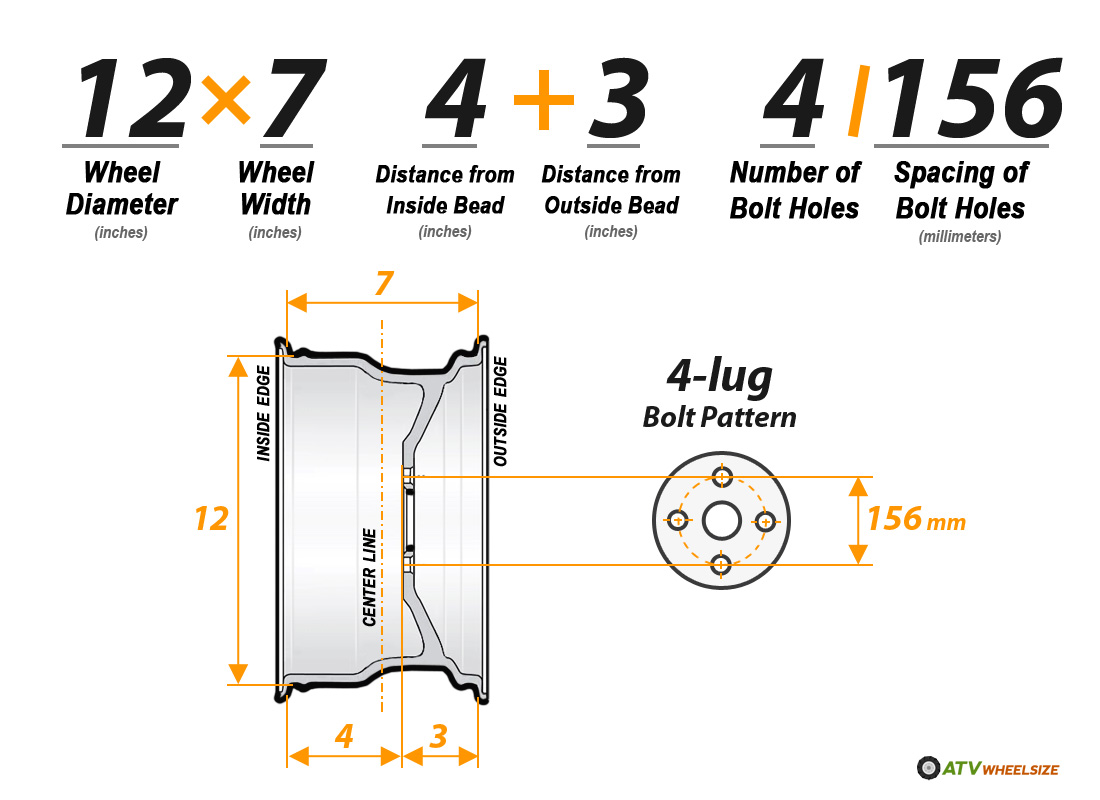
We talk to Mazda 3 GT owners every day. These are the questions we hear most before they pull the trigger on new wheels.
Will 18×8.5 / 18×8.5-inch wheels fit my Mazda 3 GT? Yes, but fitment depends on width, offset, and tire size working together. A wrong offset means rubbing. A wrong tire size means poor handling. Always verify all three.
Do I need to modify my fenders? That depends on your offset and suspension. A conservative offset with stock ride height usually fits without modification. Go aggressive and you may need to roll or pull your fenders.
Can I daily-drive this setup? Absolutely. Thousands of Mazda 3 GT owners run 18×8.5 / 18×8.5-inch wheels every day. The key is choosing the right tire with enough sidewall to absorb road imperfections.