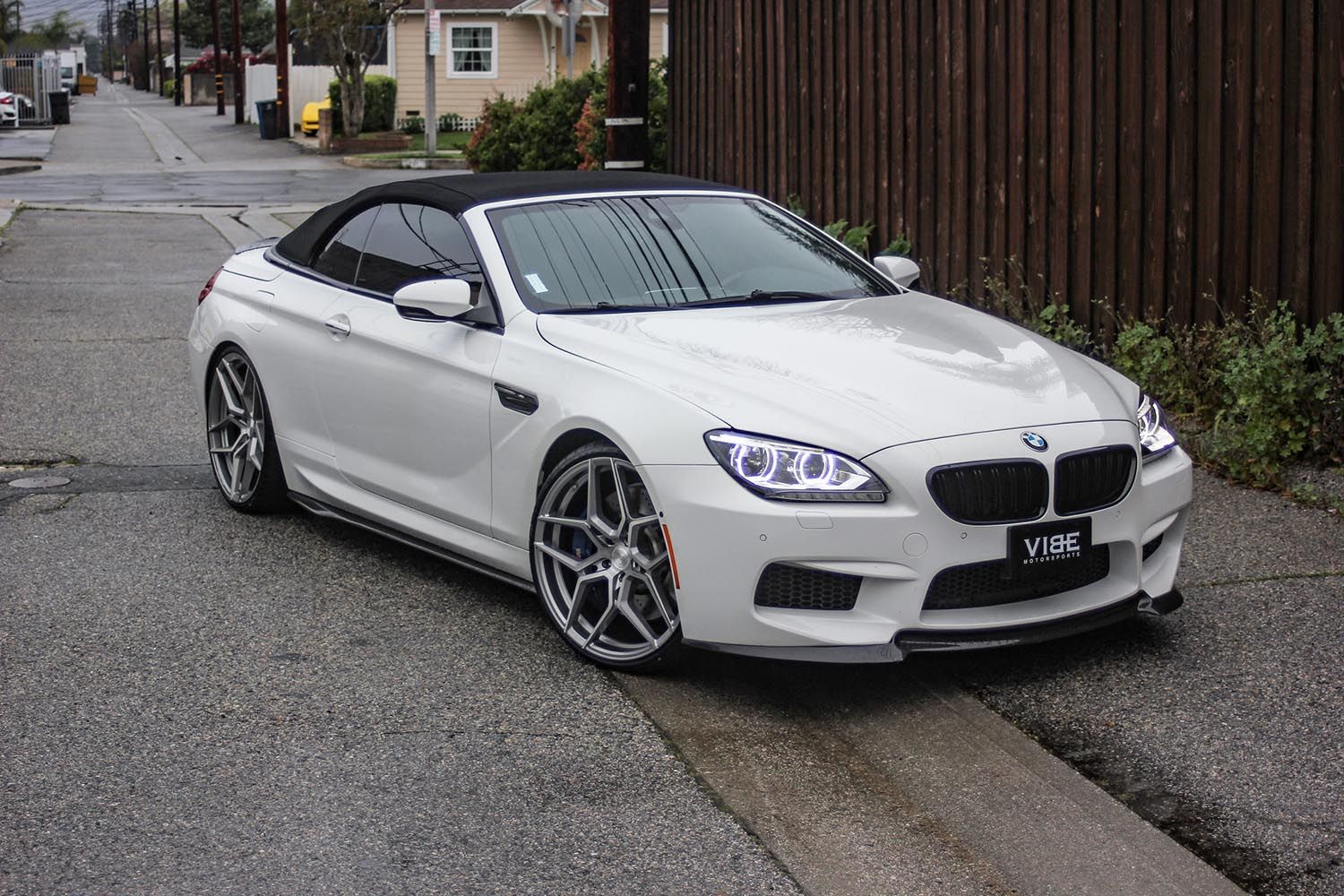
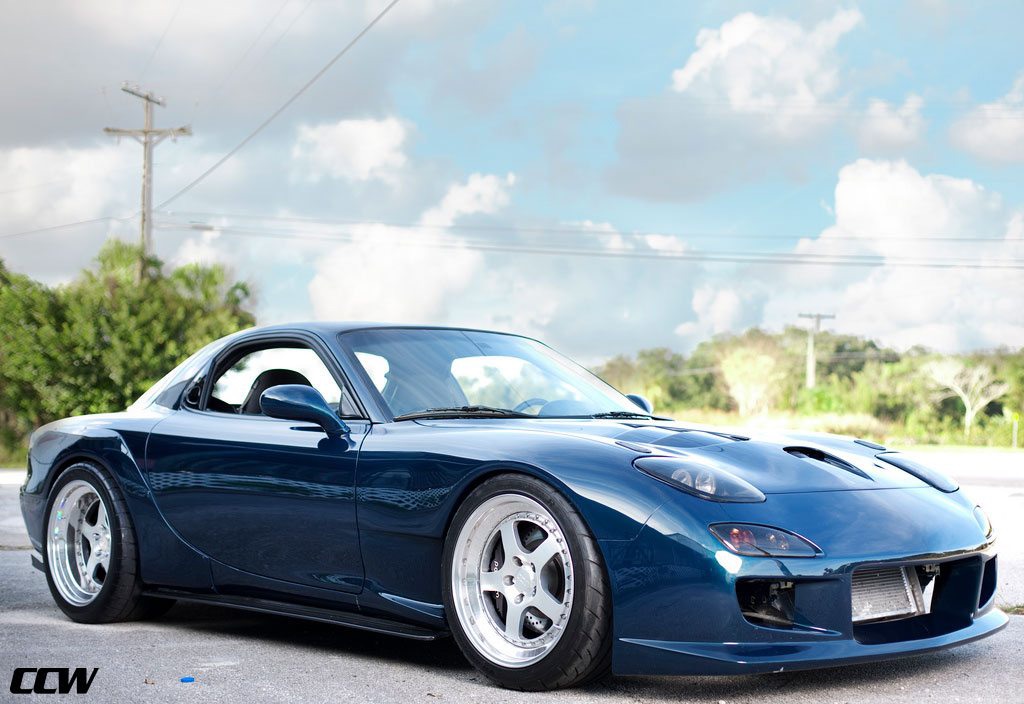
About This Honda S2000 Base 2001 Build
We love featuring real builds from real owners. This Honda S2000 Base 2001 sits on a set of 17×9 / 17×9-inch Enkei RPF1 wheels, and the result speaks for itself.
The owner chose Enkei for a reason. This brand delivers serious quality and a design language that turns heads at every car meet. We see hundreds of Honda S2000 Base builds come through WheelFront every month, but this one stands out. The combination of the exterior with the Enkei RPF1 creates a look that balances aggression with elegance.

Fitment Breakdown: Enkei RPF1 on the Honda S2000 Base 2001
I walked up to this S2000 and immediately noticed the aggressive stance. Running 17x9 wheels with a +45 offset at all four corners changes the game. This square setup allows for better rotation and a more balanced feel through the corners.
The Enkei RPF1 is a classic for a reason. These 17-inch hoops offer the perfect diameter to clear those stock calipers without any drama. You do not need spacers to push the wheel out, as the +45 offset sits flush with the fenders.
The hub bore matches the S2000 perfectly, so you get zero vibration at highway speeds. I checked the barrel clearance, and it provides enough room for larger brake upgrades if you ever decide to track the car hard. The design is light, strong, and race-proven.
However, you need to watch your fender clearance closely with this setup. A 9-inch wide wheel in the front will grab the fender liner if you drop the car too low on your coilovers. You must roll those front fenders to prevent any nasty rubbing during hard compression.
The rear fitment is spot on for a track-focused build. The wheels sit right at the edge of the quarter panels without looking like a monster truck. You get that meaty look that every S2000 owner chases.

Those coilovers are doing a lot of heavy lifting here. By dialing in the damping, you keep the tires from chewing up the fender tabs. It is a precise setup that rewards careful tuning.
Remember that the spoke design on the RPF1 is fairly flat in this offset. You do not get the deep dish look, but you gain massive weight savings. For me, performance always trumps a polished lip.
What We Recommend for Honda S2000 Base 2001 Owners
If you want this exact look, prepare for a little bit of work. Do not try to bolt these on without rolling your fenders first. Your paint will thank you later.
For tire choice, go with a 245/40/17 square setup. This width provides massive grip without making the steering feel heavy or vague. It is the gold standard for a reason.
Avoid the temptation to run massive spacers to get extra poke. The +45 offset is already aggressive enough for a stock body car. Anything more will require serious overfenders or extreme camber.

Many guys make the mistake of running tires that are too thin. You want a decent sidewall to soak up road imperfections and protect those lightweight wheels. A 245 width gives you that nice, slightly square tire profile.
If you plan on doing mostly street driving, stick with a slightly softer coilover setting. This keeps the suspension compliant so you don't ruin the ride quality. You want to enjoy the car, not just look at it in a parking lot.
Style and Build Analysis
The black finish on these RPF1s against this S2000’s paint is pure aggression. It gives the car a sinister, low-profile aesthetic that really pops in the sunlight. You lose some of the wheel detail, but the shadow effect is worth it.
These wheels look fast even when the car sits still. The thin, twin-spoke design flows perfectly with the S2000’s sharp, early-2000s body lines. It feels like an extension of the car’s factory design language.
Proportion is everything when you modify a car like this. The 17-inch diameter fills the wheel wells without looking cartoonish or "donk-like." The car looks planted, hunkered down, and ready for business.

We see a lot of S2000s, but this one stands out because it keeps things simple. It doesn't rely on flashy lips or wild colors to get attention. It is a masterclass in clean, functional aesthetics.
Every time I look at the stance, I appreciate the consistency. The black wheels tie in with the interior and the trim pieces perfectly. It is a cohesive build that shows the owner has an eye for detail.
Why We Love This Build
Seeing this S2000 in the wild reminds me why we love the platform. The black RPF1s catch the light just right, making the wheels disappear into the dark wheel arches before the bright rotor catches your eye. It is the perfect balance of function and form.
The way the tires sit flush with the rolled arches makes the car look like a predator waiting to pounce. It is not trying to be a show pony; it is a driver’s machine built for the twisty backroads. You can feel the intention behind every modification.
This build proves that you do not need to reinvent the wheel to make a statement. Sometimes, the classic choice is the right choice. Go get your own set and start driving.

Full Specs Breakdown
Here is exactly what this owner is running. We break down every detail so you can replicate this build or use it as a starting point for your own setup.
- Car Make & Model: Honda S2000 Base 2001
- Vehicle Color:
- Wheel Brand & Model: Enkei RPF1
- Wheel Size: 17×9 / 17×9
- Offset: 45 / 45
- Wheel Finish: Black
- Tires: Toyo Tires Proxes Sport 245/50 26.6″x9.6″ / 245/50 26.6″x9.6″
- Suspension: Coilovers
Before You Buy: Fitment Checklist
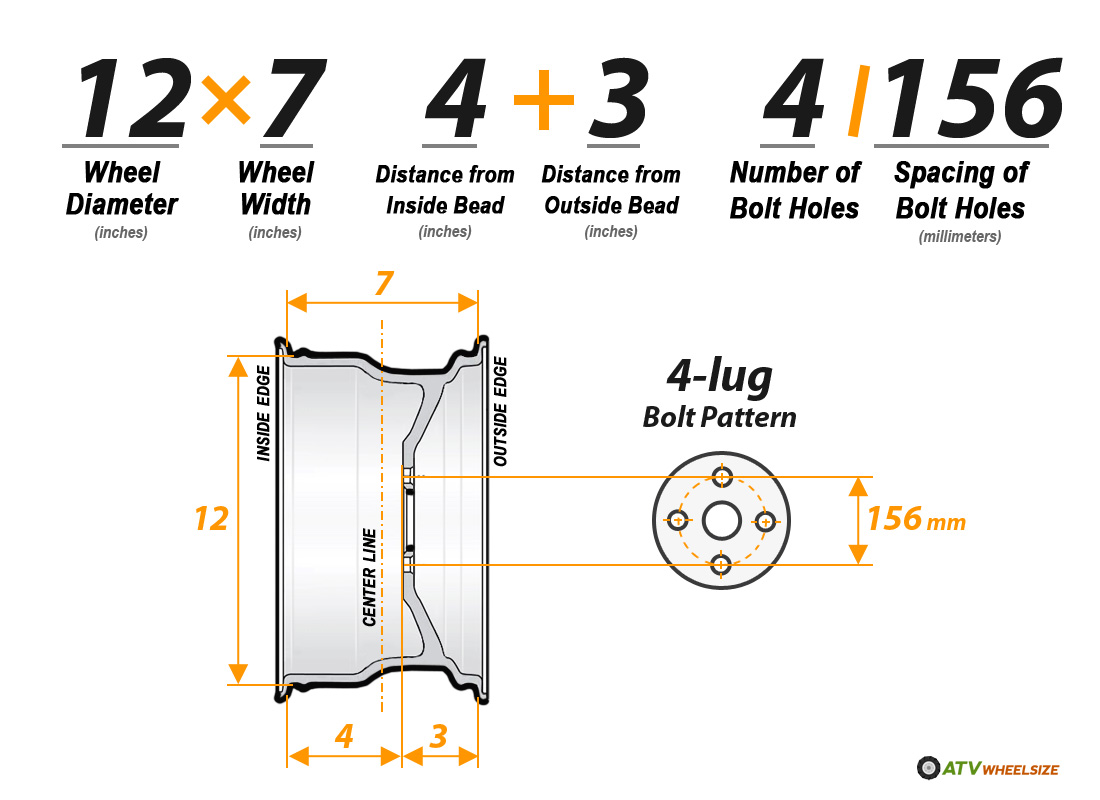
We talk to Honda S2000 Base owners every day. These are the questions we hear most before they pull the trigger on new wheels.
Will 17×9 / 17×9-inch wheels fit my Honda S2000 Base? Yes, but fitment depends on width, offset, and tire size working together. A wrong offset means rubbing. A wrong tire size means poor handling. Always verify all three.
Do I need to modify my fenders? That depends on your offset and suspension. A conservative offset with stock ride height usually fits without modification. Go aggressive and you may need to roll or pull your fenders.
Can I daily-drive this setup? Absolutely. Thousands of Honda S2000 Base owners run 17×9 / 17×9-inch wheels every day. The key is choosing the right tire with enough sidewall to absorb road imperfections.