About This Honda S2000 Base 2001 Build
We love featuring real builds from real owners. This Honda S2000 Base 2001 sits on a set of 17×10 / 17×10-inch Enkei RPF1 wheels, and the result speaks for itself.
The owner chose Enkei for a reason. This brand delivers serious quality and a design language that turns heads at every car meet. We see hundreds of Honda S2000 Base builds come through WheelFront every month, but this one stands out. The combination of the exterior with the Enkei RPF1 creates a look that balances aggression with elegance.

Fitment Breakdown: Enkei RPF1 on the Honda S2000 Base 2001
I walked up to this S2000 and immediately noticed the aggressive stance. Running 17x10 Enkei RPF1s all around is a massive commitment for an AP1 chassis. This square setup changes how the car handles and how it grips the tarmac.
That +45 offset sits right at the limit of what these fenders can handle. You are definitely pushing the wheel face out past the factory line. It creates a wide, purposeful look that screams track weapon.
Clearing the calipers on an S2000 with RPF1s is usually a breeze, but that 10-inch width changes the game. The spoke design provides plenty of room for big brake kits. You will not have to worry about the barrel hitting your hardware.
The hub bore fits the S2000 perfectly with the right rings. I always tell guys to run high-quality aluminum hub-centric rings to avoid vibrations. Without them, you are just asking for a headache at high speeds.
Because you are running a 10-inch wide wheel, the fender gap disappears fast. The coilovers on this build hold everything tight and prevent the tires from chewing up the metal. You need stiff springs to make this specific fitment work daily.
Watch those fender liners like a hawk when you hit a dip. You will likely see some rubbing on the inner plastic if you do not roll those tabs flat. It is a small price to pay for this much rubber on the road.
The barrel lip depth on the 10-inch RPF1 looks deeper and more aggressive than the narrower specs. It gives the car a chunky, muscular profile. Every time I see this setup, I appreciate the sheer aggression of it.
What We Recommend for Honda S2000 Base 2001 Owners
If you want to run 17x10s, you have to be ready to modify your car. Do not expect these to bolt on without a proper fender roll and some camber work. If you skip those steps, you will destroy your paint on the first drive.
I usually recommend a square 17x9 +45 setup for the street. It is much easier to manage and you can run a wider range of tires without major body surgery. It keeps the steering feel sharp and predictable.
If you insist on the 10-inch width, keep your tire choice narrow. A 245 or 255 tire will give you the right amount of stretch to tuck under the arch. Avoid the urge to over-tire the car unless you plan on serious track time.

The sweet spot for the S2000 is always about balance. Too much offset and you will scrub; too little and you look tucked in. Stick as close to that +45 range as you possibly can.
Common mistakes I see involve neglecting the alignment. You need enough negative camber to clear the fenders, but not so much that you burn through tires in a month. Get a professional alignment after you drop the car on coilovers.
Style and Build Analysis
The black finish on these RPF1s provides a lethal contrast against the factory paint. It looks mean, dark, and purposeful. Some people prefer silver, but black wheels on a clean S2000 hit different.
The six-spoke design of the RPF1 is timeless. It fits the early 2000s aesthetic of the S2000 perfectly while keeping the weight low. You cannot go wrong with this wheel design on a Japanese sports car.
Proportions are everything with this build. Because the wheels are so wide, the car looks like it is glued to the pavement. It has a bulldog stance that makes the stock AP1 wheels look like toys.
I have seen hundreds of S2000s, but this one stands out because of the lack of clutter. The dark wheels pull your eyes directly to the wheel wells. It creates a cohesive, aggressive silhouette that just works.
The dark finish hides brake dust better than any other color too. That is a massive bonus if you actually drive your car hard. You keep the clean look even after a spirited mountain run.
Why We Love This Build
This S2000 captures the essence of what a modified car should be. The black RPF1s catch the light just right, highlighting the aggressive width of the 10-inch barrels. It looks like it belongs on the front cover of a magazine.
We love this build because it does not try too hard. The car sits low, the fitment is flush, and the wheels match the raw energy of the engine. It stops us in our tracks because it looks ready for a fight.
You need this kind of setup if you want to take your car seriously. It turns an already great platform into an absolute monster. Go get yourself a set and transform your drive. This is the gold standard for a reason.

Full Specs Breakdown
Here is exactly what this owner is running. We break down every detail so you can replicate this build or use it as a starting point for your own setup.
- Car Make & Model: Honda S2000 Base 2001
- Vehicle Color:
- Wheel Brand & Model: Enkei RPF1
- Wheel Size: 17×10 / 17×10
- Offset: 45 / 45
- Wheel Finish: Black
- Tires: Federal 595 RS-RR 255/45 26″x10″ / 255/45 26″x10″
- Suspension: Coilovers
Before You Buy: Fitment Checklist
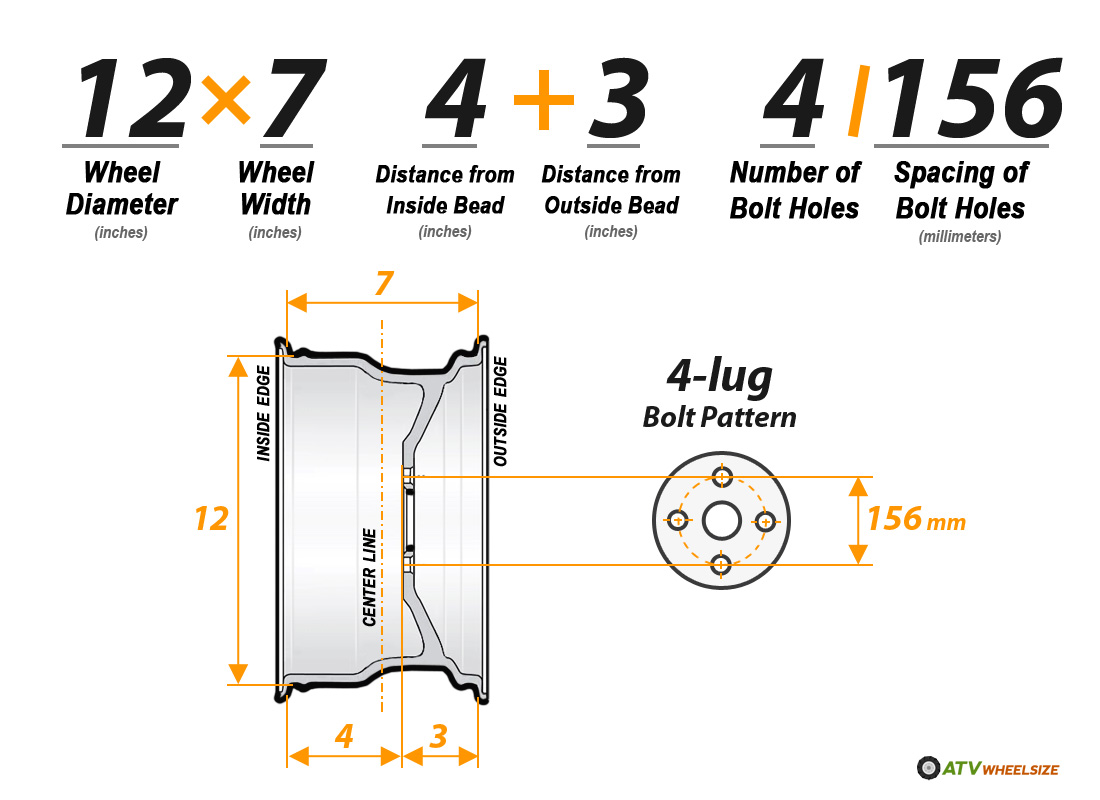
We talk to Honda S2000 Base owners every day. These are the questions we hear most before they pull the trigger on new wheels.
Will 17×10 / 17×10-inch wheels fit my Honda S2000 Base? Yes, but fitment depends on width, offset, and tire size working together. A wrong offset means rubbing. A wrong tire size means poor handling. Always verify all three.
Do I need to modify my fenders? That depends on your offset and suspension. A conservative offset with stock ride height usually fits without modification. Go aggressive and you may need to roll or pull your fenders.
Can I daily-drive this setup? Absolutely. Thousands of Honda S2000 Base owners run 17×10 / 17×10-inch wheels every day. The key is choosing the right tire with enough sidewall to absorb road imperfections.