About This Honda Civic Si 2018 Build
We love featuring real builds from real owners. This Honda Civic Si 2018 sits on a set of 18×8.5 / 18×8.5-inch Motegi MR140 wheels, and the result speaks for itself.
The owner chose Motegi for a reason. This brand delivers serious quality and a design language that turns heads at every car meet. We see hundreds of Honda Civic Si builds come through WheelFront every month, but this one stands out. The combination of the exterior with the Motegi MR140 creates a look that balances aggression with elegance.

Fitment Breakdown: Motegi MR140 on the Honda Civic Si 2018
I walked up to this Civic Si last week and the Motegi MR140s hit me instantly. Running an 18x8.5 setup at all four corners provides the perfect footprint for this chassis. The 35 offset pushes the wheels right to the edge of the fenders.
We see a lot of guys struggle with hub-centric rings, but these fit the 64.1mm bore perfectly. You get zero vibration at highway speeds with this direct fit. Everything feels solid and planted.
The MR140 design clears the factory Si calipers without needing spacers. That saves you from the headache of extended studs or hub issues. You just bolt them on and go.
Because the car sits on stock suspension, you see a bit more wheel gap than a lowered build. However, the 18-inch diameter fills the wheel well better than the factory 18s ever did. It looks intentional and clean.
Watch your tire choice if you plan to lower it later. Running a 235 or 245 width tire with this 35 offset means the tire shoulder sits very close to the fender liner. You might catch a little rub on big dips.
The split-spoke design of the MR140 adds a nice sense of depth to the wheel face. It makes the brakes look bigger than they actually are. It is a smart trick for a budget-friendly build.
The concave profile on the 8.5-inch width gives the car a much more aggressive stance. It looks like a proper tuner car rather than a commuter. Every line of the wheel complements the sharp styling of the 10th-gen Si.
What We Recommend for Honda Civic Si 2018 Owners
If you want to upgrade your Si, stick to a square setup. A 18x8.5 wheel is the gold standard for this platform. It balances handling and grip without ruining your fuel economy.
We always tell people to avoid extreme offsets. Staying between 35 and 40 ensures you do not wreck your scrub radius. You want the car to steer sharply, not fight you in every corner.
Do not go wider than 9 inches unless you plan on doing some fender work. You do not want to roll your fenders or pull them out on a daily driver. Keep the paint intact and the fitment simple.
Tire selection matters just as much as the wheel itself. Pair these Motegis with a high-performance summer tire for the best result. A 235/40/18 tire is the sweet spot for comfort and performance.
Avoid massive spacers if you can help it. They put extra stress on your wheel bearings and lead to premature failure. If you need more poke, buy a wheel with a lower offset from the start.
Take your time with the install. Clean the hub surface with a wire brush before mounting the new wheels. A clean mating surface prevents that annoying clicking sound later on.
Style and Build Analysis
The Satin Black finish against the body paint creates a menacing, cohesive look. It pulls the aggressive design cues of the 2018 Si into focus. The car looks like it belongs on a rally stage.
The MR140 spokes are thin enough to let the rotor shine through. This gives the car an airy, racing-inspired aesthetic. It does not feel heavy or cluttered like some cheaper aftermarket designs.
Compared to other builds we feature, this one relies on clean lines. It does not scream for attention with neon colors or wild camber. It demands respect through proper proportions and a dark, moody vibe.
The proportions on this 18-inch setup are spot on for the 10th-gen chassis. The wheels do not look too small or cartoonishly large. The balance of rubber to metal feels just right for a street car.
Every time I see these wheels in the sun, the finish looks deep and expensive. They hide brake dust well, which is a huge plus for a daily driver. You get the style without the constant need to scrub the barrels.
Why We Love This Build
This Civic Si stands out because it keeps things simple but gets the details right. The Black MR140s make the car look wider and lower even on the factory springs. When the light hits those spokes, the whole profile of the car transforms into something much more aggressive.
We love this build because it proves you do not need thousands of dollars in parts to make a statement. It is a driver’s car that looks ready to attack a canyon road at a moment's notice. The fitment is flush, the color is timeless, and the vibe is pure automotive joy.
Seeing this car parked at the meet made me want to go grab a set for my own garage immediately. It is the perfect blend of form and function. This is how you modify a modern Honda.

Full Specs Breakdown
Here is exactly what this owner is running. We break down every detail so you can replicate this build or use it as a starting point for your own setup.
- Car Make & Model: Honda Civic Si 2018
- Vehicle Color:
- Wheel Brand & Model: Motegi MR140
- Wheel Size: 18×8.5 / 18×8.5
- Offset: 35 / 35
- Wheel Finish: Black
- Tires: Michelin Pilot Sport A/S 4 235/40 25.4″x9.3″ / 235/40 25.4″x9.3″
- Suspension: Stock Suspension
Before You Buy: Fitment Checklist
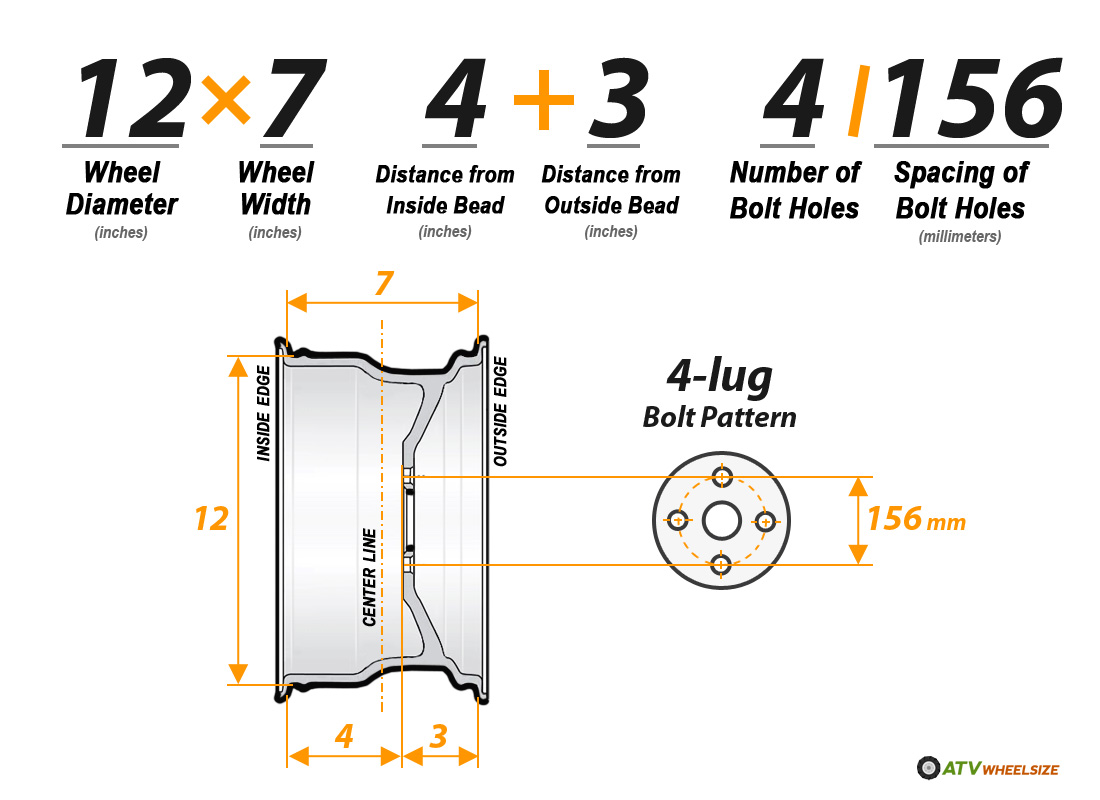
We talk to Honda Civic Si owners every day. These are the questions we hear most before they pull the trigger on new wheels.
Will 18×8.5 / 18×8.5-inch wheels fit my Honda Civic Si? Yes, but fitment depends on width, offset, and tire size working together. A wrong offset means rubbing. A wrong tire size means poor handling. Always verify all three.
Do I need to modify my fenders? That depends on your offset and suspension. A conservative offset with stock ride height usually fits without modification. Go aggressive and you may need to roll or pull your fenders.
Can I daily-drive this setup? Absolutely. Thousands of Honda Civic Si owners run 18×8.5 / 18×8.5-inch wheels every day. The key is choosing the right tire with enough sidewall to absorb road imperfections.