About This Honda Civic Si 2017 Build
We love featuring real builds from real owners. This Honda Civic Si 2017 sits on a set of 18×9.5 / 18×9.5-inch ESR CS12 wheels, and the result speaks for itself.
The owner chose ESR for a reason. This brand delivers serious quality and a design language that turns heads at every car meet. We see hundreds of Honda Civic Si builds come through WheelFront every month, but this one stands out. The combination of the exterior with the ESR CS12 creates a look that balances aggression with elegance.

Fitment Breakdown: ESR CS12 on the Honda Civic Si 2017
I walked around this Civic Si for twenty minutes straight at the last meet. Those ESR CS12s in 18x9.5 square look absolutely aggressive tucked under the stock fenders. You rarely see this much width on a tenth-gen chassis without going full widebody.
That +22 offset pushes the wheels right to the edge of the metal. It gives the car a massive footprint that changes the whole silhouette. You get a serious poke that demands attention from every angle.
Caliper clearance is tight but it clears the factory Si brakes perfectly. You won't need spacers to keep those spokes off the housing. It is a clean, direct fit that works well with the hub bore.
The CS12 features a beautiful stepped lip that adds a ton of depth to the barrel. That design draws your eye inward toward the center cap. It makes the wheel look much deeper than a flat-face design ever could.
Running this on lowering springs keeps the center of gravity low and tight. You lose some of the factory wheel gap, which makes the 18-inch diameter feel proportional. The stance is purposeful and functional for street use.
Be careful on big dips or heavy steering angles, though. You will likely kiss the fender liner if you take a corner too hard. A slight roll of the fender tabs will fix that issue instantly.
That 9.5-inch width forces the tires to sit with a slight stretch. It creates a crisp, sharp edge that clears the fender lip during compression. You need to watch your tire pressure to keep the sidewalls happy.
What We Recommend for Honda Civic Si 2017 Owners
If you want this exact look, stick to the 18x9.5 square setup. It keeps your tire rotations simple and balances the handling characteristics. Don't go any wider unless you plan on cutting the bodywork.
Offset is the game changer here, so keep it between +22 and +35. Anything higher than +35 will sink into the wheel well and look weak. You want that flush fitment to make the car pop.
I always tell guys to avoid massive spacers if they can help it. They add unnecessary stress to your wheel bearings and studs. Get the right offset from the start and skip the headache.
Think about your tire choice before you bolt these on. A 235 or 245 width tire gives you that nice aggressive stretch without being dangerous. Stick to a high-performance summer compound to match the Si's capability.
Lowering springs are a great entry point, but coilovers are the gold standard for this platform. They let you dial in the dampening to match the stiffer wheel and tire combo. You want to avoid bouncing through the canyons.
Style and Build Analysis
The CS12 design pays homage to classic multi-spoke wheels with a modern twist. The mesh pattern feels right at home on the sharp, angular body lines of the 2017 Si. It bridges the gap between retro cool and futuristic street style.
The silver finish captures the sunlight perfectly against the factory paint. It creates a high-contrast look that highlights the intricate details of the spokes. You can see the brake dust settle into the crevices, which honestly looks pretty mean.
Proportions matter more than anything else in a build like this. By filling the arches completely, the car looks planted and ready to attack. It sheds that "economy car" vibe and turns into a legitimate tuner machine.
I have seen a dozen different wheels on this generation of Civic. Many owners go for safe, flat-faced designs that disappear in the shadows. This build stands out because it has actual depth and soul.
The stance isn't just about looks, either. It tells everyone that you take your wheel fitment seriously. It communicates a level of dedication that you rarely see on daily-driven cars.
Why We Love This Build
This Civic hits differently because it keeps the aggressive spirit of the Si alive. The way those ESR wheels catch the morning light makes the whole car look like a piece of rolling art. It fills the wheel arches with purpose and defines the car’s personality.
Seeing it parked under the streetlights makes me want to start my own build immediately. It is rare to find a setup that balances street comfort with such a killer aesthetic. This is exactly how a tenth-gen should sit.
You can tell the owner poured time into getting the fitment just right. Every bolt and every curve feels deliberate and balanced. It is a masterpiece of simple, effective car modification.
Do yourself a favor and get your car looking this good today.

Full Specs Breakdown
Here is exactly what this owner is running. We break down every detail so you can replicate this build or use it as a starting point for your own setup.
- Car Make & Model: Honda Civic Si 2017
- Vehicle Color:
- Wheel Brand & Model: ESR CS12
- Wheel Size: 18×9.5 / 18×9.5
- Offset: 22 / 22
- Tires: Yokohama AVID Ascend GT 225/40 25.1″x8.9″ / 225/40 25.1″x8.9″
- Suspension: Lowering Springs
Before You Buy: Fitment Checklist
We talk to Honda Civic Si owners every day. These are the questions we hear most before they pull the trigger on new wheels.
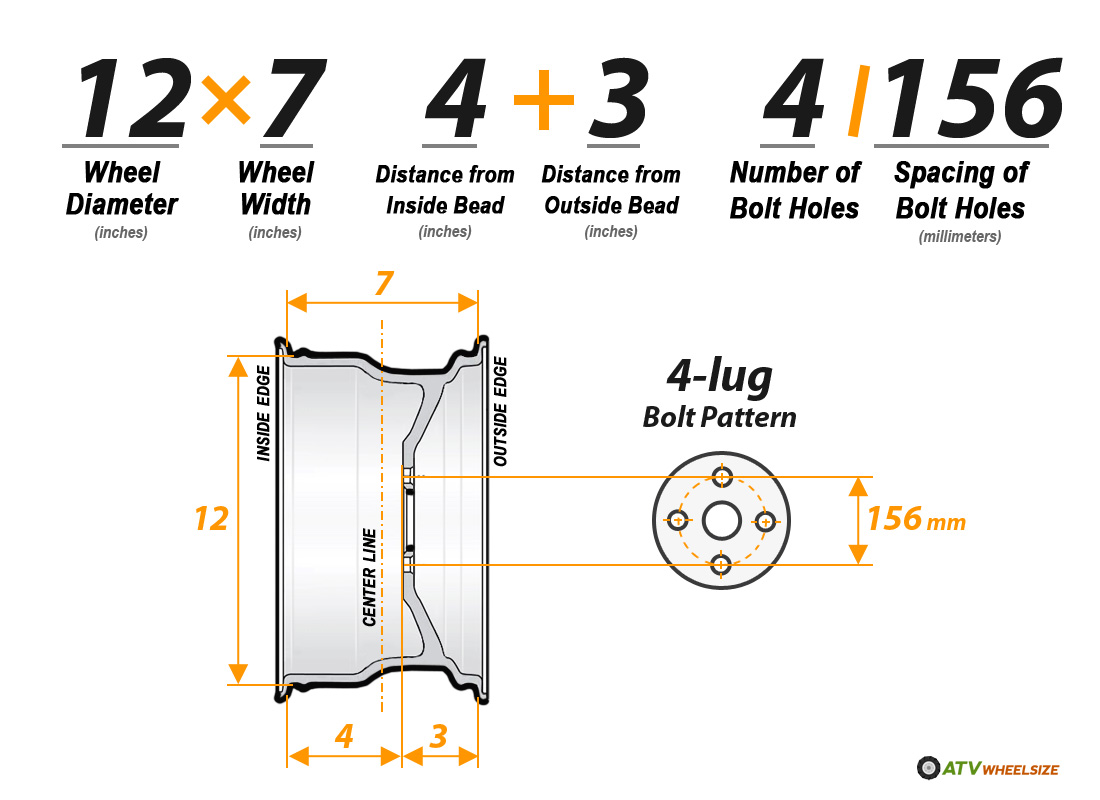
Will 18×9.5 / 18×9.5-inch wheels fit my Honda Civic Si? Yes, but fitment depends on width, offset, and tire size working together. A wrong offset means rubbing. A wrong tire size means poor handling. Always verify all three.
Do I need to modify my fenders? That depends on your offset and suspension. A conservative offset with stock ride height usually fits without modification. Go aggressive and you may need to roll or pull your fenders.
Can I daily-drive this setup? Absolutely. Thousands of Honda Civic Si owners run 18×9.5 / 18×9.5-inch wheels every day. The key is choosing the right tire with enough sidewall to absorb road imperfections.