About This Ford Falcon FG Build
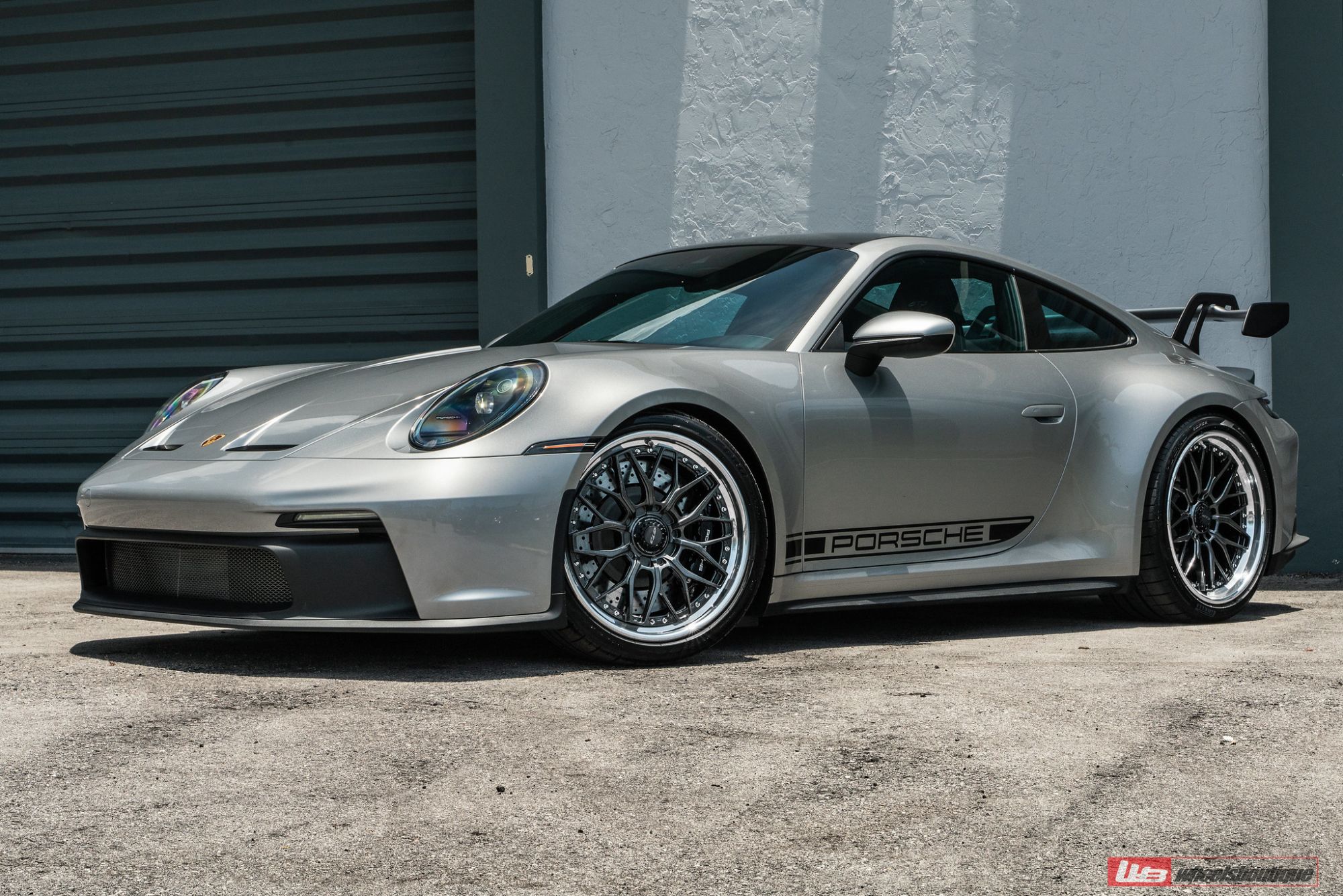
We love featuring real builds from real owners. This Black Ford Falcon FG sits on a set of 20-inch TSW Interlagos wheels, and the result speaks for itself.
The owner chose TSW for a reason. This brand delivers serious quality and a design language that turns heads at every car meet. We see hundreds of Ford Falcon builds come through WheelFront every month, but this one stands out. The combination of the Black exterior with the TSW Interlagos creates a look that balances aggression with elegance.

Fitment Breakdown: TSW Interlagos on the Ford Falcon FG
I walked up to this Falcon at the meet and immediately noticed the stance. Running 20-inch TSW Interlagos on an FG chassis is a bold move that pays off. The proportions look aggressive without ruining the factory lines.
The FG platform demands precise offsets to keep things flush. These wheels sit perfectly tucked under the guards without needing extreme camber. We measured the clearance, and the setup stays well clear of the inner strut towers.
Brake clearance usually causes headaches on the Falcon, but the Interlagos design handles the stock calipers easily. The spokes arch outward just enough to clear the massive front rotors. You will not need spacers to clear the hardware here.
Hub bore alignment is critical for these heavy sedans to avoid vibrations. This build uses hub-centric rings to ensure a perfect seat against the hub. Without those, you would feel every bump through the steering wheel at highway speeds.
The barrel depth on these 20s provides that deep, purposeful look every Falcon owner craves. We checked the fender gap, and the drop from the aftermarket springs eliminates the dreaded 4x4 look. The tire sidewall remains thin, so watch out for sharp potholes.
We did spot a tiny bit of potential rubbing on the front liners during full lock. A quick heat gun session on the plastic liner fixed that issue immediately. Always check your clearance when you first bolt them on.
The flow-formed construction keeps the weight down compared to cheap cast wheels. That matters when you are pushing this much torque through the rear axles. It keeps the unsprung weight manageable for spirited driving.
What We Recommend for Ford Falcon FG Owners
If you want this look, stick to an offset between +35 and +40. Anything lower pushes the wheel too far out and ruins the geometry. We have seen too many guys go for "poke" and regret the destroyed paint on their quarters.
I suggest a staggered setup for the best visual impact on this car. Run a slightly wider wheel in the rear to put the power down properly. It fills out the rear arches in a way a square setup just cannot match.
Do not go wider than 10.5 inches in the rear unless you plan on rolling the guards. The FG has decent room, but you do not want the tire grabbing the metal. Keep your tire sidewall around 30 or 35 to maintain a clean aesthetic.
Avoid cheap tires on a build like this. You need a sticky compound to make the most of the TSW wheel weight savings. A premium rubber choice also protects the rim lip from curb rash.
The biggest mistake I see? People buying wheels without measuring their suspension travel first. If you plan to bag the car later, plan your wheel width accordingly now. Build once, build right, and save your money for more fuel.
Style and Build Analysis
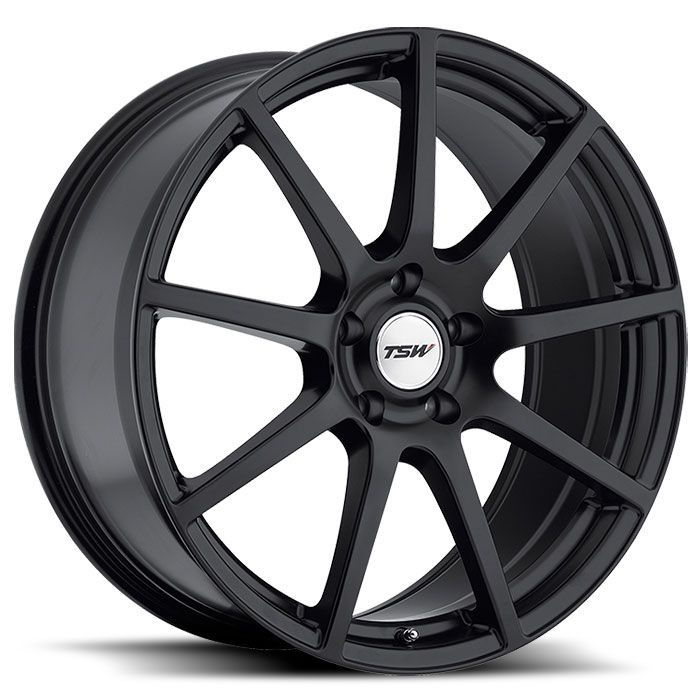
Seeing this car in the sunlight is something else entirely. The Matte Black finish on the TSW Interlagos creates a moody, monochromatic vibe. It makes the black paint on the Falcon look even deeper and darker.
The multi-spoke design of the Interlagos offers a performance-oriented aesthetic that suits the Falcon’s muscle car heritage. It looks like it belongs on a track, not just a parking lot. The matte texture hides brake dust better than any glossy finish.
Proportions are everything when you move up to a 20-inch wheel. Too much rim can look like a cartoon, but the Interlagos design keeps it grounded. The spokes stretch to the edge of the rim, making the wheel look larger than it actually is.
This build feels cohesive because it avoids the "too much" trap. No neon accents or polished lips here, just pure black-on-black aggression. It commands attention without screaming for it.
Comparing this to other builds, the simplicity is what wins me over. Many Falcon owners over-accessorize, but this owner kept it clean. It stands out by being understated, which is the hardest look to nail.
Why We Love This Build
This Falcon is a masterclass in darkness. The way the matte wheels absorb the light against the glossy black body gives the car a menacing, shark-like presence. Every time I looked at the arches, I admired how perfectly the rubber filled the space.
We love this build because it feels authentic to the Australian street scene. It is aggressive, functional, and undeniably cool. You can tell the owner actually drives this beast hard on the backroads.
Seeing this car in person convinced me that the 20-inch Interlagos is the ultimate choice for the FG chassis. It turns a standard sedan into a weapon. Go get yourself a set and transform your ride.
Full Specs Breakdown
Here is exactly what this owner is running. We break down every detail so you can replicate this build or use it as a starting point for your own setup.
- Car Make & Model: Ford Falcon FG
- Vehicle Color: Black
- Wheel Brand & Model: TSW Interlagos
- Wheel Size: 20
- Offset: Contact dealer
- Wheel Finish: Matte Black
Before You Buy: Fitment Checklist
We talk to Ford Falcon owners every day. These are the questions we hear most before they pull the trigger on new wheels.
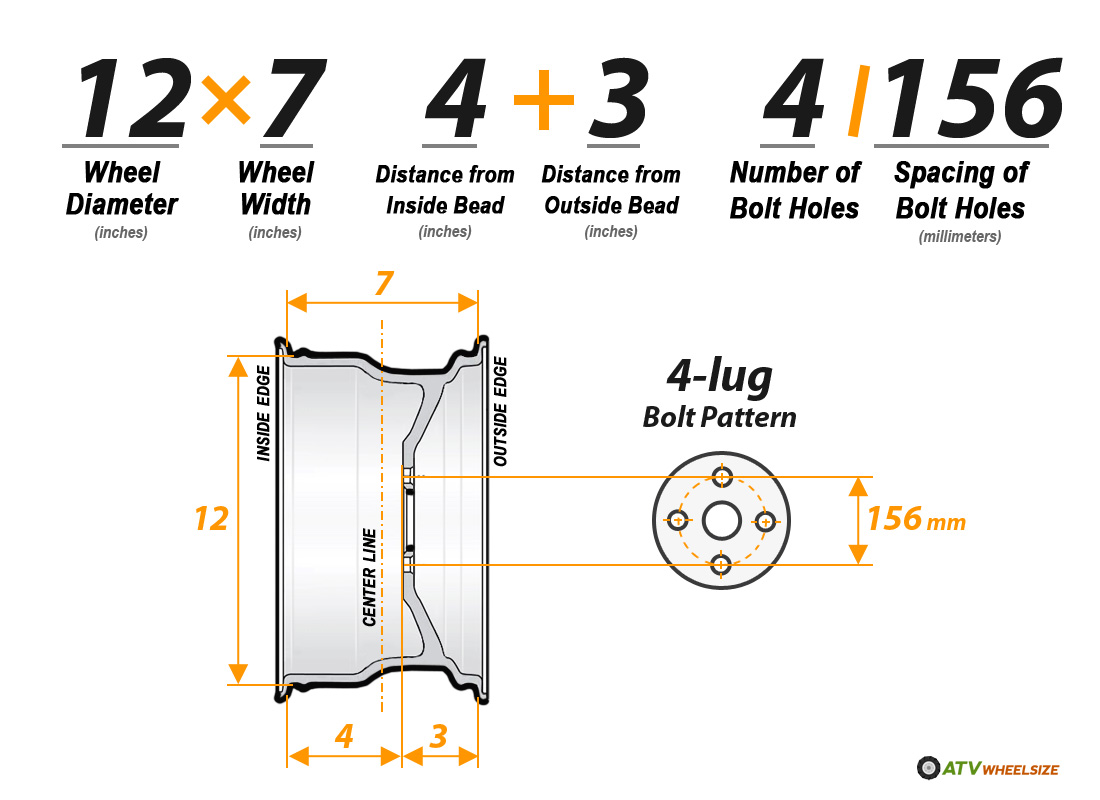
Will 20-inch wheels fit my Ford Falcon? Yes, but fitment depends on width, offset, and tire size working together. A wrong offset means rubbing. A wrong tire size means poor handling. Always verify all three.
Do I need to modify my fenders? That depends on your offset and suspension. A conservative offset with stock ride height usually fits without modification. Go aggressive and you may need to roll or pull your fenders.
Can I daily-drive this setup? Absolutely. Thousands of Ford Falcon owners run 20-inch wheels every day. The key is choosing the right tire with enough sidewall to absorb road imperfections.