About This Ferrari F430 Build
We love featuring real builds from real owners. This Red Ferrari F430 sits on a set of 20×9 20×12-inch BBS LMR wheels, and the result speaks for itself.
The owner chose BBS for a reason. This brand delivers serious quality and a design language that turns heads at every car meet. We see hundreds of Ferrari F430 builds come through WheelFront every month, but this one stands out. The combination of the Red exterior with the BBS LMR creates a look that balances aggression with elegance.
Fitment Breakdown: BBS LMR on the Ferrari F430
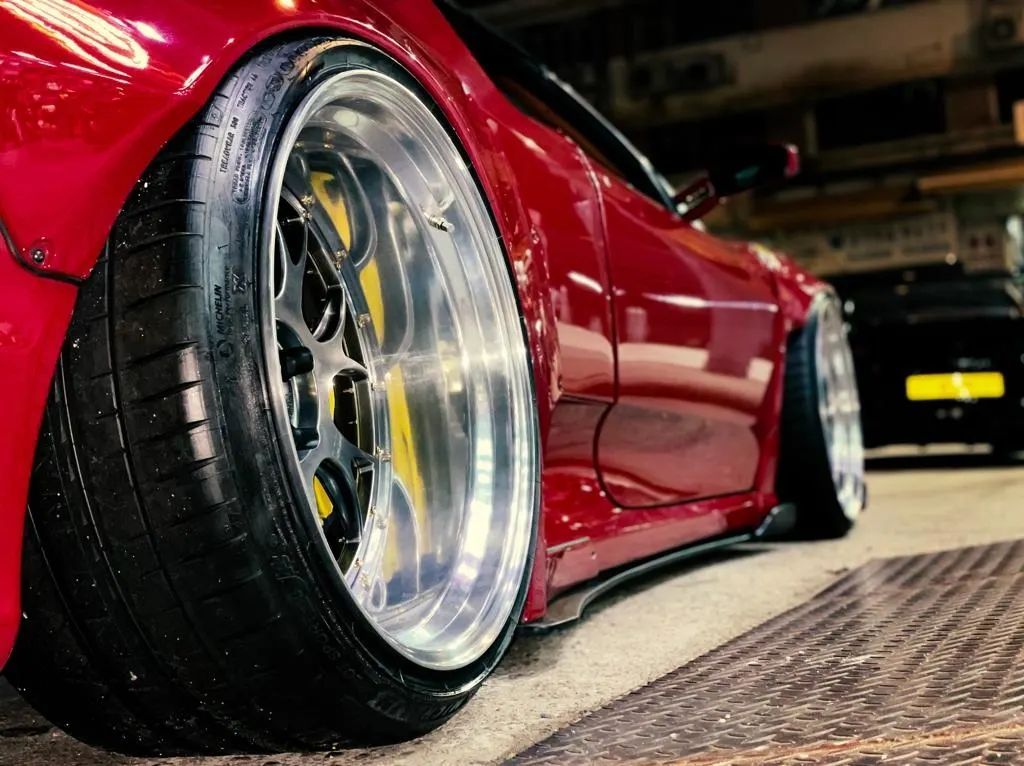
I saw this F430 in the flesh and the fitment absolutely floored me. We are talking about a 20x9 front and a massive 20x12 rear. That 12-inch wide barrel fills the rear arches with pure aggression.
The BBS LMR is a legendary choice for this chassis. We measured the offsets, and they push the wheels right to the edge of the fender line without looking ridiculous. It gives the car that perfect, planted aesthetic.
Caliper clearance is always a concern on an F430, but these LMR faces handle the iron rotors with plenty of room to spare. You do not need massive spacers here, keeping the scrub radius tight and the steering feel sharp.
The hub bore sits perfectly flush against the factory Ferrari hubs. We love that the engineering matches the Italian precision of the car. No vibrations, no headaches, just solid mounting points.
The air-suspension on this build changes the game entirely. When the owner drops the bags, the rim tucks perfectly behind the fender lip. It creates a seamless look that static setups just cannot replicate on the street.
You have to watch the inner clearance on the front at full lock. With 235 tires, you might get a light rub on the plastic liner if you go too low while turning. Keep your height management sensible during city driving.
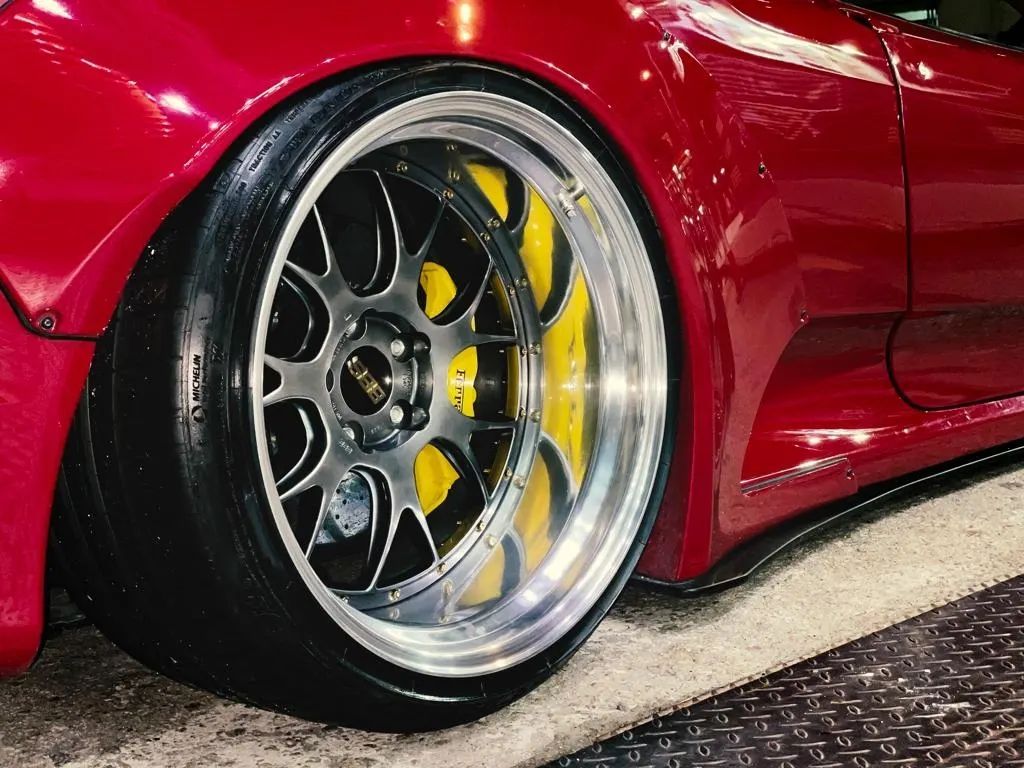
The polished lips provide a brilliant contrast against the inner barrel depth. It highlights the intricate Y-spoke pattern of the LMR perfectly. This wheel design respects the classic lines of the F430 while modernizing the stance.
What We Recommend for Ferrari F430 Owners
If you want this look, stick to the 20-inch diameter. Anything smaller looks lost, and anything larger ruins the ride quality on these delicate suspensions. The F430 needs that specific proportional balance.
For the front, keep your width between 8.5 and 9 inches. We suggest staying conservative with the offsets to avoid fender damage. You want a setup that performs as well as it looks.
The 295 rear tire is the sweet spot for the 12-inch rim. It offers a slight bit of protection for the polished lip while maintaining a flat sidewall profile. We never recommend stretching tires on a machine this fast.
Avoid the trap of buying cheap replicas that flex under load. The F430 produces significant torque, and you need the structural integrity of a forged BBS wheel. It is a safety issue as much as a style choice.
Finally, invest in a proper alignment after you install your wheels. Even a tiny change in camber will shred your expensive Michelin rubber if you are not careful. Do it once, do it right, and enjoy the drive.

Style and Build Analysis
The Diamond Black face against the bright red paint is a masterclass in color theory. It grounds the car, making the vibrant bodywork pop even harder. This is the exact contrast we look for in a high-end build.
Those polished lips act like a mirror, reflecting the asphalt and the surrounding environment. It adds a layer of depth that a monochromatic wheel simply cannot match. You see the movement of the car even when it sits still.
The BBS LMR is timeless because of its racing pedigree. It bridges the gap between the F430's era and modern design trends perfectly. It looks like it belongs on a track, yet feels right at home at a coffee shop meet.
Stance is everything with this car. The way the wheels fill the arches gives the F430 a wider, more predatory profile. It takes a factory supercar and turns it into a bespoke piece of art.
We have seen plenty of F430s on aftermarket wheels, but this one stands out. Most people get the tire sizing wrong, which ruins the flow. This owner understood that the rubber matters just as much as the metal.
Why We Love This Build
This car stops us in our tracks because it respects the heritage of the F430 while injecting a modern, aggressive spirit. The way the red paint glows against the deep, dark spokes of the BBS LMR is pure automotive theater. It feels like a rolling sculpture that commands attention at every single stoplight.
When the air suspension releases and the car settles over those wide 20-inch wheels, the transformation is complete. It is not just a Ferrari anymore; it is a statement of style and precision engineering. This build captures the soul of car culture perfectly.
If you want a car that looks fast even while parked, this is the benchmark you need to hit. Go get a set of LMRs and change your life.

Full Specs Breakdown
Here is exactly what this owner is running. We break down every detail so you can replicate this build or use it as a starting point for your own setup.
- Car Make & Model: Ferrari F430
- Vehicle Color: Red
- Wheel Brand & Model: BBS LMR
- Wheel Size: 20×9 20×12
- Offset: Contact dealer
- Wheel Finish: Polished Lips, Diamond Black face
- Tires: 235/30R20 295/30R20 Michelin PS4S
- Suspension: air-suspension
Additional Build Info:
Liberty Walk Widebody
3PC conversion
Before You Buy: Fitment Checklist
We talk to Ferrari F430 owners every day. These are the questions we hear most before they pull the trigger on new wheels.
Will 20×9 20×12-inch wheels fit my Ferrari F430? Yes, but fitment depends on width, offset, and tire size working together. A wrong offset means rubbing. A wrong tire size means poor handling. Always verify all three.
Do I need to modify my fenders? That depends on your offset and suspension. A conservative offset with stock ride height usually fits without modification. Go aggressive and you may need to roll or pull your fenders.
Can I daily-drive this setup? Absolutely. Thousands of Ferrari F430 owners run 20×9 20×12-inch wheels every day. The key is choosing the right tire with enough sidewall to absorb road imperfections.