About This Dodge Viper Build
We love featuring real builds from real owners. This Black Dodge Viper sits on a set of 19×11 and 18×13-inch Forgeline GS1R-6 Beadlock wheels, and the result speaks for itself.
The owner chose Forgeline for a reason. This brand delivers serious quality and a design language that turns heads at every car meet. We see hundreds of Dodge Viper builds come through WheelFront every month, but this one stands out. The combination of the Black exterior with the Forgeline GS1R-6 Beadlock creates a look that balances aggression with elegance.
Fitment Breakdown: Forgeline GS1R-6 Beadlock on the Dodge Viper
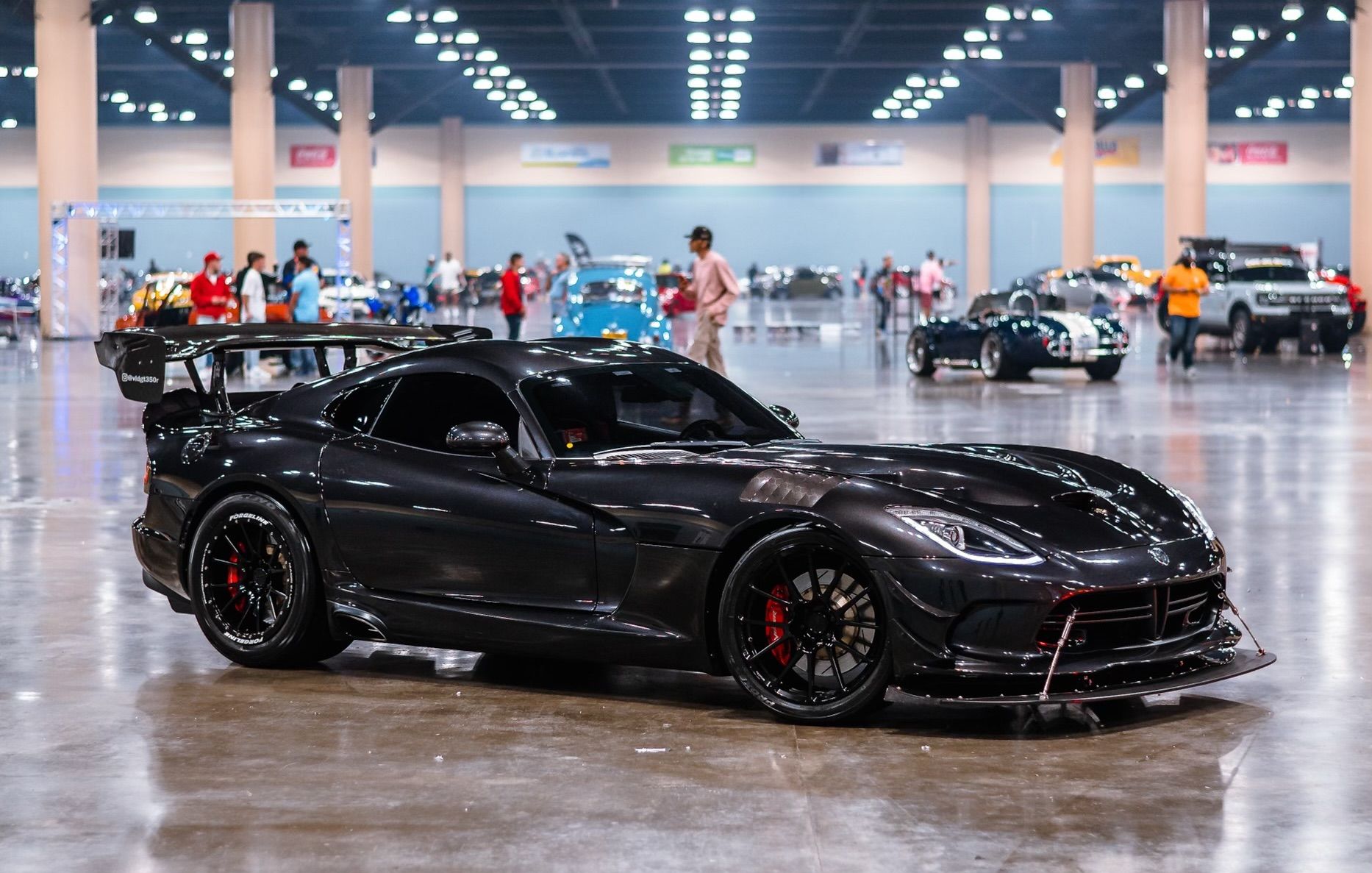
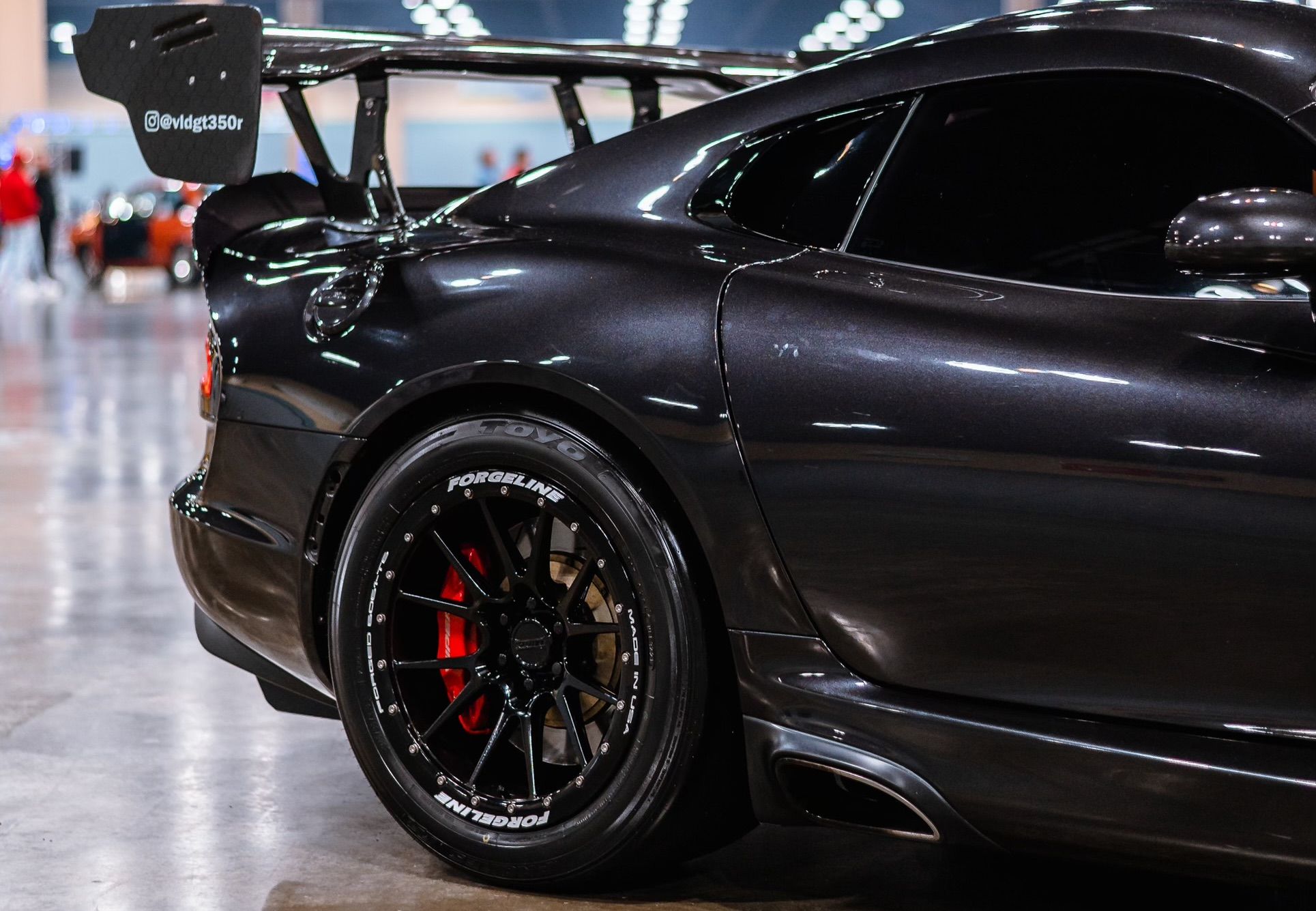
I walked around this Viper at the track and the fitment on these Forgeline GS1R-6 Beadlocks is absolute perfection. We see a lot of aggressive setups, but running an 18x13 in the rear is a serious commitment to traction. This car is wide, and these wheels fill every single millimeter of that massive rear fender.
The 19x11 front setup provides enough steering precision to keep the nose planted without any unwanted understeer. Forgeline nailed the offset here, pushing the wheel face right to the edge of the fender liner. You get that flush look without needing a single spacer to clear the hubs.
Caliper clearance is always the biggest headache on a Viper, but these barrels swallow the massive brakes with room to spare. The spoke design arcs outward just enough to clear the Brembo hardware. You can see the cooling air flowing right through those spokes.
Those beadlock rings aren't just for show, they keep the tire bead locked tight under extreme torque. When you launch a Viper this hard, standard wheels can actually slip inside the tire. These wheels prevent that entirely.
We checked the hub bore, and these are machined to a perfect hub-centric fit for the Viper’s unique bolt pattern. A sloppy fit there causes vibration at high speeds, but these feel like they were forged into the chassis itself. You get zero movement when the bolts torque down.
Suspension geometry matters as much as the wheel size on this platform. This car runs a lowered coilover setup that pulls the top of the tire inward just a hair. It creates the perfect negative camber for cornering grip while avoiding any rubbing on the inner liners.
Watch your inner clearance on the front if you go any wider than 11 inches. We have seen some builds rub the sway bar at full lock with wider barrels. This specific setup manages to avoid that trap completely.
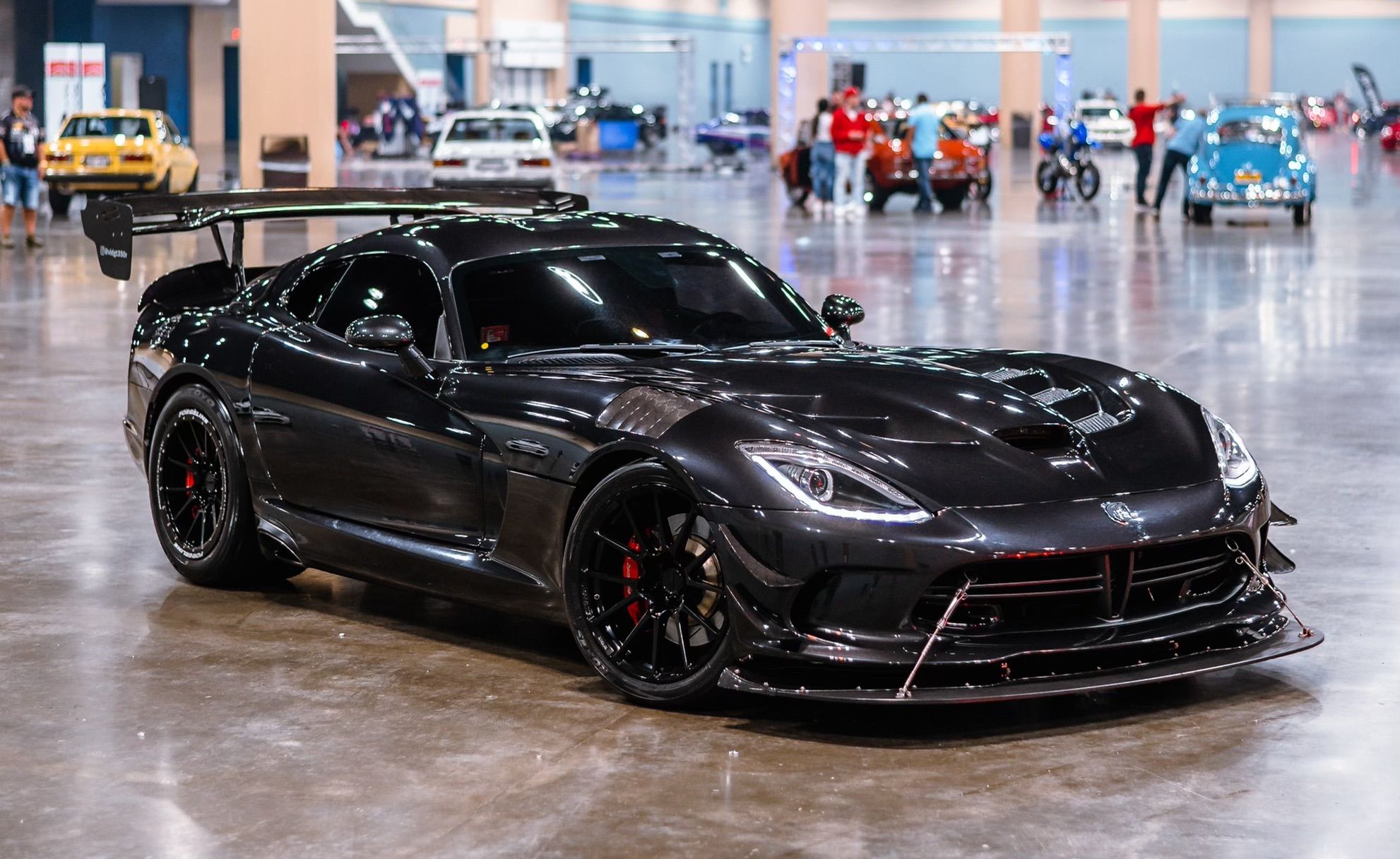
The barrel lip depth is aggressive, giving the Viper that deep-dish aesthetic that defines modern track cars. It looks muscular, purposeful, and ready to destroy a lap record. Every angle of this wheel screams high-performance engineering.
What We Recommend for Dodge Viper Owners
If you own a Viper, stop settling for heavy factory wheels and go with a forged setup like this. We recommend sticking to a 19-inch front and 18-inch rear stagger for the best tire availability. This specific combo keeps the chassis balanced and predictable.
Do not go wider than 13 inches in the rear unless you are running a tubbed setup. Anything beyond that creates unnecessary scrub radius and ruins the steering feel. We have tested many widths, and 13 inches is the sweet spot for the Viper’s rear end.
Stay away from cheap spacers at all costs. If you need a specific offset, order the wheel built to that spec from the factory. Spacers introduce flex and extra stress on your wheel studs that you do not want.
Tire choice dictates how your car handles, so pair these Forgelines with a sticky R-compound tire. A setup like this deserves a Hoosier or a Michelin Pilot Sport Cup 2. If you put budget rubber on these wheels, you are missing the point of the build.
Check your fender liners before you head out for the first time. Even with a perfect offset, a major bump at high speed can cause a tiny bit of rub on a lowered car. If you hear a noise, adjust your dampening settings before you start rolling fenders.
Style and Build Analysis
The "murdered out" look is easy to do wrong, but this Viper gets it exactly right. The Gloss Black finish on the GS1R-6 wheels creates a deep, liquid look against the Black paint. It creates a seamless transition from the body lines to the rolling stock.
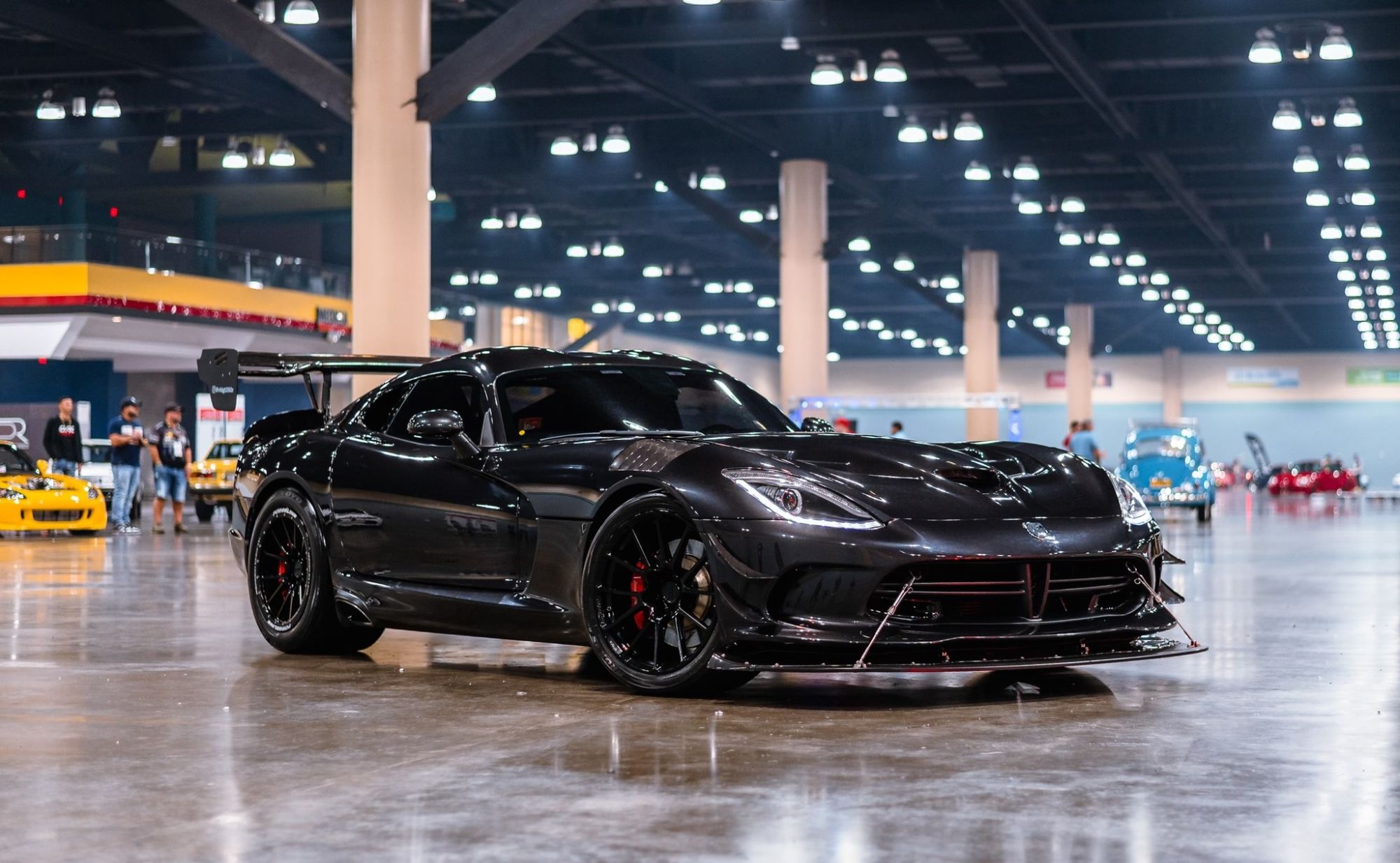
I love how the light catches the gloss finish on the beadlock rings. It adds just enough texture to break up the shadow of the black wheels. You can actually see the definition of the spokes even when the car is moving.
This car looks like a predator sitting in a dark alley. The proportions are aggressive, giving the Viper a hunkered-down stance that makes it look wider than the factory intended. It has a menacing, industrial vibe that draws a crowd at every single meet.
We see plenty of polished or bronze wheels, but black-on-black is timeless on the Viper platform. It emphasizes the brutal, raw shape of the car rather than the wheels themselves. The wheels complement the car’s natural aggression rather than distracting from it.
There is a clean, minimalist aesthetic here that works perfectly with the Viper’s sharp lines. It feels like a factory race car that escaped the garage. The design is functional, yes, but it undeniably looks incredible while parked.
Why We Love This Build
This Viper isn't just another car at the meet; it is a statement of intent. When the sun hits that black paint, the wheels disappear into the shadows, leaving only the aggressive stance of the tires and the beadlock rings visible. It looks like a spaceship ready to launch off the pavement.
We love this build because it ignores trends and goes straight for pure, track-focused utility. The way those 18-inch rears fill the arches creates a profile that makes your heart race just by looking at it. It is functional, it is fierce, and it is built for one purpose only.
This is the ultimate evolution of the Viper aesthetic. If you want to transform your car into a menacing track weapon, this is exactly how you do it. Go get yourself a set.
Full Specs Breakdown
Here is exactly what this owner is running. We break down every detail so you can replicate this build or use it as a starting point for your own setup.
- Car Make & Model: Dodge Viper
- Vehicle Color: Black
- Wheel Brand & Model: Forgeline GS1R-6 Beadlock
- Wheel Size: 19×11 and 18×13
- Offset: Contact dealer
- Wheel Finish: Gloss Black
Before You Buy: Fitment Checklist
We talk to Dodge Viper owners every day. These are the questions we hear most before they pull the trigger on new wheels.
Will 19×11 and 18×13-inch wheels fit my Dodge Viper? Yes, but fitment depends on width, offset, and tire size working together. A wrong offset means rubbing. A wrong tire size means poor handling. Always verify all three.
Do I need to modify my fenders? That depends on your offset and suspension. A conservative offset with stock ride height usually fits without modification. Go aggressive and you may need to roll or pull your fenders.
Can I daily-drive this setup? Absolutely. Thousands of Dodge Viper owners run 19×11 and 18×13-inch wheels every day. The key is choosing the right tire with enough sidewall to absorb road imperfections.