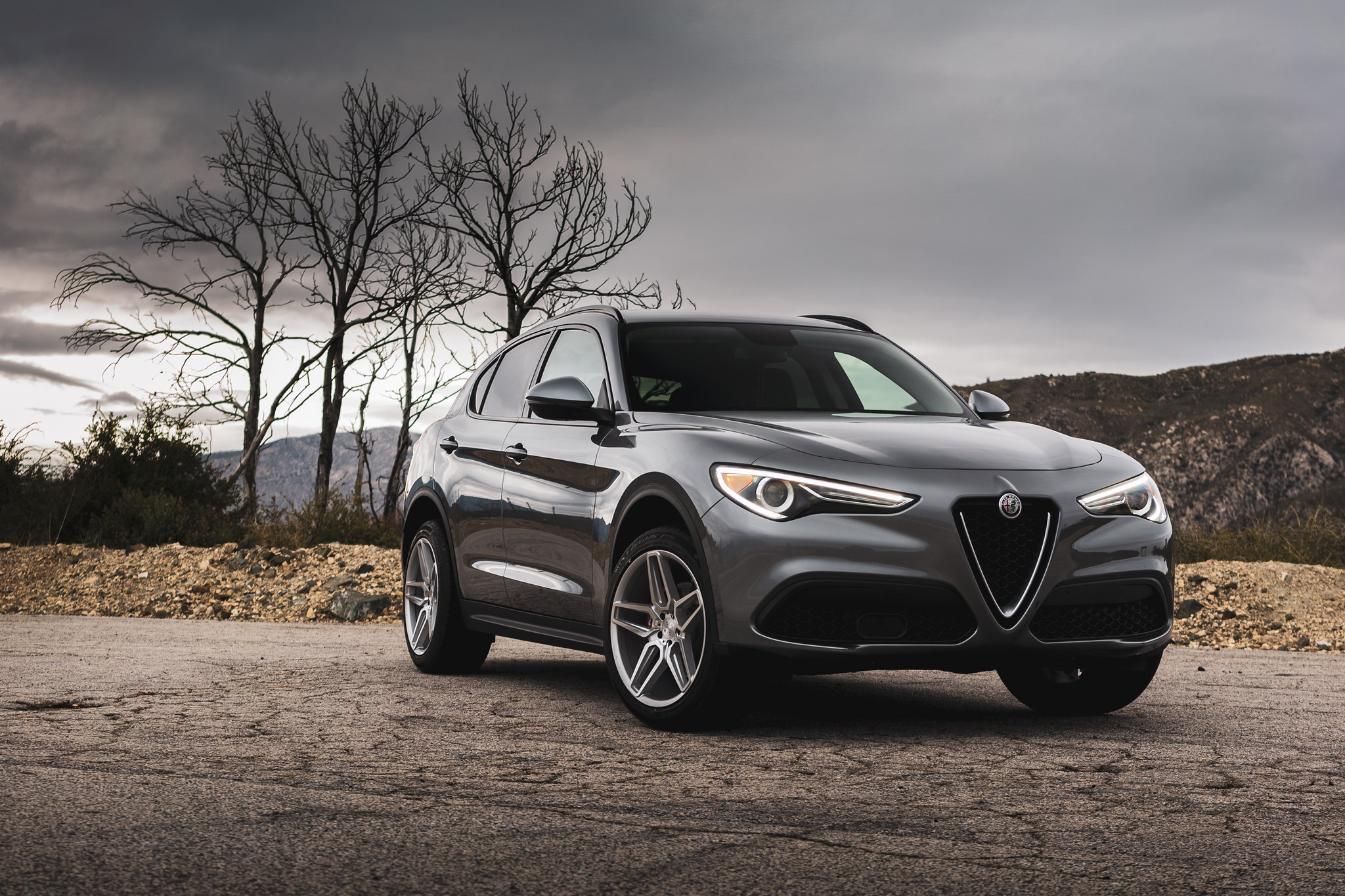
About This Dodge Charger Build
We love featuring real builds from real owners. This White Dodge Charger sits on a set of 20×10 and 20×11-inch Vertini RFS1.8 wheels, and the result speaks for itself.
The owner chose Vertini for a reason. This brand delivers serious quality and a design language that turns heads at every car meet. We see hundreds of Dodge Charger builds come through WheelFront every month, but this one stands out. The combination of the White exterior with the Vertini RFS1.8 creates a look that balances aggression with elegance.
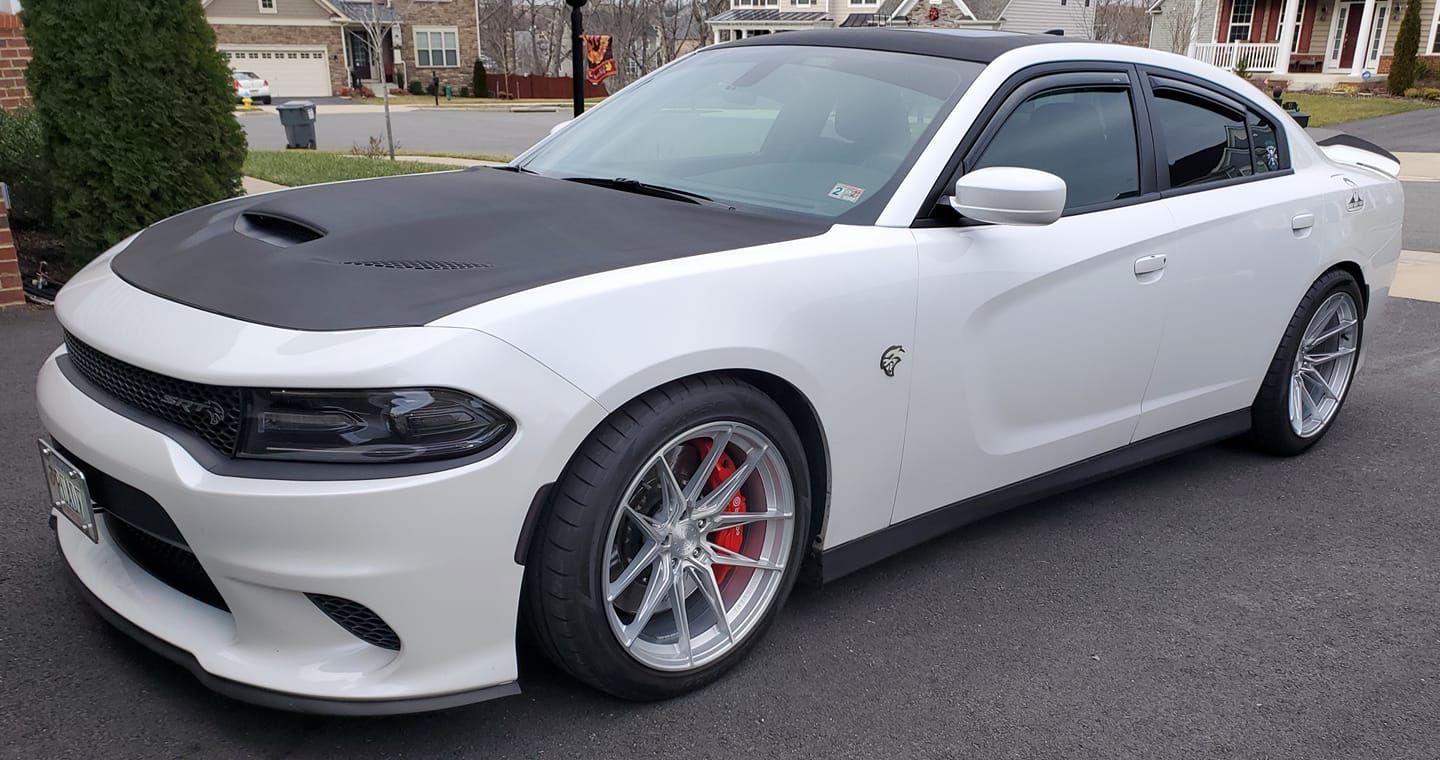
Fitment Breakdown: Vertini RFS1.8 on the Dodge Charger
I walked up to this white Charger and immediately clocked the stance. The owner went with the Vertini RFS1.8 in a staggered 20x10 front and 20x11 rear configuration. It fills the arches exactly how a Mopar should.
The +15 offset hits the sweet spot for this chassis. It pushes the wheels right to the edge of the fenders without looking like a poke-heavy drift car. You get that aggressive, flush look that turns heads at every stoplight.
Clearing the massive Brembo calipers on these Chargers is always a nightmare. Thankfully, the RFS1.8 barrel design offers plenty of room. We saw zero contact between the inner spoke and the brake hardware during our inspection.
The hub bore on these wheels matches the Dodge pattern perfectly. You do not need those sketchy adapter rings that cause high-speed vibrations. It mounts up tight and stays true on the highway.
I looked closely at the fender clearance with the 315/35-20 tires out back. It is tight, but the geometry holds up under compression. You might catch the liner if you slam the car on static coils, but it clears fine on stock geometry.
The front 275/40-20 setup keeps the steering feel sharp. You get enough rubber to put the power down without tramlining on grooved pavement. It feels planted and predictable in the corners.
Watch out for the rear inner wheel well if you go any lower than this build. That 11-inch width demands a precise alignment to keep the tires off the plastic. A quick fender roll solves the issue if you want to go lower.
What We Recommend for Dodge Charger Owners
If you want this look, start with a 20-inch diameter. Anything smaller gets swallowed by the massive Charger wheel wells. Stick to the 10-inch front and 11-inch rear width for the best performance balance.
Offset is the secret sauce for the Charger platform. Stay between +12 and +18 to keep the scrub radius manageable. Anything lower than +10 ruins your bearings and puts too much stress on the hub.
Forget the square setups unless you plan on rotating tires religiously. The staggered look provides the traction you actually need for those rear tires. A 315-section rear tire is mandatory to keep that Hemi from spinning away your dignity.
Do not cheap out on the rubber either. A 315/35-20 tire needs a high-quality compound to handle the weight of this sedan. We see too many guys ruin a good fitment with budget tires that bubble on the first pothole.
Check your alignment specs after the install. A little negative camber goes a long way to tucking the top of the tire. It keeps the tread flush with the road and saves your fenders from unnecessary rubbing.
Style and Build Analysis
The Brushed Silver finish against the white paint creates a crisp, high-end aesthetic. It avoids the tired black-on-white trend that everyone else is doing. The silver adds a metallic depth that catches the sun beautifully.
The RFS1.8 features a split-spoke design that feels modern yet muscular. It does not look like a race wheel, but it has enough technical detail to look fast standing still. The spokes reach all the way to the outer lip to make the wheel look massive.
Proportions are everything on a heavy car like the Charger. These wheels carry the weight of the design well without looking flimsy or dainty. They provide just enough visual weight to match the car’s aggressive front fascia.
I noticed how the finish changes color under the shade. In direct light, it pops with a bright, machined brilliance. In the shade, it settles into a cool, sophisticated grey that complements the car's body lines.
This build proves that you do not need wild colors to stand out. It relies on perfect fitment and a clean finish to command respect. It looks like something that rolled out of a high-end custom shop.
Why We Love This Build
This Charger stops us in our tracks because it looks purposeful and refined. The white paint glows, and the brushed silver wheels provide a clean, industrial contrast that feels incredibly premium. It is the perfect blend of street brawler and luxury cruiser.
Seeing it in person, you realize that the stance is what makes the whole car click. It sits low and wide, asserting dominance without needing a gaudy body kit. Every time the light hits those spokes, the entire build just comes alive.
We see thousands of cars, but this one hits the mark perfectly. It is the kind of setup that makes you look back every single time you walk away. This is how you build a Charger right.
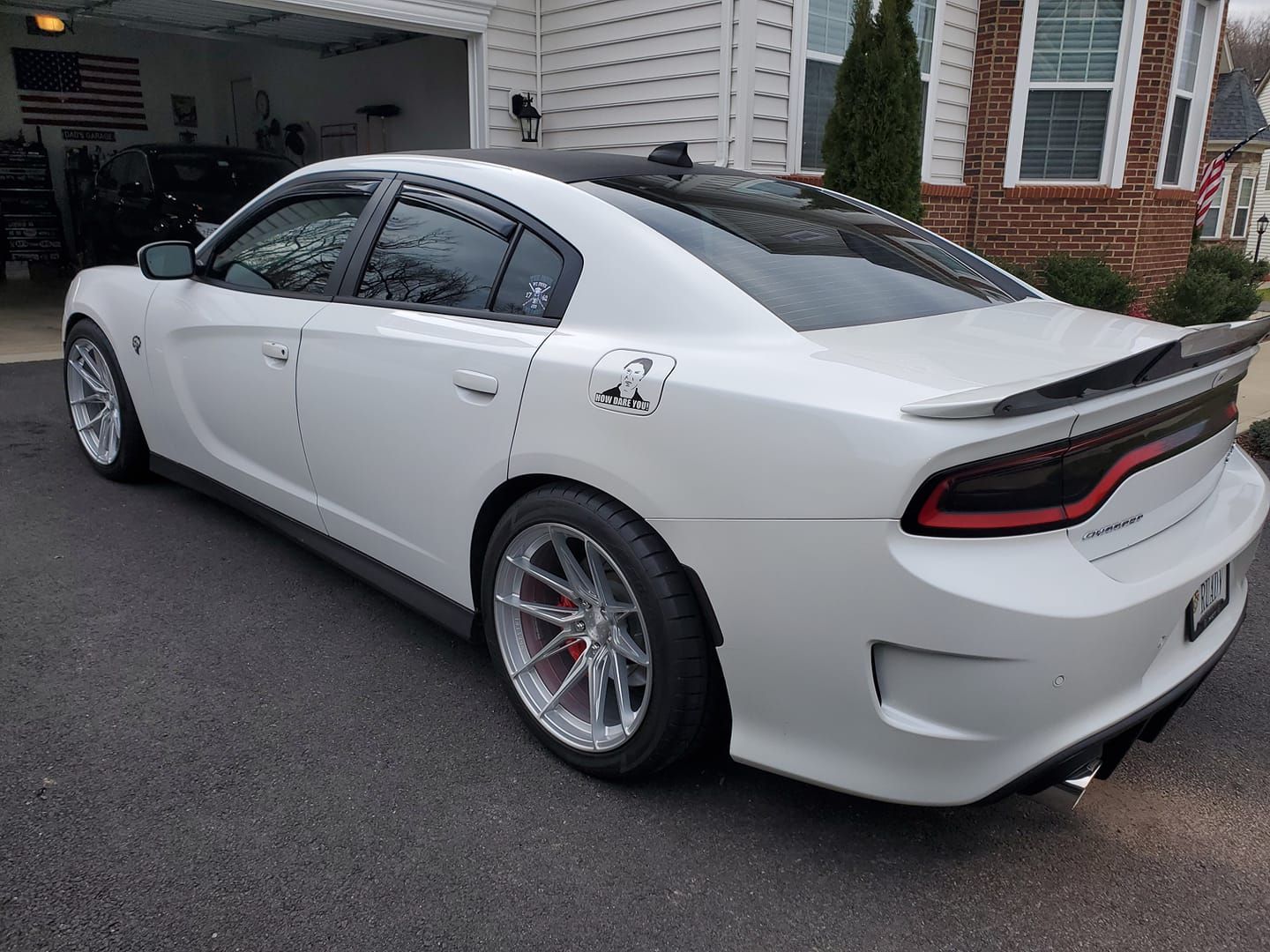
Full Specs Breakdown
Here is exactly what this owner is running. We break down every detail so you can replicate this build or use it as a starting point for your own setup.
- Car Make & Model: Dodge Charger
- Vehicle Color: White
- Wheel Brand & Model: Vertini RFS1.8
- Wheel Size: 20×10 and 20×11
- Offset: +15
- Wheel Finish: Brushed Silver
- Tires: 275/40-20 and 315/35-20
Before You Buy: Fitment Checklist
We talk to Dodge Charger owners every day. These are the questions we hear most before they pull the trigger on new wheels.
Will 20×10 and 20×11-inch wheels fit my Dodge Charger? Yes, but fitment depends on width, offset, and tire size working together. A wrong offset means rubbing. A wrong tire size means poor handling. Always verify all three.
Do I need to modify my fenders? That depends on your offset and suspension. A conservative offset with stock ride height usually fits without modification. Go aggressive and you may need to roll or pull your fenders.
Can I daily-drive this setup? Absolutely. Thousands of Dodge Charger owners run 20×10 and 20×11-inch wheels every day. The key is choosing the right tire with enough sidewall to absorb road imperfections.