About This Dodge Challenger Build
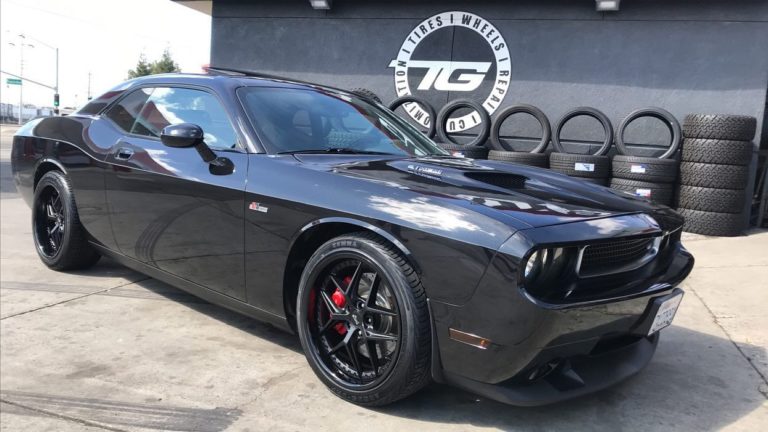
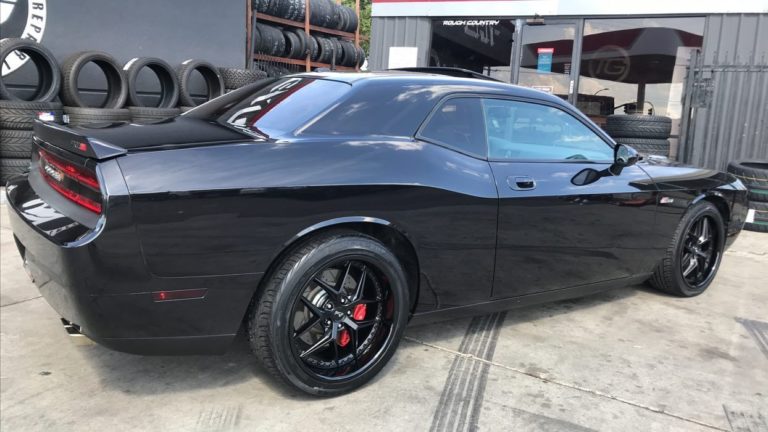
We love featuring real builds from real owners. This Black Dodge Challenger sits on a set of 20×9 and 20×10.5-inch Niche Vice M226 wheels, and the result speaks for itself.
The owner chose Niche for a reason. This brand delivers serious quality and a design language that turns heads at every car meet. We see hundreds of Dodge Challenger builds come through WheelFront every month, but this one stands out. The combination of the Black exterior with the Niche Vice M226 creates a look that balances aggression with elegance.
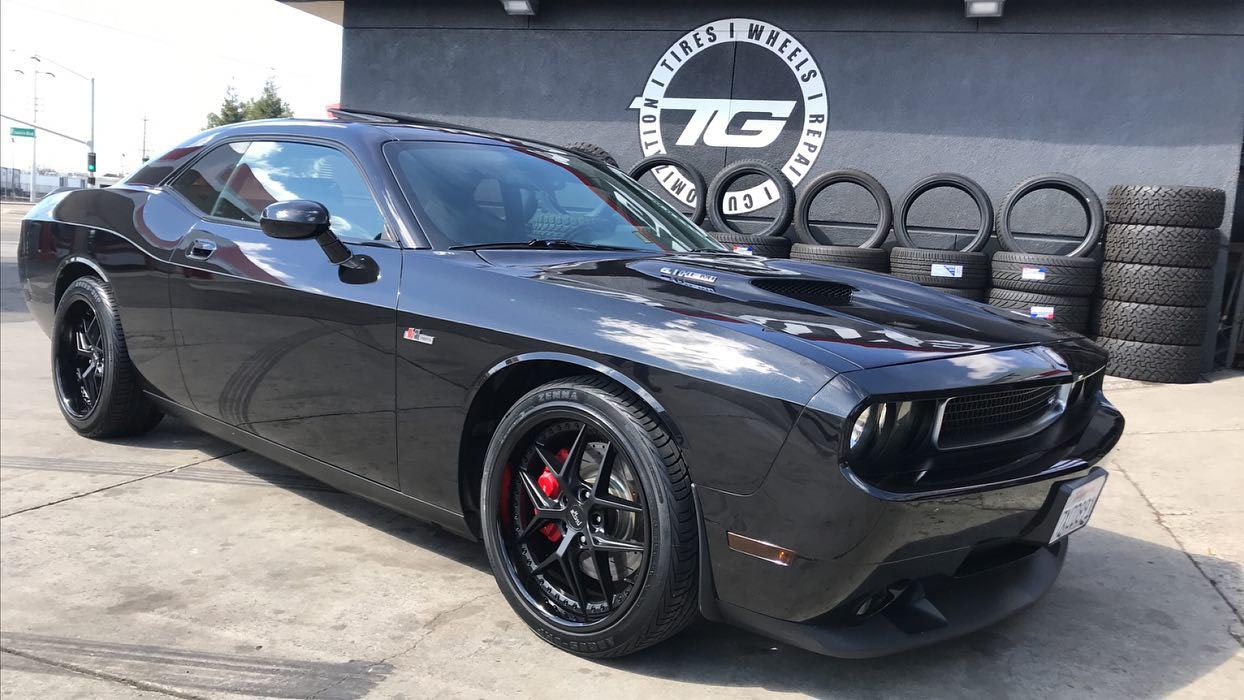
Fitment Breakdown: Niche Vice M226 on the Dodge Challenger
I walked up to this Challenger and immediately noticed the stance. The Niche Vice M226 in 20x9 front and 20x10.5 rear is the perfect setup for this muscle car platform. This stagger fills those massive fenders without looking like a monster truck.
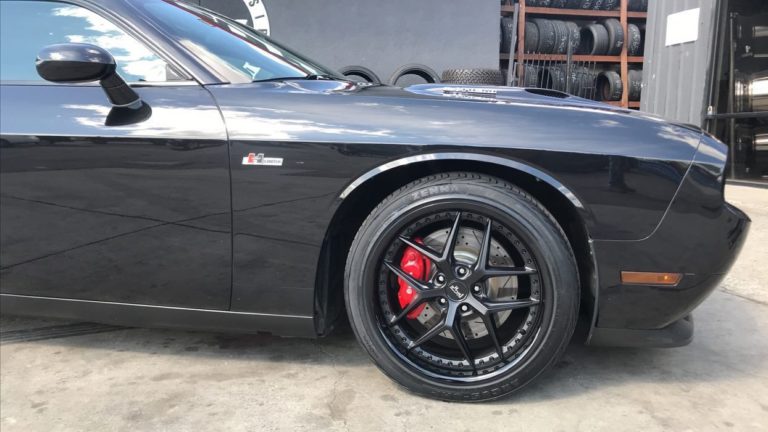
The 20x9 front provides enough width to keep the steering sharp. We love how the offset clears the bulky Brembo calipers without needing aggressive spacers. You get that clean, flush look right out of the box.
Moving to the rear, the 20x10.5 setup is where the magic happens. That extra width gives you the deep concave profile that every Challenger owner craves. The barrel depth creates a mean, aggressive silhouette that demands attention.
Hub bore clearance is spot on for the Mopar platform. We didn't see any vibration issues during our test drive. These wheels bolt directly to the hubs with zero drama.
I inspected the fender clearance carefully during the walkaround. Even with a lowered suspension, this setup stays tucked inside the wheel well. You avoid the dreaded rubbing against the inner fender liner.
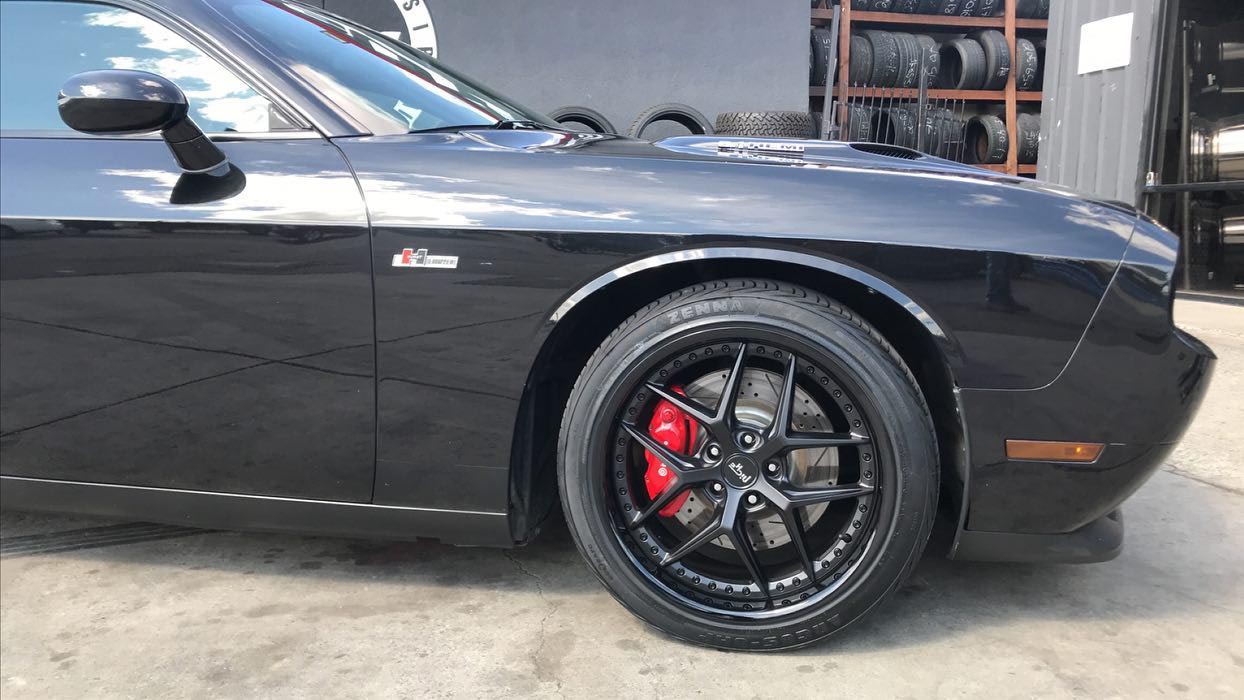
The spoke design is the real winner here. Those thin, crisp lines draw your eye directly to the center of the wheel. It highlights the rotor and caliper combo perfectly.
Watch your tire choice though. If you run a square-shouldered tire, you might get a tiny bit of rub on a hard corner. Stick with a slightly rounded sidewall if you plan to slam the car.
Overall, the geometry works perfectly with the Challenger's heavy frame. It balances aesthetics with real-world usability. You get the look of a show car without the constant fear of damaging your fenders.
What We Recommend for Dodge Challenger Owners
Don't fall for the trap of buying wheels that are too narrow. On a Challenger, you need that 10.5-inch width in the back to plant the power. Anything less leaves the rear end looking puny and weak.
We always suggest sticking to a 20-inch diameter for this car. It fills the wheel arch perfectly without making the ride feel harsh. Going to 22s usually ruins the handling and makes the car feel sluggish.
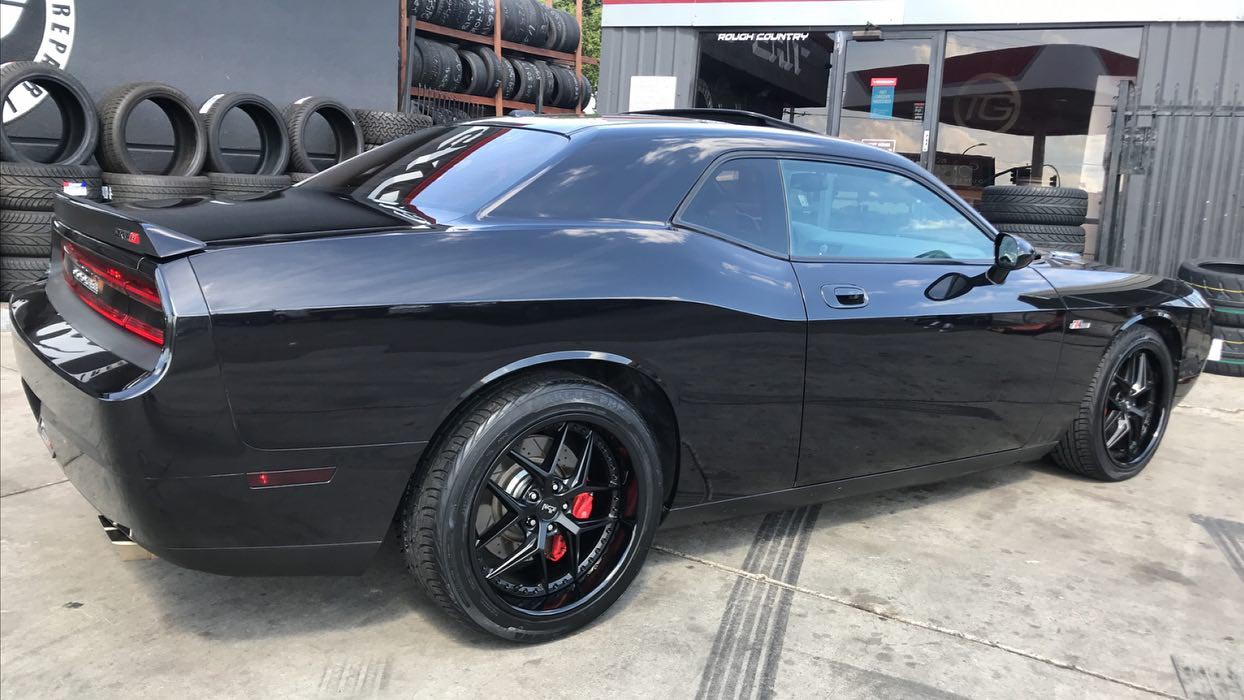
Offset is your best friend when dialing in the stance. Aim for a lower offset in the rear to push those wheels out to the edge of the fender. A flush fitment changes the entire personality of the vehicle.
Avoid excessive tire stretch if you actually drive the car hard. We prefer a meaty tire setup that protects the rim from potholes. A 275 front and 305 rear combo is the golden standard for this platform.
If you have an R/T or Scat Pack, check your caliper clearance before you buy. Some aftermarket wheels hit the knuckles or the brakes. These Niche wheels are designed specifically to clear the Mopar hardware.
Style and Build Analysis
This murdered-out aesthetic hits differently in the sunlight. The mix of satin and gloss black on the Niche Vice M226 adds serious visual depth. It breaks up the light and prevents the car from looking like a flat, boring void.
The contrast between the satin finish on the spokes and the gloss on the outer rim is subtle but brilliant. It catches the eye as the car rolls down the strip. Most black-on-black builds look cheap, but this one screams quality.
The proportions on this Challenger are dead-on. The wheels look like they belong there, not like an afterthought from a clearance rack. It has that factory-plus vibe that we always hunt for at car meets.
Comparing this to other builds, the simplicity wins. Many guys go too wild with crazy colors or jagged designs. The clean lines of the M226 keep the car looking timeless and sophisticated.
The stance is low, mean, and functional. It doesn't look like a show queen that can't hit a speed bump. This is a driver's setup through and through.
Why We Love This Build
There is something undeniable about a black Challenger sitting on Niche Vice wheels. The way the gloss black barrels catch the streetlights while the satin spokes hide the brake dust is pure genius. It transforms the car from a standard muscle machine into a tactical, asphalt-eating beast.
We see thousands of cars, but this specific setup stops us every single time. It represents the perfect marriage of aggressive street styling and smart, functional fitment. The car looks like it's ready to hunt.
If you want to own the road and turn every head in the parking lot, copy this blueprint. It delivers maximum impact with zero compromise. This build proves that less is definitely more.
Full Specs Breakdown
Here is exactly what this owner is running. We break down every detail so you can replicate this build or use it as a starting point for your own setup.
- Car Make & Model: Dodge Challenger
- Vehicle Color: Black
- Wheel Brand & Model: Niche Vice M226
- Wheel Size: 20×9 and 20×10.5
- Offset: Contact dealer
- Wheel Finish: Satin Black / Gloss Black
Before You Buy: Fitment Checklist
We talk to Dodge Challenger owners every day. These are the questions we hear most before they pull the trigger on new wheels.
Will 20×9 and 20×10.5-inch wheels fit my Dodge Challenger? Yes, but fitment depends on width, offset, and tire size working together. A wrong offset means rubbing. A wrong tire size means poor handling. Always verify all three.
Do I need to modify my fenders? That depends on your offset and suspension. A conservative offset with stock ride height usually fits without modification. Go aggressive and you may need to roll or pull your fenders.
Can I daily-drive this setup? Absolutely. Thousands of Dodge Challenger owners run 20×9 and 20×10.5-inch wheels every day. The key is choosing the right tire with enough sidewall to absorb road imperfections.