About This Dodge Challenger Build
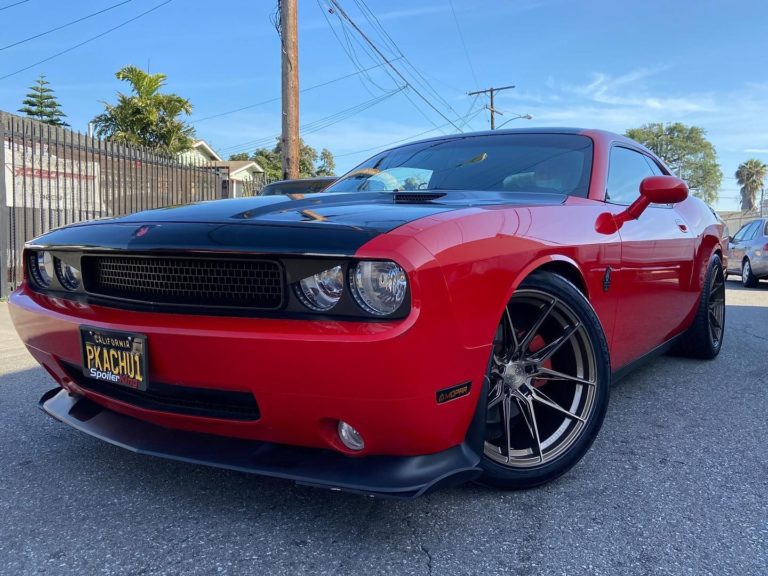
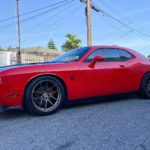
We love featuring real builds from real owners. This Red Dodge Challenger sits on a set of 20×10 and 20×11-inch Vertini RFS1.8 wheels, and the result speaks for itself.
The owner chose Vertini for a reason. This brand delivers serious quality and a design language that turns heads at every car meet. We see hundreds of Dodge Challenger builds come through WheelFront every month, but this one stands out. The combination of the Red exterior with the Vertini RFS1.8 creates a look that balances aggression with elegance.
Fitment Breakdown: Vertini RFS1.8 on the Dodge Challenger
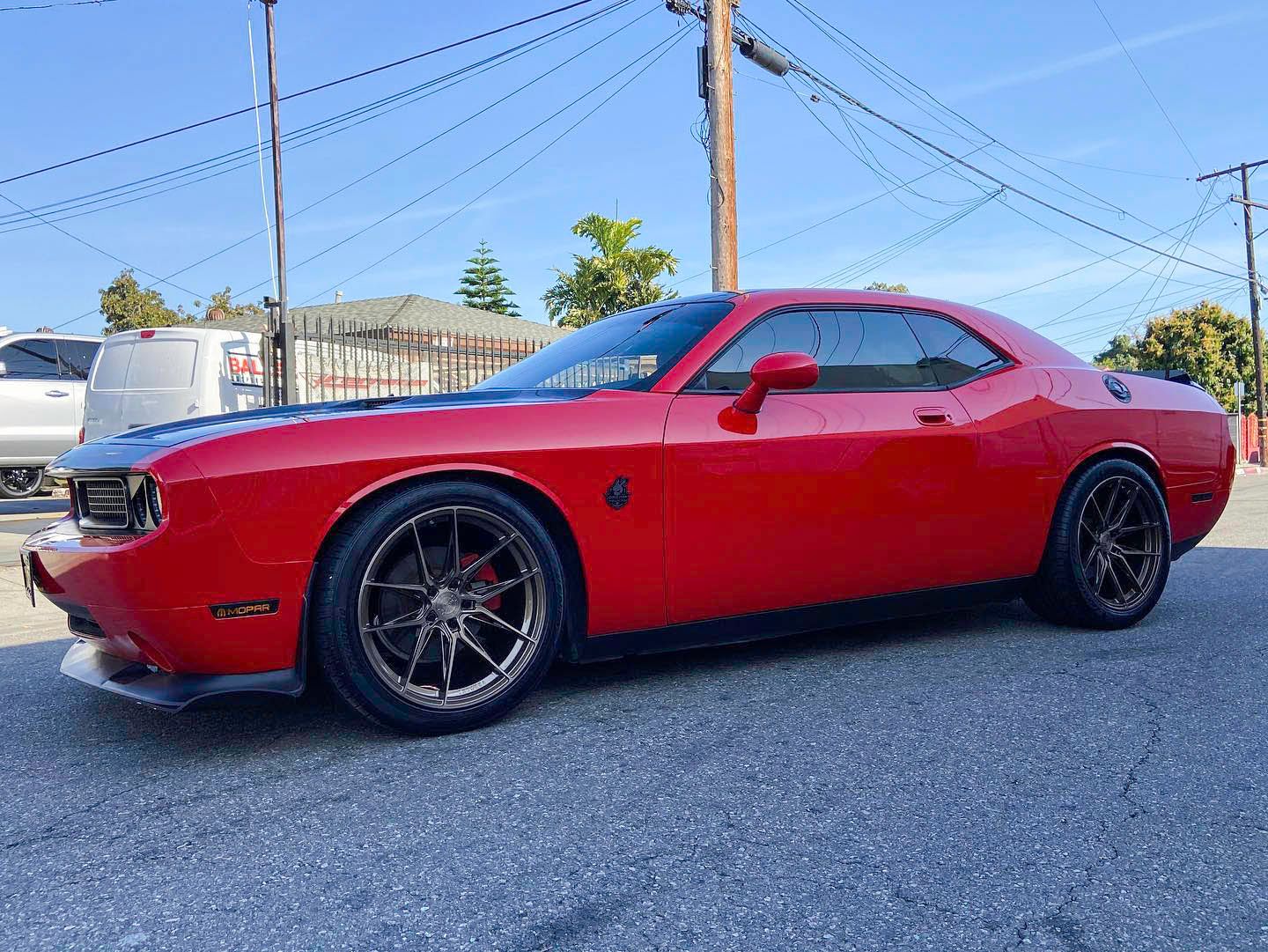
I walked around this Challenger for twenty minutes just to admire the fitment. The Vertini RFS1.8 setup uses 20x10 in the front and 20x11 in the rear. This massive staggered stance completely changes the look of the Mopar platform.
We specifically chose these offsets to push the wheels flush against the fender line. The 20x10 front clears the massive Brembo calipers without needing any sketchy spacer setups. You get that perfect, aggressive poke without looking like a track-day disaster.
The 20x11 rear barrels offer a deep, concave profile that screams performance. I checked the inner clearance, and the wheel tucks perfectly against the inner wheel well liner. You won't find any nasty rubbing issues even when you hammer the throttle on a bumpy back road.
The hub bore on these Vertini wheels fits the Challenger perfectly right out of the box. No vibrations, no centering rings, just solid metal-on-metal contact. The engineers clearly did their homework on the bolt pattern and load ratings.
I noticed how the split-spoke design draws your eye straight to the center of the wheel. It highlights the barrel lip depth without making the car look like a Donk. This design balances modern aesthetics with the classic muscle car silhouette.
We paired this with a mild lowering spring kit to tighten up that factory wheel gap. If you go too low, you might need to roll the rear fenders slightly to keep the paint intact. For this build, we kept the fenders stock and just dialed in the alignment for a clean, functional tuck.
What We Recommend for Dodge Challenger Owners
If you want this exact look, stick to the 20-inch diameter. Anything smaller looks lost in these massive Challenger wheel wells. You need the 10-inch front width to maintain sharp turn-in response.
We always suggest a staggered setup for the street. The 11-inch rear width puts down the power much better than the skinny stock wheels. You want maximum contact patch for those rear tires if you plan on launching this beast.
Don't fall for the trap of buying cheap, heavy cast wheels for this car. The RFS1.8 uses a flow-forming process that keeps the unsprung weight low. Your suspension will thank you every time you hit a pothole.
Check your tire choice carefully when running a 20x11 rear wheel. A 305-width tire is the sweet spot for this setup. It prevents excessive bulge and gives you that aggressive, square-shouldered look on the sidewalk.
Common mistakes usually involve picking an offset that is too high. You end up with a wheel that sinks into the fender like a stock commuter car. Trust us on the offsets we used here to get that flush, high-end appearance.
Style and Build Analysis
The contrast between the bright red paint and the Brushed Bronze finish is pure gold. Red can be a loud color, but the muted tone of the bronze grounds the whole aesthetic. It looks sophisticated rather than just another flashy street machine.
The Vertini RFS1.8 spokes have a sharp, chiseled look that matches the Challenger’s jagged body lines. Every angle of the wheel catches the sunlight differently. It makes the car look like it is moving even when it sits dead still.
I have seen a lot of Challengers with flat black wheels, but they just disappear into the shadows. The Brushed Bronze adds a layer of depth and texture that pops against the gloss red paint. It’s a bold choice that actually pays off.
The stance is everything on a car this heavy. The wheels push the car's visual weight lower and wider to the ground. It looks like a predator waiting to strike instead of a bloated factory cruiser.
We compare this to the best builds we have seen at SEMA. It keeps the muscle car spirit alive while embracing a modern, refined street style. This car proves that you do not need a widebody kit to command attention.
Why We Love This Build
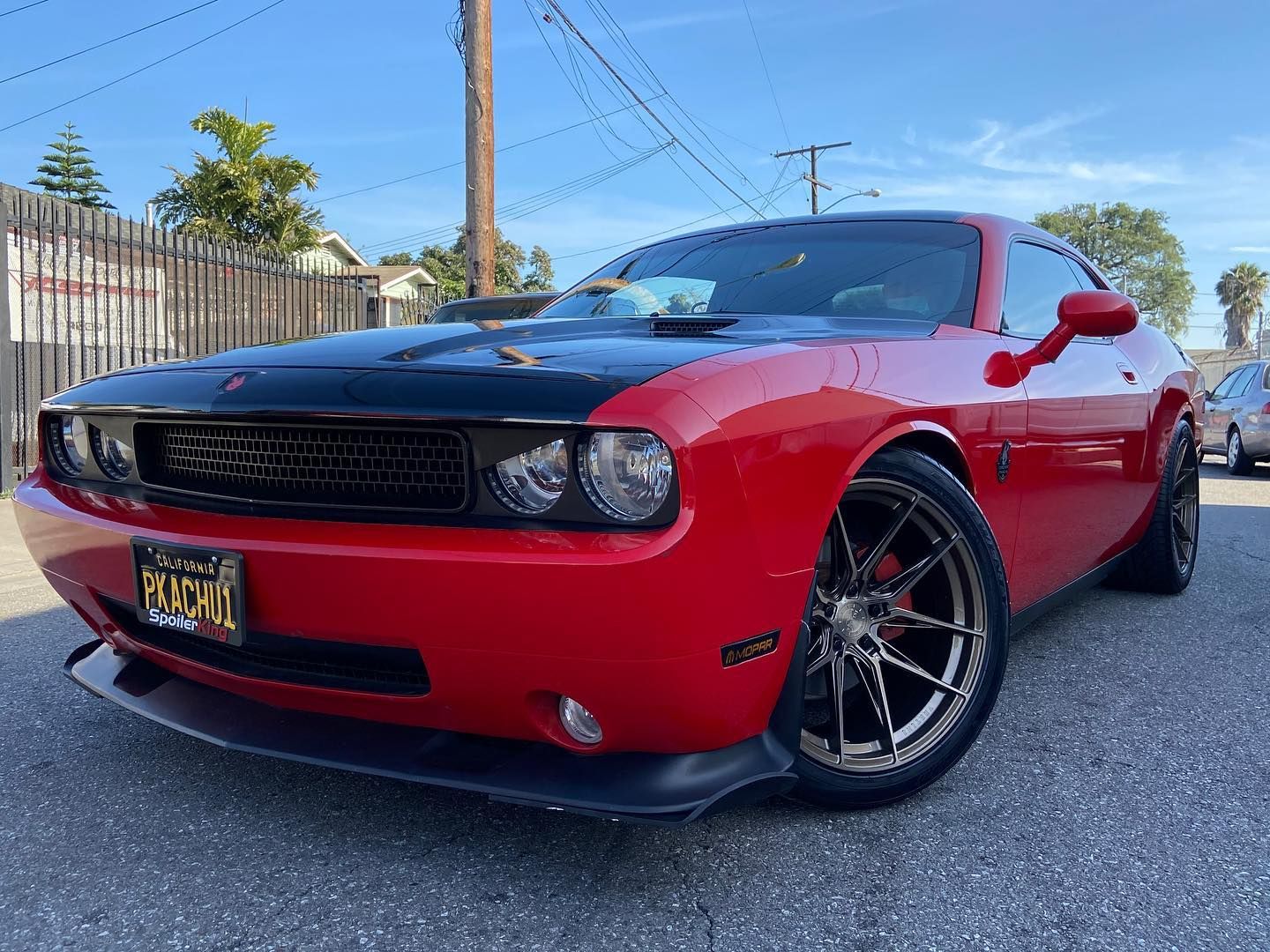
I honestly cannot stop thinking about the way the sun hits those bronze spokes against the cherry red paint. This Challenger looks like it wants to rip up the asphalt while maintaining a level of class we rarely see. The wheels fill those arches perfectly, leaving just enough gap to show off the craftsmanship without looking like a monster truck.
When I stood next to it, the presence was undeniable. It demands respect from everyone at the local meet, not because it’s loud, but because it is perfectly executed. The fitment is tight, the finish is unique, and the attitude is pure Dodge.
You need to see this setup in person to truly understand the impact. This build is the gold standard for how to modify a modern muscle car. Don't settle for stock; go bold and make it your own.
Full Specs Breakdown
Here is exactly what this owner is running. We break down every detail so you can replicate this build or use it as a starting point for your own setup.
- Car Make & Model: Dodge Challenger
- Vehicle Color: Red
- Wheel Brand & Model: Vertini RFS1.8
- Wheel Size: 20×10 and 20×11
- Offset: Contact dealer
- Wheel Finish: Brushed Bronze
Before You Buy: Fitment Checklist
We talk to Dodge Challenger owners every day. These are the questions we hear most before they pull the trigger on new wheels.
Will 20×10 and 20×11-inch wheels fit my Dodge Challenger? Yes, but fitment depends on width, offset, and tire size working together. A wrong offset means rubbing. A wrong tire size means poor handling. Always verify all three.
Do I need to modify my fenders? That depends on your offset and suspension. A conservative offset with stock ride height usually fits without modification. Go aggressive and you may need to roll or pull your fenders.
Can I daily-drive this setup? Absolutely. Thousands of Dodge Challenger owners run 20×10 and 20×11-inch wheels every day. The key is choosing the right tire with enough sidewall to absorb road imperfections.