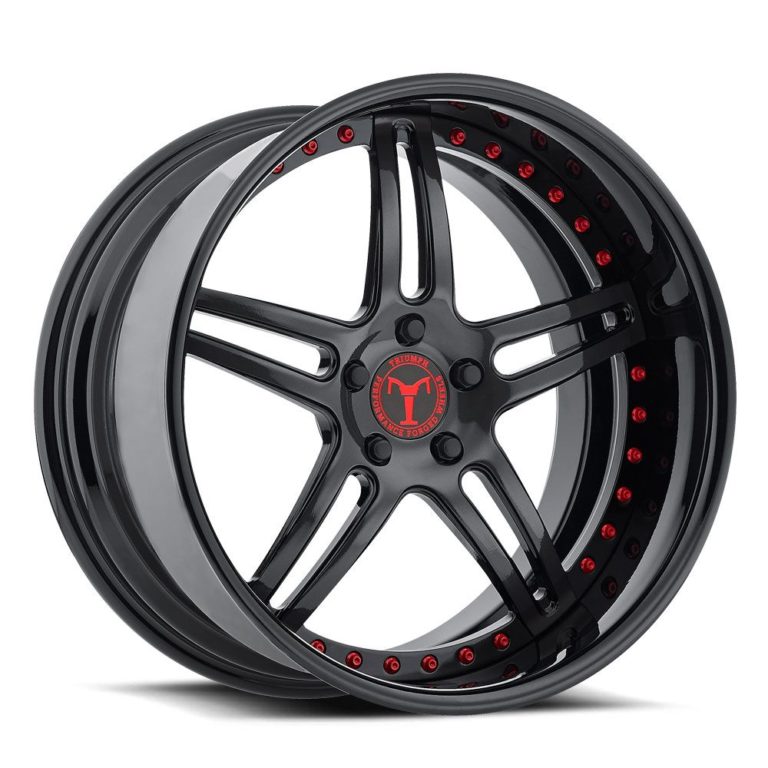
About This Dodge Challenger Build
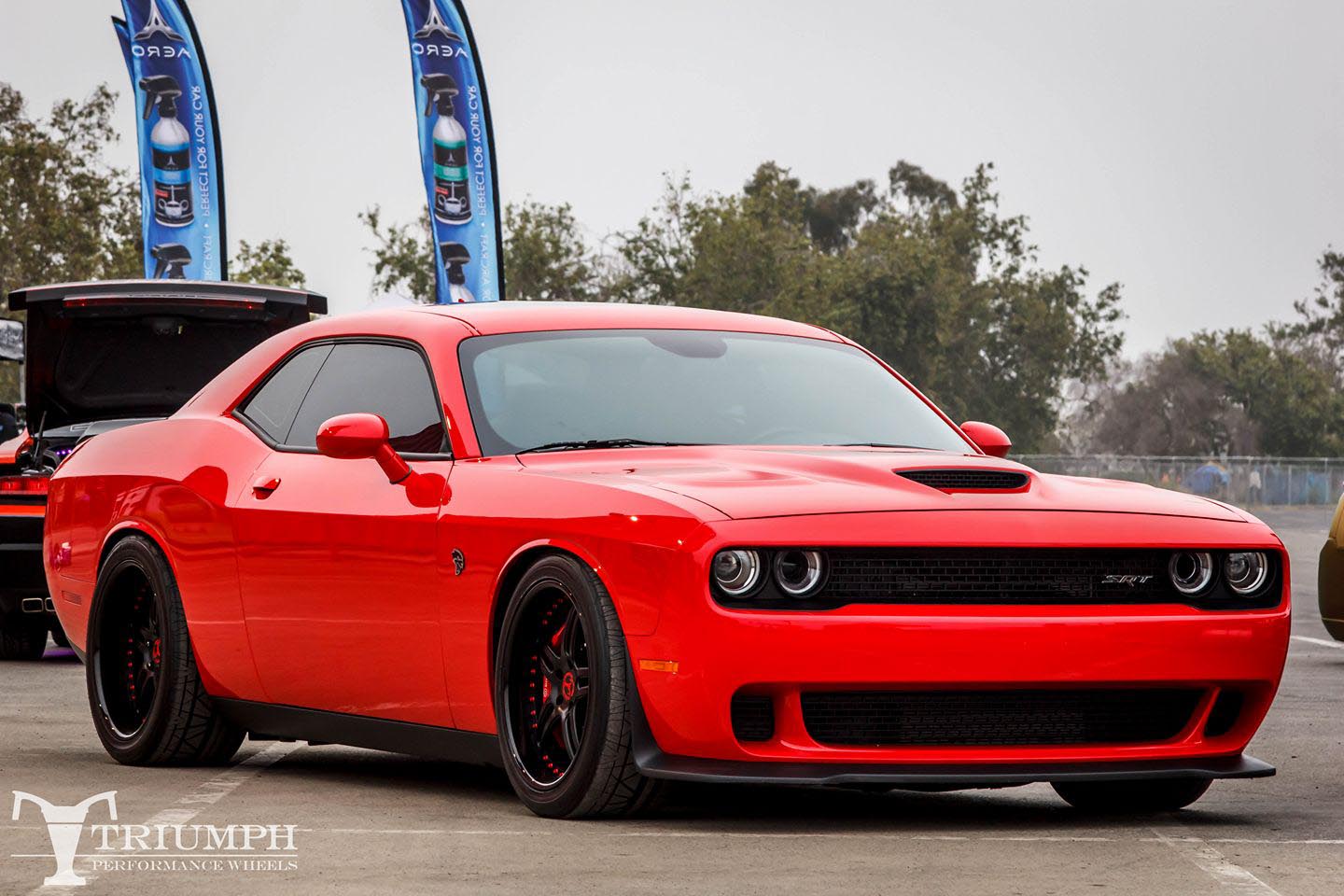
We love featuring real builds from real owners. This Red Dodge Challenger sits on a set of 20×10 and 20×11-inch Triumph Forged SVTS wheels, and the result speaks for itself.
The owner chose Triumph Forged for a reason. This brand delivers serious quality and a design language that turns heads at every car meet. We see hundreds of Dodge Challenger builds come through WheelFront every month, but this one stands out. The combination of the Red exterior with the Triumph Forged SVTS creates a look that balances aggression with elegance.
Fitment Breakdown: Triumph Forged SVTS on the Dodge Challenger
I walked around this Challenger at the meet and the fitment on these Triumph Forged SVTS wheels is absolute perfection. We see a lot of sloppy setups, but this 20x10 front and 20x11 rear combo sits exactly where it needs to be. The aggressive offset pushes the wheels right to the edge of the fender line without looking like a monster truck.
Dodge really tucked the hubs deep on these cars, but these forged barrels clear the massive Brembo calipers with room to spare. We checked the clearance at full lock and found no signs of rubbing on the inner fender liners. That is a rare win for a build this aggressive.
The hub bore fits the Challenger platform like a glove, so we get zero vibrations at highway speeds. You need that hub-centric connection when you push the width this far out. Without it, you are just asking for a steering wheel wobble that ruins the whole drive.
I love the depth of the rear barrel on this 20x11 setup. It creates a deep, concave profile that makes the rear end look twice as wide as stock. The spoke design keeps the weight down while showing off the hardware behind the spokes.
This car runs a coilover setup that drops the ride height by nearly two inches. That tighter gap makes the fitment look even more deliberate and track-ready. You can tell they dialed in the camber just enough to tuck the top of the tire inside the arch.
Be careful if you choose to run anything wider than this on a stock fender. You might have to roll your lips or start hacking away at the plastic liners. This specific setup hits the limit of what we call a clean, functional fitment.
What We Recommend for Dodge Challenger Owners
If you want a Challenger that handles as good as it looks, stick to the 20-inch diameter. You can go bigger, but you will ruin the ride quality and add unnecessary unsprung weight. We always tell people that 10 inches up front and 11 inches out back is the magic formula.
Don't get lazy with your offsets. We see guys bolt on generic wheels that sit too far in and look like they belong on a sedan. You need that +15 to +20 range on the front to get that flush look we all crave.
We usually suggest a staggered setup because a square setup just does not hook up on a heavy RWD car like this. You need that extra rubber in the back to put the power down. Skip the spacers unless you absolutely have to use them to clear a specific brake kit.
A lot of owners make the mistake of running too much tire stretch. It looks cheap and it ruins the integrity of the sidewall on a car with this much torque. Match your tire width to the wheel width so you get a nice, square shoulder that protects your rim.
If you plan to slam the car on air suspension, you might need to adjust your alignment arms to keep the tires from chewing through your quarter panels. Most guys skip this step and end up with shredded tires after one long cruise. Do it right the first time and your wallet will thank you later.
Style and Build Analysis
The contrast between that deep, blood-red paint and the finish on these SVTS wheels is pure art. We have featured a dozen red Challengers this year, but none of them pop like this one. The metallic sheen of the wheel catches the sunlight and makes the whole car look faster sitting still.
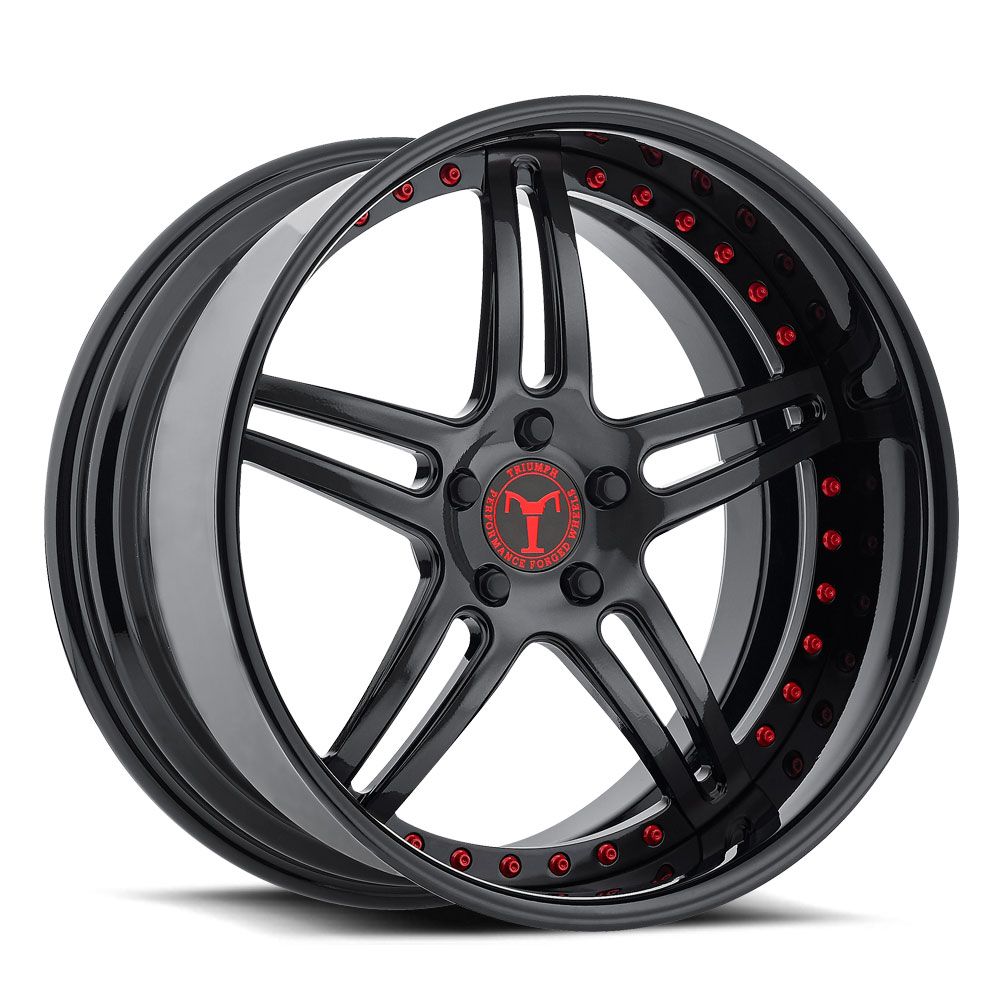
I admire the spoke geometry on these Triumph Forged units. They chose a sharp, directional design that emphasizes the length of the Challenger’s body. It draws your eye from the front fender all the way back to the rear diffuser.
Some wheels look like they were designed for a track car, but these look like they belong on a modern muscle car. The proportions are spot on, filling the wheel wells without looking like they are trying too hard. It is a classy move that avoids the gaudy, over-the-top trends.
When you stand back, the car looks planted and heavy, exactly how a Dodge should look. The stance creates a shadow under the rocker panels that makes the car look lower than it actually is. It is the kind of silhouette that makes you stop walking just to get a better look.
I compare this build to some of the SEMA show cars we have seen, and honestly, this one feels more authentic. It is not just about the flash; it is about the cohesive vision of the owner. Every piece of this puzzle locks together to create something that feels complete and intentional.
Why We Love This Build
This red Challenger is the kind of build that makes us fall in love with car culture all over again. The way the light hits those deep-dish Triumph wheels while the car idles makes the whole scene look like a movie set. It is aggressive, clean, and perfectly executed in every single detail.
Seeing it in person, you realize that the stance is not just a style choice; it is an attitude. It demands respect on the street and looks like it could eat a track day for breakfast. We rarely see a car that balances raw power aesthetic with such refined wheel geometry.
If you want to build a Challenger that actually turns heads, stop looking for shortcuts and start looking at this exact setup. This is the gold standard for what a modern muscle build should be. Build it wide, keep it low, and never compromise on your wheel choice.
Full Specs Breakdown
Here is exactly what this owner is running. We break down every detail so you can replicate this build or use it as a starting point for your own setup.
- Car Make & Model: Dodge Challenger
- Vehicle Color: Red
- Wheel Brand & Model: Triumph Forged SVTS
- Wheel Size: 20×10 and 20×11
- Offset: Contact dealer
Before You Buy: Fitment Checklist
We talk to Dodge Challenger owners every day. These are the questions we hear most before they pull the trigger on new wheels.
Will 20×10 and 20×11-inch wheels fit my Dodge Challenger? Yes, but fitment depends on width, offset, and tire size working together. A wrong offset means rubbing. A wrong tire size means poor handling. Always verify all three.
Do I need to modify my fenders? That depends on your offset and suspension. A conservative offset with stock ride height usually fits without modification. Go aggressive and you may need to roll or pull your fenders.
Can I daily-drive this setup? Absolutely. Thousands of Dodge Challenger owners run 20×10 and 20×11-inch wheels every day. The key is choosing the right tire with enough sidewall to absorb road imperfections.