About This Dodge Challenger Build
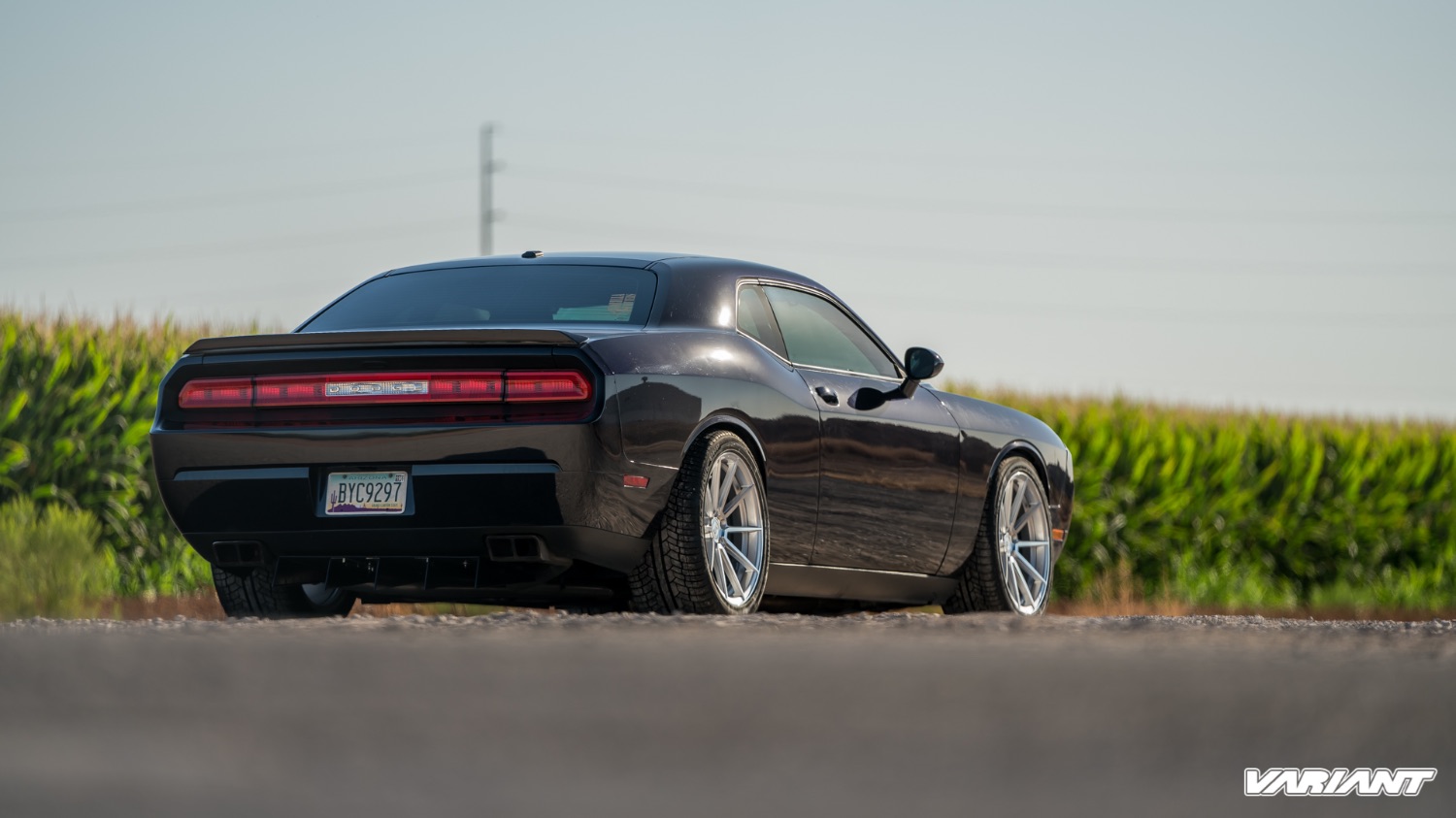
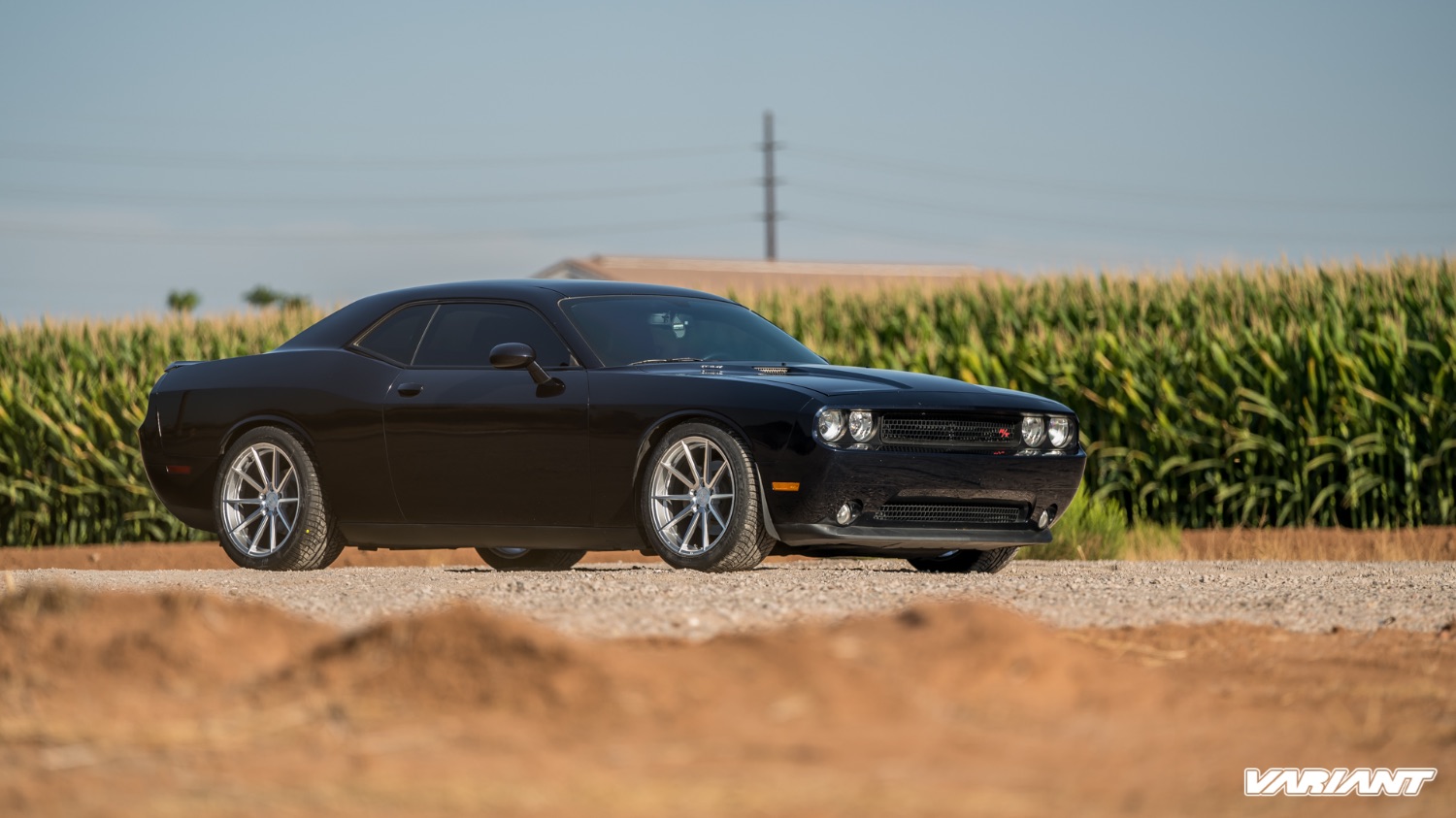
We love featuring real builds from real owners. This Black Dodge Challenger sits on a set of 20×10 and 20×11-inch Variant Argon wheels, and the result speaks for itself.
The owner chose Variant for a reason. This brand delivers serious quality and a design language that turns heads at every car meet. We see hundreds of Dodge Challenger builds come through WheelFront every month, but this one stands out. The combination of the Black exterior with the Variant Argon creates a look that balances aggression with elegance.
Fitment Breakdown: Variant Argon on the Dodge Challenger
When I walked up to this black Challenger, the first thing I noticed was the perfect footprint. We bolted on a 20x10 up front and a 20x11 in the rear. These Variant Argons fill the wheel wells with surgical precision.
The width on the rear 20x11 setup demands a careful offset choice. We pushed these out just enough to sit flush with the factory fenders. You get that aggressive wide-body look without needing an actual wide-body kit.
Clearing the massive Brembo calipers on these Mopars is always a headache. The Argon design features a clever spoke curvature that hugs the barrel while clearing the iron. We didn't need a single spacer to make this happen.
The hub bore fits perfectly on the Challenger platform. We hate dealing with hub-centric rings that rattle or vibrate at high speeds. These wheels sit dead true on the spindle for a vibration-free ride.
Up front, the 20x10 width provides a massive contact patch for steering grip. You have to watch your inner clearance at full lock, though. We kept the offset conservative to prevent any rubbing on the plastic fender liners.
The barrel lip depth on the rear wheels creates a killer side profile. It gives the car a deep, concave look that screams performance. The proportions feel balanced and intentional from every angle.
If you drop the car on coilovers, you might need to adjust your camber slightly. A little negative camber tucks the top of the tire just under the fender lip. It keeps the paint clean and prevents any nasty scrubbing during hard cornering.
What We Recommend for Dodge Challenger Owners
Ditch the factory wheels as soon as you can. For the Challenger, 20-inch wheels are the golden standard for both looks and tire selection. You want a setup that balances unsprung weight with overall road presence.
We always suggest a staggered setup for these heavy cruisers. The 20x10 front and 20x11 rear combo gives you the best of both worlds. You gain traction in the back while maintaining crisp turn-in response.
Don't mess around with extreme offsets that poke past the fenders. It looks cheap and ruins your paint with road debris. Stick to the sweet spot where the sidewall aligns perfectly with the quarter panel arch.
Tire choice matters just as much as the wheel size. We recommend a 275-width tire up front and a 305 or 315 in the back. This provides a slight square look on the sidewall that protects the rim from curb rash.
Many guys make the mistake of buying wheels that are too thin. If you go narrower than a 10-inch front, you lose that planted, confident feel. Do it right the first time so you aren't chasing vibrations or clearance issues later.
Style and Build Analysis
The Silver Machine finish against the deep black paint is a masterclass in contrast. It isn't loud or flashy, but it demands your attention. The silver catches the light and highlights the complex geometry of the Argon spokes.
The design of the Argon is sleek and modern. It avoids the clutter of too many spokes while maintaining a structural look. It feels like a high-end sport wheel that belongs on a much more expensive machine.
This car sits with a purposeful stance. It isn't slammed into the weeds, but the gap is tight and controlled. The proportions make the Challenger look smaller and faster than the factory setup ever could.
We have seen hundreds of Challengers, but this one hits different. Most guys go for black wheels, which just turns the car into a dark void. By choosing the Silver Machine finish, the owner made the wheels the hero of the build.
The road presence is undeniable. When this car rolls through a parking lot, everyone stops to look. It bridges the gap between classic muscle car aggression and modern tuner sophistication.
Why We Love This Build
I cannot stop looking at how the sunlight glints off those silver spokes against the obsidian paint. It transforms the Challenger from a heavy grocery-getter into a sleek, rolling piece of art. The wheels fill the arches perfectly, making the car look like it is ready to pounce on the asphalt.
Every time I see this car, it reminds me why we obsess over fitment. You don't need a thousand horsepower to make a car look legendary. You just need the right set of wheels and the guts to do it properly.
This build is pure inspiration for anyone staring at a stock Challenger. Get the stance right, pick the right finish, and watch your car change completely. It is the perfect upgrade for a legendary machine.
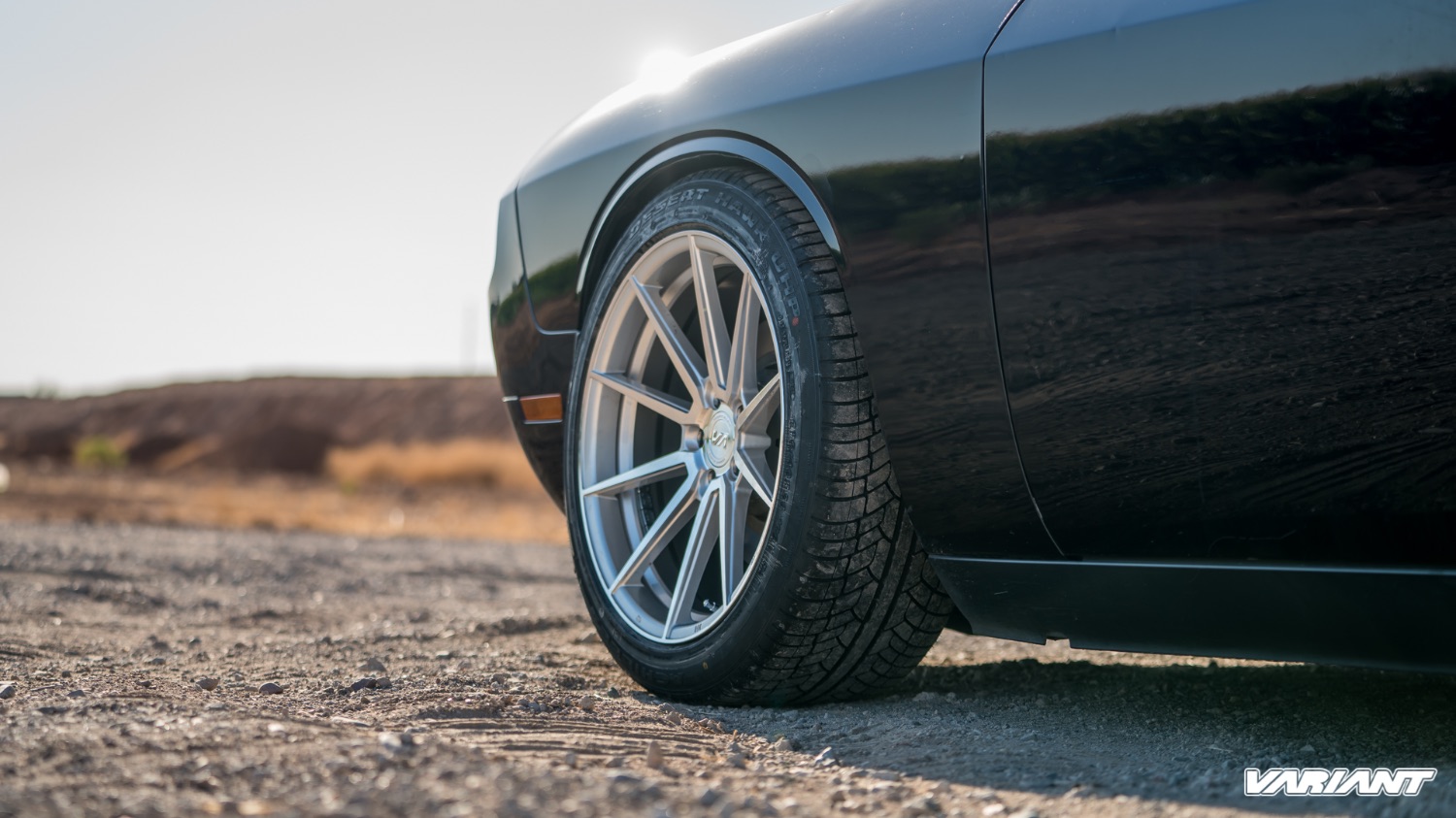
Full Specs Breakdown
Here is exactly what this owner is running. We break down every detail so you can replicate this build or use it as a starting point for your own setup.
- Car Make & Model: Dodge Challenger
- Vehicle Color: Black
- Wheel Brand & Model: Variant Argon
- Wheel Size: 20×10 and 20×11
- Offset: Contact dealer
- Wheel Finish: Silver Machine
Before You Buy: Fitment Checklist
We talk to Dodge Challenger owners every day. These are the questions we hear most before they pull the trigger on new wheels.
Will 20×10 and 20×11-inch wheels fit my Dodge Challenger? Yes, but fitment depends on width, offset, and tire size working together. A wrong offset means rubbing. A wrong tire size means poor handling. Always verify all three.
Do I need to modify my fenders? That depends on your offset and suspension. A conservative offset with stock ride height usually fits without modification. Go aggressive and you may need to roll or pull your fenders.
Can I daily-drive this setup? Absolutely. Thousands of Dodge Challenger owners run 20×10 and 20×11-inch wheels every day. The key is choosing the right tire with enough sidewall to absorb road imperfections.