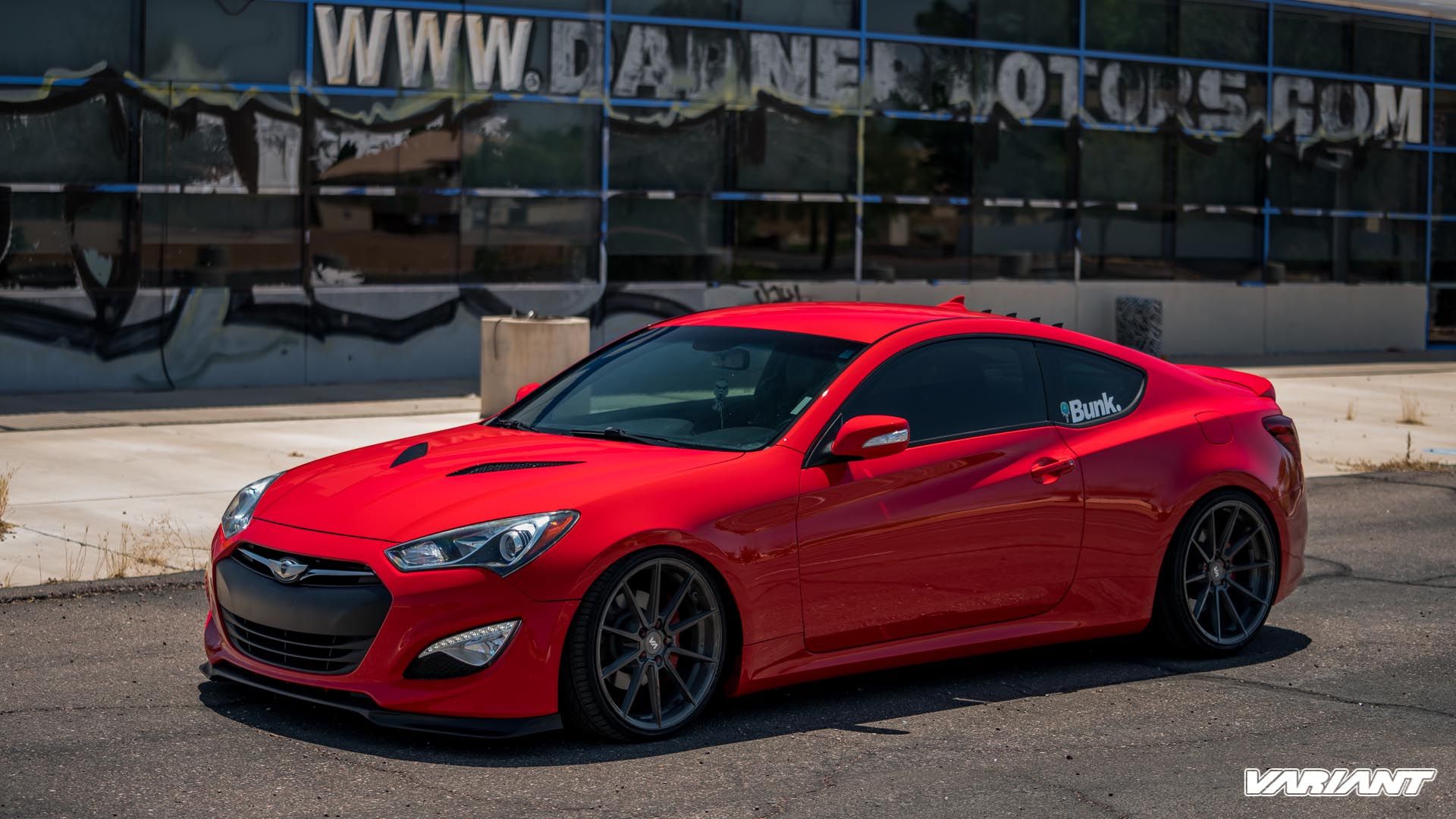
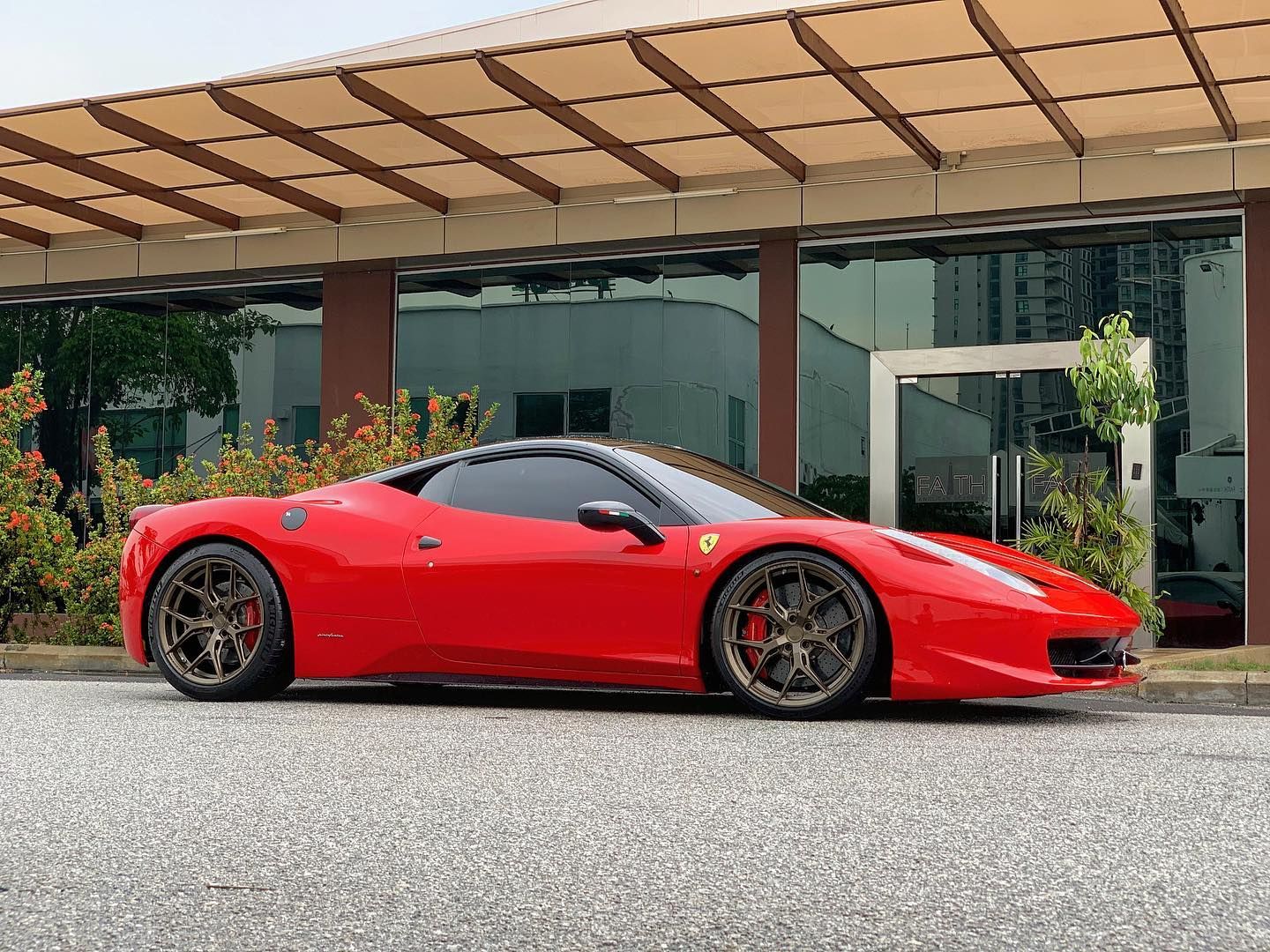
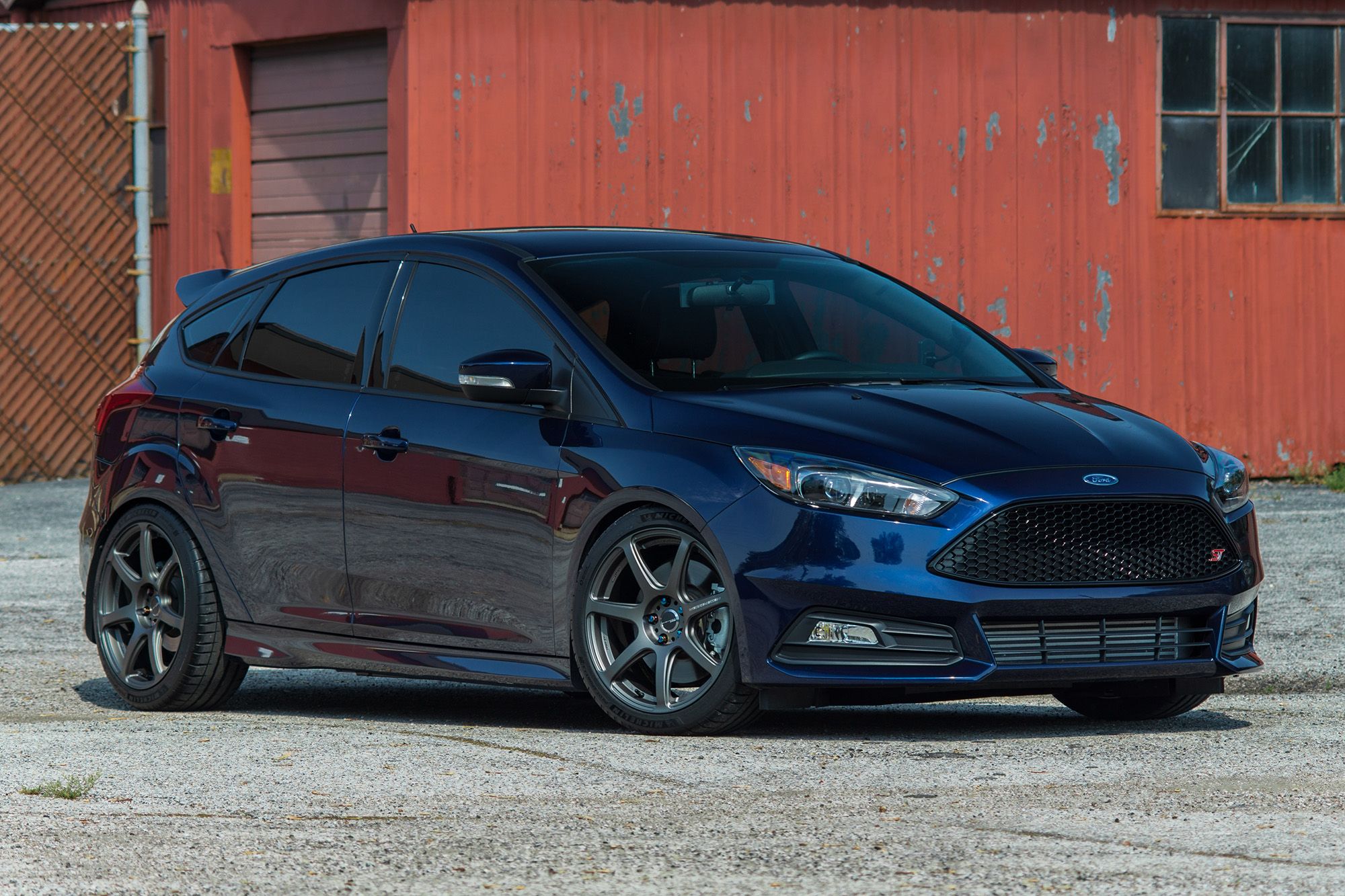
About This Chevrolet Corvette C8 Z06 Build
We love featuring real builds from real owners. This Blue Chevrolet Corvette C8 Z06 sits on a set of 20×10 20×13-inch BC Forged wheels, and the result speaks for itself.
The owner chose BC Forged for a reason. This brand delivers serious quality and a design language that turns heads at every car meet. We see hundreds of Chevrolet Corvette builds come through WheelFront every month, but this one stands out. The combination of the Blue exterior with the BC Forged creates a look that balances aggression with elegance.

Fitment Breakdown: BC Forged on the Chevrolet Corvette C8 Z06
I walked around this blue C8 Z06 at the show and the fitment immediately caught my eye. The owner went with a 20x10 front and a massive 20x13 rear from BC Forged. These dimensions push the boundaries of what this chassis handles without modification.
The 20x10 front setup demands a precise offset to clear those giant carbon ceramic calipers. BC Forged nailed the hub bore so everything sits flush against the mounting surface. I saw zero vibration or wobble when the car rolled into the lot.
That 20x13 rear wheel fills the factory fender arch perfectly. The rear offset keeps the tire tucked just enough to avoid rubbing the liner under heavy compression. It looks aggressive without looking like a track-day disaster waiting to happen.
The barrel depth on these wheels adds a ton of visual drama to the rear profile. You can see the deep concave profile from across the street. The spoke design leaves plenty of room for heat dissipation around the massive brakes.
Running a 20-inch setup all around keeps the geometry tight and responsive. The factory suspension handles the extra width well, provided you keep the alignment specs aggressive. I suggest checking for liner contact if you plan to lower the car further.
This build avoids the common mistake of pushing the wheels too far out of the fender line. It stays legal and functional while maintaining that custom aesthetic. I respect the engineering that went into these specific offsets.
What We Recommend for Chevrolet Corvette C8 Z06 Owners
If you want to upgrade your C8 Z06, stick to the 20x10 front and 20x13 rear formula. This staggered setup preserves the electronic stability systems that Chevy spent years perfecting. Anything wider will likely cause headaches with traction control.
Always prioritize forged wheels for a platform with this much torque. Cast wheels just cannot handle the stresses of a Z06 on a canyon road. Stick to reputable brands like BC Forged to ensure your structural integrity remains intact.
Watch your offsets like a hawk during the ordering process. If you push the wheels out too far, you will shred your paint and melt your inner liners. We always aim for a flush fitment that accounts for full suspension travel.

Ignore the trend of massive tire stretch if you actually drive your car hard. You need the sidewall support to handle the power this flat-plane crank engine puts down. Use a proper tire size that matches the rim width for maximum contact patch.
Avoid spacers if you can help it. A custom-built wheel from BC Forged allows you to spec the exact offset needed for your specific setup. Spacers only add unnecessary hardware and potential points of failure.
Style and Build Analysis
The blue paint on this Corvette creates a perfect canvas for the BC Forged wheels. The contrast between the vibrant body and the wheel finish creates a sophisticated, high-end look. It avoids the cheap aftermarket vibe found on lesser builds.
I love how the spoke design complements the sharp lines of the C8 bodywork. It looks fast even when it sits completely still. The proportions suggest a track-focused beast that somehow remains street-legal.
This build feels intentional rather than just a collection of expensive parts. The way the wheels catch the light as the car turns is pure magic. It reminds me of the best factory-plus projects we have featured on the site.
Comparing this to other Z06 builds, the stance here feels just right. It lacks the gaudy, over-the-top styling that ruins so many modern supercars. The owner prioritized balance over shock value.
Every angle reveals something new about the wheel craftsmanship. You can tell BC Forged spent time getting the spoke curvature perfect for this specific bolt pattern. It looks like it could have rolled off the assembly line this way.
Why We Love This Build
This blue Z06 glows under the afternoon sun with those BC Forged wheels shimmering in the light. The way the tires fill the arches gives the car a coiled, ready-to-pounce stance that demands attention. We rarely see a car that balances raw power and refined style so perfectly.
Seeing this machine in person makes me want to start my own C8 project immediately. It proves that you do not need to ruin your suspension to get a killer look. It is a masterclass in tasteful modification.
This is the gold standard for how to build a Z06. Go big, keep it clean, and never compromise on the quality of your hardware. This car is an absolute icon.

Full Specs Breakdown
Here is exactly what this owner is running. We break down every detail so you can replicate this build or use it as a starting point for your own setup.
- Car Make & Model: Chevrolet Corvette C8 Z06
- Vehicle Color: Blue
- Wheel Brand & Model: BC Forged
- Wheel Size: 20×10 20×13
- Offset: Contact dealer
Before You Buy: Fitment Checklist
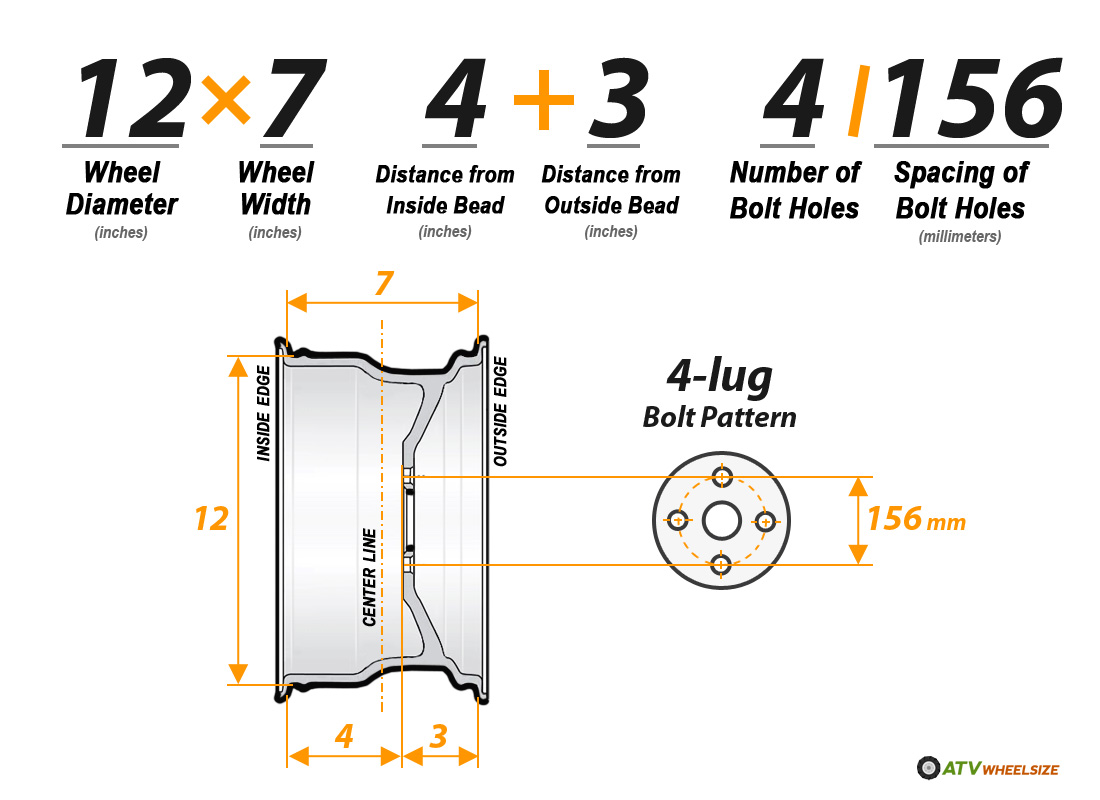
We talk to Chevrolet Corvette owners every day. These are the questions we hear most before they pull the trigger on new wheels.
Will 20×10 20×13-inch wheels fit my Chevrolet Corvette? Yes, but fitment depends on width, offset, and tire size working together. A wrong offset means rubbing. A wrong tire size means poor handling. Always verify all three.
Do I need to modify my fenders? That depends on your offset and suspension. A conservative offset with stock ride height usually fits without modification. Go aggressive and you may need to roll or pull your fenders.
Can I daily-drive this setup? Absolutely. Thousands of Chevrolet Corvette owners run 20×10 20×13-inch wheels every day. The key is choosing the right tire with enough sidewall to absorb road imperfections.