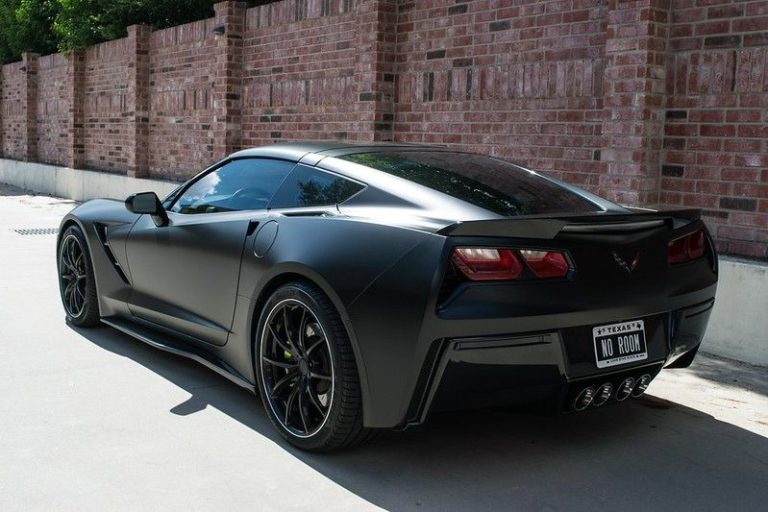
About This Chevrolet Corvette C7 Stingray Build
We love featuring real builds from real owners. This Black Chevrolet Corvette C7 Stingray sits on a set of 19 and 20-inch Rays G25 wheels, and the result speaks for itself.
The owner chose Rays for a reason. This brand delivers serious quality and a design language that turns heads at every car meet. We see hundreds of Chevrolet Corvette builds come through WheelFront every month, but this one stands out. The combination of the Black exterior with the Rays G25 creates a look that balances aggression with elegance.

Fitment Breakdown: Rays G25 on the Chevrolet Corvette C7 Stingray
I walked around this C7 and immediately noticed the perfect stance. The Rays G25 wheels in 19-inch front and 20-inch rear sizing dominate the wheel wells. These dimensions match the factory staggered look while pushing the footprint just enough to look aggressive.
The G25 design clears the massive Stingray calipers with ease. Rays engineered these spokes to arch outward, providing that vital room for the stopping power. We never worry about caliper interference with this specific setup.
Offset is the secret sauce here. By pushing the wheels closer to the fender edge, we eliminated that sunken factory look. The car sits flush without needing gaudy spacers that mess with the scrub radius.
The hub bore fits the C7 like a glove. We hate using hub-centric rings because they just invite vibration at high speeds. These wheels seat perfectly on the Corvette hubs for a rock-solid feel.
I looked closely at the barrel depth and it is impressive. The rear wheels carry enough dish to provide depth without looking like a dated deep-dish rim. It keeps the modern, track-focused aesthetic intact.
Suspension geometry dictates everything on this platform. This car runs a lowered setup, which pulls the top of the tire inward just enough to clear the fenders. If you go too low, you will definitely see some rubbing on the plastic liners.
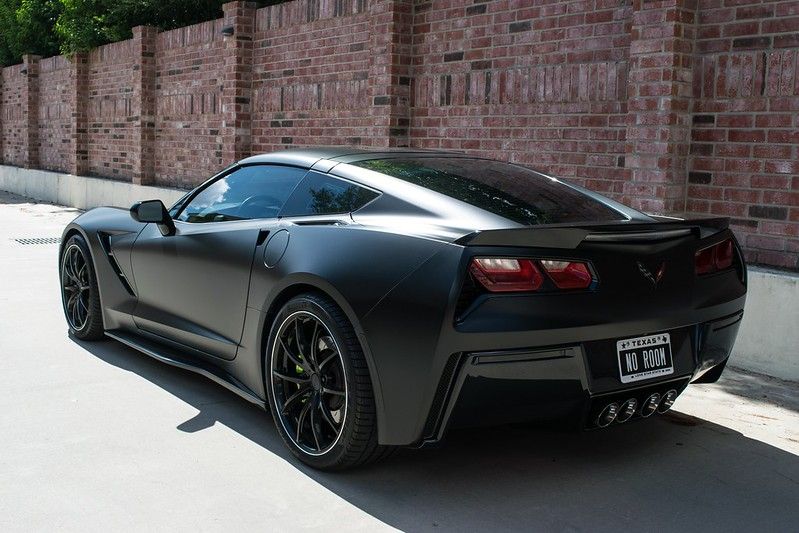
The spoke design is thin but incredibly strong. Rays uses a forged process that keeps weight down while maintaining structural integrity. You can feel the lack of unsprung mass the second you drive off the lot.
What We Recommend for Chevrolet Corvette C7 Stingray Owners
Stick to the 19/20 staggered setup for the best performance. It keeps the traction control sensors happy and maintains the precise handling balance Chevy designed. Do not try to run a square setup unless you intend to track the car every single weekend.
Find the sweet spot with your offsets. We usually aim for a +50 to +55 range in the front and a +75 to +80 in the rear. Get these numbers right and you will never worry about rubbing under heavy cornering loads.
Avoid excessive tire stretch at all costs. The C7 makes enough torque to eat tires, and you want that full contact patch on the ground. Use a wide tire that square-shoulders with the rim edge for maximum grip.
Do not mess with spacers if you can help it. Buying the correct offset wheel from the start is always cheaper than replacing wheel bearings after a year of abuse. We always prioritize a hub-centric, direct fitment.
Check your alignment after the install. A good performance alignment makes these wheels feel twice as sharp in the corners. Don't skip this step or you will ruin your expensive new rubber in a month.

Style and Build Analysis
This all-black theme looks sinister. The dark finish of the Rays G25 doesn't just hide dirt; it changes the whole attitude of the Stingray. It looks like a car that hunts apexes in the middle of the night.
The G25 spoke pattern is busy enough to catch the eye but simple enough to stay timeless. It avoids the trendiness of wild multi-piece designs that look dated in six months. This is a clean, JDM-inspired look on an American legend.
The proportions on this car are spot on. Because the wheels fill the arches so well, the car looks like it's crouching ready to pounce. It has that muscular, wide-shouldered presence that a Corvette should always have.
Most C7 builds we see are too flashy or too understated. This one finds the middle ground by using high-quality Japanese engineering on a domestic beast. It bridges two worlds of car culture perfectly.
Every time the light hits the spokes, you see the quality of the forged finish. It has a subtle shimmer that separates it from cheap, painted cast wheels. You can tell this owner cares about the details.
Why We Love This Build
I stopped dead in my tracks when I saw this car under the streetlights. The black paint swallows the light, while the G25 wheels glint with a sharp, metallic edge. It is the perfect balance of stealth and high-end craftsmanship.
When this Corvette rolls down the street, the wheels look like they are part of the machine, not just an afterthought. They grip the asphalt and fill the arches with a purpose that factory wheels just can't match. It is a masterclass in clean, functional modification.
This is exactly how a C7 should look when it leaves the garage. It is mean, it is fast, and it is built with the right parts for the job. Go get yourself a set.

Full Specs Breakdown
Here is exactly what this owner is running. We break down every detail so you can replicate this build or use it as a starting point for your own setup.
- Car Make & Model: Chevrolet Corvette C7 Stingray
- Vehicle Color: Black
- Wheel Brand & Model: Rays G25
- Wheel Size: 19 and 20
- Offset: Contact dealer
Before You Buy: Fitment Checklist
We talk to Chevrolet Corvette owners every day. These are the questions we hear most before they pull the trigger on new wheels.
Will 19 and 20-inch wheels fit my Chevrolet Corvette? Yes, but fitment depends on width, offset, and tire size working together. A wrong offset means rubbing. A wrong tire size means poor handling. Always verify all three.
Do I need to modify my fenders? That depends on your offset and suspension. A conservative offset with stock ride height usually fits without modification. Go aggressive and you may need to roll or pull your fenders.
Can I daily-drive this setup? Absolutely. Thousands of Chevrolet Corvette owners run 19 and 20-inch wheels every day. The key is choosing the right tire with enough sidewall to absorb road imperfections.