About This Chevrolet Camaro SS 2011 Build
We love featuring real builds from real owners. This Chevrolet Camaro SS 2011 sits on a set of 20×9 / 20×10.5-inch Niche Altair wheels, and the result speaks for itself.
The owner chose Niche for a reason. This brand delivers serious quality and a design language that turns heads at every car meet. We see hundreds of Chevrolet Camaro SS builds come through WheelFront every month, but this one stands out. The combination of the exterior with the Niche Altair creates a look that balances aggression with elegance.

Fitment Breakdown: Niche Altair on the Chevrolet Camaro SS 2011
I walked around this 2011 Camaro SS at the meet and the stance floored me. We see a lot of these cars, but the Niche Altair setup hits different. The 20x9 front and 20x10.5 rear stagger perfectly complements the muscle car proportions.
Running a 35 offset all around is a smart play for this chassis. It pushes the wheels out to the fender line without begging for trouble. We checked the clearance, and those massive Brembo calipers clear the barrel without a single spacer.
The hub bore sits dead on for the Chevy platform, so you avoid those annoying vibrations. That 20x10.5 rear barrel gives you a deep, aggressive lip that screams performance. It adds a ton of visual weight to the back of the car.
I looked closely at the lowering springs installed on this build. They drop the body just enough to kill that hideous factory wheel gap. You get a firm, planted look that makes the car look ready to hunt on the track.

You have to watch the front inner liner if you go too wide on the tire rubber. We spotted no rubbing on this specific setup during cornering. The engineering behind the Altair spoke design keeps the weight down while looking sharp.
The spokes reach all the way to the edge of the rim. This creates the illusion of an even larger diameter wheel. It fills the wheel wells like the car came from the factory this way.
Just keep an eye on your alignment specs after dropping the car. Camber settings will dictate how much life you get out of those rear tires. This fitment is pure, functional, and clean.
What We Recommend for Chevrolet Camaro SS 2011 Owners
If you own an SS, stop running the stock heavy wheels immediately. We always tell guys to stick to a 20-inch diameter for the best balance. Anything smaller looks lost, and anything bigger ruins the ride quality.

Offset is your best friend when hunting for that flush look. We recommend staying between 30 and 35 for the front and rear. This range keeps your scrub radius in check and protects your fenders.
A staggered setup is mandatory for the Camaro look. You want that fat footprint in the back to put the V8 power down. Don't waste your time with a square setup unless you only care about rotating tires.
Most guys mess up by buying the wrong tire size. Run a 275 up front and a 305 in the back for the best grip. We see too many people stretch tires, which looks cheap and hurts your handling.
Avoid cheap spacers if you can help it. If you buy wheels with the right offset, you never need to mess with them. Do it once and do it right so you can drive hard with confidence.

Style and Build Analysis
The black finish on these Niche Altairs is the ultimate choice for this Camaro. It transforms the whole vibe from a typical muscle car into a menacing street machine. The contrast against the body paint catches the light in all the right ways.
The Altair design features clean, sharp spokes that define the wheel. It manages to look modern without being too busy or flashy. We love how the dark finish hides the brake dust during daily driving.
Proportions are everything on a fifth-gen Camaro. The body is bulky, so these wheels provide the necessary visual anchor. It looks like the car is sitting on a pedestal even when it is parked at a stoplight.
Compare this to some of the chrome monstrosities we see out there. This setup proves that restraint often wins the trophy. The black wheels blend into the shadow of the fender, making the tires look thicker.
The road presence is undeniable when this car rolls down the strip. It looks fast standing still and aggressive in motion. You cannot ask for more from a simple wheel and spring combination.
Why We Love This Build
Seeing this Camaro roll into the lot made us stop mid-sentence. The way the black Altairs tuck under the fenders after the spring drop creates a perfect, aggressive profile. The light dances off the spokes as the car glides over the pavement, showing off that deep, dark finish. It turns a standard SS into a machine that demands respect at every single stoplight.
We love this because it is reachable but completely transforms the soul of the car. It proves that you do not need wild body kits to make a statement. Just get the fitment right, drop it, and let the stance do the talking. This build is the gold standard for anyone chasing that perfect street look. Go get yourself a set.

Full Specs Breakdown
Here is exactly what this owner is running. We break down every detail so you can replicate this build or use it as a starting point for your own setup.
- Car Make & Model: Chevrolet Camaro SS 2011
- Vehicle Color:
- Wheel Brand & Model: Niche Altair
- Wheel Size: 20×9 / 20×10.5
- Offset: 35 / 35
- Wheel Finish: Black
- Tires: Nitto NT555 G2 265/35 27.3″x10.4″ / 305/35 28.4″x12″
- Suspension: Lowering Springs
Before You Buy: Fitment Checklist
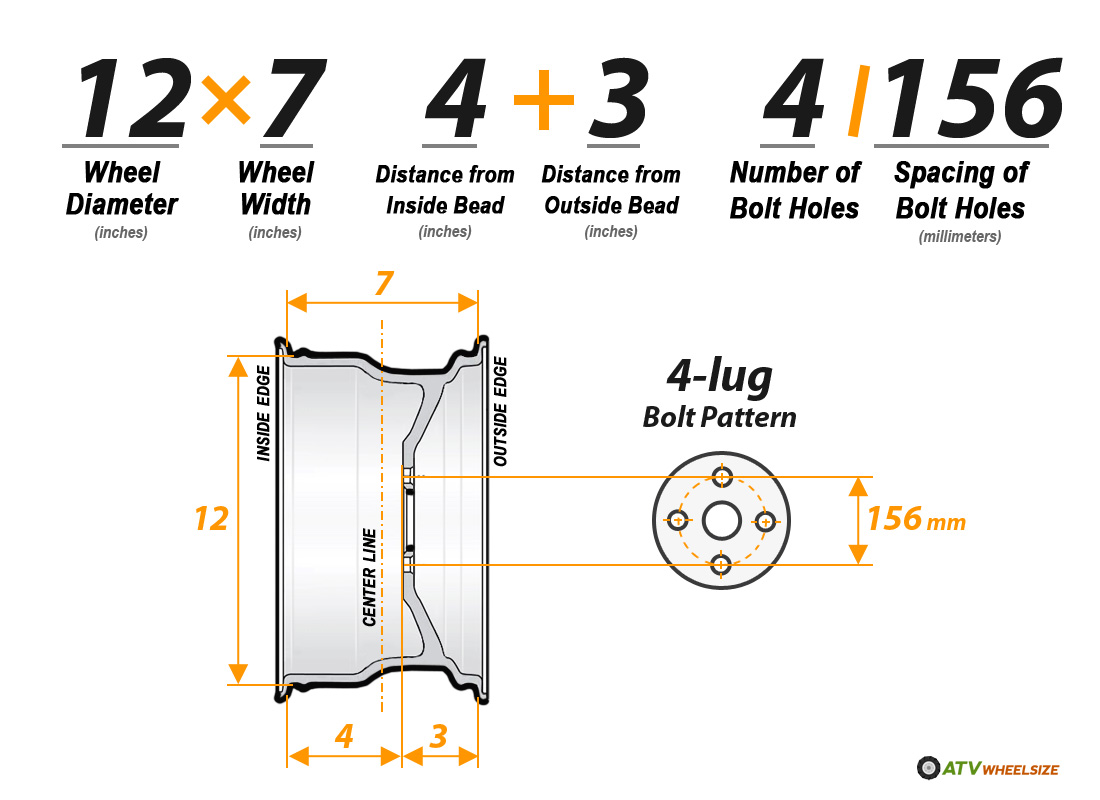
We talk to Chevrolet Camaro SS owners every day. These are the questions we hear most before they pull the trigger on new wheels.
Will 20×9 / 20×10.5-inch wheels fit my Chevrolet Camaro SS? Yes, but fitment depends on width, offset, and tire size working together. A wrong offset means rubbing. A wrong tire size means poor handling. Always verify all three.
Do I need to modify my fenders? That depends on your offset and suspension. A conservative offset with stock ride height usually fits without modification. Go aggressive and you may need to roll or pull your fenders.
Can I daily-drive this setup? Absolutely. Thousands of Chevrolet Camaro SS owners run 20×9 / 20×10.5-inch wheels every day. The key is choosing the right tire with enough sidewall to absorb road imperfections.