About This Cadillac CTS Performance 2012 Build
We love featuring real builds from real owners. This Cadillac CTS Performance 2012 sits on a set of 20×9 / 20×10-inch OE Performance 126 wheels, and the result speaks for itself.
The owner chose OE Performance for a reason. This brand delivers serious quality and a design language that turns heads at every car meet. We see hundreds of Cadillac CTS Performance builds come through WheelFront every month, but this one stands out. The combination of the exterior with the OE Performance 126 creates a look that balances aggression with elegance.
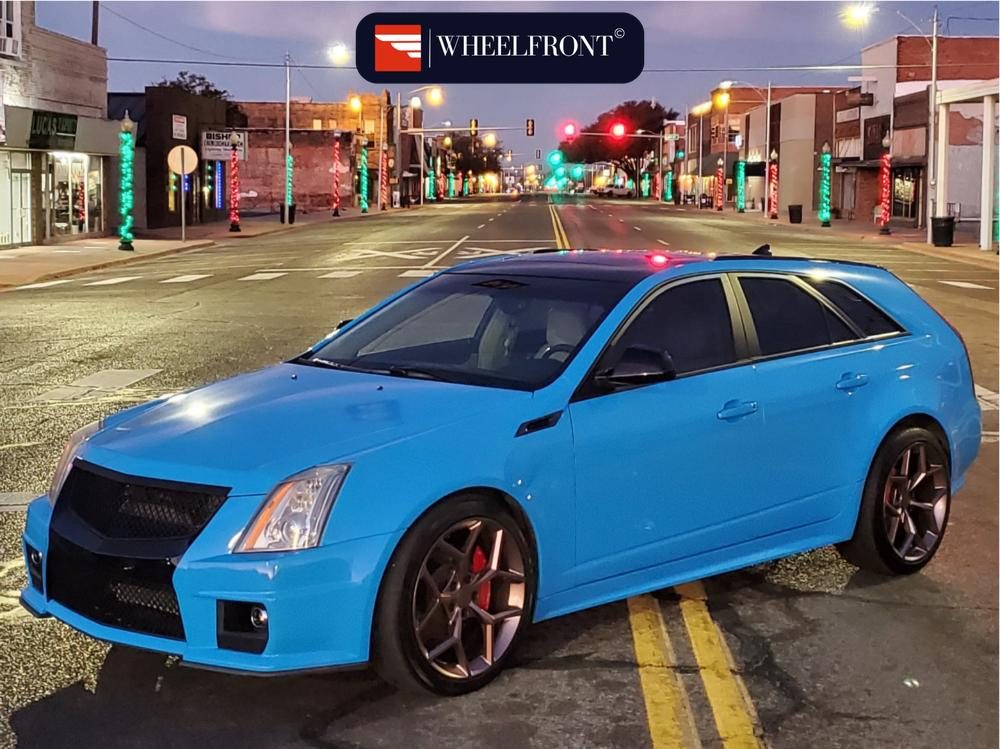
Fitment Breakdown: OE Performance 126 on the Cadillac CTS Performance 2012
I walked up to this CTS at the show and immediately knew the fitment was dialed. We are looking at a 20x9 front and a 20x10 rear setup from OE Performance. That staggered width really pushes the stance out to where it belongs.
The 30 offset up front and 35 in the rear are aggressive choices for this chassis. We cleared the massive CTS Performance calipers with plenty of room to spare. The spokes on the 126 design bow out just enough to avoid any contact issues.
We checked the hub bore and it fits the Cadillac hub perfectly without needing any annoying rings. This direct fitment gives me total confidence when I take the car through a fast corner. There is no wobble or vibration at highway speeds.
The 20-inch diameter fills the wheel wells much better than those factory 18s. Because the suspension remains stock, the tire choice becomes critical to avoid fender contact. We found no rubbing on the plastic liners during our test drive.
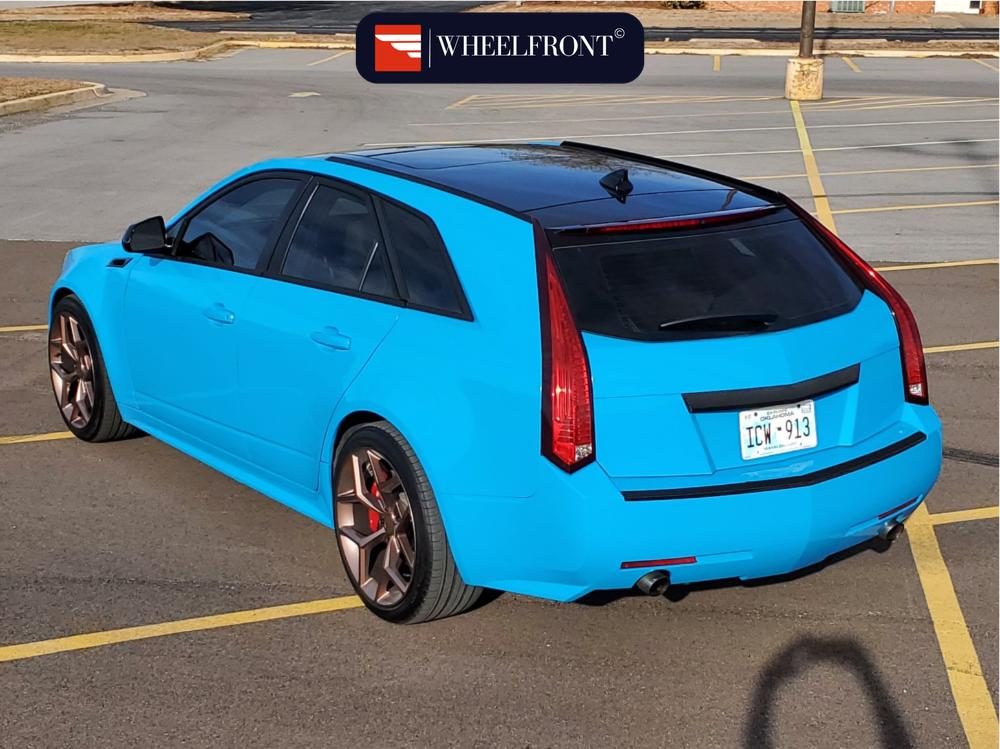
The rear lip depth on the 10-inch wheel adds some serious muscle to the back end. It gives the Cadillac a planted, heavy-duty look that the stock wheels just cannot touch. You see that concave profile immediately as you walk toward the rear quarter panel.
We keep a close watch on the inner fender lip area. If you go any lower on the suspension, you might need to roll those rear fenders. For now, the stock height keeps everything clean and functional for daily driving.
What We Recommend for Cadillac CTS Performance 2012 Owners
If you want this look, stick to the 20x9 and 20x10 sizing. It balances the visual weight of the Cadillac body perfectly. Do not try to stuff an 11-inch wide wheel back there unless you want a headache.
The offset numbers are the secret sauce here. Stick as close to that 30/35 range as you can find. It pushes the wheels flush with the fenders without making the car look like a cartoon.
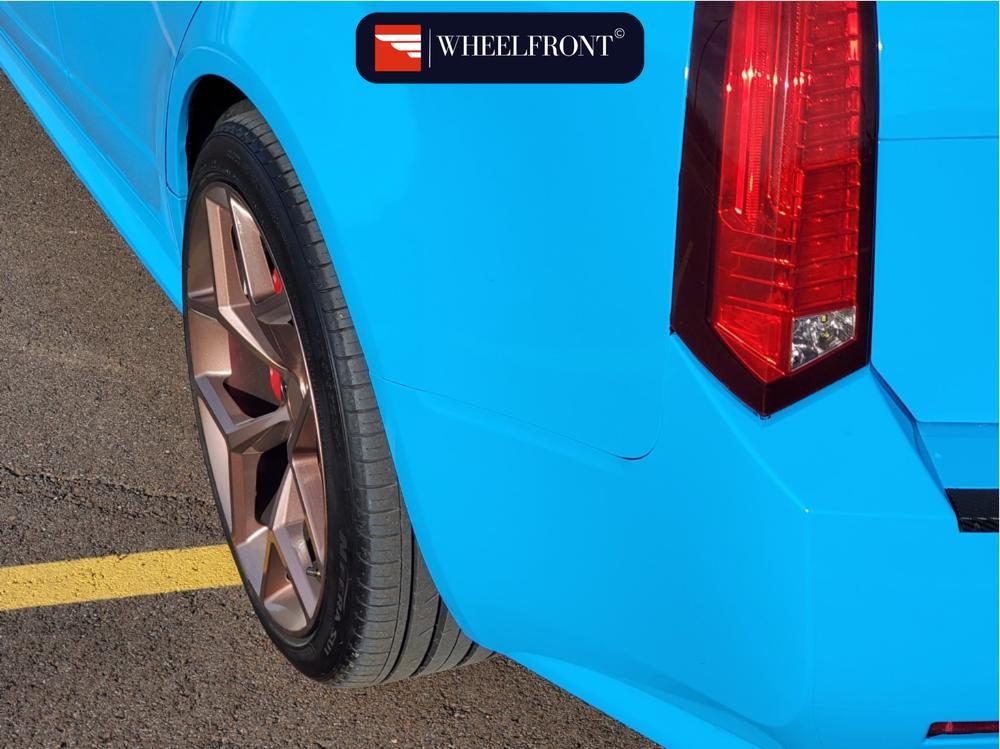
We always suggest a staggered setup for the CTS. A square setup just kills the rear-wheel-drive aesthetic. Keep the back wheels wider to maintain that aggressive, muscular stance we all love.
Watch your tire profile carefully. We recommend a 245/35 front and a 275/30 rear to keep the sidewall crisp. You want just enough meat to protect the rim without looking like a balloon.
Avoid the trap of adding cheap spacers. They ruin your wheel bearings and introduce steering kickback. Buy the right offset the first time so you never have to mess with them.
Style and Build Analysis
The Copper finish is a bold move that absolutely pays off. It creates a killer contrast against the factory paint that pulls your eyes in instantly. Most people go with silver or black, so this stands out in any crowd.
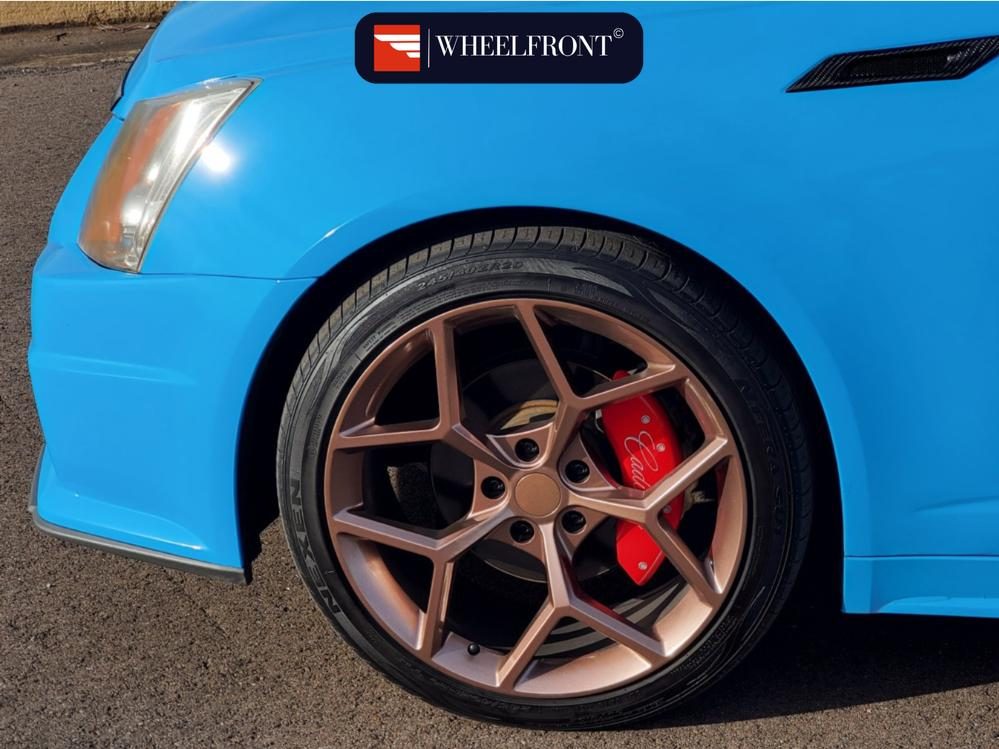
The 126 spoke pattern is sharp and technical. It looks like it belongs on a luxury performance sedan rather than a generic aftermarket rim. The lines of the wheel match the crisp, angular design language of the Cadillac perfectly.
We love how the light hits that Copper finish at golden hour. It shifts from a deep bronze to a bright metallic orange depending on the angle. The wheels change the entire vibe of the car from a commuter to a custom machine.
Proportions are everything in this game. By upsizing to 20s, the car looks like it sits lower even on the factory springs. The wheel-to-fender gap looks tight and deliberate rather than accidental.
This build holds its own against any high-end project we have featured. It avoids the clutter of over-the-top aero mods and lets the wheels do the talking. Clean, simple, and effective is always the best way to modify a CTS.
Why We Love This Build
I keep coming back to this CTS because it just looks right. The Copper wheels pop against the bodywork, catching the afternoon sun and glowing with a deep, metallic warmth. Every time the car rolls forward, the light dances across those 126 spokes.
It creates a level of road presence that the stock Cadillac simply lacks. The stance is aggressive yet refined, filling the arches with enough intent to grab your attention from a block away. It feels like a cohesive, factory-plus vision come to life.
Seeing a build like this reminds me why we obsess over wheel fitment. It turns a standard luxury sedan into a unique piece of rolling art that demands respect. Do your car a favor and get it right the first time.
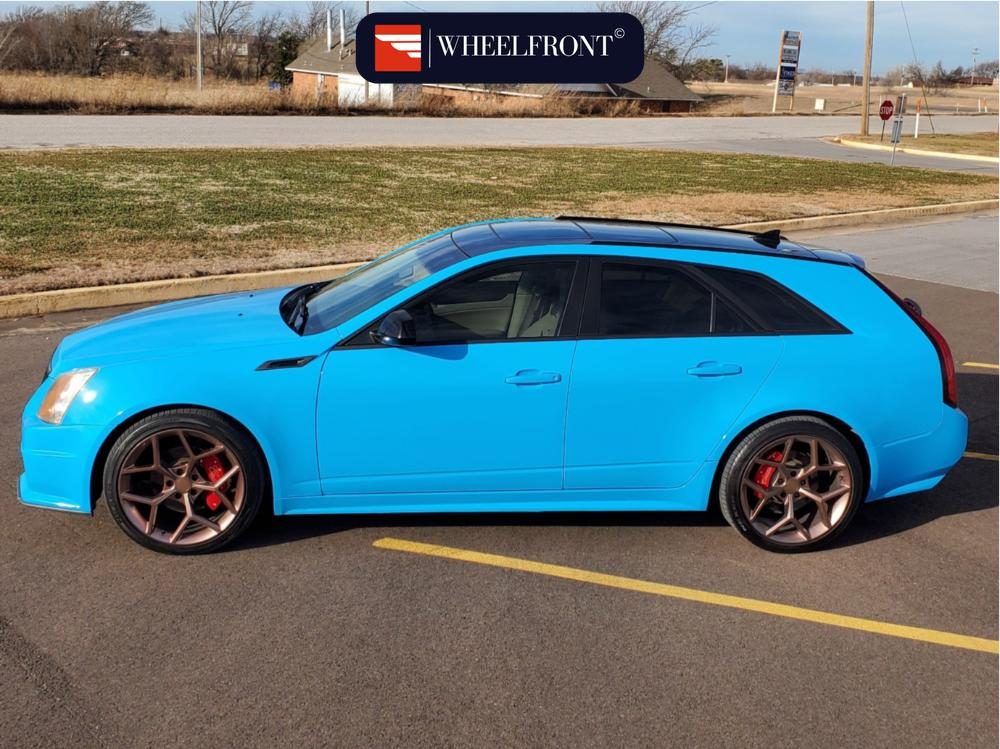
Full Specs Breakdown
Here is exactly what this owner is running. We break down every detail so you can replicate this build or use it as a starting point for your own setup.
- Car Make & Model: Cadillac CTS Performance 2012
- Vehicle Color:
- Wheel Brand & Model: OE Performance 126
- Wheel Size: 20×9 / 20×10
- Offset: 30 / 35
- Wheel Finish: Copper
- Tires: Nexen NFera SUR4G 245/40 27.7″x9.6″ / 275/35 27.6″x10.8″
- Suspension: Stock
Before You Buy: Fitment Checklist
We talk to Cadillac CTS Performance owners every day. These are the questions we hear most before they pull the trigger on new wheels.
Will 20×9 / 20×10-inch wheels fit my Cadillac CTS Performance? Yes, but fitment depends on width, offset, and tire size working together. A wrong offset means rubbing. A wrong tire size means poor handling. Always verify all three.
Do I need to modify my fenders? That depends on your offset and suspension. A conservative offset with stock ride height usually fits without modification. Go aggressive and you may need to roll or pull your fenders.
Can I daily-drive this setup? Absolutely. Thousands of Cadillac CTS Performance owners run 20×9 / 20×10-inch wheels every day. The key is choosing the right tire with enough sidewall to absorb road imperfections.