About This Acura Integra GS 1999 Build
We love featuring real builds from real owners. This Acura Integra GS 1999 sits on a set of 16×8 / 16×8-inch Konig Hypergram wheels, and the result speaks for itself.
The owner chose Konig for a reason. This brand delivers serious quality and a design language that turns heads at every car meet. We see hundreds of Acura Integra GS builds come through WheelFront every month, but this one stands out. The combination of the exterior with the Konig Hypergram creates a look that balances aggression with elegance.

Fitment Breakdown: Konig Hypergram on the Acura Integra GS 1999
I walked around this Integra at the last local meet, and the 16x8 +38 setup hit the mark perfectly. This 16-inch diameter feels right for the DC2 chassis because it avoids the "wagon wheel" look of 17s while providing plenty of tire sidewall. The 8-inch width gives the car a broad, aggressive stance that makes the stock body look much more purposeful.
That +38 offset is the secret sauce for this specific build. It pushes the wheels out just enough to sit flush with the fenders without turning the car into a nightmare for fender clearance. I noticed the wheels clear the stock Integra GS calipers with plenty of room to spare, so you won't need spacers here.
The Konig Hypergram design uses a flow-formed process that keeps the unsprung weight down significantly. This is huge for the Integra because lighter wheels make the suspension work so much better. You will feel the difference in steering feedback the second you pull out of your driveway.
Since this owner runs coilovers, the fitment is locked in tight. The height is dialed, and the wheel-to-fender gap is minimal but functional. You don't have to worry about the tire hitting the inner liner on every tiny bump.
However, keep an eye on your rear trailing arm clearance if you decide to go wider on your rubber. With these 16x8s, we saw a nice, clean fit that didn't require any aggressive pulling or crazy camber settings. It is a true bolt-on performance upgrade.

The spoke design on the Hypergram is also a major win for the Integra’s aesthetic. The spokes extend all the way to the edge of the rim, making the wheel look larger than it actually is. It creates a bold, racing-inspired profile that highlights the car’s heritage.
Hub bore is another thing I checked while standing there. These wheels fit the Integra’s 56.1mm hub perfectly with standard rings, which keeps everything vibration-free. Trust me, you do not want to deal with hubcentric issues on a daily driver.
Just be careful if you plan on dropping the car lower than this. If you slam it, you might need to roll the rear fenders to avoid rubbing on big dips. For most of us, this current height is the absolute sweet spot for looks and handling.
What We Recommend for Acura Integra GS 1999 Owners
If you own an Integra GS, stick to a square setup. I see guys trying to stagger their builds, but these cars handle best when you have the same tire width on all four corners. It keeps the balance neutral and makes rotating your tires much easier.
For tire size, I tell everyone to run a 205/45 or a 215/45. A 205 provides a slightly stretched, clean look that clears the fenders easily. A 215 offers more meat on the road, which helps with traction if you have done some bolt-ons.

Avoid going past a +35 offset if you want to keep your steering geometry sane. If you go too low on the offset, you will introduce scrub radius issues that make the car pull on the highway. We have tested plenty of wheels, and +35 to +40 is where this chassis thrives.
Don't fall for the trap of buying cheap spacers just to fix bad fitment. If you buy the right offset from the start, you never need to rely on spacers. It is safer for your wheel studs and keeps the unsprung weight lower.
Make sure you invest in a quality set of coilovers before you worry about the wheels. You can have the most expensive wheels in the world, but they will look terrible if the car is sitting at stock height. The drop defines the fitment as much as the wheel specs do.
Finally, do not forget to get a professional alignment after you install the wheels. A little bit of negative camber—maybe -1.5 degrees—will help the tires tuck under the fenders. It also makes the car corner like it is on rails.
Style and Build Analysis
The Gray finish on these Konig Hypergrams creates a sophisticated, understated vibe that I absolutely love. It isn't as loud as a bright gold or white wheel, but it demands attention because of the metallic flake in the paint. It complements the factory Integra paint colors perfectly.

The contrast between the dark wheel and the body lines of the DC2 is spot on. It gives the car a "works rally" or track-day appearance that never goes out of style. You can tell this car gets driven hard, but it still looks like a showpiece.
I also appreciate how the 16x8 sizing fills out the wheel wells. Most Integra builds I see use 15s that look a bit too small or 17s that ruin the ride quality. This 16-inch setup finds that perfect middle ground that captures the essence of the 90s tuner scene.
The proportions of the Hypergram are excellent for a car with a long wheelbase like the Integra. The spokes have a slight concave shape that adds depth and dimension. It stops the wheels from looking like flat discs bolted to the hubs.
I have featured hundreds of Integras, but this one stands out because of its restraint. The owner didn't go overboard with flashy colors or aggressive kits. Instead, they focused on the foundation of a good stance: great wheels, a solid drop, and clean lines.
This car proves that you don't need to spend thousands on custom forged wheels to have a top-tier build. It is all about choosing the right part for the right platform. This build is a masterclass in clean, functional modification.
Why We Love This Build
This Integra stops us in our tracks because it captures the spirit of the golden era of Japanese tuning. The Gray Konig Hypergrams catch the late afternoon light, highlighting the sharp angles of the DC2 body. It looks like it belongs on a mountain pass or the paddock at a track day. The stance is aggressive yet refined, showing off the perfect relationship between the tire and the fender arch. When we see a build this cohesive, we know the owner understands exactly what makes an Integra special. This is the kind of car that makes you want to turn around and take a second look. Every enthusiast needs a build that inspires them to grab their keys and drive.

Full Specs Breakdown
Here is exactly what this owner is running. We break down every detail so you can replicate this build or use it as a starting point for your own setup.
- Car Make & Model: Acura Integra GS 1999
- Vehicle Color:
- Wheel Brand & Model: Konig Hypergram
- Wheel Size: 16×8 / 16×8
- Offset: 38 / 38
- Wheel Finish: Gray
- Tires: Toyo Tires Proxes R1R 225/45 24″x8.9″ / 225/45 24″x8.9″
- Suspension: Coilovers
Before You Buy: Fitment Checklist
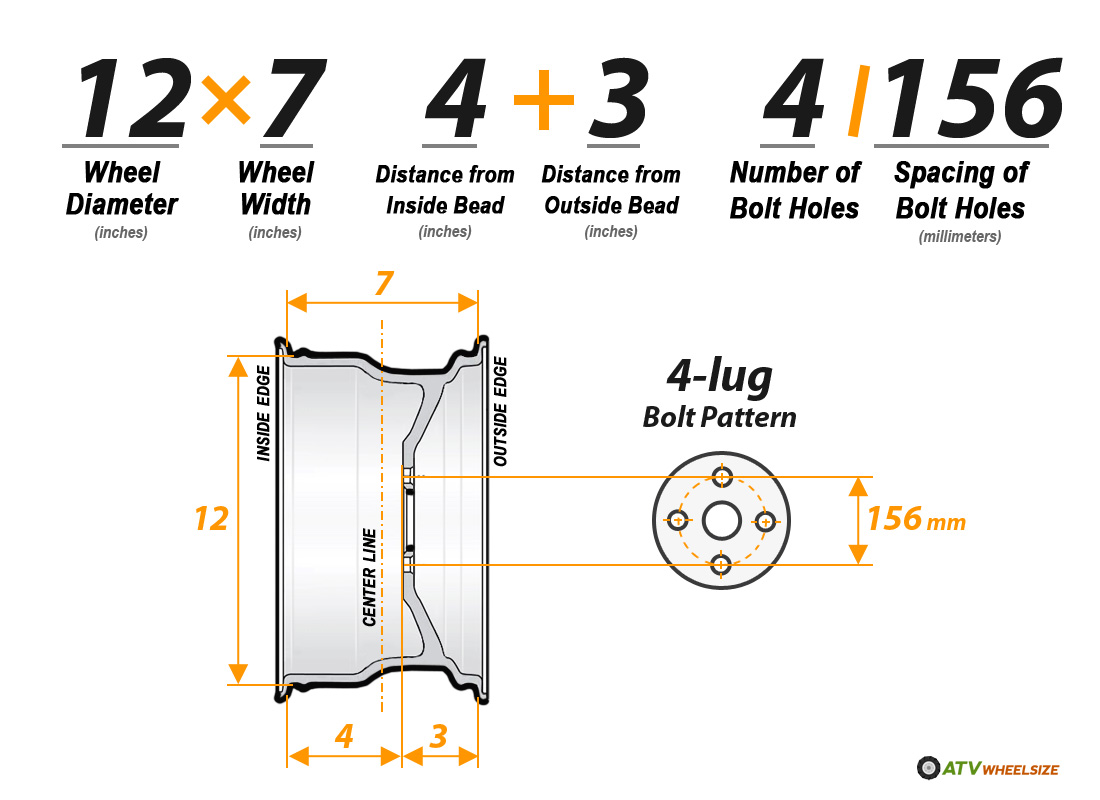
We talk to Acura Integra GS owners every day. These are the questions we hear most before they pull the trigger on new wheels.
Will 16×8 / 16×8-inch wheels fit my Acura Integra GS? Yes, but fitment depends on width, offset, and tire size working together. A wrong offset means rubbing. A wrong tire size means poor handling. Always verify all three.
Do I need to modify my fenders? That depends on your offset and suspension. A conservative offset with stock ride height usually fits without modification. Go aggressive and you may need to roll or pull your fenders.
Can I daily-drive this setup? Absolutely. Thousands of Acura Integra GS owners run 16×8 / 16×8-inch wheels every day. The key is choosing the right tire with enough sidewall to absorb road imperfections.