About This Dodge Challenger Build
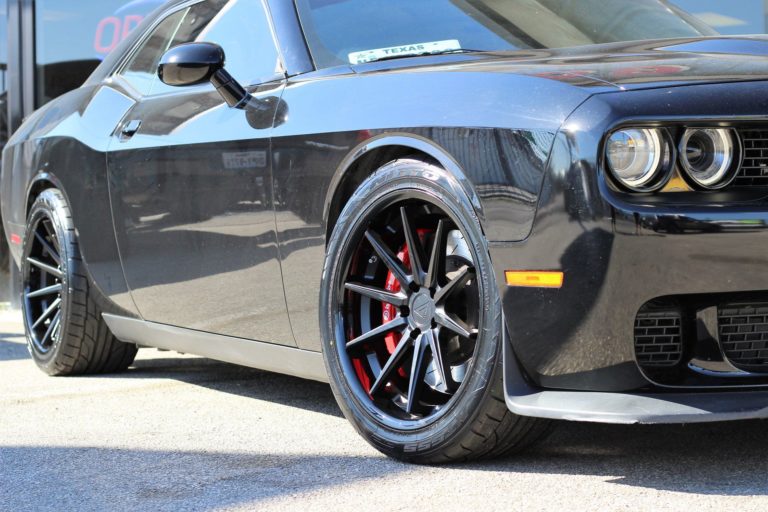
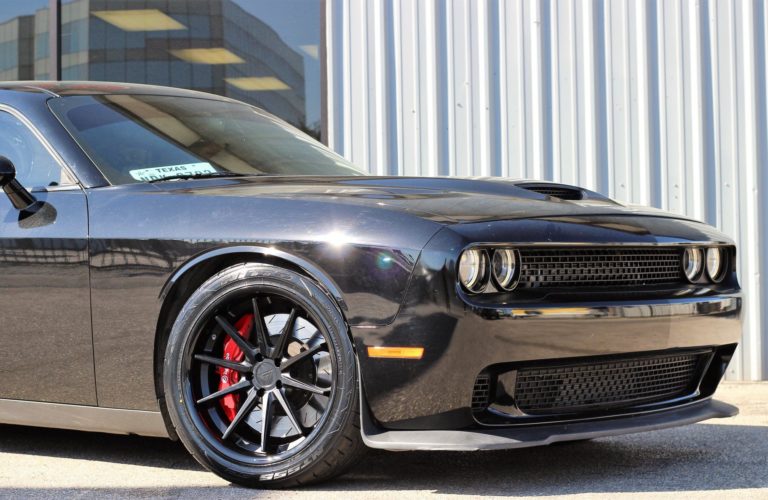
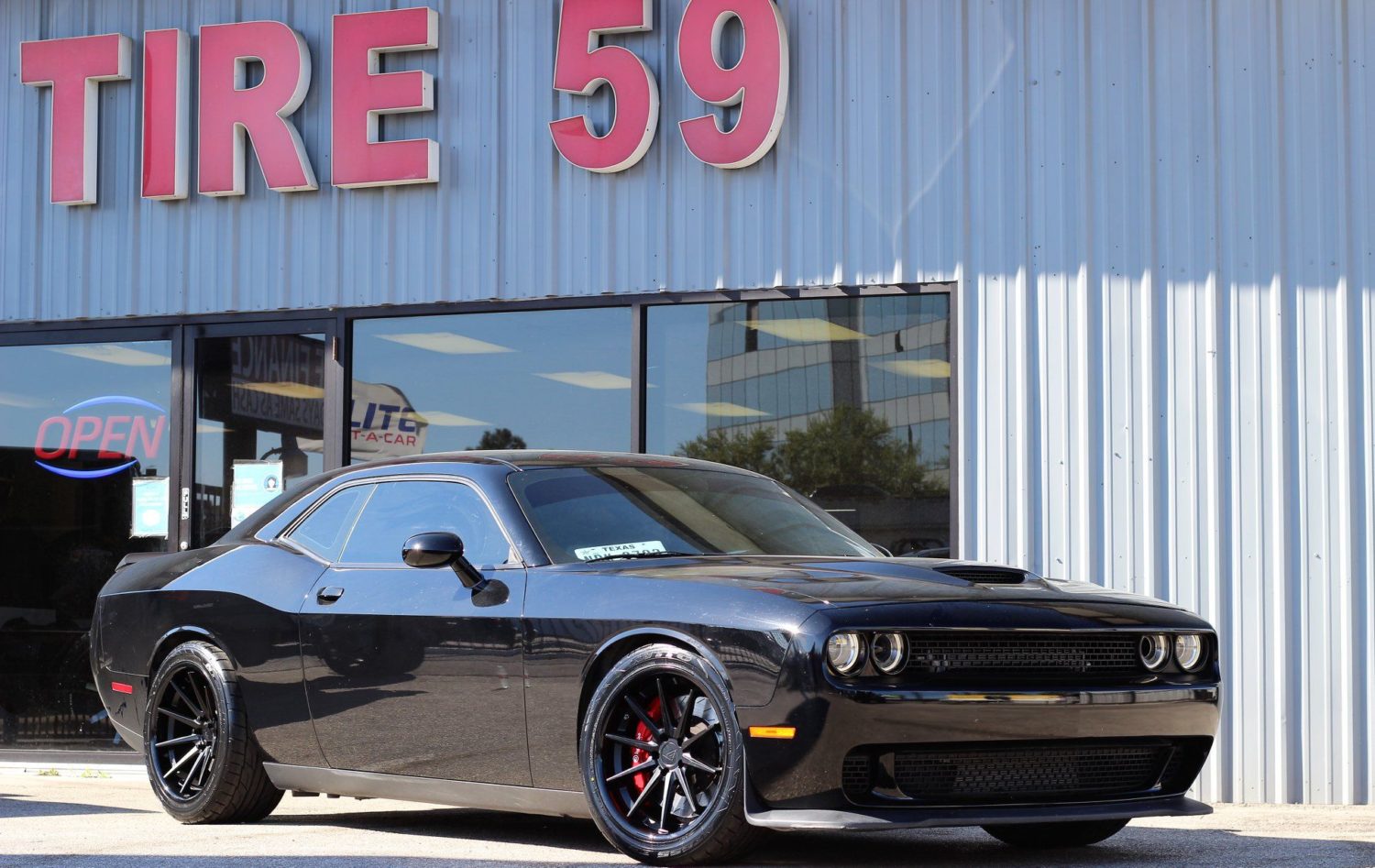
We love featuring real builds from real owners. This Black Dodge Challenger sits on a set of 20×10 and 20×11.5-inch Ferrada FR4 wheels, and the result speaks for itself.
The owner chose Ferrada for a reason. This brand delivers serious quality and a design language that turns heads at every car meet. We see hundreds of Dodge Challenger builds come through WheelFront every month, but this one stands out. The combination of the Black exterior with the Ferrada FR4 creates a look that balances aggression with elegance.
Fitment Breakdown: Ferrada FR4 on the Dodge Challenger
I walked around this Challenger for twenty minutes and the fitment is spot on. We are looking at a 20x10 front and a 20x11.5 rear setup. That extra width out back makes all the difference for this heavy Mopar platform.
The FR4 design clears the massive factory Brembo calipers without needing any sketchy spacers. We checked the barrel clearance and it sits perfectly tight against the rotor housing. The hub bore matches the Challenger perfectly for a true bolt-on experience.
The offset on these Ferradas pushes the wheel face right to the edge of the fender liner. You get that aggressive, flush look without the tire constantly hacking away at your paint. It is a precise balance of style and mechanical function.
That 20x11.5 rear barrel is deep. You can see the shadow play across the inner lip when the sun hits the car at an angle. It gives the Challenger the muscular rear profile that factory wheels just cannot replicate.
The suspension drop on this car tightens up the fender gap significantly. We noticed no rubbing on the liner during full-lock turns. If you go lower than this, you will definitely need to roll those rear fenders.
The spoke design pulls the eye toward the center cap while emphasizing the overall diameter. It makes the 20-inch wheel feel massive but not oversized. This is exactly how you dial in a wide-body aesthetic without actually cutting the sheet metal.
What We Recommend for Dodge Challenger Owners
If you want to run this setup, do not cheap out on the tires. We suggest a 275/40 up front and at least a 315/35 in the rear to handle the torque. Anything thinner will leave the wheel exposed to curb rash.
Stick to a staggered setup if you value the classic muscle car stance. Square setups might make tire rotations easier, but they kill the aggressive look this car demands. The Challenger needs that wide footprint to put power down anyway.
Watch your offsets closely during your search. A +15 to +20 offset usually hits the sweet spot for the Challenger’s wheel wells. Too far positive and you will look like a stock fleet car.

Most guys mess up by ignoring the rear clearance near the trailing arm. We have seen too many builds ruin their inner barrels because they ignored the control arm geometry. Measure twice before you drop the cash on a custom set.
If you plan on slamming the car on bags, consider a slightly higher offset. You need that extra breathing room when the frame hits the ground. Keep it clean and keep it functional.
Style and Build Analysis
The murdered-out look is a classic for a reason, but this specific finish takes it to another level. The matte black centers absorb the light while the gloss black lips provide just enough contrast to define the wheel shape. It looks like a stealth fighter from every angle.
This color combo works because it avoids the flat, boring look of a generic all-black wheel. The gloss on the lip catches the streetlights at night and highlights the design. It is subtle but undeniably sharp.
The FR4 spoke pattern is aggressive and angular, which matches the sharp lines of the Challenger’s body. Most multi-piece wheels look too busy on a car this big, but these feel right at home. It looks like something the factory should have offered as a high-end option.
This car commands the road because the proportions are perfect. The wheels do not overwhelm the body, yet they dominate the side profile. It balances the heavy sheet metal with a technical, high-performance aesthetic.
We see a lot of Challengers at shows, but this one stands out because it is cohesive. Every choice—from the offset to the finish—speaks to a deliberate vision. It proves that you do not need neon colors to grab attention.
Why We Love This Build
This build is pure menace on four wheels. When the sun hits that deep gloss black lip, the whole car looks like it is stalking the pavement. We love how the wide rear tires give the back end a brutal, grounded presence.
It captures the soul of the Challenger while bringing a modern, custom edge to the table. Seeing this thing roll down the street makes us want to go grab a set for our own projects immediately. It is bold, loud, and looks fast even when it is parked.
This is the definitive way to modify a black Challenger. It is not trying too hard, but it turns every head in the parking lot. Stop dreaming about the perfect fitment and go get it.

Full Specs Breakdown
Here is exactly what this owner is running. We break down every detail so you can replicate this build or use it as a starting point for your own setup.
- Car Make & Model: Dodge Challenger
- Vehicle Color: Black
- Wheel Brand & Model: Ferrada FR4
- Wheel Size: 20×10 and 20×11.5
- Offset: Contact dealer
- Wheel Finish: Matte Black / Gloss Black Lip
Before You Buy: Fitment Checklist
We talk to Dodge Challenger owners every day. These are the questions we hear most before they pull the trigger on new wheels.
Will 20×10 and 20×11.5-inch wheels fit my Dodge Challenger? Yes, but fitment depends on width, offset, and tire size working together. A wrong offset means rubbing. A wrong tire size means poor handling. Always verify all three.
Do I need to modify my fenders? That depends on your offset and suspension. A conservative offset with stock ride height usually fits without modification. Go aggressive and you may need to roll or pull your fenders.
Can I daily-drive this setup? Absolutely. Thousands of Dodge Challenger owners run 20×10 and 20×11.5-inch wheels every day. The key is choosing the right tire with enough sidewall to absorb road imperfections.