About This Hyundai Genesis Coupe 3.8 R-Spec 2013 Build
We love featuring real builds from real owners. This Hyundai Genesis Coupe 3.8 R-Spec 2013 sits on a set of 18×10.5 / 18×12-inch Weds Vishunu wheels, and the result speaks for itself.
The owner chose Weds for a reason. This brand delivers serious quality and a design language that turns heads at every car meet. We see hundreds of Hyundai Genesis Coupe 3.8 R-Spec builds come through WheelFront every month, but this one stands out. The combination of the exterior with the Weds Vishunu creates a look that balances aggression with elegance.

Fitment Breakdown: Weds Vishunu on the Hyundai Genesis Coupe 3.8 R-Spec 2013
We stared at this Genesis Coupe for an hour at the show, and the Weds Vishunu setup is pure madness. Running 18x10.5 in the front and a massive 18x12 in the rear demands serious commitment. That -20 offset on all four corners pushes the wheels right to the edge of sanity.
The 3.8 R-Spec platform usually struggles with high-width wheels hitting the inner strut towers. This setup clears the front Brembos with ease thanks to the Vishunu's multi-piece face design. We noticed the hub bore fits perfectly without needing those annoying vibration-prone rings.
That 18x12 rear setup creates a dish depth that swallows the entire curb. You get a massive polished step lip that dominates the side profile of the car. It transforms the stock, somewhat mild hips of the Genesis into a wide-body look without even cutting the metal.
Because the owner chose air suspension, the static rubbing issues vanish when parked. When they air out, the fender lips tuck perfectly between the rim and the tire sidewall. It is a masterclass in how to use air to cheat traditional fitment limits.
Driving this thing requires precision because the -20 offset puts a lot of stress on the wheel bearings. We advise keeping an eye on your alignment specs to avoid uneven tire wear. You absolutely need to roll those fenders flat if you plan to drive at a lower ride height.

Watch out for the inner fender liners, as the 10.5 front wheels will eat them for breakfast on tight turns. We saw a few scuff marks where the tire makes contact during full lock. It is a small price to pay for this kind of aggressive stance.
The chrome finish reflects every single detail of the road surface as the car rolls by. It creates a seamless transition from the tire bead to the face of the wheel. This build proves that if you go big with offsets, you have to commit entirely to the vision.
What We Recommend for Hyundai Genesis Coupe 3.8 R-Spec 2013 Owners
If you want to replicate this look, start by sourcing high-quality adjustable control arms. You cannot achieve this level of poke and tuck without dialing in your negative camber. Without camber plates, your tires will look like they belong on a truck.
For a street-driven Genesis, we usually suggest staying closer to a +15 or +20 offset. That setup allows for better handling characteristics without wrecking your suspension geometry. Keep the 18-inch diameter, though, because it fills the wheel wells perfectly without looking cartoonish.
Tire stretch is not just a style choice here; it is a mechanical necessity for this width. You need a slightly narrower tire to pull the sidewalls away from the fender edge. If you run a fat, square-shoulder tire, you will destroy your paint on the first pothole.

Avoid cheap spacers at all costs if you are chasing this deep-dish aesthetic. A dedicated wheel with the correct offset is always safer and more reliable than a stack of metal plates. We have seen too many snapped studs from poorly fitted spacer setups.
Do not be afraid to pull the fenders if your vision requires a wider setup. A subtle pull gives you that extra five millimeters of room that makes the difference between a clean build and a disaster. Talk to a professional body shop before you take a hammer to your own quarter panels.
Style and Build Analysis
The chrome finish on these Weds Vishunu wheels is a bold choice that pays off big time. In direct sunlight, the reflection is almost blinding, drawing your eyes away from the body lines and straight to the hardware. It makes the car feel like a time machine from the golden era of Japanese VIP style.
We love the contrast between the sharp, aggressive edges of the 2013 Genesis front end and the circular geometry of the Vishunu spokes. The design feels timeless, bridging the gap between modern stance culture and classic JDM heritage. It lacks the clutter of modern, overly complex wheel designs.
The proportions are honestly perfect for this chassis. By running an 18-inch wheel, the builder maintains enough sidewall to give the car a meaty, track-inspired profile. It does not look like a rubber band stretched over a dinner plate, which is a common mistake we see far too often.

When the car airs out, the visual weight shifts entirely to the bottom of the vehicle. The chrome acts like a mirror, reflecting the asphalt and the surrounding environment, which makes the car look like it is floating. It is a surreal effect that static cars just cannot replicate.
Compared to other builds we have featured, this one feels intentional and cohesive. Many owners slap on whatever is popular on social media, but this choice feels curated. Every inch of the setup serves the goal of making the car look wider, lower, and more dangerous.
Why We Love This Build
This Genesis Coupe captures the exact spirit of why we got into the car scene. We love the way the chrome Weds Vishunu wheels catch the neon lights at night. They look like spinning blades of polished steel as the car creeps through the parking lot. It is the kind of build that makes every other driver turn their head in respect.
The stance is aggressive enough to look mean but refined enough to look expensive. We appreciate the patience required to dial in the air suspension to sit just right on the inner lips. It is raw, it is loud, and it is unapologetically cool in every single way.
This car reminds us that fitment is an art form, not just a set of measurements. Seeing it in person changed how we view the 3.8 R-Spec platform forever. It is the new gold standard for Genesis builds everywhere. Go big or go home.

Full Specs Breakdown
Here is exactly what this owner is running. We break down every detail so you can replicate this build or use it as a starting point for your own setup.
- Car Make & Model: Hyundai Genesis Coupe 3.8 R-Spec 2013
- Vehicle Color:
- Wheel Brand & Model: Weds Vishunu
- Wheel Size: 18×10.5 / 18×12
- Offset: -20 / -20
- Wheel Finish: Chrome
- Tires: Federal SS595 255/35 25″x10″ / 305/35 26.4″x12″
- Suspension: Air Suspension
Before You Buy: Fitment Checklist
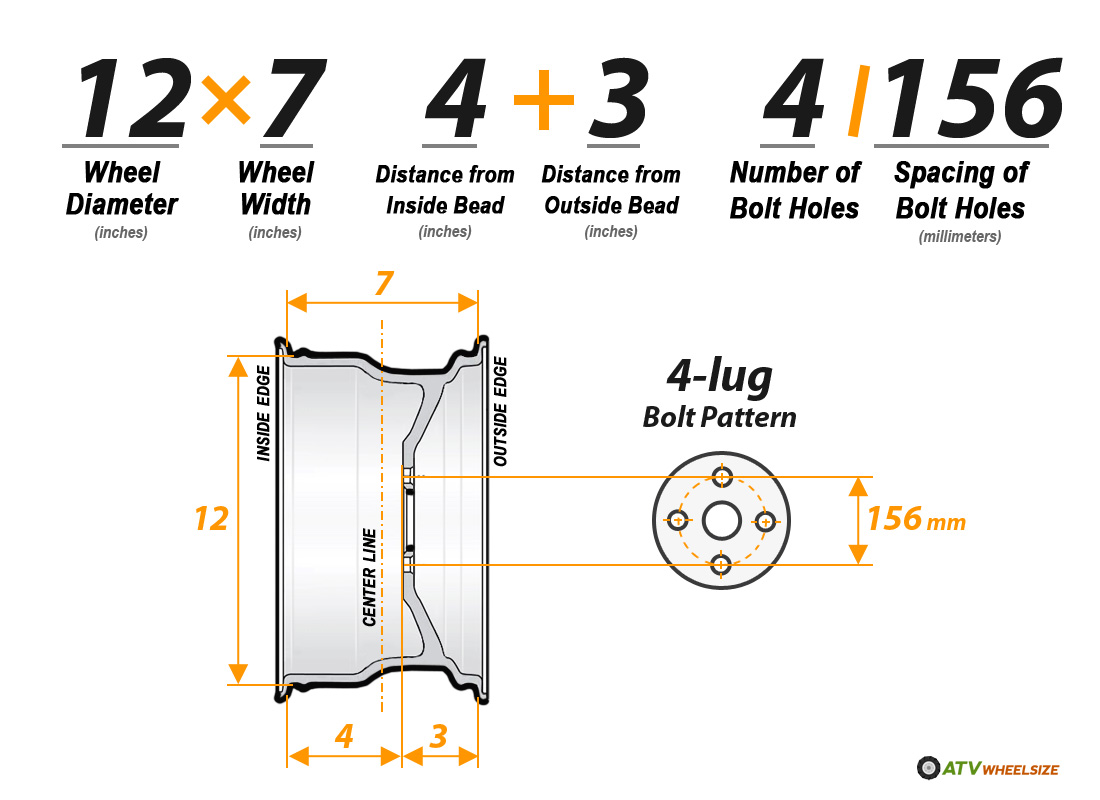
We talk to Hyundai Genesis Coupe 3.8 R-Spec owners every day. These are the questions we hear most before they pull the trigger on new wheels.
Will 18×10.5 / 18×12-inch wheels fit my Hyundai Genesis Coupe 3.8 R-Spec? Yes, but fitment depends on width, offset, and tire size working together. A wrong offset means rubbing. A wrong tire size means poor handling. Always verify all three.
Do I need to modify my fenders? That depends on your offset and suspension. A conservative offset with stock ride height usually fits without modification. Go aggressive and you may need to roll or pull your fenders.
Can I daily-drive this setup? Absolutely. Thousands of Hyundai Genesis Coupe 3.8 R-Spec owners run 18×10.5 / 18×12-inch wheels every day. The key is choosing the right tire with enough sidewall to absorb road imperfections.