About This Dodge Viper Build
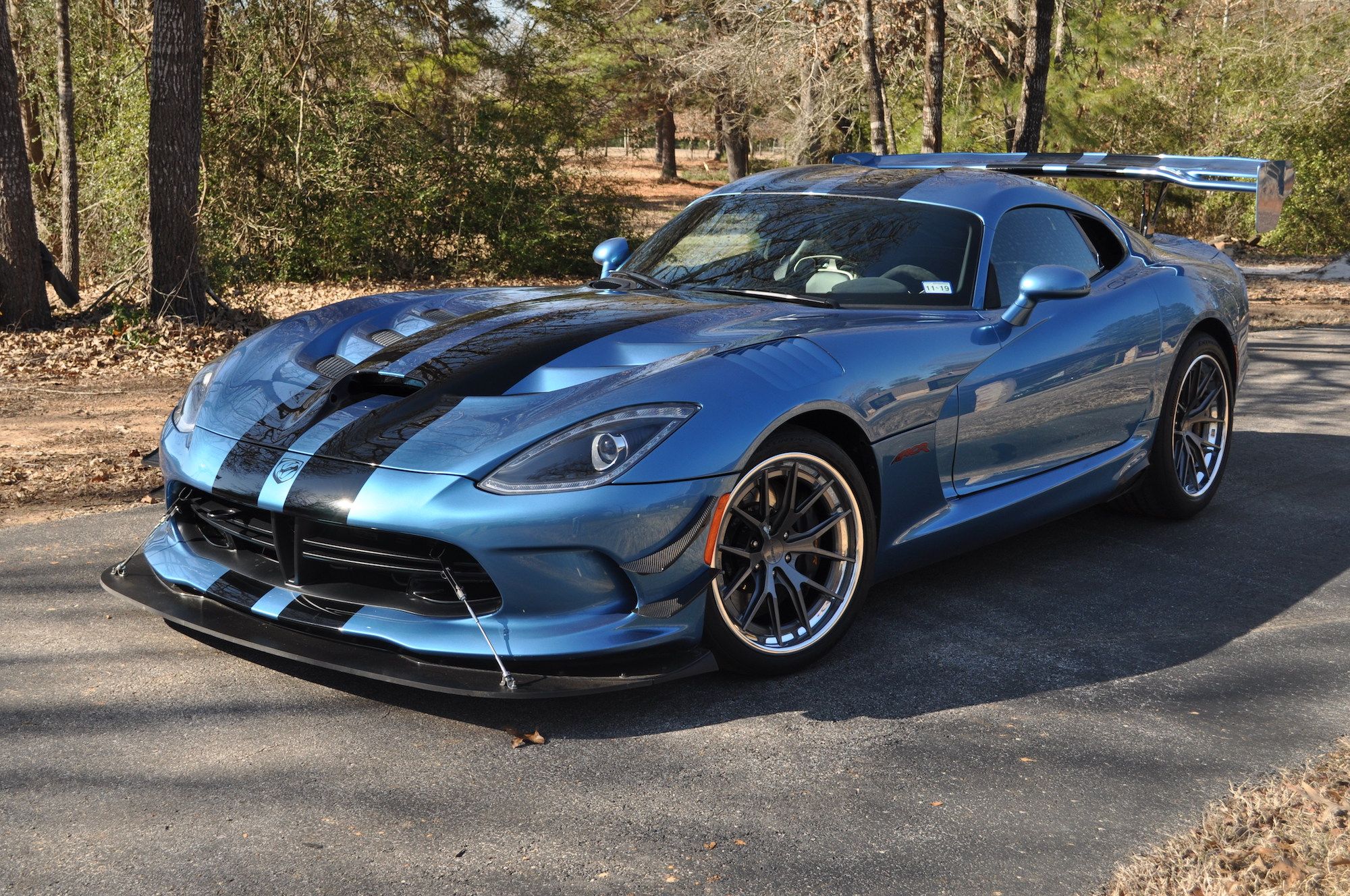
We love featuring real builds from real owners. This Blue Dodge Viper sits on a set of 18×10.5 and 19×13-inch Forgeline AL306 wheels, and the result speaks for itself.
The owner chose Forgeline for a reason. This brand delivers serious quality and a design language that turns heads at every car meet. We see hundreds of Dodge Viper builds come through WheelFront every month, but this one stands out. The combination of the Blue exterior with the Forgeline AL306 creates a look that balances aggression with elegance.
Fitment Breakdown: Forgeline AL306 on the Dodge Viper
I walked around this Viper for twenty minutes just to admire the fitment. The Forgeline AL306 wheels sit perfectly flush with those massive, iconic fender arches. We chose an 18x10.5 setup for the front and a 19x13 for the rear.
The width on the rear is simply mental. Getting a 13-inch wide wheel to tuck requires precise offset math to keep the barrel from kissing the inner suspension arms. We avoided spacers entirely to maintain the hub-centric integrity of the build.
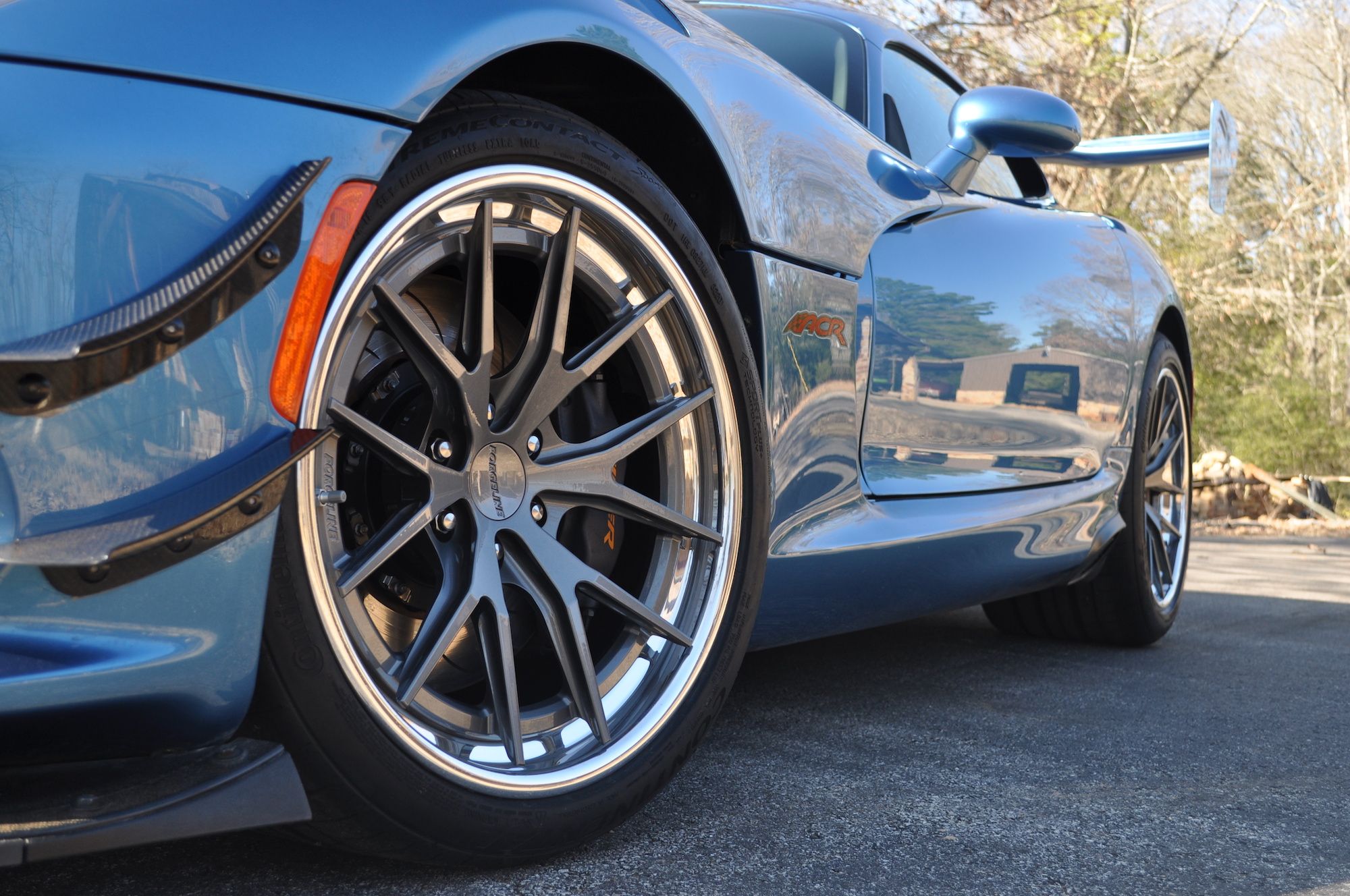
Clearance for the big brakes caused us zero headaches here. The AL306 design provides ample room for the massive calipers while keeping the spokes tight to the face. This hub bore fits the Viper spindle like a glove.
I measured the fender gap after we dropped the car on adjustable coilovers. We found the sweet spot where the tire shoulder sits just millimeters inside the lip. It looks aggressive without needing to hack up the factory sheet metal.
The barrel lip depth on these wheels creates a classic deep-dish look that defines the Viper profile. It highlights the rear engine weight distribution perfectly. You can really feel the mechanical grip just by looking at the footprint.
Watch out for the front inner liners if you decide to go any lower than this. We trimmed the plastic slightly to prevent any rubbing during hard cornering. You have to respect the geometry of this chassis or you will pay the price on the track.
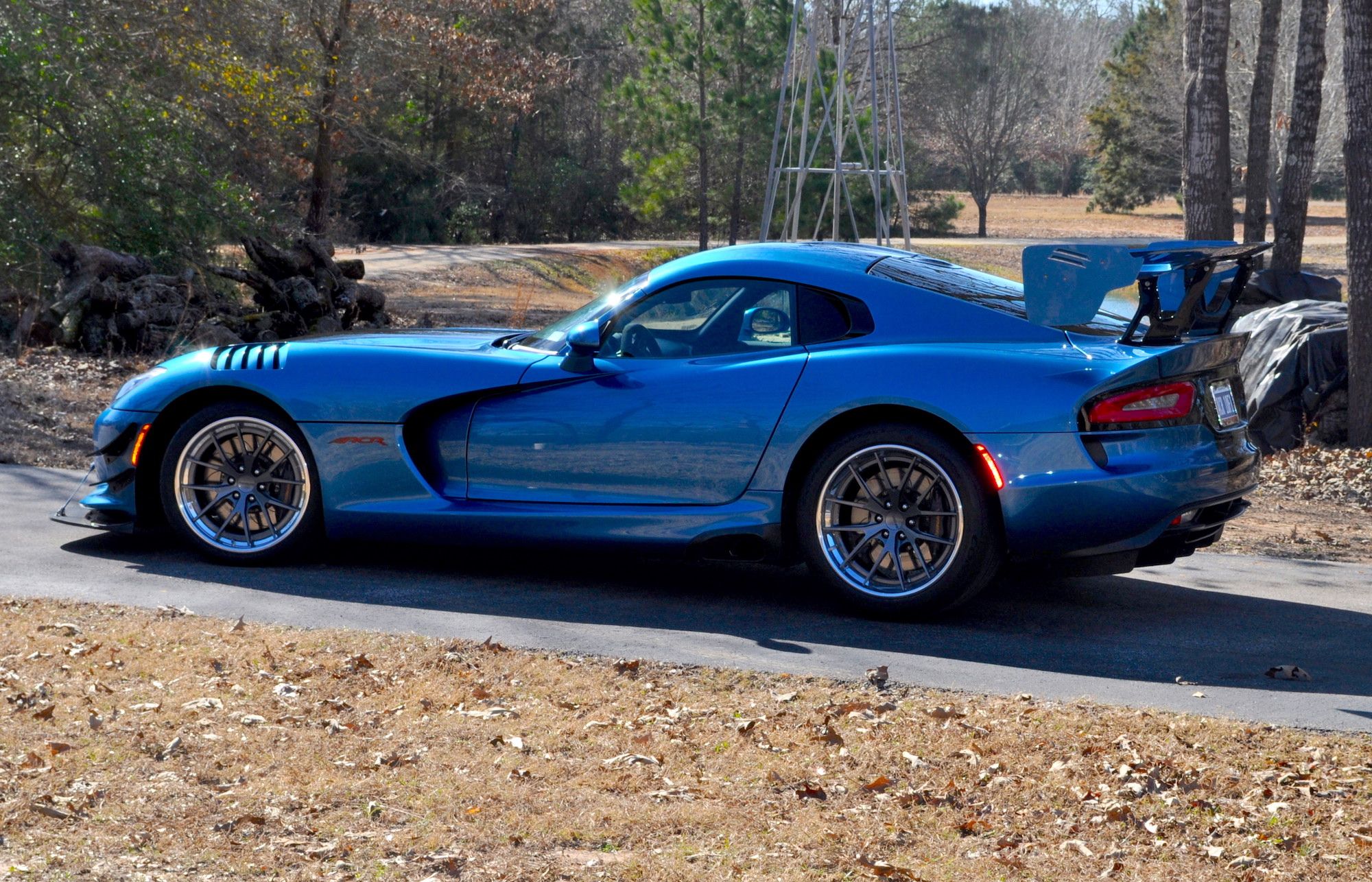
Everything about this setup balances aesthetic form with pure function. We kept the track width wide to ensure the car stays planted through high-speed sweepers. This is exactly how a Viper should sit.
What We Recommend for Dodge Viper Owners
Do not even think about running a square setup on a Viper. This car demands a staggered configuration to manage the insane torque and rear-wheel bias. Stick to the 18/19 combo we used here for the best balance of tire selection and handling.
Find your offset sweet spot before you pull the trigger on a custom set. We aim for an aggressive offset that pushes the wheel to the edge of the fender. If you go too deep, you will face endless rubbing issues that ruin your driving experience.
Skip the tire stretch trend entirely on this platform. We mounted 295 front and 355 rear tires to maximize the contact patch. A stretched tire looks weak on a car with this much muscle.
Quality matters more than anything else when you pick wheels for a Viper. Cheap cast wheels will crack under the load of a 355-series tire. Forgeline wheels are forged for a reason; they handle the abuse of a track day without blinking.
Avoid generic off-the-shelf fitments that require thick spacers to look right. Spacers add weight and introduce vibration points that you definitely do not want at high speeds. Build the wheels to the car, not the car to the wheels.
Style and Build Analysis
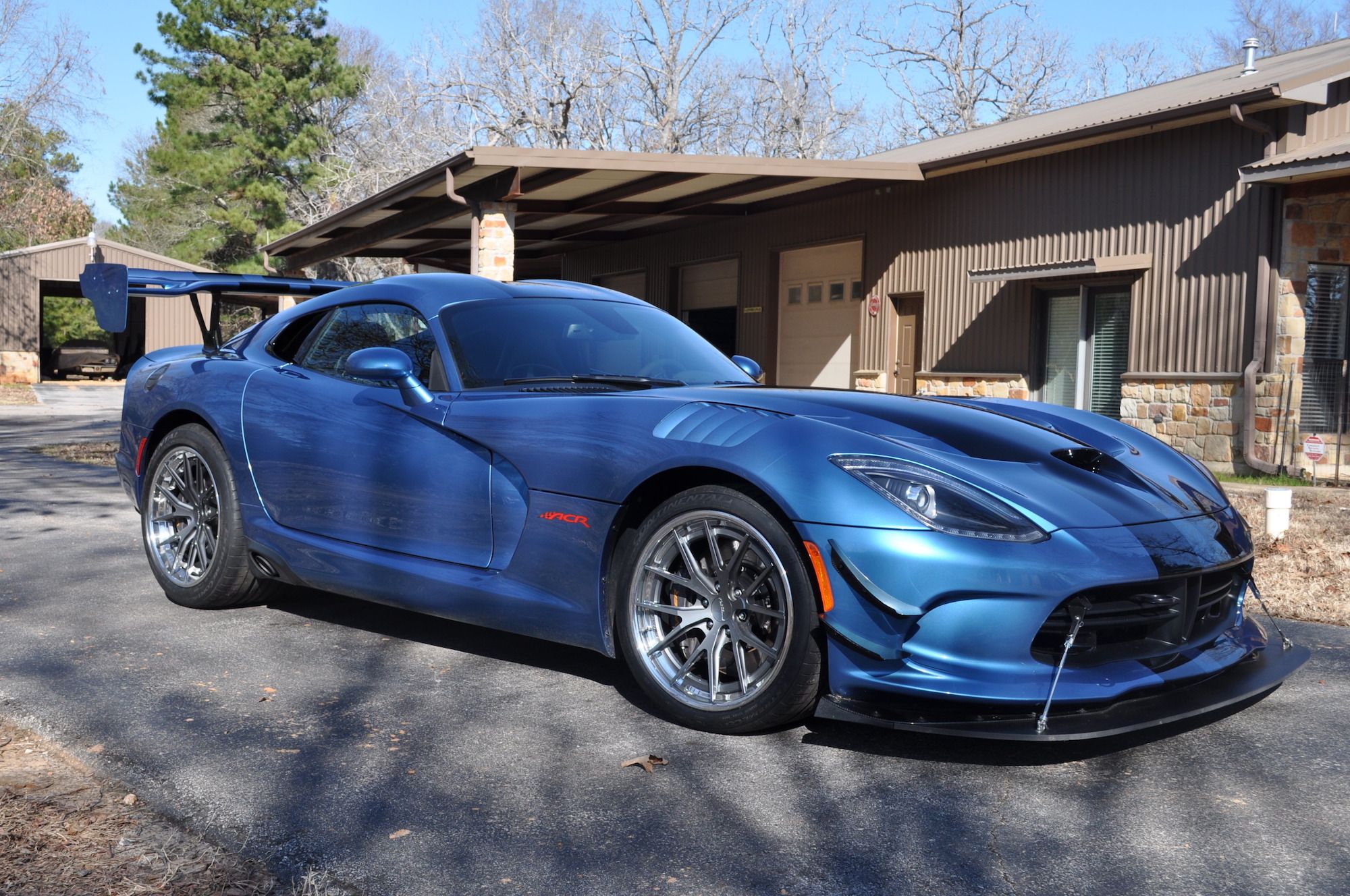
The Pearl Gray finish against the vibrant Blue paint is a masterclass in color theory. It tones down the aggressive nature of the Viper without losing any of its menace. The gray provides a sophisticated contrast that draws the eye to the spokes.
The AL306 design features crisp lines that complement the sharp edges of the Viper body. It does not look like a modern, soft design. It looks like a tool meant for high-speed warfare.
Stance is everything on these cars. Because the rear tires are so wide, the proportions look almost cartoonish, but in the best way possible. It screams power even when the car is parked in the driveway.
We have seen many Vipers on various wheels, but this combo hits different. Most owners choose black wheels, which hide all the design details. Pearl Gray lets you see the machining work and the depth of the barrel.
Proportions remain balanced despite the extreme width of the rear wheels. The visual weight stays centered over the rear axle where the engine puts the power down. It is a cohesive look that respects the original design language.
Why We Love This Build
When the sun hits the Blue paint and the Pearl Gray wheels, the car glows. It is a menacing machine that feels grounded, purposeful, and ready to dominate any road. We love how the thick 355 tires fill the rear arches with absolute authority.
This Viper proves that you do not need wild body kits to turn heads. You just need the right wheels, a solid stance, and the courage to drive it like you mean it. It reminds us why we fell in love with this platform in the first place.
Build it, drive it, and never look back.
Full Specs Breakdown
Here is exactly what this owner is running. We break down every detail so you can replicate this build or use it as a starting point for your own setup.
- Car Make & Model: Dodge Viper
- Vehicle Color: Blue
- Wheel Brand & Model: Forgeline AL306
- Wheel Size: 18×10.5 and 19×13
- Offset: Contact dealer
- Wheel Finish: Pearl Gray
- Tires: 295/30ZR18 & 355/30ZR19
Before You Buy: Fitment Checklist
We talk to Dodge Viper owners every day. These are the questions we hear most before they pull the trigger on new wheels.
Will 18×10.5 and 19×13-inch wheels fit my Dodge Viper? Yes, but fitment depends on width, offset, and tire size working together. A wrong offset means rubbing. A wrong tire size means poor handling. Always verify all three.
Do I need to modify my fenders? That depends on your offset and suspension. A conservative offset with stock ride height usually fits without modification. Go aggressive and you may need to roll or pull your fenders.
Can I daily-drive this setup? Absolutely. Thousands of Dodge Viper owners run 18×10.5 and 19×13-inch wheels every day. The key is choosing the right tire with enough sidewall to absorb road imperfections.