About This Dodge Challenger Build
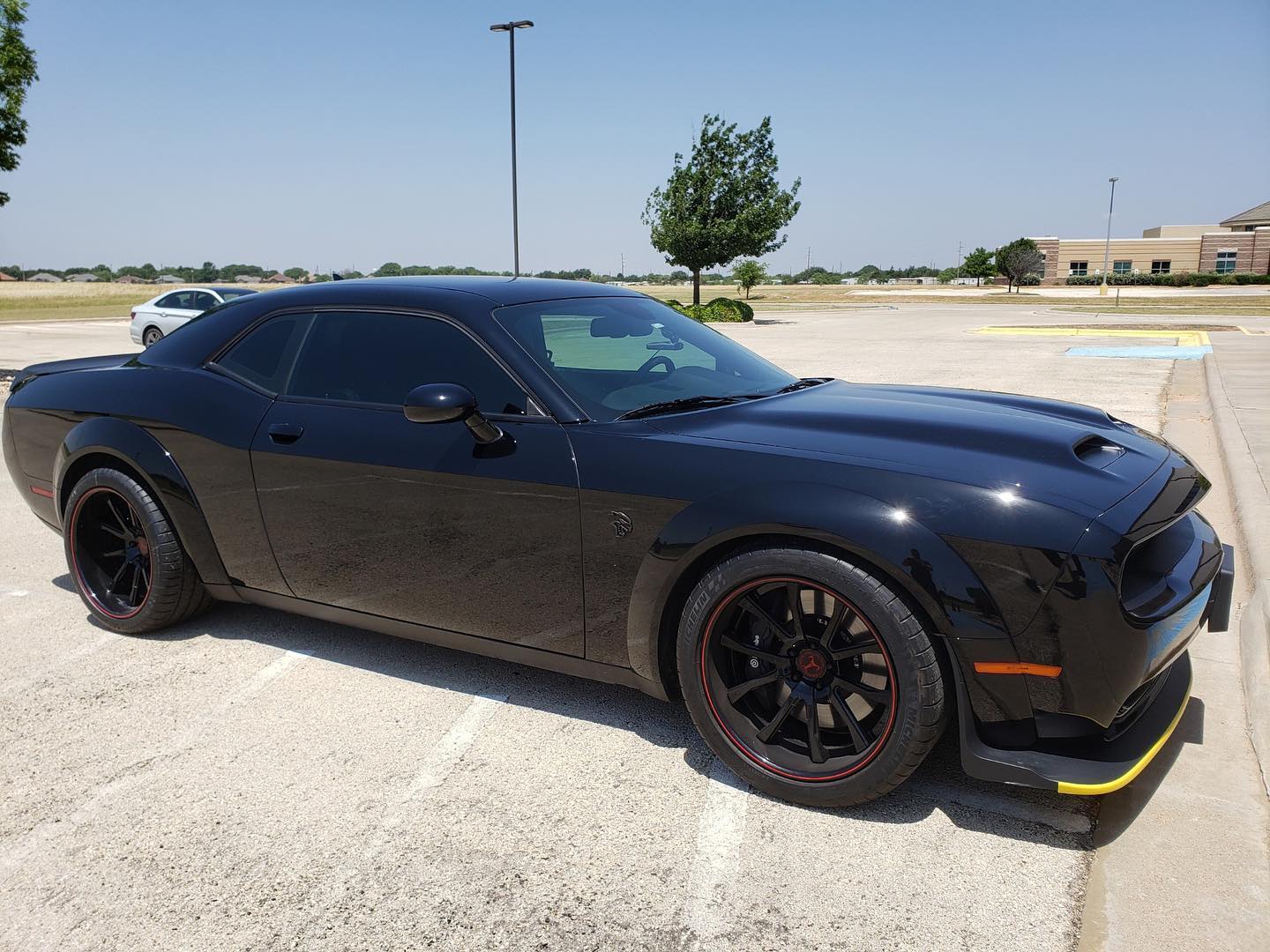
We love featuring real builds from real owners. This Black Dodge Challenger sits on a set of 20×11 and 20×12-inch Triumph Forged KRV.II wheels, and the result speaks for itself.
The owner chose Triumph Forged for a reason. This brand delivers serious quality and a design language that turns heads at every car meet. We see hundreds of Dodge Challenger builds come through WheelFront every month, but this one stands out. The combination of the Black exterior with the Triumph Forged KRV.II creates a look that balances aggression with elegance.
Fitment Breakdown: Triumph Forged KRV.II on the Dodge Challenger
I walked around this Challenger for twenty minutes just to admire the fitment. The Triumph Forged KRV.II setup runs a massive 20x11 up front and a 20x12 in the back. This isn't your average street build; it’s a wide-body aesthetic pushed to the absolute limit.
We see a lot of guys struggle with the Challenger hub bore, but these wheels sit perfectly centered. The custom offsets tuck the edges right against the fender liner. You get that flush look without sacrificing the geometry of the suspension.
Caliper clearance is the biggest headache on the big-brake Challengers, but the KRV.II design accounts for it. The spokes arch outward aggressively to clear the Brembos easily. I didn't see a single spacer in sight.
The barrel lip depth on the 20x12 rear wheels is just plain mean. It creates a deep, dark abyss that makes the car look wider than it actually is. It captures the light just enough to show off the forged construction.
This car sits on coilovers, which makes all the difference in the world. The lower ride height tightens up the fender gap and keeps the tires from ballooning. Without that drop, these 20s would look like wagon wheels.
I checked the inner liners for any signs of rubbing during heavy cornering. There is just enough clearance left to keep the paint intact. If you go any wider, you are going to need a roll or a pull.
The spoke design is stiff and purposeful, adding rigidity to the unsprung weight. It handles the torque of that Hemi without any visible flex. This is exactly how you dial in a Mopar.
What We Recommend for Dodge Challenger Owners
When you shop for a Challenger, stop looking for cheap cast wheels. Go straight to forged options like Triumph if you want to keep the car feeling fast. Forged wheels save pounds of unsprung mass, and you will feel that every time you touch the gas.
I always suggest a staggered setup for these cars. You need that 11-inch wide footprint in the back just to stand a chance at finding traction. A square setup just doesn't put the power down right.
Keep your offsets conservative if you want to avoid expensive fender work. We find the sweet spot is usually around +15 to +20 depending on your tire width. Don't try to guess it; talk to the shop and measure twice.
Watch your tire choice carefully. I see guys cramming oversized tires on narrow rims, which causes that ugly bubble look. Match the tire section width to the rim width so the sidewall stays vertical and crisp.
Avoid spacers if you can possibly help it. They introduce vibration and extra stress on the wheel studs. Get the right backspacing from the manufacturer the first time and save yourself the headache.
Style and Build Analysis
The monochromatic look is a bold choice, but it works perfectly here. Gloss Black on Black looks sinister, like a cruise missile on wheels. It strips away the distractions and lets the shape of the body do the talking.
The KRV.II design features sharp, clean lines that cut through the visual weight of the Challenger. Many wheels look too busy on a heavy car, but these keep it surgical. The proportions feel balanced, not overdone.
I love how the Gloss Black paint catches the street lights at night. It provides just enough reflection to distinguish the tire from the rim. The car looks like it’s floating a few inches off the pavement.
Compared to the other builds we feature, this one feels the most focused. There are no tacky decals or bright accents to ruin the flow. It’s a clean, industrial look that demands respect at every stoplight.
The stance makes the car look ready to launch. Everything about the proportions screams high-speed highway runner. It’s an aggressive, refined aesthetic that hits the mark every time.
Why We Love This Build
Standing next to this Challenger, I felt like I was looking at a stealth jet. The Gloss Black finish drinks the light, making the car look like a solid block of dark metal. Those 20-inch Triumph Forged wheels fill the arches with such precision that it looks like a factory prototype.
This build proves that you don't need wild colors to stand out in a crowd. It commands attention through pure, unfiltered presence and perfect engineering. I haven't stopped thinking about that deep-dish rear profile since I left the lot.
If you want to transform your Challenger into a pavement-eating monster, this is your blueprint. Build it once, build it right, and never look back.
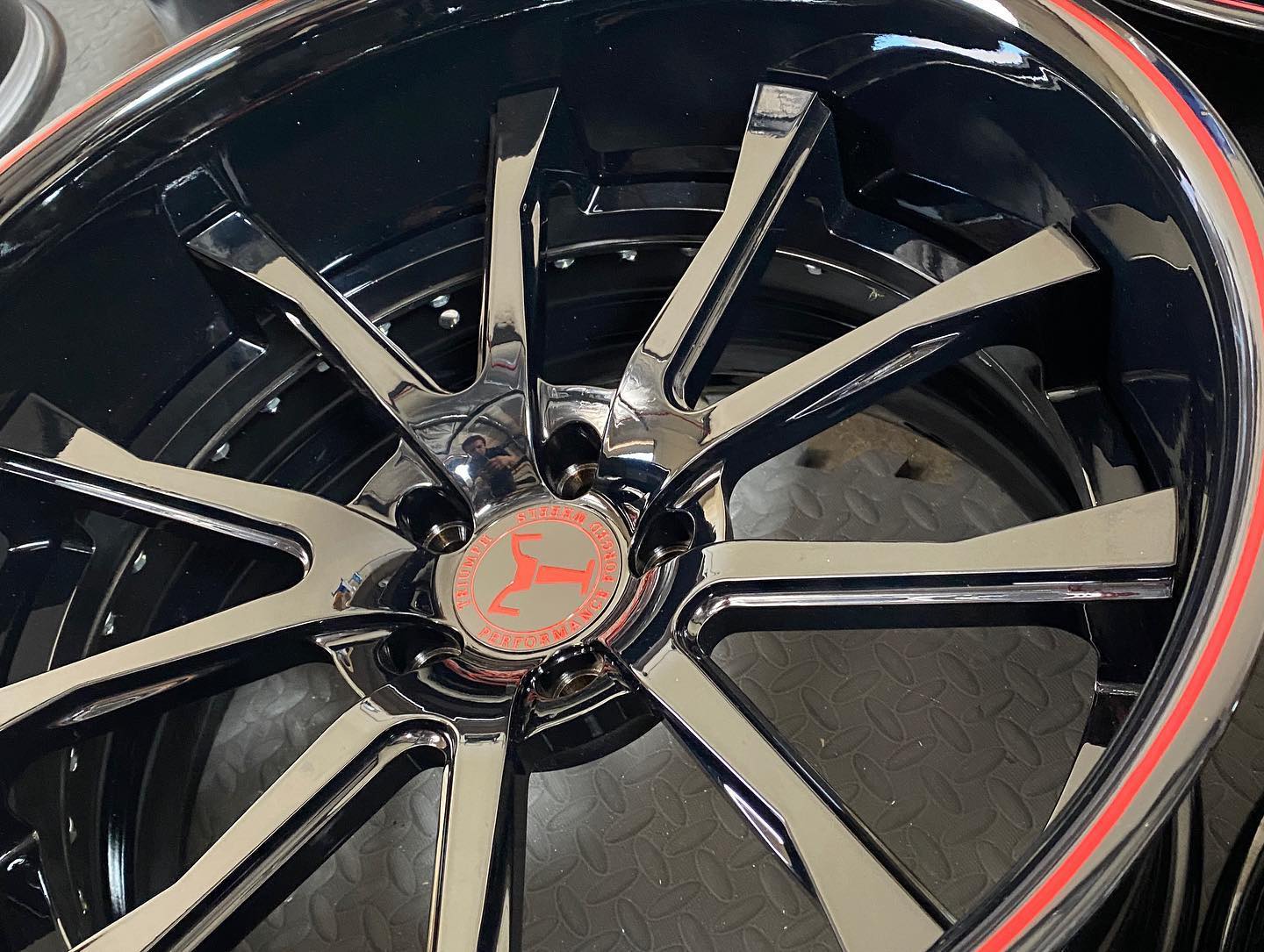
Full Specs Breakdown
Here is exactly what this owner is running. We break down every detail so you can replicate this build or use it as a starting point for your own setup.
- Car Make & Model: Dodge Challenger
- Vehicle Color: Black
- Wheel Brand & Model: Triumph Forged KRV.II
- Wheel Size: 20×11 and 20×12
- Offset: Contact dealer
- Wheel Finish: Gloss Black
Before You Buy: Fitment Checklist
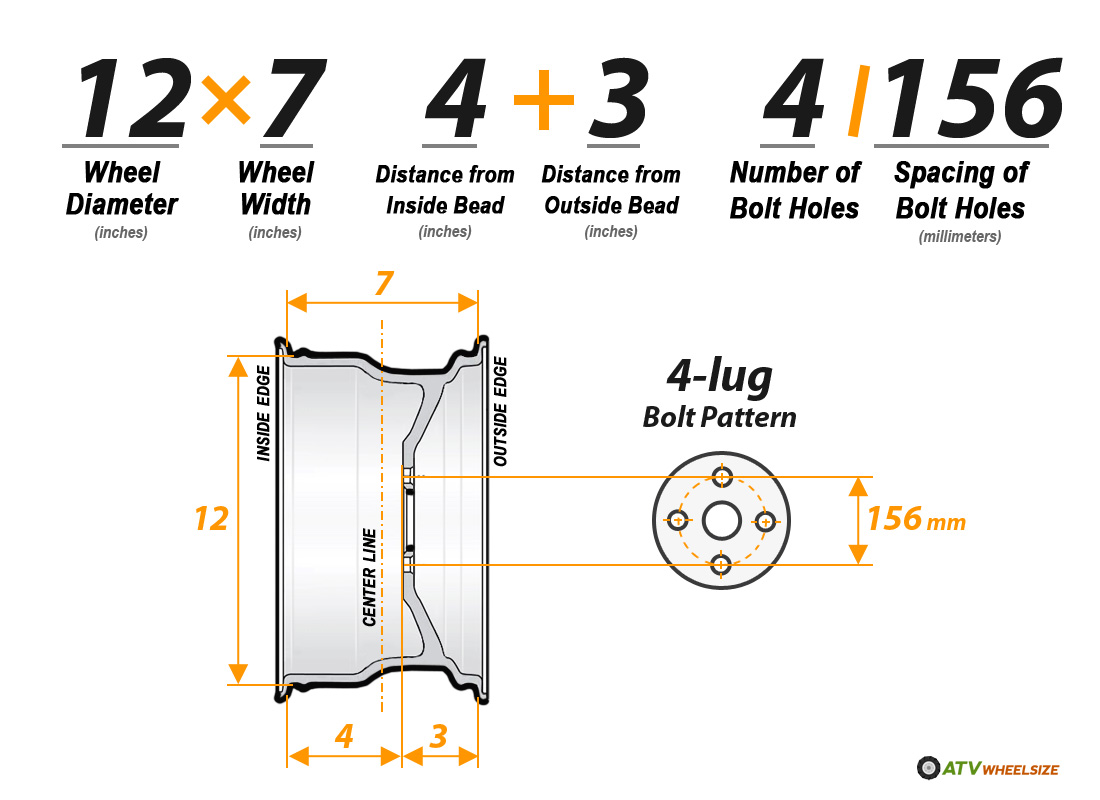
We talk to Dodge Challenger owners every day. These are the questions we hear most before they pull the trigger on new wheels.
Will 20×11 and 20×12-inch wheels fit my Dodge Challenger? Yes, but fitment depends on width, offset, and tire size working together. A wrong offset means rubbing. A wrong tire size means poor handling. Always verify all three.
Do I need to modify my fenders? That depends on your offset and suspension. A conservative offset with stock ride height usually fits without modification. Go aggressive and you may need to roll or pull your fenders.
Can I daily-drive this setup? Absolutely. Thousands of Dodge Challenger owners run 20×11 and 20×12-inch wheels every day. The key is choosing the right tire with enough sidewall to absorb road imperfections.