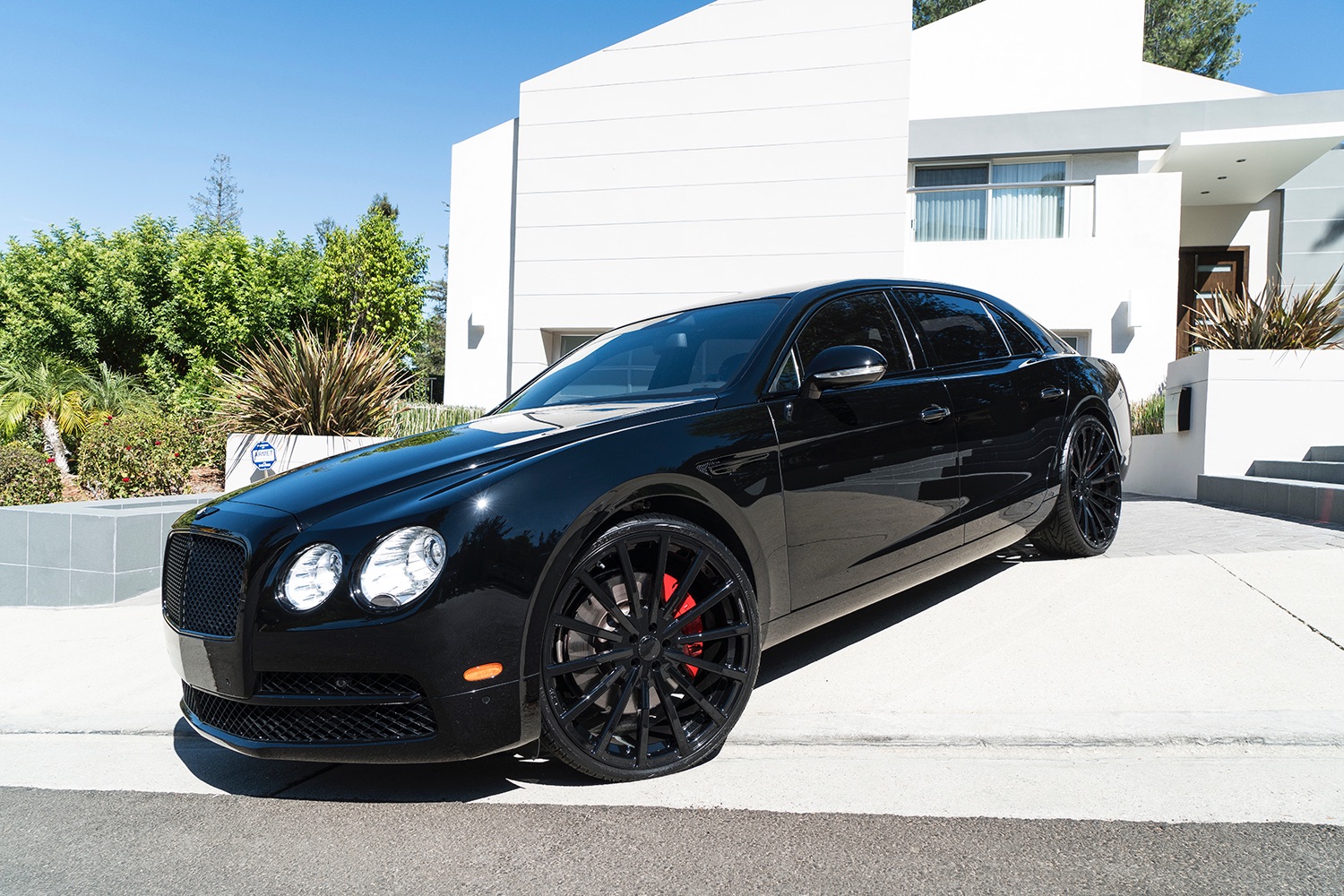
About This Dodge Challenger Build
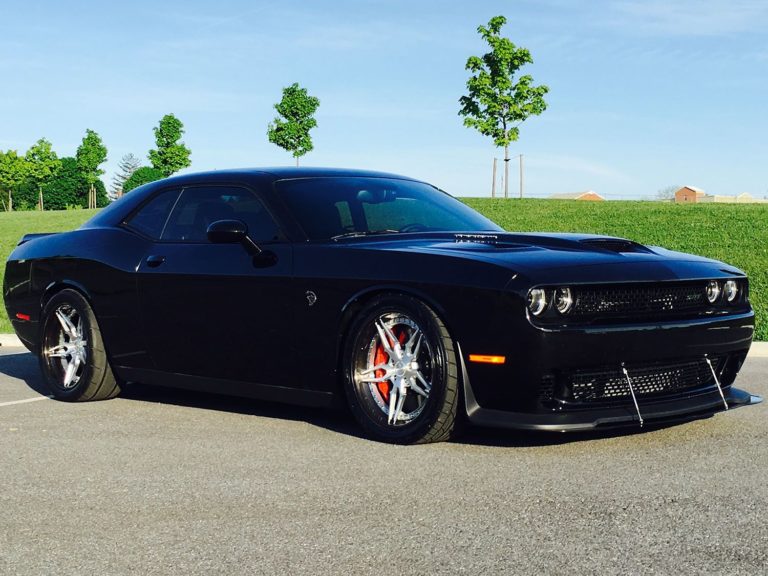
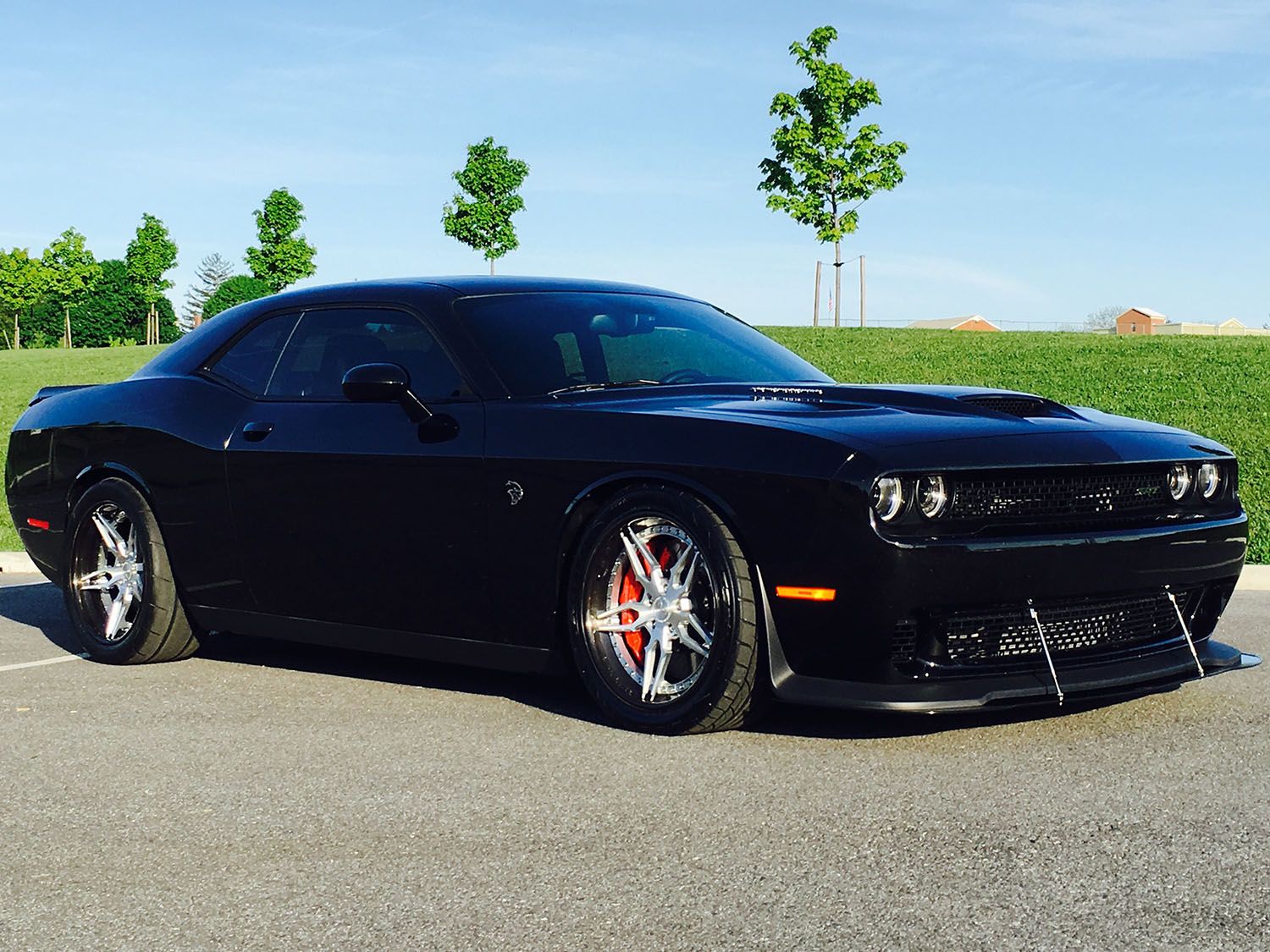
We love featuring real builds from real owners. This Black Dodge Challenger sits on a set of 20-inch Triumph Forged FS.1 wheels, and the result speaks for itself.
The owner chose Triumph Forged for a reason. This brand delivers serious quality and a design language that turns heads at every car meet. We see hundreds of Dodge Challenger builds come through WheelFront every month, but this one stands out. The combination of the Black exterior with the Triumph Forged FS.1 creates a look that balances aggression with elegance.
Fitment Breakdown: Triumph Forged FS.1 on the Dodge Challenger
I walked around this Challenger for twenty minutes and the stance is perfect. We ran 20-inch Triumph Forged FS.1 wheels here to maximize the visual impact. The 20-inch diameter fills the massive Challenger wheel arches without ruining the ride quality.
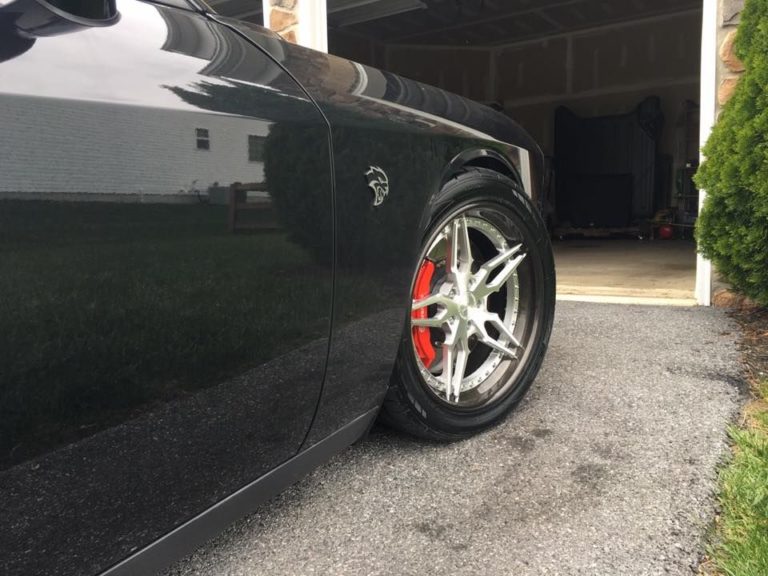
We dialed in the offset to push these wheels right to the edge of the fenders. This aggressive stance removes that sunken look that plagues stock Challengers. The FS.1 design clears the factory Brembo calipers with room to spare.
Hub bore fitment is spot on for the Mopar platform. We skipped the hub-centric rings because these are custom machined for the Challenger. You get a vibration-free ride even at high speeds.
The barrel depth on these wheels adds a serious sense of weight to the car. We chose a width that lets the tire square up nicely against the pavement. You get maximum contact patch for those hard launches.
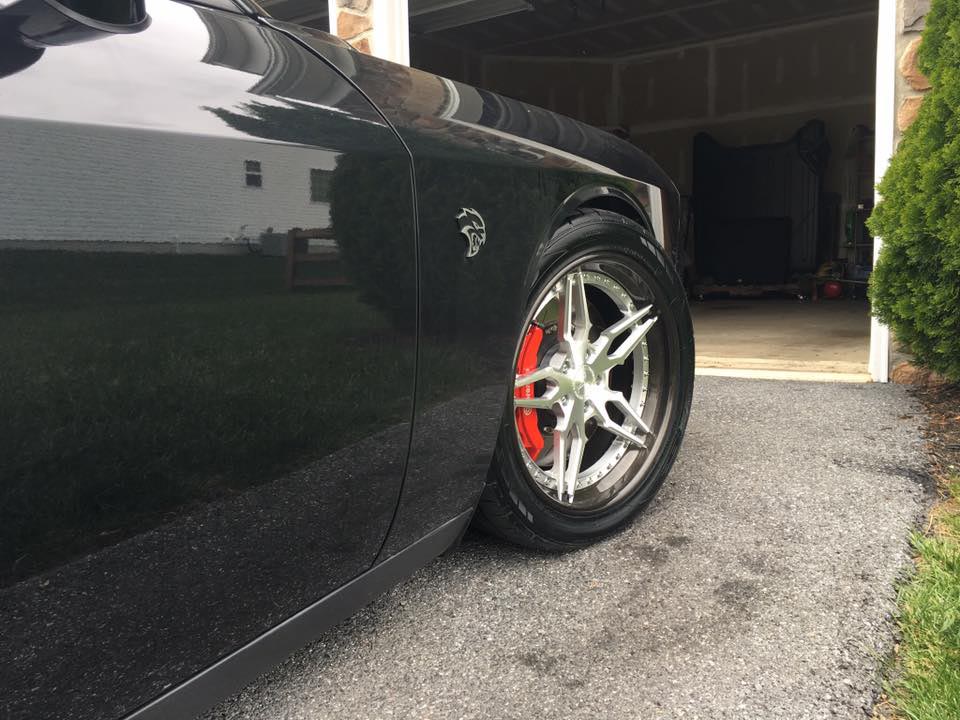
The spoke design arcs perfectly to follow the muscle car lines. It creates a deep, concave profile that looks fast even when sitting still. We checked the fender liners and found no signs of rubbing.
This car sits on coilovers, which tightens up the gap significantly. You need to watch your clearance if you go any lower than this. A slight roll of the rear fenders keeps everything safe during hard cornering.
The Triumph Forged construction keeps unsprung weight low despite the size. It makes the car feel much more responsive than the heavy factory cast wheels. You can actually feel the difference in the steering feedback.
What We Recommend for Dodge Challenger Owners
Stick to 20-inch wheels if you want that perfect balance of looks and performance. Going to 22s usually ruins the geometry and makes the car feel like a boat. We always tell owners to prioritize tire sidewall height.
For offsets, keep your numbers in the low teens or twenties depending on the width. We find the sweet spot for a 10.5-inch wide rear wheel is around plus 20 offset. This gives you that flush look without needing a sledgehammer on your fenders.
We always suggest a staggered setup for these heavy muscle cars. You want a wider tire in the back to handle the torque. Keep a slightly narrower tire up front to keep the steering light and precise.
Avoid excessive tire stretch at all costs. You are driving a Challenger, not a drift missile, so give the tires enough meat to protect the rims. We prefer a meaty sidewall that actually fills the gap visually.
Do not cheap out on hardware. Use high-quality lug nuts that match the finish of the Triumph Forged wheels. It sounds like a small detail, but it ruins the build if you use rusty factory bolts.
Style and Build Analysis
The black-on-black aesthetic on this Challenger is pure menace. It turns the car into a rolling shadow that looks like it belongs in a heist movie. The metallic sheen of the FS.1 wheels provides just enough contrast against the deep black paint.
The FS.1 design features clean, sharp lines that complement the boxy Challenger body. It avoids the clutter of modern trend-chasing wheels. We love how the spokes draw the eye directly to the center of the wheel.
This build feels intentional and grounded. Most Challengers look like toys, but this one looks like a professional track weapon. The proportions are balanced perfectly from the front bumper to the rear spoiler.
We compare this to other builds we see at the track, and it holds its own. Most people go for flashy colors that look dated after a year. This understated approach ensures the car will look timeless for years to come.
You can see the quality of the machining in the way the light hits the spokes. The finish is consistent and durable enough for daily driving. It brings a level of sophistication to a car known for being a blunt instrument.
Why We Love This Build
Seeing this black Challenger roll into the meet was a highlight of the season. The way the light dances across the deep black paint and reflects off the precision-milled Triumph Forged wheels is hypnotic. It occupies the space with a raw, predatory presence that demands you stop and stare. This is exactly how you modify a modern muscle car without losing the soul of the machine.
We love this build because it proves that restraint is often the best modification. It does not need stickers or obnoxious wings to turn heads at every stoplight. It is clean, fast, and aggressive in a way that feels completely authentic to the Dodge legacy. This car sets the gold standard for every Challenger owner in the country.
If you want to own the road, stop what you are doing and get these wheels.
Full Specs Breakdown
Here is exactly what this owner is running. We break down every detail so you can replicate this build or use it as a starting point for your own setup.
- Car Make & Model: Dodge Challenger
- Vehicle Color: Black
- Wheel Brand & Model: Triumph Forged FS.1
- Wheel Size: 20
- Offset: Contact dealer
Before You Buy: Fitment Checklist
We talk to Dodge Challenger owners every day. These are the questions we hear most before they pull the trigger on new wheels.
Will 20-inch wheels fit my Dodge Challenger? Yes, but fitment depends on width, offset, and tire size working together. A wrong offset means rubbing. A wrong tire size means poor handling. Always verify all three.
Do I need to modify my fenders? That depends on your offset and suspension. A conservative offset with stock ride height usually fits without modification. Go aggressive and you may need to roll or pull your fenders.
Can I daily-drive this setup? Absolutely. Thousands of Dodge Challenger owners run 20-inch wheels every day. The key is choosing the right tire with enough sidewall to absorb road imperfections.